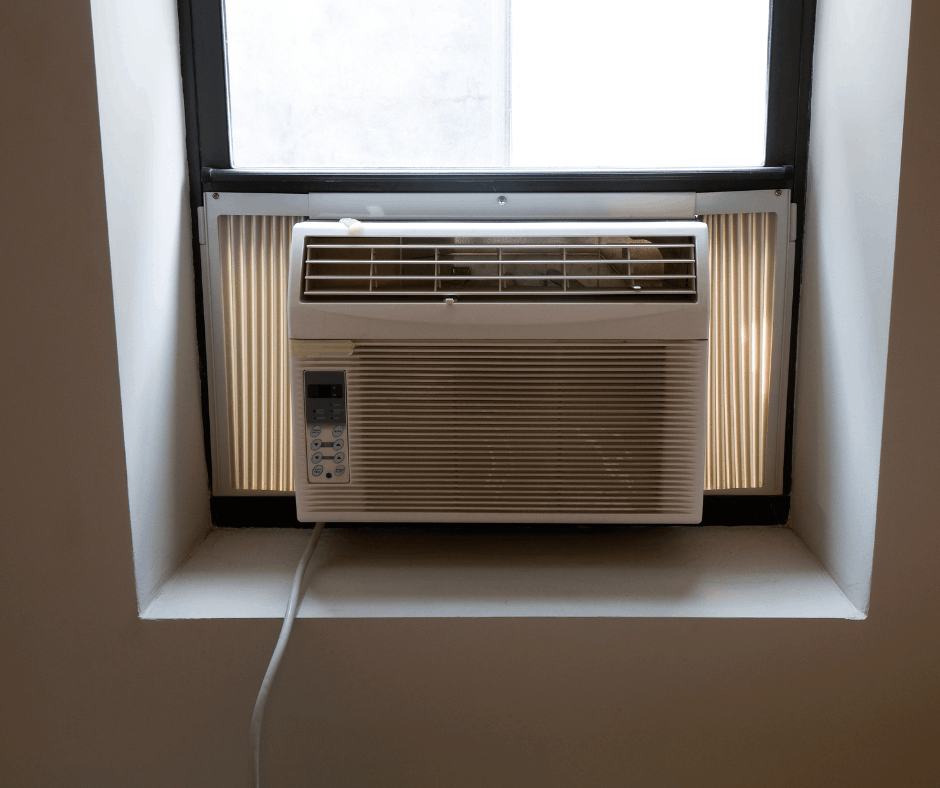
Are you ready to beat the heat without calling in a pro? Installing a window unit air conditioner yourself is easier than you think.
With the right steps, you can cool your room quickly and save money at the same time. This guide will walk you through everything you need to know, from choosing the right spot to securing the unit safely. Keep reading, and you’ll have your space feeling fresh and comfortable in no time.

Credit: archexteriors.com
Choosing The Right Window Ac
Measure the window space carefully before buying an air conditioner. The unit must fit securely in the window frame to prevent air leaks. Check the width and height of the window opening and note these numbers.
BTU (British Thermal Unit) shows the cooling power of the air conditioner. Choose a unit with the right BTU for your room size. Too low BTU won’t cool well. Too high BTU wastes energy.
| Room Size (sq ft) | Recommended BTU |
|---|---|
| 100-150 | 5,000 |
| 150-250 | 6,000-8,000 |
| 250-350 | 8,000-10,000 |
| 350-450 | 10,000-12,000 |
Energy efficiency matters to save money and help the environment. Look for units with a high Energy Efficiency Ratio (EER). The higher the EER, the less power it uses.
Gathering Tools And Materials
Gathering the right tools and materialsmakes installation easier. A few key items help the job go smoothly.
- Essential tools list:screwdriver, drill, measuring tape, level, and utility knife.
- Safety equipment:gloves and safety glasses to protect hands and eyes.
- Additional supplies:foam sealant, weather stripping, and mounting brackets.
Using these items keeps the unit stable and prevents air leaks. Safety gear protects from sharp edges and debris. Preparing all tools first saves time and effort.
Preparing The Window
Start by cleaning the window areathoroughly. Remove dirt, dust, and debris from the sill and frame. This helps the air conditioner fit well and work properly.
Next, take out the window screensif present. These screens can block airflow and make installation difficult. Keep them safe to reinstall later.
Check the window frame stability. The frame should be strong enough to hold the air conditioner’s weight. Look for cracks or loose parts. Fix any problems before installing.
Installing The Mounting Bracket
Place the mounting bracket on the window frame. Align it carefully so the air conditioner fits well. The bracket should support the unit’s weight securely.
Use screws to fix the bracket in place. Choose screws that match your window frame material. Tighten the screws firmly to avoid any movement.
Check if the bracket is level using a spirit level. A level bracket helps the air conditioner work better. Adjust the bracket if it tilts to one side.
Placing The Air Conditioner
Lifting the unit safelyis key to avoid damage or injury. Use both hands to hold the air conditioner firmly. Ask for help if the unit is heavy or large. Lift with your legs, not your back, to protect yourself.
Positioning on the bracketrequires care. Place the unit on the bracket evenly. Make sure it fits snugly and does not wobble. Check that the bracket is strong and secured to the window frame.
Extending side panelshelps seal the window. Pull the panels out gently until they reach the window frame edges. Fasten the panels to stop air leaks and keep the unit stable.

Credit: thelenmechanical.com
Sealing And Insulating
Weather strippinghelps block drafts around the air conditioner. It is easy to install and fits in gaps where air might escape. Choose the right size to fill spaces without squeezing the unit too tight.
Foam sealantcan fill bigger gaps and cracks. Use it carefully to avoid making a mess. It expands to fill spaces and keeps air from leaking. Let it dry fully before checking for leaks.
To prevent air leaks, check all edges and corners. Look for spots where cold air might slip out or hot air might get in. Seal these areas with weather stripping or foam sealant to keep your room cool and save energy.
Securing The Unit
Secure the side panels by sliding them out to fill the window gaps. Use screws or clips to fasten them tightly to the window frame. This helps keep the unit steady and blocks outside air from entering.
Lower the window sash carefully until it rests on top of the air conditioner. This locks the unit in place and prevents it from moving or falling. Use a sash lock or a wedge to keep the window from sliding up.
Check the unit’s stability by gently shaking it. It should not wobble or shift. Adjust the side panels or sash lock if needed. Make sure the air conditioner sits level to work well and last longer.
Connecting To Power
Check the electrical requirementson the air conditioner’s label. It usually shows the voltageand amperageneeded. Make sure your outlet matches these specs.
Use a dedicated outletfor the window unit. Avoid using extension cords or power strips. These can cause overloadsand fire hazards.
- Plug the unit directly into a properly grounded outlet.
- Check that the circuit breaker can handle the air conditioner’s load.
- Do not share the outlet with other heavy devices.
- Turn off power when plugging or unplugging the unit.
Testing The Air Conditioner
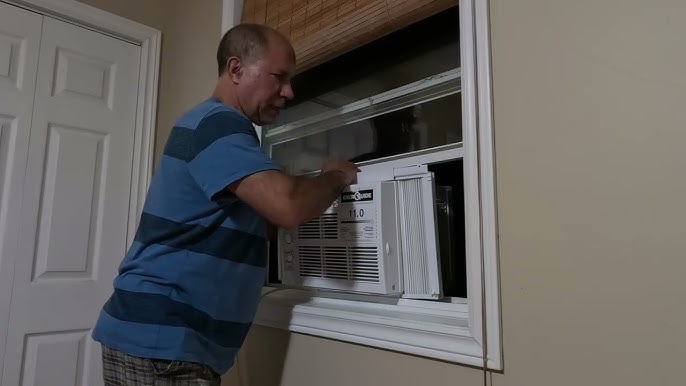
Start by plugging in the air conditioner and pressing the power button. The unit should light up and make a soft humming sound. This shows it is getting power.
Use the remote or control panel to set the temperature. Choose a cool setting to test the cooling function. Adjust the fan speed to low, medium, or high as needed.
Watch the air coming out of the unit. It should feel cool and steady. Listen for any strange noises, like rattling or buzzing. Check if the unit is draining water properly.
Credit: www.youtube.com
Maintaining Your Window Unit
Cleaning filtersregularly helps your air conditioner work well. Remove the filter and wash it with warm water. Let it dry fully before putting it back. This keeps the air fresh and stops dust buildup.
Seasonal storage tipsprotect your unit during cold months. Clean the unit inside and out before storing. Cover it with a plastic sheet to keep dust and moisture away. Store in a dry, cool place to avoid damage.
| Troubleshooting Common Issues | Possible Solution |
|---|---|
| Unit not cooling | Check filter and clean or replace if dirty |
| Water leaking | Clear blocked drain holes or tilt unit slightly |
| Strange noises | Ensure unit is level and tighten loose parts |
Frequently Asked Questions
How Do I Choose The Right Window For Installation?
Choose a window that can support the unit’s weight and size. Ensure it has a nearby electrical outlet for easy access. Consider sun exposure; less direct sunlight can improve efficiency. Proper measurements and window orientation ensure optimal cooling and energy efficiency.
What Tools Do I Need For Installation?
You’ll need a screwdriver, measuring tape, and a level. A support bracket and weatherproofing materials are also essential. These tools help ensure a secure and efficient installation. Having the right tools makes the process smoother and more effective.
Can A Window Unit Air Conditioner Fit Any Window?
No, it must fit the window’s dimensions. Measure both the unit and window before purchase. Ensure the window can support the unit’s weight. Proper fit is crucial for effective cooling and safety.
Is Professional Installation Necessary For A Window Ac Unit?
Not always, but it can be helpful. Professional installation ensures safety and efficiency. If you’re unsure, consider hiring a professional. They can ensure a secure and proper installation.
Conclusion
Installing a window unit air conditioner is simple and quick. Measure your window carefully before starting. Use the right tools to ensure a secure fit. Seal gaps to keep cool air inside and bugs out. Check the unit regularly for maintenance and cleaning.
Enjoy a cooler home without high energy bills. This guide helps you stay comfortable all summer long. Ready to beat the heat with your new AC?