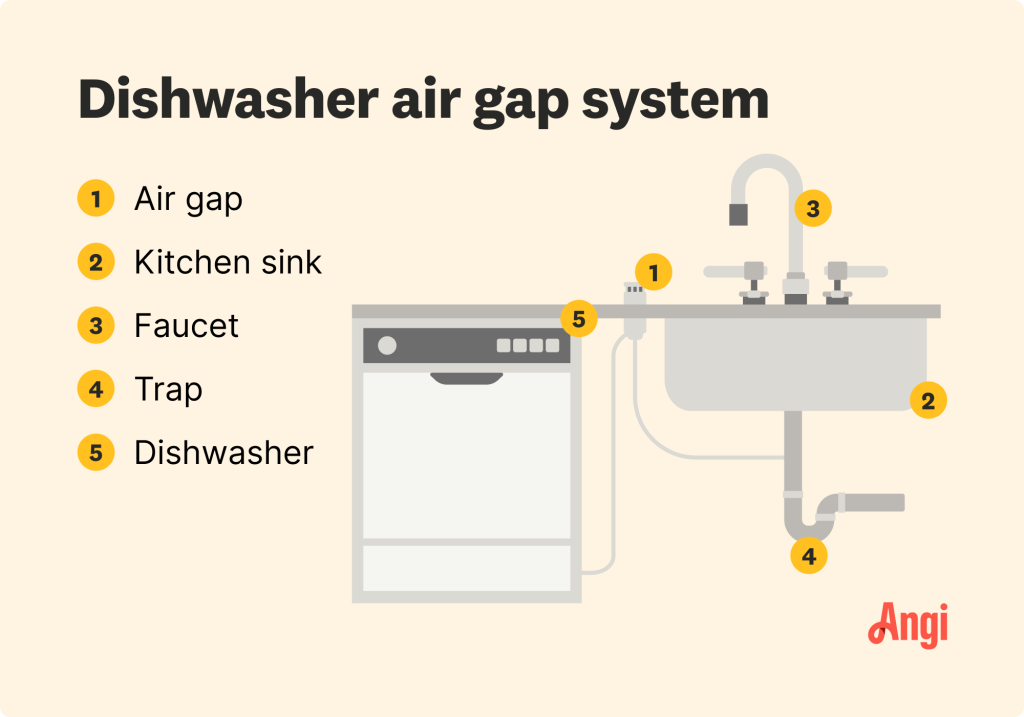
Are you planning to install a new dishwasher and keep hearing about the importance of an air gap? You’re not alone.
An air gap might sound technical, but it’s a simple and crucial component for your kitchen’s plumbing. It ensures your dishwasher operates smoothly and protects your water supply from contamination. But how do you install one yourself without any hassle?
In this guide, we’ll walk you through the easy steps to install an air gap for your dishwasher. By the end, you’ll feel confident and empowered to tackle this task on your own, saving time and avoiding costly plumber visits. Let’s dive in and get your kitchen running safely and efficiently.
Credit: airgap.com
Why Air Gaps Matter
Understanding why air gaps matter can change how you approach dishwasher installation. It’s not just about fitting parts together; it’s about keeping your home’s water safe and clean. Skipping this small but crucial component can lead to contamination and costly repairs.
Preventing Backflow Contamination
Backflow happens when dirty water flows backward into your clean water supply. This can occur if there’s a drop in water pressure or a blockage. An air gap acts as a physical break, stopping dirty water from mixing with fresh water.
Think about it like a safety barrier. Without an air gap, you risk harmful bacteria or food particles from your dishwasher sneaking back into your drinking water. I once heard about a family who faced this exact issue, which led to serious health concerns and a plumber’s hefty bill.
Meeting Plumbing Codes
Many local plumbing codes require air gaps for dishwashers. This isn’t just a suggestion—it’s a legal standard designed to protect public health. Ignoring these codes can mean failed inspections or fines.
If you’re planning to sell your home, missing an air gap can delay the process. Buyers and inspectors will notice. Adding an air gap ensures your installation passes scrutiny and keeps your home compliant.
Tools And Materials Needed
Before you start installing an air gap for your dishwasher, gathering the right tools and materials is crucial. Having everything on hand will save you time and prevent frustration during the installation process. Plus, using proper tools ensures a secure, leak-free connection.
Essential Tools
- Adjustable wrench– Helps tighten fittings without damaging them.
- Screwdriver(both flathead and Phillips) – Needed for mounting the air gap and securing clamps.
- Utility knife– Useful for cutting hoses to the correct length.
- Measuring tape– Ensures precise hose lengths and proper placement.
- Drill with appropriate bits– Required if you need to create a hole in the sink or countertop for the air gap.
- Bucket or towels– To catch any water spills during disconnection or installation.
Required Parts
- Air gap device– The main component that prevents backflow into the dishwasher.
- Dishwasher drain hose– Connects the dishwasher to the air gap.
- Discharge hose– Runs from the air gap to the sink drain or garbage disposal.
- Hose clamps– Secure hoses firmly to prevent leaks.
- Mounting hardware– Usually included with the air gap to fasten it in place.
Have you ever started a project only to realize you’re missing a key tool? I did that once with a simple plumbing job, and it added hours to the work. Don’t let that happen to you—double-check your toolkit and parts before you begin. How confident are you that you have everything ready to make your dishwasher’s drainage system safer?
Locate The Installation Spot
Locating the perfect spot to install an air gap for your dishwasher is crucial for a smooth and efficient setup. This step ensures that your dishwasher drains properly and prevents dirty water from flowing back into the clean water supply. Taking the time to carefully find the right location can save you from plumbing headaches down the road.
Choosing The Right Sink Area
Look around your kitchen sink and countertop to find a spot that is both accessible and close to the dishwasher drain hose. The air gap is usually installed on the sink or countertop near the faucet, so check for any pre-existing holes or space where you can drill a new one.
Make sure the area you select won’t interfere with your daily kitchen tasks or get in the way of other appliances. Have you noticed any cramped spaces around your sink that might make installation tricky? Avoid those to keep your kitchen functional.
Checking Existing Plumbing Setup
Before drilling any holes, examine your current plumbing layout under the sink. Identify where the dishwasher drain hose connects to the garbage disposal or drain pipe. This connection point will help determine the air gap’s position and the length of hoses needed.
Look for any signs of leaks, corrosion, or outdated fittings that might complicate the installation. It’s easier to fix these issues now rather than dealing with unexpected leaks later. Are you able to easily reach the plumbing connections, or will you need extra tools or help?
Turn Off Water And Power
Before you begin installing an air gap for your dishwasher, it’s crucial to turn off both the water supply and the power. This step ensures your safety and prevents any unexpected leaks or electrical issues during the installation process.
Skipping this step could lead to water flooding your kitchen or even causing electrical shocks. Have you ever started a home project only to realize you forgot to cut the power? It’s frustrating and avoidable.
Locate The Water Shut-off Valve
First, find the water shut-off valve connected to your dishwasher. It’s usually under the sink or near the dishwasher itself.
Turn the valve clockwise until it stops. This action cuts off the water supply and stops any flow to the dishwasher.
Turn Off The Electrical Power
Next, head to your circuit breaker panel. Identify the breaker that controls the dishwasher’s power.
Flip the switch to the off position. This prevents any electrical accidents while you work on the plumbing.
Double-check That Water And Power Are Off
After turning off the water and power, test both to make sure they are completely off.
- Run the dishwasher briefly to confirm no water flows in.
- Use a voltage tester or simply try turning the dishwasher on to ensure no electricity is running.
This double-check protects you from surprises that could disrupt your installation or cause harm.
Remove Old Components
Removing old components is a crucial first step when installing an air gap for your dishwasher. It ensures a clean workspace and prevents any interference with the new parts. This process might seem straightforward, but paying attention to details will save you time and frustration later.
Detaching Existing Drain Hose
Start by locating the drain hose connected to your dishwasher. This hose usually runs from the dishwasher to the sink drain or garbage disposal.
Carefully loosen the clamp that holds the hose in place using a screwdriver or pliers. Gently pull the hose off the connection point; if it feels stuck, try twisting it slightly to break the seal.
Be prepared for some water to spill out—keep a towel or small bucket handy. Once detached, set the hose aside, as you will reconnect it after installing the air gap.
Clearing Space For Air Gap
The air gap typically mounts on the sink or countertop, so you’ll need to clear the area. Remove any sink accessories or items that block access to the mounting hole or potential drilling spot.
If your sink doesn’t have a pre-drilled hole, you might need to create one. Measure carefully and check for any pipes or wires underneath to avoid damage.
Clearing the space properly makes installation smoother and prevents accidental damage. Have you checked if your workspace is truly ready before starting the install? It can make all the difference.
Install The Air Gap Device
Installing the air gap device is a key part of your dishwasher setup. It stops dirty water from flowing back into the dishwasher. This keeps your dishes clean and safe. Follow the steps carefully to mount and secure the device correctly.
Mounting The Air Gap On The Sink
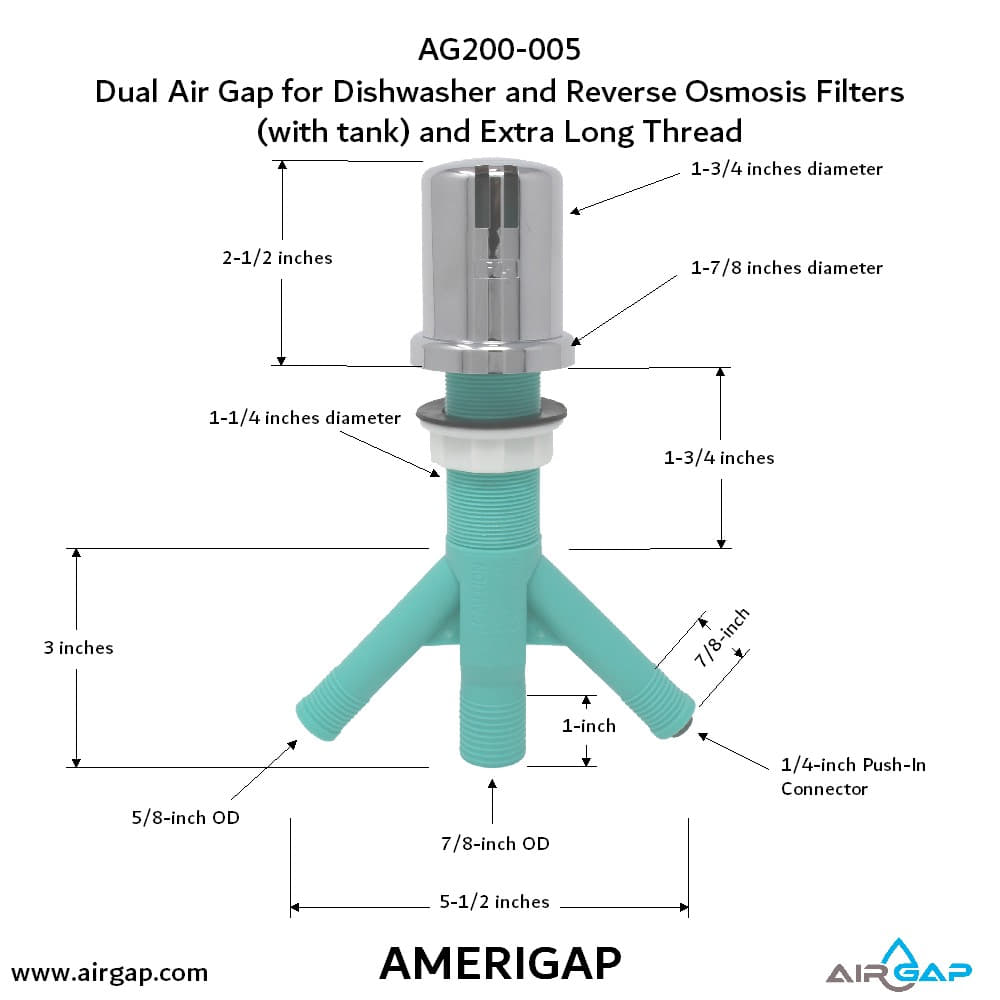
Find a suitable hole on the sink or countertop for the air gap. It usually fits into a 1.25-inch hole. If no hole exists, use a drill to make one. Insert the air gap device through this hole. Place the decorative cover on top. Tighten the mounting nut underneath to hold it firmly.
Securing The Device Properly
Connect the dishwasher drain hose to the smaller air gap inlet. Attach the larger outlet hose to the garbage disposal or sink drain. Use clamps to secure both hoses tightly. Make sure the hoses do not kink or twist. Test the connections by running the dishwasher briefly. Check for leaks and tighten if needed.
Connect Hoses To Air Gap
Connecting the hoses to the air gap is a critical step in ensuring your dishwasher drains properly and avoids any backflow issues. The air gap acts as a barrier, preventing dirty water from contaminating your dishwasher. Let’s look closely at how to attach the dishwasher drain hose and connect the other end to your garbage disposal or drain.
Attaching Dishwasher Drain Hose
Start by locating the smaller hose coming from your dishwasher. This hose will connect directly to the air gap’s inlet. Before attaching, make sure the hose is clean and free of any cracks or damage.
Push the dishwasher drain hose firmly onto the air gap’s inlet nipple. Use a hose clamp to secure it tightly. This prevents leaks and keeps the hose from slipping off during drainage.
Have you checked the hose length? It should be long enough to reach the air gap without bending sharply. Sharp bends can block water flow and cause drainage issues.
Connecting To Garbage Disposal Or Drain
The air gap outlet hose needs to connect to your garbage disposal or the sink drain. Identify the larger hose coming from the air gap’s outlet nipple.
Slide this hose onto the disposal’s inlet or the sink drain pipe. Similar to the dishwasher hose, use a hose clamp to secure it firmly. If your garbage disposal doesn’t have an inlet, you’ll need to use a branch tailpiece on your sink drain to connect the hose.
Make sure the hose runs uphill from the air gap before going down to the drain. This “high loop” helps prevent wastewater from flowing backward into the dishwasher.
Have you noticed any leaks after connecting the hoses? Tighten the clamps or adjust the hoses if needed. A secure connection is key to keeping your kitchen clean and your dishwasher running smoothly.
Credit: callwhitney.com
Seal And Test The Setup
Sealing and testing the air gap setup ensures your dishwasher works safely and efficiently. Proper sealing stops water leaks and keeps your kitchen dry. Testing confirms the air gap directs wastewater correctly.
Checking For Leaks
Look closely at all connections around the air gap. Use a dry cloth to wipe the area before testing. Turn on the water supply and watch for water drops or wet spots. Check under the sink and around hoses. Tighten any loose fittings if you see water. Ensure the air gap cap is firmly in place. A sealed setup prevents water damage and mold growth.
Running A Test Cycle
Run your dishwasher on a normal wash cycle. Watch the air gap during the cycle to see water flow. Water should flow smoothly without backing up or spilling. Listen for unusual noises that may show blockages. After the cycle, check again for leaks. A successful test means your air gap is installed correctly and working well.
Troubleshooting Common Issues
Troubleshooting common issues during air gap installation helps keep your dishwasher running smoothly. Some problems might stop water from draining properly or cause backups. Knowing how to fix these issues saves time and prevents damage.
Air Gap Clogs
Air gaps can get clogged with food particles or debris. This blockage stops water from flowing out of the dishwasher. Check the air gap cover and remove it carefully. Use a small brush or a pipe cleaner to clear any buildup inside. Run water through the air gap to ensure it drains freely. Regular cleaning prevents clogs and keeps water flowing well.
Drainage Problems
Drainage issues often happen if the hose is kinked or blocked. Inspect the hose connected to the air gap for bends or twists. Straighten the hose if needed to allow smooth water flow. Check for any debris inside the hose and clear it out. Sometimes, the dishwasher drain or garbage disposal can cause backups. Make sure these parts are clean and working correctly to avoid drainage problems.

Credit: www.amazon.com
Frequently Asked Questions
What Is An Air Gap For A Dishwasher?
An air gap prevents dirty water from flowing back into your dishwasher. It creates a physical break in the drain line to stop contamination. Installing an air gap ensures your dishwasher stays hygienic and meets local plumbing codes.
Why Is Installing An Air Gap Important?
Installing an air gap protects your dishwasher from backflow and contamination. It helps maintain clean water and prevents foul odors in your kitchen. Many local plumbing regulations require an air gap for dishwasher drainage.
How Do I Install An Air Gap Step-by-step?
To install an air gap, first turn off the water supply. Mount the air gap on the sink or countertop. Connect the dishwasher drain hose to the air gap inlet, then connect the air gap outlet to the sink drain.
Secure all connections tightly.
Can I Install An Air Gap Without Professional Help?
Yes, you can install an air gap yourself with basic tools and plumbing knowledge. Follow the manufacturer’s instructions carefully and ensure proper hose connections. If unsure, consult a professional plumber to avoid leaks or code violations.
Conclusion
Installing an air gap keeps your dishwasher safe and clean. It stops dirty water from flowing back into the machine. This small part is easy to add with basic tools. Follow the steps carefully and take your time. A well-installed air gap helps prevent clogs and odors.
It also meets plumbing rules in many areas. Remember, a little effort now saves big problems later. Keep your kitchen fresh and your dishwasher working well. Simple, smart, and worth the effort.