Are you worried about the safety of your car? Installing a car alarm can give you peace of mind and protect your vehicle from theft.
But you might be wondering, “How hard is it to install a car alarm myself? ” The good news is, you don’t need to be a tech expert to do it. In this guide, you’ll find simple, step-by-step instructions that anyone can follow.
By the end, you’ll have a reliable alarm system keeping your car safe—without spending a fortune on professional help. Ready to take control of your car’s security? Let’s get started!

Credit: device.report
Choosing The Right Car Alarm
Installing a car alarm can help protect your vehicle from theft. Picking the right alarm is important for your needs and car type.
This guide covers different alarm types, features to watch for, and how to fit your budget.
Types Of Car Alarms
Car alarms come in many forms. Some alert you with sound, while others use silent warnings.
- Audible alarms: Make loud noises to scare thieves away.
- Silent alarms: Send alerts to your phone or security company.
- Shock sensors: Trigger alarm if the car is hit or moved.
- GPS tracking: Helps find your car if it is stolen.
- Keyless entry alarms: Work with your car’s remote system.
Key Features To Look For
Not all alarms have the same features. Some features improve security and ease of use.
| Feature | Benefit |
| Two-way communication | Alerts you if alarm is triggered |
| Shock sensor | Detects impacts or attempts to break in |
| Remote start | Starts car from a distance for convenience |
| GPS tracking | Helps locate car if stolen |
| Backup battery | Works even if car battery is cut |
Budget Considerations
Car alarms come in different price ranges. Think about what fits your budget and needs.
- Basic alarms cost less but may have fewer features.
- Mid-range alarms offer good security and some extras.
- High-end alarms include GPS and remote controls.
- Installation fees can add to the cost.
- Choose an alarm that balances price and protection.
Credit: www.techwizardsolutions.co.ke
Preparing For Installation
Installing a car alarm needs good preparation. This helps the process go smoothly and safely.
Before you start, gather the right tools and learn about your vehicle’s wiring. Safety is very important.
Tools And Materials Needed
Having the correct tools makes installation easier. Make sure you have everything before you begin.
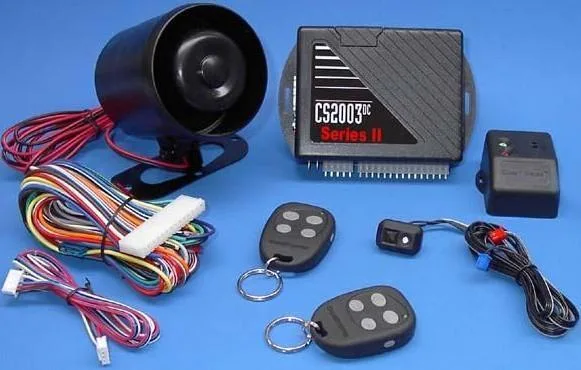
- Car alarm kit with main unit and sensors
- Wire stripper and crimper
- Electrical tape or heat shrink tubing
- Multimeter or test light
- Screwdrivers (flat and Phillips)
- Wire connectors and zip ties
- Vehicle wiring diagram (for your car model)
Safety Precautions
Safety is key when working with a car’s electrical system. Take simple steps to avoid injury.
Always disconnect the car battery before starting. Wear gloves and eye protection to guard yourself.
- Disconnect the negative battery terminal
- Work in a well-lit and ventilated area
- Keep metal tools away from battery terminals
- Do not force wires or connectors
- Follow the car alarm manual instructions carefully
Locating Vehicle Wiring
Find the right wires to connect your car alarm. Use your vehicle’s wiring diagram for help.
Common wires include power, ground, door triggers, and ignition. Check wires with a multimeter before cutting.
- Locate the fuse box and wiring harness under the dashboard
- Identify the positive and negative wires
- Find wires for door switches and ignition
- Mark wires carefully to avoid mistakes
Wiring The Car Alarm
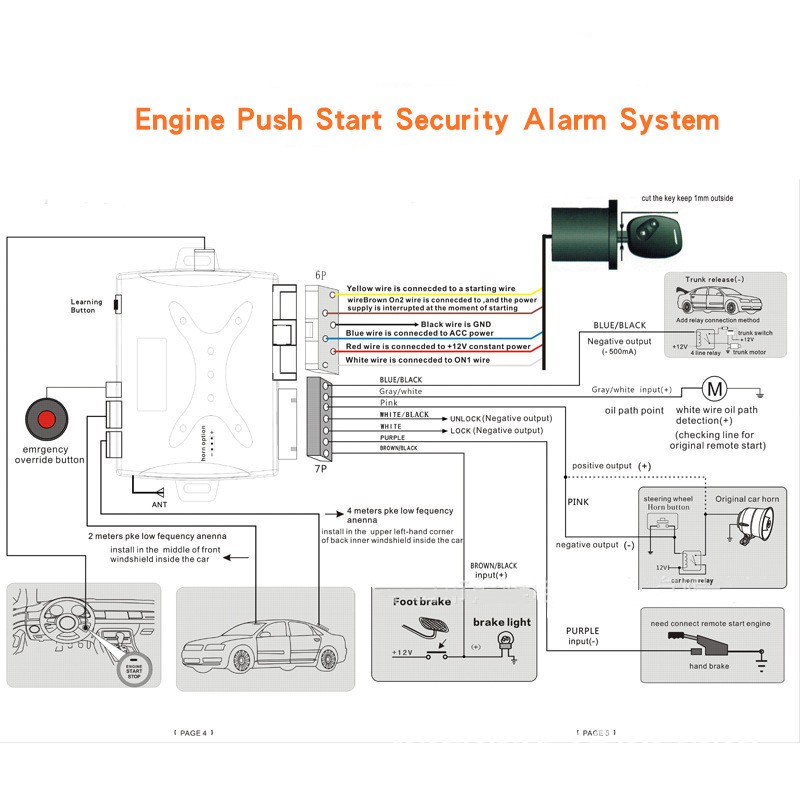
Wiring a car alarm is a key step to protect your vehicle. It involves connecting several parts carefully. This guide explains the wiring process clearly.
Follow the steps below to connect power, siren, sensors, and remote controls. Use the right tools and safety gear for a smooth installation.
Connecting The Power Source
Find the car battery’s positive and negative terminals. Connect the alarm’s power wires to these points for stable power supply.
- Use a fuse holder on the positive wire to prevent damage.
- Secure connections with wire connectors or soldering.
- Wrap wires with electrical tape to avoid shorts.
- Route wires away from hot or moving parts.
Installing The Siren
The siren warns you and others of a break-in. Connect its wires to the alarm control box carefully.
| Wire Color | Function | Connection Point |
| Red | Power | Alarm positive output |
| Black | Ground | Chassis ground |
| White | Signal | Alarm trigger output |
Hooking Up The Sensors
Sensors detect movement or door openings. Connect each sensor’s wires to the correct input on the alarm unit.
- Door sensors connect to door trigger wires.
- Shock sensors link to impact input on the control box.
- Motion sensors wire into the alarm’s sensor input.
- Check each connection with a multimeter for accuracy.
Integrating Remote Controls
Remote controls let you arm and disarm the alarm from a distance. Connect the receiver module to the control box.
Follow this wiring table for remote control connections:
| Wire | Purpose | Connection |
|---|---|---|
| Red | Power | Alarm power input |
| Black | Ground | Vehicle chassis |
| Green | Arm Signal | Arm input on alarm |
| Yellow | Disarm Signal | Disarm input on alarm |
Mounting The Alarm Components
Installing a car alarm requires careful placement of its parts. Proper mounting ensures the system works well and lasts longer.
This guide covers where to place the siren, control module, and sensors for best results.
Siren Placement Tips
Mount the siren where it can be heard clearly outside the vehicle. Avoid areas prone to water or dirt damage.
- Place the siren under the hood away from engine heat.
- Secure it with a bracket to reduce vibration noise.
- Point the siren opening downward to prevent water entry.
- Keep wires away from moving parts and sharp edges.
Control Module Location
The control module should be hidden but accessible for wiring and maintenance. Choose a dry, secure spot inside the car.
| Recommended Locations | Advantages | Notes |
|---|---|---|
| Under the dashboard | Easy to reach and wire | Keep away from pedals |
| Behind the glove compartment | Hidden from view | Check for moisture |
| Under the seat | Out of sight | Secure to prevent movement |
Sensor Installation
Install sensors where they can detect motion or impact quickly. Avoid placing them near vents or moving parts.
- Door sensors go inside door frames for proper contact.
- Shock sensors should be mounted on the car’s frame or body.
- Motion sensors need a clear view inside the car cabin.
- Check sensor wiring for tight connections and no damage.
Testing The Alarm System
Testing the car alarm system is important to make sure it works right. This step helps find problems early.
Follow simple checks to confirm the alarm responds to triggers. This keeps your car safe.
Performing Initial Checks
Start by checking all alarm parts are connected well. Look at wires, sensors, and the control unit.
Test the alarm by locking the car and opening doors or windows. The alarm should sound immediately.
- Check battery power to the alarm unit
- Ensure sensors are mounted correctly
- Confirm remote control works properly
- Test alarm triggers like door and shock sensors
Troubleshooting Common Issues
If the alarm does not sound, check the fuse and wiring connections. Loose wires often cause problems.
False alarms may happen if sensors are too sensitive or installed near strong vibrations.
- Replace blown fuses and secure loose wires
- Move sensors away from engine or exhaust heat
- Check for interference from other devices
- Reset the alarm system if it acts strange
Adjusting Sensitivity Settings
Change the alarm sensitivity to avoid false triggers. Most alarms have adjustable settings.
Start with medium sensitivity and test the alarm. Increase or decrease based on how it reacts.
- Use the control panel or remote to adjust sensitivity
- Lower sensitivity if alarm triggers too easily
- Raise sensitivity if alarm misses real threats
- Test each change before finalizing settings

Credit: www.r3vlimited.com
Maintaining Your Car Alarm
Keeping your car alarm in good shape helps protect your vehicle. Regular care stops problems early.
Check your alarm often to make sure it works well. Fix small issues before they grow.
Regular System Checks
Test your car alarm every month. Press the remote to see if the alarm sounds and the lights flash.
- Check all sensors for dirt or damage
- Make sure the siren is loud and clear
- Inspect wiring for loose or worn parts
- Verify the remote control batteries
Battery Replacement
Car alarm batteries lose power over time. Replace them to keep the system active.
| Battery Type | Average Life | Replacement Tip |
| 9V Battery | 6-12 months | Check expiration date |
| Button Cell | 12-18 months | Use correct size |
| Rechargeable Battery | 2-3 years | Charge regularly |
Upgrading Alarm Features
New alarm features add extra security and ease of use. Upgrade to improve protection.
Common upgrades include:
- Remote start for easy engine control
- Smartphone alerts for real-time notifications
- Shock sensors to detect impacts
- GPS tracking for location tracking
Frequently Asked Questions
What Tools Are Needed To Install A Car Alarm?
You need wire strippers, screwdrivers, a multimeter, electrical tape, and a drill. These tools help connect wires and secure the alarm system safely.
How Long Does It Take To Install A Car Alarm?
Installation typically takes 2 to 4 hours. Time varies by car model and alarm complexity. Proper wiring and testing ensure the system works perfectly.
Can I Install A Car Alarm Myself?
Yes, with basic electrical knowledge and tools, you can install it. Follow the alarm’s manual carefully to avoid wiring mistakes and ensure security.
Where Should I Place The Car Alarm’s Main Unit?
Place it under the dashboard or inside the engine compartment. Choose a hidden, dry, and secure spot to prevent tampering and protect from weather.
Conclusion
Installing a car alarm can boost your vehicle’s safety. Follow each step carefully for best results. Take your time to connect wires correctly and test the system. A working alarm can deter thieves and give peace of mind. Remember, patience and attention help avoid mistakes.
Enjoy the extra security your car alarm provides every day.