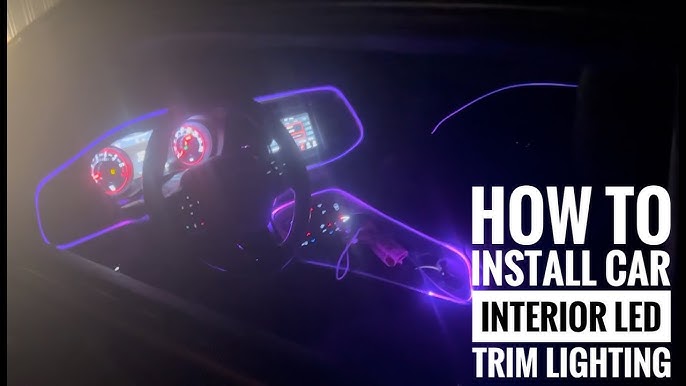
Are you looking to give your car’s interior a fresh, modern look? Installing LED lights inside your vehicle is one of the easiest and most affordable ways to do just that.
Imagine stepping into a car that glows with soft, vibrant colors every time you open the door. Sounds exciting, right? In this guide, you will learn exactly how to install car interior LED lights step-by-step, even if you have no prior experience.
By the end, you’ll know how to transform your car’s atmosphere and impress everyone who rides with you. Keep reading, because your car makeover starts here!

Credit: www.chevymalibuforum.com
Choosing The Right Led Lights
Installing LED lights inside your car can improve its look and visibility. Picking the right lights is very important for a good result.
This guide helps you understand the main points to consider before buying car interior LED lights.
Types Of Car Interior Leds
There are many types of LED lights for car interiors. Each type fits different needs and places inside the car.
- Strip lights are flexible and easy to install in tight spaces.
- Bulb replacements fit into existing light sockets for quick upgrades.
- Panel lights offer wide, even lighting for larger areas.
- Spotlights focus light on a small area for reading or detail work.
Color Options And Brightness
LED lights come in many colors and brightness levels. Choosing the right color and brightness sets the mood inside your car.
| Color | Best Use | Notes |
| White | General lighting | Bright and clear for visibility |
| Blue | Cool, modern look | Can be calming but less bright |
| Red | Night driving | Red light preserves night vision |
| Green | Relaxing atmosphere | Easy on the eyes |
Quality And Durability Factors
Good quality LED lights last longer and work better. Look for features that prove strength and reliability.
- Check if the LEDs have a waterproof rating for protection against moisture.
- Look for flexible wiring that resists bending and breaking.
- Choose lights with a long lifespan rating to avoid frequent replacements.
- Find options with good heat dissipation to prevent overheating.
Tools And Materials Needed
Installing car interior LED lights is a simple project. You need the right tools and materials to do it well. This guide shows what you need before you start.
Gathering everything helps avoid delays and ensures a smooth installation process.
Essential Tools For Installation
These tools make the installation safe and easy. You likely have many of them at home.
- Screwdrivers (flat and Phillips head)
- Wire cutters and strippers
- Electrical tape
- Multimeter for testing electrical connections
- Panel removal tool to avoid damage
- Heat gun or hair dryer for heat shrink tubing
Additional Supplies
Besides tools, you need materials to connect and secure the LED lights inside the car.
| Material | Purpose | Notes |
| LED light strips | Provide interior lighting | Choose flexible strips with adhesive backing |
| Wire connectors | Join wires securely | Use insulated connectors for safety |
| Fuse holder and fuse | Protect electrical circuit | Match fuse rating to LED specifications |
| 12V power source | Supply power to LEDs | Use switched power to avoid battery drain |
| Zip ties | Organize and secure wires | Prevent loose wiring and rattling |
Preparing Your Car Interior
Before installing LED lights inside your car, you need to prepare the space well. Good preparation helps the lights stick better and work safely.
Cleaning and finding power sources are important steps. These make sure your installation is neat and your lights get power correctly.
Cleaning The Installation Area
Clean the parts of your car where you want to put the LED lights. Dirt and dust can stop the lights from sticking well.
Use a soft cloth and some rubbing alcohol or mild cleaner. Wipe the area until it is dry and free of grease or dust.
- Remove any dust with a dry cloth first
- Apply rubbing alcohol to a cloth and wipe the surface
- Wait for the area to dry completely before installing lights
Locating Power Sources
Find a good power source in your car for the LED lights. Common options include the fuse box or the car battery.
Make sure the power source matches your LED lights’ voltage. This prevents damage and keeps the lights working well.
- Check your car manual for fuse box locations
- Look for a 12V source if your LEDs need 12 volts
- Use a test light or multimeter to confirm power availability
- Consider using a fuse tap for safe wiring

Credit: www.amazon.com
Wiring And Electrical Setup
Installing LED lights inside your car needs careful wiring and electrical setup. Proper connections keep the lights working well and safe.
Follow clear steps to connect the LED lights to the car’s power system. This guide explains wiring basics and safety tips.
Connecting To The Power Supply
Find a power source to connect the LED lights. Most use the car battery or fuse box. Choose a spot with constant or switched power.
Use the positive wire from the LED lights to connect to the power source. The negative wire should attach to a good ground point on the car.
- Locate the fuse box or battery terminals.
- Use a test light to find a 12V power supply.
- Connect the LED positive wire to the power.
- Attach the negative wire to metal parts of the car.
Using A Fuse Tap
A fuse tap makes it easy to add LED lights without cutting wires. It plugs into a fuse slot and draws power safely.
Choose the correct fuse tap size for your fuse box. Connect the LED power wire to the fuse tap and insert it into the slot.
- Pick a fuse slot with power you need.
- Remove the original fuse and insert it into the fuse tap.
- Insert the fuse tap into the slot.
- Connect the LED positive wire to the fuse tap’s wire.
Ensuring Safety And Secure Connections
Secure all wiring to prevent loose connections. Loose wires can cause shorts or damage your car’s electrical system.
Use electrical tape or heat shrink tubing to cover exposed wires. Check connections with a tester before finalizing the setup.
- Twist wires tightly before connecting.
- Use wire connectors or solder joints.
- Cover exposed wires with tape or tubing.
- Keep wires away from moving parts or heat.
- Test the lights before closing panels.
Installing The Led Strips
Installing LED strips inside your car can improve the look and feel of the interior. It is important to place the lights carefully for the best effect and safety.
This guide will help you install LED strips by measuring, cutting, mounting, and securing them properly.
Measuring And Cutting Led Strips
Measure the areas where you want to place the LED strips. Use a tape measure to get the exact length needed.
Cut the LED strips only at the marked cutting points. These points are usually shown as small lines or scissors icons on the strip.
- Measure twice to avoid mistakes
- Cut only on marked spots
- Use sharp scissors or a blade for a clean cut
Mounting Techniques
Clean the mounting area before attaching the LED strips. Dust or dirt can prevent the strips from sticking well.
Peel off the backing from the adhesive on the LED strips. Press the strip firmly to the surface to ensure good contact.
- Use alcohol wipes to clean surfaces
- Apply even pressure when mounting
- Consider using clips or brackets for extra support
Securing The Lights In Place
After mounting, secure the LED strips with extra tape or zip ties if needed. This helps prevent the strips from falling off when driving.
Check the connections to make sure wires are tight and not loose. Use wire clips or electrical tape to organize and protect the wires.
- Use double-sided tape for extra hold
- Zip ties keep wires neat and safe
- Test the lights before finalizing installation

Credit: www.amazon.com
Testing And Troubleshooting
After installing car interior LED lights, testing them is important. It ensures the lights work correctly and safely. Troubleshooting helps fix common problems if the lights do not turn on or behave oddly.
This guide covers how to test your LED lights at first power-on and how to solve typical issues. Follow these steps to enjoy bright and reliable interior lighting.
Initial Power-on Test
Turn on your car’s power and check the LED lights carefully. Make sure all strips or bulbs light up evenly. Look for any flickering, dim spots, or color changes.
- Switch on the car’s ignition or accessory mode.
- Observe the LED lights for steady illumination.
- Check the brightness and color match across all lights.
- Listen for any unusual sounds from the wiring or controller.
- Turn the lights off and on again to test the switch function.
If the lights do not turn on, check the power source and fuse before moving to troubleshooting.
Common Issues And Fixes
| Issue | Possible Cause | How to Fix |
|---|---|---|
| LEDs do not light up | Loose connection or blown fuse | Secure all wires and replace fuse if needed |
| Lights flicker or flash | Bad ground or unstable power | Check ground wire and use a voltage stabilizer |
| Color is uneven or wrong | Incorrect wiring or damaged LEDs | Verify wiring order and replace damaged parts |
| Remote or switch not working | Dead batteries or faulty remote | Replace batteries or reset the remote |
Customizing And Controlling Leds
Installing car interior LED lights lets you change the look of your vehicle. You can control colors and brightness to suit your style.
There are easy ways to manage the lights using remote controls or smartphone apps. Some setups even sync lights with music and car actions.
Remote Controls And Apps
Most LED kits come with a remote control. You can turn lights on or off and change colors with simple buttons.
Apps let you control lights from your phone. They offer more options like color choices, brightness, and light patterns.
- Remote controls work without Wi-Fi
- Apps provide many color options
- Apps can save your favorite settings
- Remotes are easy to use while driving
Syncing With Music And Car Functions
Some LED lights can change color and flash with your music. This creates a fun and lively atmosphere inside your car.
Other systems connect with car functions like door opening or engine start. The lights react to these actions automatically.
- Music sync uses the car’s audio system
- Lights flash or change with beats
- Car function sync triggers on events
- Syncing adds a dynamic look
Maintenance Tips
Keeping your car interior LED lights in good shape helps them last longer. Regular care prevents damage and keeps them bright.
Simple maintenance tasks can save you time and money on repairs. Follow these tips to maintain your LED lights properly.
Cleaning Your Led Lights
Dust and dirt can reduce the brightness of your LED lights. Clean them gently to avoid scratching or damaging the surface.
Use a soft cloth and mild cleaner to wipe the lights. Avoid using harsh chemicals or abrasive materials.
- Turn off the LED lights before cleaning
- Use a microfiber cloth for wiping
- Dampen the cloth with water or mild soap
- Do not spray cleaner directly on the lights
- Dry the lights thoroughly after cleaning
Replacing Faulty Components
If your LED lights flicker or do not turn on, some parts may be faulty. Replacing these parts restores proper function.
Check wiring, connectors, and the LED strips themselves. Replace any damaged or worn parts with compatible ones.
- Disconnect the power before handling components
- Inspect wires for cuts or loose connections
- Replace broken LED strips or bulbs
- Use correct replacements to match your system
- Test the lights after replacement to ensure they work
Frequently Asked Questions
How Do I Install Car Interior Led Lights Safely?
To install LED lights safely, disconnect your car battery first. Use proper connectors and avoid cutting factory wires. Follow the instructions carefully and test the lights before finalizing the setup.
What Tools Are Needed For Car Interior Led Installation?
You need a wire stripper, electrical tape, connectors, and a screwdriver. Optional tools include a multimeter to check voltage and a heat gun for wire insulation.
Can I Install Led Lights Without Professional Help?
Yes, installing LED lights is DIY-friendly with basic electrical knowledge. Follow step-by-step guides and safety tips to avoid damage or injury.
How Do I Choose The Right Led Lights For My Car Interior?
Pick LED lights based on color preference, brightness, and compatibility. Choose flexible strips for easy installation and ensure they fit your car’s power output.
Conclusion
Installing car interior LED lights can brighten your driving experience. The process is simple and cost-effective. Choose the right lights and tools before you start. Follow safety steps to avoid any issues. Take your time connecting wires carefully. Test the lights to ensure they work well.
A well-lit car interior looks stylish and feels comfortable. Small upgrades like these add value to your vehicle. Now, enjoy your new glowing car space every time you drive.