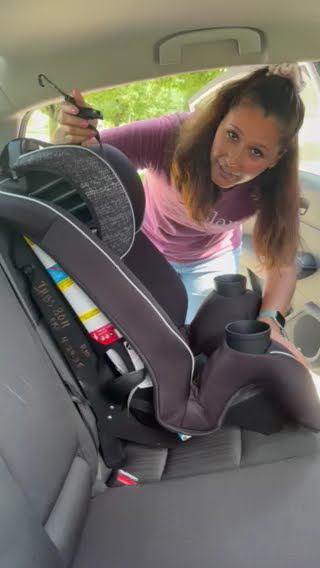
Your car seat belt is one of the most important safety features in your vehicle. But do you know how to install it properly?
Getting it right can protect you and your loved ones in case of an accident. If you want to feel confident and secure every time you drive, learning how to install your car seat belt correctly is a must. This guide will walk you through simple, step-by-step instructions that anyone can follow.
Stick with me, and by the end, you’ll have the skills to keep yourself and your passengers safer on the road.

Credit: www.youtube.com
Choosing The Right Seat Belt
Choosing the right car seat belt is very important for safety. A good seat belt protects you in case of an accident.
There are different types of seat belts. You should know which one fits your car and your needs.
Types Of Car Seat Belts
There are three common types of car seat belts. Each type offers different levels of protection and comfort.
- Lap Belts:These go over your hips and keep the lower body secure.
- Three-Point Belts:These have a strap over the shoulder and lap, offering full upper and lower body protection.
- Five-Point Harnesses:Used mainly in child seats, they secure the shoulders, hips, and between the legs.
The three-point belt is the most common for adult passengers. It helps reduce injury in crashes.
Safety Standards To Look For
Look for seat belts that meet safety standards. These rules ensure the seat belt works well in crashes.
- FMVSS 209:This U.S. standard tests the strength and durability of seat belts.
- ECE R16:This European standard covers seat belt design and performance.
- ISOFIX Compatibility:This standard helps secure child seats with built-in connectors.
Always check the label or product details to confirm these safety marks before buying a seat belt.

Credit: www.britax.ca
Tools Needed For Installation
Installing a car seat belt requires the right tools. Using the right tools helps ensure safety and accuracy.
Below are lists of basic and optional tools you might need for this task.
Basic Tools Checklist
These tools are essential for any car seat belt installation. They help secure the seat belt properly.
- Screwdrivers (Phillips and flathead)
- Adjustable wrench
- Socket set
- Tape measure
- Marker or pencil
Optional Tools For Convenience
These tools can make the installation process smoother. They are not necessary but can be helpful.
- Torque wrench
- Flashlight
- Trim removal tool
- Magnetic parts tray
- Protective gloves
Preparing Your Vehicle
Before installing a new car seat belt, you must prepare your vehicle carefully. This ensures a safe and correct installation.
Focus on cleaning the installation area and removing old seat belt parts. This makes the new seat belt fit properly and work well.
Cleaning The Installation Area
Clear dirt, dust, and grease from the seat belt mounting points. This helps bolts and screws hold tight. Use a clean cloth and mild cleaner.
- Wipe the mounting area with a damp cloth
- Use a brush to remove stuck debris
- Dry the area fully before installing
- Check for rust or damage on metal parts
- Apply rust remover if needed and let it dry
Removing Old Seat Belt Components
Remove old seat belt parts carefully to avoid damage. Keep track of bolts and screws for reuse or disposal.
| Component | Action | Tool Needed |
|---|---|---|
| Buckle | Unscrew and detach from the seat | Socket wrench |
| Belt retractor | Remove bolts and pull out the unit | Ratchet set |
| Anchor points | Check for leftover parts and clean | Cleaning cloth |
Step-by-step Installation Guide
Installing a car seat belt correctly is important for safety. Follow this guide to fit your seat belt with ease.
This guide shows simple steps to mount and check your seat belt. Take your time and work carefully.
Mounting The Seat Belt Buckle
Find the mounting point near the car seat. Use the bolt to attach the seat belt buckle securely.
Make sure the buckle is tight and does not move. This keeps the belt strong in case of a crash.
Attaching The Retractor Mechanism
Locate the retractor slot inside the car frame. Slide the retractor mechanism into place firmly.
Use the correct screws to fix the retractor. Check that the belt rolls out and pulls back smoothly.
Securing The Shoulder Strap
Attach the shoulder strap to the upper mounting point. Adjust the strap length to fit comfortably.
Ensure the strap is not twisted. It should lie flat across your chest and shoulder for safety.
- Check for any twists or folds
- Adjust the height if adjustable
- Secure all bolts tightly
Testing The Seat Belt Functionality
Pull the seat belt out fully and let it retract. It should move smoothly without sticking.
Click the buckle to lock the belt. Pull gently to make sure it stays locked firmly.
- Pull belt out and retract several times
- Check buckle locks and releases easily
- Ensure no loose parts or noises
Common Installation Mistakes
Installing a car seat belt needs care and attention. Small mistakes can reduce its safety. Knowing common errors helps you avoid them.
This guide shows common installation mistakes and how to fix them. Follow these tips for a safer car seat belt setup.
Incorrect Bolt Tightening
Bolt tightening is key for seat belt safety. Too loose bolts can cause the belt to fail in a crash. Too tight bolts may damage parts.
- Use a torque wrench to get the right tightness.
- Check the car manual for the correct torque value.
- Avoid over-tightening to protect the seat belt and car frame.
- Recheck bolt tightness after installation and after some driving.
Misalignment Issues
Misaligned seat belts reduce comfort and safety. The belt should lie flat and not twist. Wrong angles can cause injury during an accident.
| Common Misalignment | Effect | Fix |
| Twisted Belt | Reduces strength | Straighten belt fully before locking |
| Wrong Anchor Position | Discomfort and poor restraint | Adjust anchor points as per instructions |
| Loose Webbing | Excess slack in belt | Tighten webbing properly |
Ignoring Manufacturer Instructions
Manufacturer instructions are made for safety and fit. Ignoring them can cause serious risks. Always read and follow these instructions carefully.
Key points from instructions usually include:
- Proper bolt size and torque
- Correct seat belt routing
- Placement of anchors and locking mechanisms
- Maintenance and inspection tips
Maintaining Your Seat Belt
Keeping your car seat belt in good shape is very important for safety. Regular care helps it work well every time you drive.
This guide covers simple ways to check, clean, and know when to replace your seat belt.
Regular Inspections
Look at your seat belt often to find any problems early. Check the webbing for cuts or frays. Make sure the buckle clicks and releases easily. Check the retractor to see if it pulls out and retracts smoothly.
- Inspect the belt fabric for tears or wear.
- Test the buckle for secure locking and easy release.
- Watch the retractor for smooth movement.
- Look for dirt or sticky spots on the belt.
Cleaning Tips
Clean your seat belt gently to keep it working well. Use mild soap and warm water. Avoid harsh chemicals that can weaken the fabric. Let the belt air dry fully before use.
| Cleaning Step | Details |
|---|---|
| Prepare Solution | Mix mild soap with warm water |
| Wipe Belt | Use soft cloth to clean the webbing gently |
| Rinse | Remove soap with clean damp cloth |
| Dry | Hang belt to air dry; do not use heat |
When To Replace Your Seat Belt
Replace your seat belt if it shows any damage or does not work properly. Also, change it after a serious crash, even if there are no clear signs of damage.
- Replace if webbing is cut, frayed, or faded.
- Replace if buckle does not lock or release correctly.
- Replace if the retractor is sticky or slow.
- Replace after an accident to ensure safety.

Credit: chicco.ca
Frequently Asked Questions
How Do I Install A Car Seat Belt Safely?
To install a car seat belt safely, read the vehicle manual first. Align the belt with mounting points. Use the correct bolts and tighten firmly. Test the belt for proper locking and smooth retraction. Always double-check your work for safety.
What Tools Are Needed For Car Seat Belt Installation?
Common tools include a socket wrench, screwdriver, and torque wrench. A vehicle manual helps identify specific bolt sizes. Always use proper safety gear like gloves. Having the right tools ensures a secure and efficient installation process.
Can I Install A Seat Belt Without Professional Help?
Yes, you can install a seat belt yourself if you follow instructions carefully. Use the vehicle manual for guidance. Ensure all bolts are tight and the belt locks properly. If unsure, seek professional help to ensure safety.
How Do I Know If The Seat Belt Is Installed Correctly?
A correctly installed seat belt locks firmly and retracts smoothly. Check for loose bolts and proper alignment. The belt should fit snugly without twists. Always test the locking mechanism before driving.
Conclusion
Installing a car seat belt is simpler than it seems. Follow each step carefully and take your time. Always double-check the fit and tightness for safety. A properly installed seat belt protects you and your passengers. Regularly inspect the belt for wear or damage.
Remember, safety starts with the right installation. Drive with confidence knowing your seat belt works well. Stay safe on every trip.