Are you tired of your car seats looking worn out or stained? Installing car seat covers is a simple and affordable way to give your vehicle’s interior a fresh, new look.
But if you’ve never done it before, the process might seem tricky. Don’t worry—you’re about to learn exactly how to install car seat covers quickly and easily. By the end of this guide, you’ll have your seats protected and looking great, making every drive more comfortable and stylish.
Ready to transform your car’s interior? Let’s get started!

Credit: www.youtube.com
Choosing The Right Seat Covers
Picking the right seat covers makes your car look better. It also protects your seats from wear and tear.
Think about the material, size, and if they fit your car model before buying seat covers.
Materials And Styles
Seat covers come in many materials like leather, fabric, and neoprene. Each has its own feel and look.
Styles range from simple to sporty. Choose one that matches your car’s interior and your taste.
- Leather: Easy to clean and looks classic
- Fabric: Soft and breathable for comfort
- Neoprene: Water-resistant and durable
- Mesh: Good for ventilation and hot weather
Measuring Your Seats
Measure your seats before buying covers. This helps you get the right size and fit.
Use a tape measure to check the height, width, and depth of your seats.
- Measure seat back height from bottom to top
- Measure seat width from side to side
- Measure seat depth from front to back
- Don’t forget to measure armrests and headrests if covered
Compatibility With Car Models
Not all seat covers fit every car. Check if the covers match your car model.
Look for seat covers designed for your make and model for the best fit and look.
- Check if covers fit bucket or bench seats
- Confirm covers work with side airbags if present
- Look for custom-fit covers for luxury or sports cars
- Universal covers work for many cars but may fit loosely
Preparing Your Car Seats
Before installing car seat covers, you need to prepare your seats properly. This step makes sure the covers fit well and last longer.
Preparing involves cleaning, removing parts, and checking seat settings. Taking time here makes the job easier.
Cleaning And Vacuuming
Clean your car seats to remove dirt and dust. This helps the covers stick better and look nice.
Use a vacuum cleaner to take out crumbs and debris. Wipe the seats with a damp cloth to remove stains.
- Vacuum seat crevices thoroughly
- Use a soft brush for tough dirt
- Wipe with a mild cleaning solution
- Let seats dry completely before covering
Removing Headrests
Take off the headrests to fit the seat covers easily. This step prevents wrinkles and loose fabric.
Most headrests pull straight up to remove. Check your car manual if you need help.
- Pull headrest straight upward
- Press release buttons if present
- Keep headrests safe while working
- Reinstall after seat covers are fitted
Checking Seat Adjustments
Make sure your seat is in the right position before installing covers. Adjustments affect how the cover fits.
Move the seat forward, backward, and tilt it. This helps you see if the cover will fit all positions.
- Slide seat fully forward and backward
- Adjust seatback angle
- Check seat height if adjustable
- Note any seat controls to avoid cover blocking
Installing Seat Covers Step-by-step
Installing car seat covers can protect your seats and improve the car’s look. This guide helps you install seat covers easily. Follow each part carefully for a good fit.
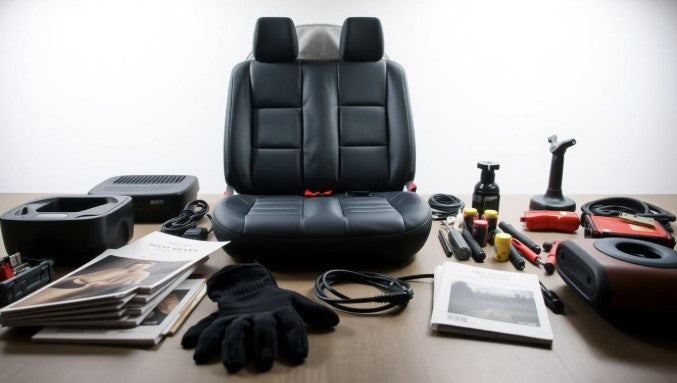
Make sure you have the covers and tools ready. Clean your seats before starting. Let’s begin with positioning the covers.
Positioning The Covers
Start by placing the seat cover over the car seat. Pull the cover down so it fits snugly. Adjust the cover to match the seat shape. Check that the seams align with the seat edges.
- Place the cover on the top of the seat back
- Pull it down over the seat bottom
- Smooth out wrinkles by hand
- Check for any loose or hanging parts
Securing Straps And Hooks
Most seat covers have straps and hooks to hold them in place. Attach these under the seat carefully. Tighten the straps to keep the cover from moving. Use hooks to lock the cover under the seat frame.
| Type | How to Secure |
|---|---|
| Elastic Straps | Stretch under the seat and hook on metal bars |
| Plastic Hooks | Clip into seat frame or metal loops |
| Velcro Straps | Wrap around seat frame and press firmly |
Reattaching Headrests
Remove the headrests before fitting covers if needed. After the cover is secured, push the headrest poles back through the cover holes. Adjust the cover around the headrest posts. Make sure the headrests lock into place firmly.
Tips for headrest reattachment:
- Align cover holes with headrest poles
- Push poles down slowly to avoid tearing cover
- Check for a tight fit around the headrest base
Ensuring A Perfect Fit
Installing car seat covers correctly helps protect your seats and improve comfort. A perfect fit keeps the covers tight and wrinkle-free. Follow simple steps to get the best result.
Careful adjustment avoids slipping and keeps the covers safe. Use the tips below to smooth wrinkles, adjust comfort, and check safety features.
Smoothing Wrinkles
Wrinkles make seat covers look messy and can cause discomfort. Smooth them out by pulling the cover tight and securing all fasteners. Use your hands to press the fabric flat.
- Start from the top and work downwards
- Pull the cover over the edges firmly
- Tuck excess fabric into seat crevices
- Check all sides for loose areas
- Adjust straps or hooks to hold tightly
Adjusting For Comfort
Comfort depends on how the seat cover fits your body shape. Make small adjustments to avoid pressure points or loose areas. Test the seat by sitting and moving around.
| Adjustment Area | What to Check | Action |
|---|---|---|
| Seat Bottom | Is the cover flat and snug? | Tighten straps and smooth fabric |
| Backrest | Does it support your back well? | Shift cover for better alignment |
| Headrest | Is the cover secure and comfortable? | Adjust or remove if needed |
| Armrests | Does the cover fit without bunching? | Smooth fabric and fix loose spots |
Checking Safety Features
Seat covers must not block airbags or seat belts. Check all safety features after installation. Make sure covers do not interfere with seat functions.
- Locate side airbag tags on seat covers
- Ensure covers allow airbag deployment
- Test seat belt operation with cover on
- Confirm no fabric blocks seat adjustments
- Replace covers that hinder safety features
Maintaining Your Seat Covers
Keeping your car seat covers clean helps them last longer. Proper care protects the fabric and keeps your car looking nice.
Regular maintenance prevents damage and keeps your covers fresh. Follow simple steps to take care of your seat covers.
Cleaning Tips
Clean your seat covers often to remove dirt and stains. Use a vacuum to pick up dust and crumbs before washing.
Use mild soap and warm water for spot cleaning. Avoid harsh chemicals that can damage the fabric or color.
- Vacuum covers weekly to remove dirt
- Spot clean stains with mild soap
- Air dry covers to prevent shrinking
- Follow washing instructions on the label
Repairing Minor Damage
Fix small tears or loose threads quickly. Use a needle and thread to sew minor rips before they get worse.
For holes, patch the area with fabric glue or an iron-on patch. This helps stop damage from spreading.
- Sew small tears to prevent bigger rips
- Use fabric glue for minor holes
- Iron-on patches work well on durable fabrics
- Check covers regularly for damage
When To Replace Covers
Replace seat covers if they are too worn or damaged. Old covers can affect comfort and car appearance.
Look for signs like large tears, fading, or bad odors. These mean it is time for new covers.
- Large tears or holes that cannot be fixed
- Faded or discolored fabric
- Unpleasant smells that won’t go away
- Loose covers that no longer fit well
Credit: alexcar.com

Credit: www.youtube.com
Frequently Asked Questions
How Do I Choose The Right Car Seat Covers?
Choose seat covers based on your car model, seat size, and material preference. Consider durability, comfort, and style. Check compatibility with airbags and seat features for safety and functionality.
What Tools Are Needed To Install Seat Covers?
Most seat covers require no special tools. Common tools include a flathead screwdriver and pliers. Some covers come with installation kits or hooks for easy attachment.
Can I Install Car Seat Covers Myself?
Yes, most car seat covers are designed for DIY installation. Follow the manufacturer’s instructions carefully. Take your time to ensure a snug, secure fit without damaging the seats.
How Long Does It Take To Install Seat Covers?
Installation typically takes 20 to 40 minutes per seat. Time varies with cover type and seat complexity. Proper fitting is key to avoid wrinkles and ensure durability.
Conclusion
Installing car seat covers is simple with the right steps. Begin with gathering necessary tools and covers. Follow the instructions for a perfect fit. Secure each cover tightly to prevent slipping. Check the covers regularly for proper placement. This ensures safety and comfort.
A little effort goes a long way in protecting your car seats. Plus, it adds a touch of personal style. Now, you can enjoy a fresh, clean interior. Happy driving!