Are you ready to beat the heat and make your home more comfortable? Installing a central air conditioner might seem complicated, but with the right steps, you can do it yourself and save money.
Imagine coming home to cool, fresh air every day—no more sweating through hot summers. In this guide, you’ll discover simple, clear instructions that anyone can follow. By the end, you’ll feel confident and ready to improve your living space. Let’s dive in and get your home cool and comfortable!
Preparing For Installation
Choosing the right unit means matching the size to your space. A unit too big or small wastes energy and money. Check the cooling capacitymeasured in BTUs. Consider energy efficiency ratings like SEER for savings.
Gather tools such as screwdrivers, wrenches, wire strippers, and a drill. Having everything ready saves time. Safety gear like gloves and goggles is important too.
Check if your home’s electrical system can handle the new air conditioner. Look at voltage, amperage, and breaker size. Upgrading wiring or breakers may be needed for safety and performance.
Credit: lifetimeheating.com
Setting Up The Outdoor Unit
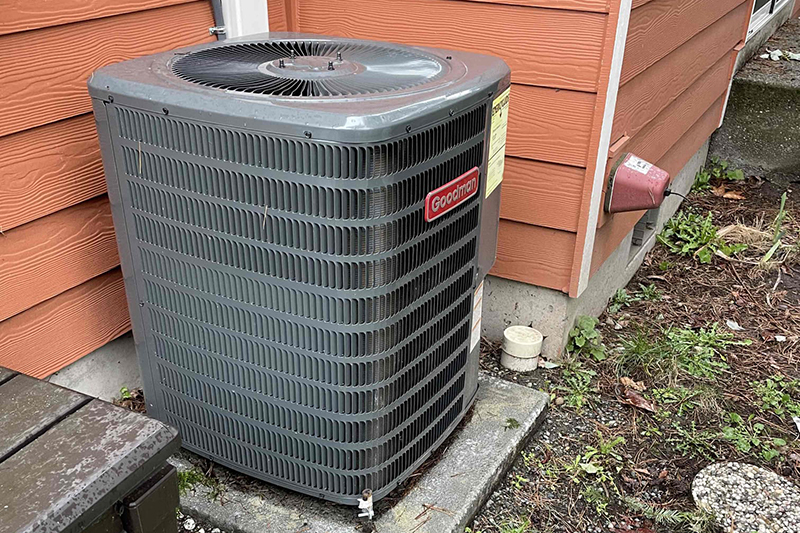
Choose a flat, stable spot away from direct sunlight and heavy wind. Ensure the area has enough space for air to flow freely around the unit. Avoid placing the unit near windows or doors to reduce noise disturbance.
The condenser pad must be solid and level. Use a concrete or plastic pad made for outdoor units. This pad prevents the unit from sinking and keeps it off the ground to avoid water damage.
- Secure the unit to the pad using bolts or screws.
- Check that the unit is level to ensure proper operation.
- Leave space around the unit for maintenance and airflow.
- Connect the electrical wiring according to the manufacturer’s instructions.
Installing The Indoor Unit
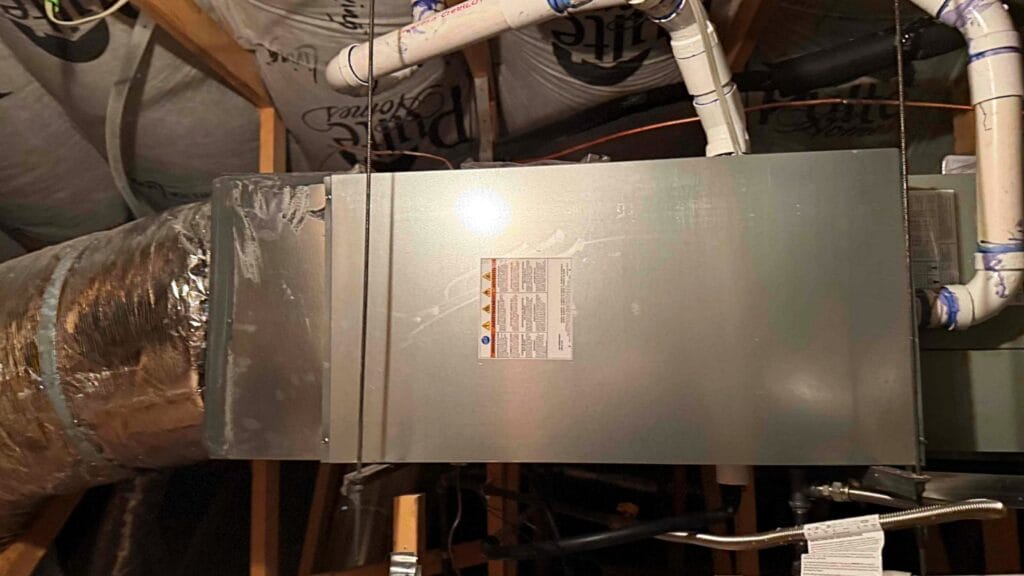
The air handlershould be placed in a central spot inside the house. It must allow easy access for maintenance and repairs. Choose a location near existing ductwork to reduce installation time and cost.
Secure the air handler to a solid surface like a floor or wall. Use mounting bracketsor straps to hold it firmly in place. Ensure it is level to avoid noise and wear.
Connect the ductwork to the air handler’s supply and return openings. Use sheet metal screwsand duct tape to seal joints. Proper sealing prevents air leaks and improves efficiency.
| Task | Key Points |
|---|---|
| Locating the Air Handler | Central location, easy access, near ductwork |
| Mounting the Air Handler | Secure firmly, use brackets, keep level |
| Connecting the Ductwork | Seal joints, use screws and tape, avoid leaks |
Connecting Refrigerant Lines
Measure the refrigerant lines carefully before cutting. Use a pipe cutter for clean cuts. Avoid bending or damaging the copper tubing during this step.
Flare fittings connect the refrigerant lines securely. Use a flaring tool to shape the ends properly. Apply refrigerant oil to the flare to help seal the joint tightly. Tighten the fittings by hand, then use a wrench for a firm seal.
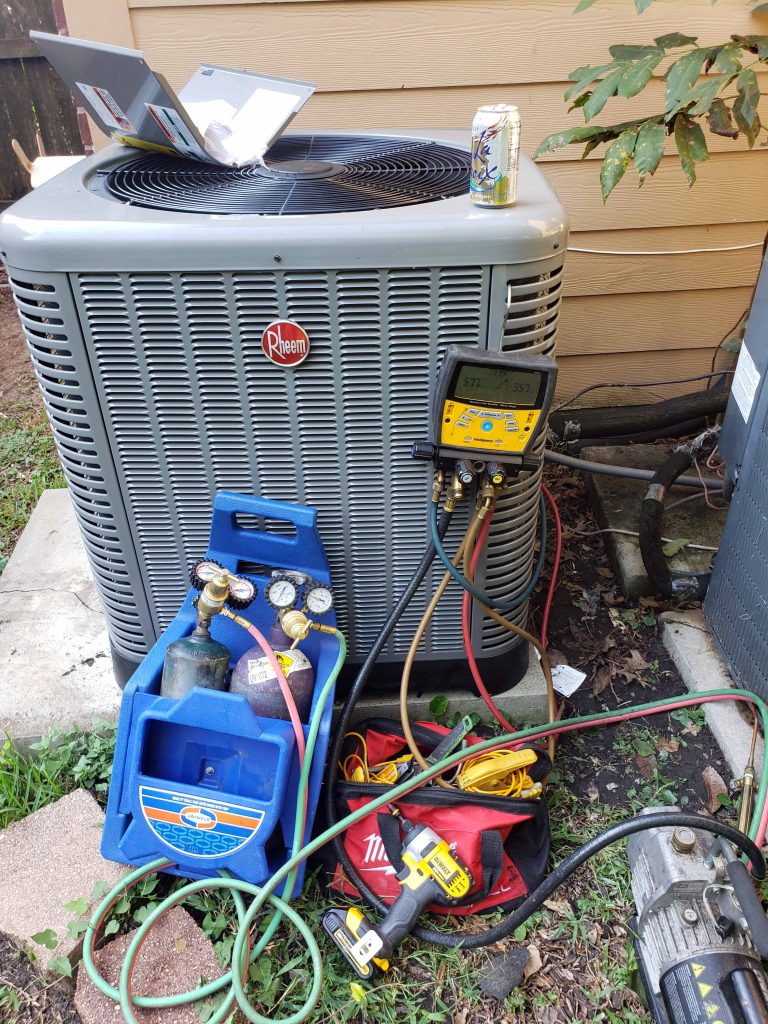
Vacuum the system to remove air and moisture. Connect a vacuum pump to the service port and run it until the pressure reads below 500 microns. This step prevents damage to the air conditioner.
Charge the system with the correct refrigerant type and amount. Follow the manufacturer’s guidelines carefully. Use a gauge to monitor pressure during charging to ensure proper operation.
Wiring The System
Run electrical wiring carefully from the main power panel to the air conditioner unit. Use copper wiresthat can handle the system’s voltage and current. Secure wires with clips to avoid damage and keep them away from water sources.
Connect the thermostat wiring according to the manufacturer’s instructions. Use color-coded wiresfor easy identification. Attach wires firmly to the thermostat terminals, ensuring no loose connections.
Test all electrical connections before powering the system. Use a voltage testerto check for proper voltage at each connection point. Confirm that all wires are tight and insulated properly to prevent shorts or shocks.
Credit: bobsrepair.com
Final Checks And Startup
Inspecting for leaksis key before starting the system. Check all pipe joints and connections. Use soapy water to spot bubbles. Bubbles mean a gas leak. Fix leaks immediately to avoid damage or inefficiency.
Testing system operationensures proper function. Turn on the unit and listen for unusual noises. Feel for cool air from vents. Watch the outdoor unit for steady fan operation. If problems appear, stop and check again.
Adjusting thermostat settingshelps optimize comfort. Set the thermostat to the desired temperature. Choose between cooling or auto mode. Make small changes and wait for the system to respond. This keeps your home comfortable and energy use low.
Maintenance Tips
Cleaning filters regularlykeeps your air conditioner running well. Dirty filters block airflow and reduce cooling. Check filters every month during heavy use. Wash or replace them as needed to maintain good air qualityand system efficiency.
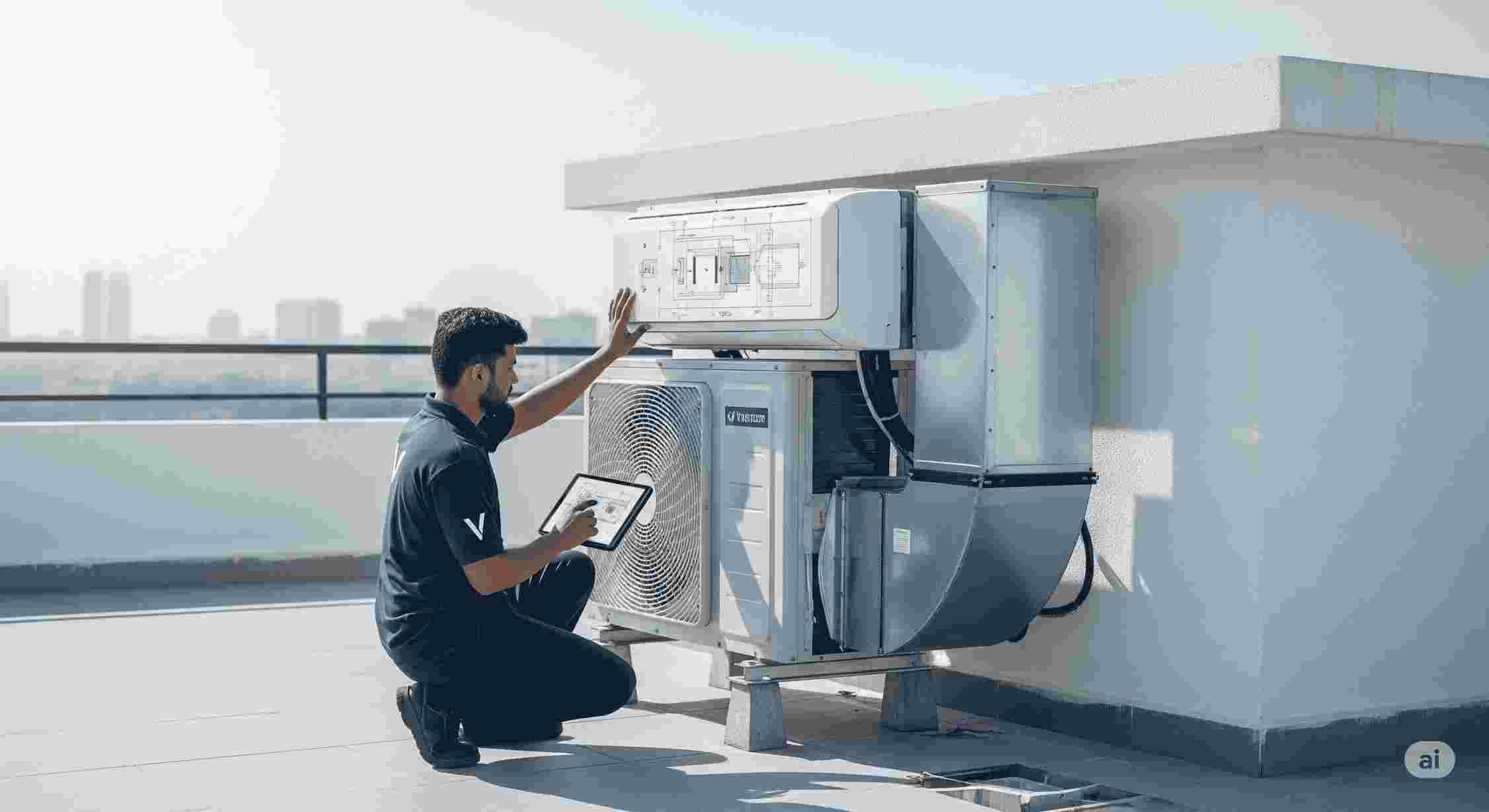
Scheduling professional inspectionshelps catch small problems early. A technician checks all parts for wear and tear. Annual inspections keep the system safe and working properly.
Monitoring system performanceensures your air conditioner cools effectively. Listen for strange noises and watch energy bills. Sudden changes may mean your system needs service.
Credit: differ.blog
Frequently Asked Questions
How Long Does It Take To Install Central Air Conditioner?
Installing a central air conditioner typically takes one to two days. The exact time depends on your home’s size and existing ductwork. Proper installation ensures efficient cooling and energy savings. Hiring a professional is recommended for best results and safety.
What Tools Are Needed For Central Ac Installation?
Basic tools include a drill, screwdrivers, wrenches, tubing cutter, and refrigerant gauges. You’ll also need safety gear like gloves and goggles. Specialized HVAC tools may be required for handling refrigerants and electrical connections. Proper tools ensure a smooth installation process.
Can I Install A Central Ac Myself?
While DIY installation is possible, it’s not recommended. Central AC installation involves electrical wiring and refrigerant handling, which require expertise. Improper installation can cause system damage or safety hazards. Hiring a licensed HVAC technician ensures a safe and efficient setup.
How Much Does Central Air Conditioner Installation Cost?
Installation costs vary between $3,000 and $7,000, depending on unit size and complexity. Additional expenses include ductwork modifications and permits. Investing in professional installation guarantees optimal performance and system longevity. Always get multiple quotes for the best price.
Conclusion
Installing a central air conditioner can seem challenging but is manageable. Follow the steps carefully to ensure a smooth installation process. Safety should always be your priority. Checking local codes and guidelines is essential. Use the right tools and follow instructions closely.
Consult a professional if needed. This ensures your air conditioner runs efficiently. Enjoy the comfort of a cool home during hot months. A well-installed system can provide years of service. Stay cool and save energy with your new central air conditioner.