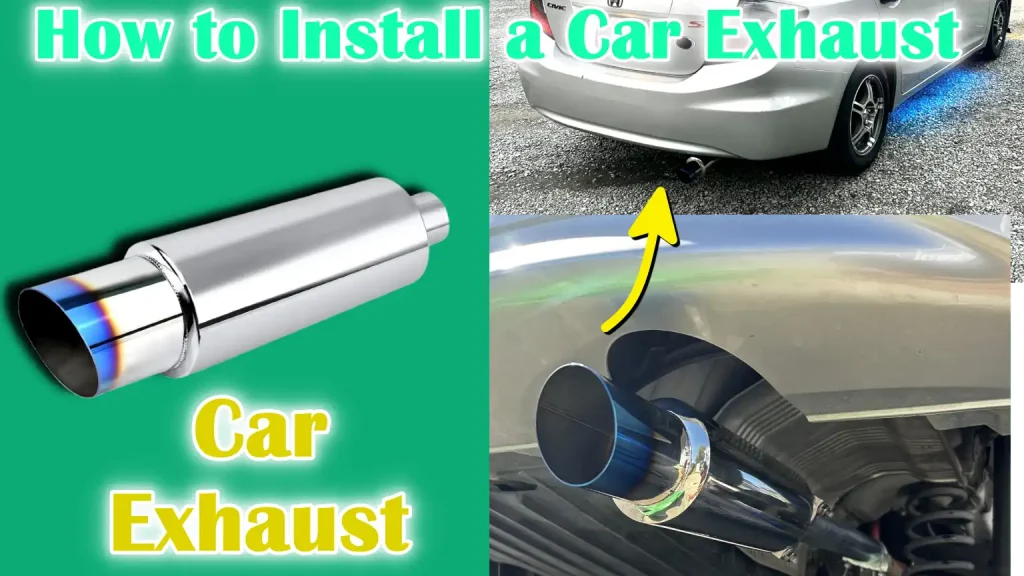
Are you looking to upgrade your vehicle’s performance or simply replace a worn-out exhaust system? Installing an exhaust system yourself might seem tricky, but with the right steps, you can do it confidently and save money.
This guide breaks down the process into simple, clear instructions that anyone can follow. By the end, you’ll know exactly how to install your exhaust system safely and effectively. Ready to take control of your ride and boost its power?
Let’s dive in!

Credit: www.youtube.com
Tools And Materials Needed
Installing an exhaust system needs the right tools and materials. This helps the job go smoothly and safely.
Below are the main things you need before starting the installation process.
Essential Tools
You need specific tools to remove the old exhaust and install the new one. These tools make the job easier and safer.
- Socket set with ratchet
- Wrench set
- Exhaust hanger removal tool
- Jack and jack stands
- Penetrating oil spray
- Rubber mallet
- Wire brush
- Torque wrench
Choosing The Right Exhaust System
Pick an exhaust system that fits your vehicle’s make and model. The right fit improves performance and lasts longer.
Consider the material type and design for your needs and budget.
- Stainless steel for durability
- Aluminized steel for cost savings
- Cat-back or axle-back systems based on upgrade level
- Check compatibility with emission rules
Safety Gear
Wear safety gear to protect yourself during installation. Exhaust work can be dirty and risky.
- Safety glasses to protect eyes
- Gloves to protect hands from sharp edges
- Long sleeves and pants to avoid burns
- Work boots for foot safety
- Hearing protection if using power tools
Preparing Your Vehicle
Before installing a new exhaust system, you must prepare your vehicle properly. This step ensures safety and makes the job easier.
Preparing includes parking the car safely, lifting it correctly, and removing the old exhaust carefully.
Parking And Securing The Car
Park your vehicle on a flat, solid surface. This prevents the car from moving while you work underneath it.
Apply the parking brake and place wheel chocks behind the tires. This adds extra security against rolling.
- Choose a flat area free of obstacles
- Use the parking brake firmly
- Put wheel chocks behind rear tires
- Turn off the engine before starting
Lifting The Vehicle Safely
Use a reliable jack to lift your vehicle. Always follow the car maker’s instructions on where to place the jack.
Once lifted, support the car with jack stands. Never work under a car supported only by a jack.
- Find the correct lifting points under your car
- Lift the car slowly and evenly
- Place jack stands under solid parts of the frame
- Lower the car gently onto the stands
- Check stability before going underneath
Removing The Old Exhaust
Wear gloves and eye protection before touching the exhaust. Old parts may be rusty or sharp.
Locate the bolts and clamps holding the exhaust system. Use the right tools to loosen and remove them carefully.
- Spray penetrating oil on rusty bolts
- Use a wrench or socket set to loosen fasteners
- Remove exhaust hangers with care
- Lower the old exhaust slowly
- Keep parts organized for reference
Inspecting Components
Before installing an exhaust system, carefully inspect all parts. This ensures safety and proper function.
Check each component for problems that could cause leaks or damage later.
Checking For Damage
Look for cracks, holes, or rust on pipes and mufflers. Damaged parts may cause noise or exhaust leaks.
- Check for dents or bends in pipes
- Inspect welds for cracks or breaks
- Look for rust spots or corrosion
- Examine gaskets for wear or tears
- Make sure clamps and hangers are intact
Cleaning Mounting Points
Clean the mounting points before attaching the exhaust system. Dirt and rust can prevent a tight fit.
| Mounting Point | Cleaning Method | Tools Needed |
|---|---|---|
| Flanges | Remove rust and old gasket material | Wire brush, scraper |
| Hangers | Clear dirt and rust for secure hold | Sandpaper, cloth |
| Bracket Surfaces | Wipe clean and remove grease | Degreaser, rag |
Installing The New Exhaust
Installing a new exhaust system improves your car’s performance and sound. Make sure you have the right tools and parts before you start.
Take your time to fit the parts correctly. This helps avoid leaks and ensures the system lasts longer.
Aligning Exhaust Parts
Start by laying out the exhaust parts in order. Check that each piece lines up with the next one.
Use a jack or stands to hold the parts in place. Make small adjustments to avoid bending pipes or gaps.
- Place pipes close to the car’s frame
- Keep parts straight to avoid leaks
- Allow room for engine movement
Securing Clamps And Hangers
Clamps hold the pipes tightly together. Hangers keep the exhaust system steady under the car.
Tighten clamps just enough to hold parts firmly. Attach hangers to the car’s body using bolts or hooks.
- Check clamps for rust or damage
- Place hangers where pipes have support
- Do not overtighten clamps to avoid cracks
Connecting To The Manifold
Attach the exhaust pipe to the engine’s manifold carefully. Use new gaskets to stop leaks.
Tighten bolts evenly to secure the connection. Double-check for any gaps or loose parts.
- Clean the manifold surface before installing
- Use high-temperature sealant if needed
- Tighten bolts in a crisscross pattern
Testing The Installation
After installing the exhaust system, you must test it to ensure proper function. Testing helps find any problems early.
Check the system carefully to avoid leaks or noises that can cause damage or reduce performance.
Checking For Leaks
Leaks can reduce engine efficiency and increase noise. Look for any gaps or holes in the exhaust pipes and joints.
Use your hand or a cloth near the joints while the engine is running. Feel for air escaping from places it should not.
- Inspect all clamps and connections
- Check the gasket areas closely
- Look under the vehicle for any smoke or unusual fumes
Listening For Unusual Noises
Turn on the engine and listen carefully to the exhaust sounds. Unusual noises can indicate loose parts or leaks.
Listen for rattling, hissing, or loud popping sounds. These noises often mean something is not sealed or fitted correctly.
- Rattling may mean loose clamps or hangers
- Hissing sounds often show leaks
- Loud popping can point to holes or cracks
Final Adjustments
After checking for leaks and noises, tighten all bolts and clamps again. Make sure the exhaust system is secure.
Adjust the position if needed to avoid contact with other parts. This prevents vibrations and damage while driving.
- Tighten all fasteners firmly
- Ensure proper clearance from the car body
- Test drive to confirm no new noises appear

Credit: www.youtube.com
Maintenance Tips
Keeping your exhaust system in good shape helps your vehicle run smoothly. Regular care can prevent big problems and save money.
Learn simple ways to inspect and protect your exhaust system from damage. These tips help keep it working longer.
Regular Inspections
Check your exhaust system often to find leaks or damage early. Look under your car for holes or loose parts.
- Park your vehicle on a flat surface and turn off the engine.
- Wait until the exhaust system cools down to avoid burns.
- Look for rust spots, cracks, or holes along the pipes and muffler.
- Listen for unusual noises when the engine runs.
- Check that all clamps and hangers hold the system firmly in place.
Preventing Rust And Corrosion
Rust weakens your exhaust system and causes leaks. Protect it by keeping it clean and dry.
| Method | How It Helps |
| Wash the underside regularly | Removes dirt and salt that cause rust |
| Apply high-temperature paint | Creates a protective barrier against moisture |
| Park in a garage | Reduces exposure to rain and snow |
| Fix leaks quickly | Prevents water from entering the system |

Credit: thermalrd.com
Frequently Asked Questions
What Tools Are Needed To Install An Exhaust System?
To install an exhaust system, you’ll need basic tools like a wrench, screwdriver, and jack stands. Additionally, having a torque wrench and lubricant can be beneficial. Ensure your workspace is safe and well-lit. Remember, having the right tools makes the installation process smoother and more efficient.
How Long Does It Take To Install An Exhaust System?
Installing an exhaust system typically takes about 1 to 3 hours. This depends on your experience and the vehicle type. Ensuring you have all necessary tools and parts beforehand can reduce time. Always follow the manufacturer’s instructions for best results.
Can I Install An Exhaust System Myself?
Yes, you can install an exhaust system yourself if you’re mechanically inclined. It’s crucial to follow the manufacturer’s instructions carefully. Ensure you have the necessary tools and a safe workspace. If unsure, consider seeking professional assistance to avoid potential issues.
What Are The Benefits Of A New Exhaust System?
A new exhaust system improves vehicle performance and fuel efficiency. It can enhance engine sound and reduce emissions. Additionally, it may increase the lifespan of your vehicle. Regular maintenance ensures optimal performance and longevity of the system.
Conclusion
Installing an exhaust system can improve your vehicle’s performance and sound. Follow each step carefully to ensure a proper fit. Use the right tools and take safety measures during installation. Double-check all connections to avoid leaks or issues later. Take your time, and don’t rush the process.
With patience, you can complete the installation successfully. Enjoy a smoother ride and better engine efficiency. Keep your exhaust system maintained for long-lasting results. Simple steps lead to great improvements. You’ve got this!