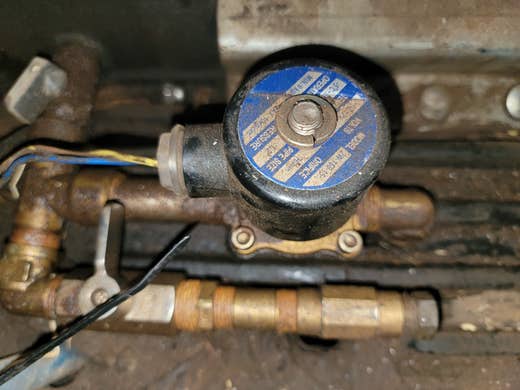
If you’re looking to boost your 5.9 Cummins engine’s performance and reliability, installing a FASS fuel system is one of the smartest upgrades you can make. But you might be wondering—how do you install it correctly without any guesswork or costly mistakes?
This guide breaks down the process step-by-step, so you can get your fuel system running smoothly and feel confident under the hood. Keep reading, and by the end, you’ll know exactly how to install your FASS fuel system like a pro.
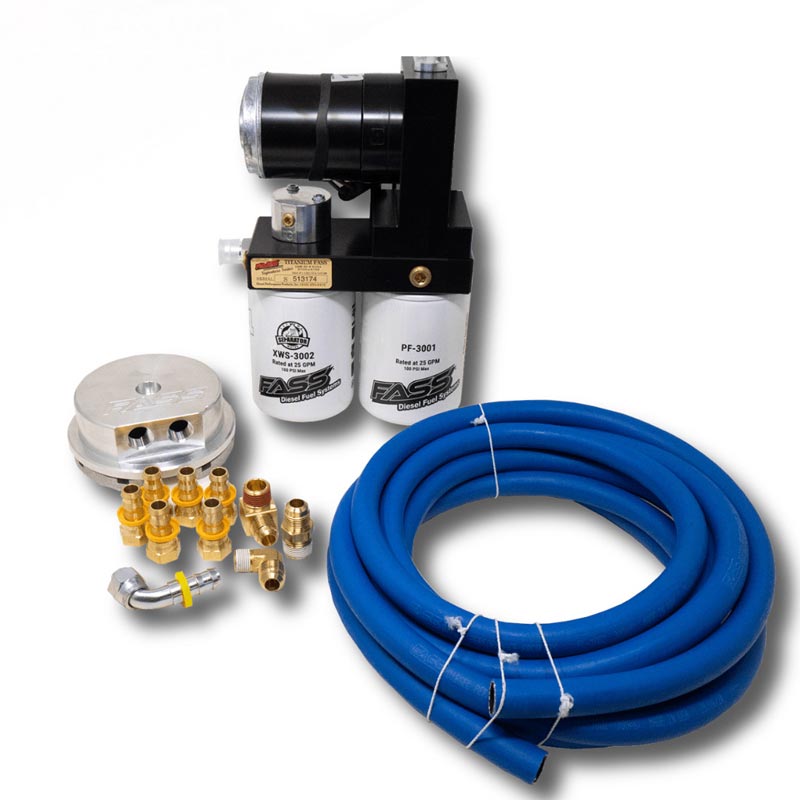
Credit: www.xtremediesel.com
Preparing For Installation
Installing a Fass fuel system on a 5.9 Cummins requires careful preparation. You need to get ready before starting the work.
This guide will help you prepare for the installation process safely and efficiently.
Gathering Necessary Tools
Before you start, collect all the tools you will need. Having the right tools saves time and avoids frustration.
- Socket wrench set
- Torque wrench
- Screwdrivers (flat and Phillips)
- Fuel line disconnect tool
- Ratchet and extension bars
- Drip pan or container
- Clean rags or shop towels
- Gloves and safety glasses
Inspecting The Fuel System Components
Check all fuel system parts before installation. Look for damage or wear that could cause problems.
Inspect the fuel pump, lines, filters, and connectors carefully. Replace any damaged components to avoid leaks.
- Fuel pump housing for cracks or dents
- Fuel lines for cracks or leaks
- Fuel filters for clogging or dirt
- Electrical connectors for corrosion
- Mounting brackets for stability
Ensuring Safety Precautions
Safety is very important when working with fuel systems. Take steps to protect yourself and your workspace.
Wear protective gear and work in a well-ventilated area. Avoid open flames or sparks near fuel parts.
- Wear gloves and safety glasses
- Keep a fire extinguisher nearby
- Work in a clean, ventilated space
- Disconnect the battery before starting
- Keep rags away from ignition sources
Removing The Old Fuel System
Replacing the old fuel system on your 5.9 Cummins is important for better performance. Follow these steps to safely remove the existing system.
This guide helps you in draining fuel lines, disconnecting connections, and removing the fuel pump.
Draining Fuel Lines
Begin by draining the fuel lines to prevent spills. Make sure the engine is cool before you start.
- Locate the fuel drain valve on your fuel system.
- Place a suitable container under the valve to catch any fuel.
- Open the valve slowly and let the fuel drain completely.
Disconnecting Fuel Lines And Electrical Connections
Next, disconnect the fuel lines and electrical connections. This step ensures a safe removal of the system.
- Use a wrench to loosen the fuel line fittings carefully.
- Disconnect the electrical connectors by pressing the release tabs.
- Ensure all connections are fully detached before proceeding.
Removing The Existing Fuel Pump
The final step is to remove the existing fuel pump. This step requires careful handling to avoid any damage.
Ensure you have the proper tools ready for removing the pump. Follow the manufacturer’s instructions for removing the pump safely.
Installing The Fass Fuel Pump
Installing a Fass fuel pump on a 5.9 Cummins helps improve fuel flow. This guide shows how to install the pump correctly.
Follow these steps to mount the pump, connect fuel lines, and wire electrical parts safely.
Mounting The New Pump
Choose a solid location near the fuel tank to mount the pump. Make sure it is lower than the tank for proper fuel flow.
Use the mounting bracket that comes with the pump. Secure the bracket with bolts and tighten them firmly.
- Find a flat surface close to the tank
- Attach the mounting bracket
- Secure the pump with bolts
- Check for stable and vibration-free mounting
Connecting Fuel Lines
Connect the fuel lines from the tank to the pump and from the pump to the engine. Use the right size hoses for a tight fit.
Double-check all connections to avoid leaks. Use hose clamps to secure the fuel lines at each fitting.
- Attach fuel line from tank to pump inlet
- Connect fuel line from pump outlet to engine
- Tighten hose clamps on all connections
- Inspect lines for any signs of damage or wear
Wiring The Electrical Components
Connect the electrical wires from the pump to the vehicle’s battery and ignition. Use the wiring diagram included with the pump.
Ensure all connections are secure and protected from moisture. Use wire connectors and electrical tape to cover exposed wires.
- Connect positive wire to battery or fuse box
- Attach ground wire to a clean metal surface
- Use relay if required by the pump
- Secure wires away from heat and moving parts
Setting Up The Fuel Return System
Setting up the fuel return system on a 5.9 Cummins with a Fass fuel system helps keep your engine running smoothly. The return system sends extra fuel back to the tank, maintaining proper pressure.
This guide covers routing the return line and securing hoses and clamps correctly. Follow these steps to ensure a safe and efficient installation.
Routing The Return Line
Start by identifying the correct path for the return line from the Fass pump to the fuel tank. Avoid sharp bends or areas near heat sources that could damage the hose.
- Keep the return line away from moving parts like belts and pulleys.
- Use existing fuel line brackets or clamps to support the hose.
- Route the hose along the frame rail for protection.
- Ensure the hose length is sufficient without stretching or kinking.
- Place the return line so it drains back into the tank without obstruction.
Securing Hoses And Clamps
After routing the hose, secure it properly using clamps to prevent leaks and damage. Tight connections keep the system safe and reliable.
| Clamp Type | Recommended Use | Torque Range |
| Worm Gear Clamp | General hose connections | 20-25 in-lbs |
| Spring Clamp | Flexible hose sections | Firm fit, no overtightening |
| Ear Clamp | Permanent hose fix | Use special tool to crimp |
Make sure all clamps are tight but not over-tightened. Check each connection for leaks after installation.
Final Checks And Testing
After installing the FASS fuel system on your 5.9 Cummins, it is important to perform final checks. These checks ensure the system works safely and properly. Testing helps prevent future problems and keeps the engine running smoothly.
This section covers inspecting for leaks, priming the fuel system, and starting the engine while monitoring its performance. Follow these steps carefully for best results.
Inspecting For Leaks
Check all fuel lines, fittings, and connections for any signs of leaks. Leaks can cause fuel loss and engine damage. Look closely at areas where hoses connect to the pump and filters.
- Visually inspect all hose clamps and fittings.
- Feel around connections for wetness or fuel smell.
- Tighten any loose clamps or bolts carefully.
- Replace any damaged or cracked hoses immediately.
Priming The Fuel System
Priming the fuel system removes air and prepares it for proper fuel flow. This step helps prevent hard starting and rough running. Use the manual primer on the FASS pump to fill the lines with fuel.
- Turn the manual primer knob slowly to push fuel through.
- Watch for air bubbles leaving the system.
- Continue until only clean fuel flows from the return line.
- Check the fuel filter for full fuel coverage.
Starting The Engine And Monitoring Performance
Start the engine and observe its operation closely. Watch for any unusual sounds or warnings. Monitor fuel pressure and engine RPM to ensure the system works correctly.
| Check | Expected Result |
|---|---|
| Fuel Pressure Gauge | Steady pressure within manufacturer specs |
| Engine RPM | Smooth increase to idle speed without hesitation |
| Fuel Leaks | No leaks detected under pressure |
| Engine Sound | Normal running noise without sputtering |

Credit: manuals.plus
Troubleshooting Common Issues
Installing the Fass Fuel System on a 5.9 Cummins can improve fuel delivery. Sometimes, issues may arise that need quick fixes. Knowing how to spot and solve these problems helps keep your engine running smoothly.
This guide covers common problems with fuel pressure, electrical systems, and engine noises. Follow these tips to troubleshoot effectively and avoid damage.
Fuel Pressure Problems
Fuel pressure issues cause poor engine performance or stalling. Low or high fuel pressure can damage the engine or fuel system parts.
- Check the fuel pressure gauge for correct readings.
- Inspect fuel lines for leaks or blockages.
- Ensure the fuel filter is clean and not clogged.
- Verify the pump is properly mounted and connected.
- Replace faulty pressure regulators if needed.
Electrical Malfunctions
The Fass system relies on electrical parts to work well. Wiring problems or bad connections cause the pump to fail or run inconsistently.
| Symptom | Possible Cause | Solution |
| Pump does not run | Blown fuse or bad relay | Check and replace fuse or relay |
| Intermittent pump operation | Loose wiring or connector | Secure and clean all connections |
| Battery drains quickly | Short circuit in wiring | Inspect wiring and repair shorts |
| Error codes on engine computer | Faulty sensor or wiring | Scan system and fix sensor issues |
Unusual Engine Noises
Strange sounds often signal fuel or mechanical problems. Early detection helps prevent bigger damage.
- Whining or buzzing from the pump may mean low fuel levels or worn pump parts.
- Knocking sounds can indicate fuel starvation or air in the lines.
- Hissing noises often show leaks in fuel lines or seals.
- Listen for sudden changes in noise after installation; they may point to loose fittings.
Maintenance Tips For Fass Fuel Systems
Proper maintenance keeps your Fass fuel system working well. It helps avoid problems and keeps fuel flowing smoothly.
Follow simple steps to inspect, clean, and prepare your system for cold weather.
Regular Inspection Intervals
Check the Fass fuel system every 3,000 miles or as the manufacturer suggests. Look for leaks, loose parts, and wear.
- Inspect hoses for cracks or damage
- Check fittings and clamps for tightness
- Look for signs of fuel leaks
- Listen for unusual noises during operation
Cleaning And Filter Replacement
Keep the fuel clean by replacing filters regularly. Clean parts prevent clogging and keep the engine running well.
| Maintenance Task | Frequency |
| Fuel filter replacement | Every 10,000 miles |
| Clean fuel pump screen | Every 20,000 miles |
| Inspect and clean hoses | Every 5,000 miles |
Winterizing The System
Cold weather can cause fuel to thicken and parts to freeze. Prepare your Fass system for winter with these tips.
- Use fuel additives to prevent gelling
- Drain water separators regularly
- Store the truck in a warm place if possible
- Check battery health to ensure strong starts

Credit: www.dieselpowerproducts.com
Frequently Asked Questions
What Tools Are Needed To Install Fass Fuel System?
You need basic hand tools like wrenches, screwdrivers, and pliers. A drill may be required for mounting. Safety gloves and eye protection are recommended during installation.
How Long Does Fass Fuel System Installation Take?
Installation typically takes 2 to 3 hours. Time varies based on experience and vehicle condition. Following the manual carefully speeds up the process.
Can I Install Fass Fuel System Myself?
Yes, if you have mechanical skills and tools. The system comes with detailed instructions. If unsure, consult a professional mechanic to avoid damage.
What Benefits Does Fass Fuel System Provide?
It improves fuel flow and engine efficiency. The system reduces air bubbles and increases horsepower. This leads to better throttle response and fuel economy.
Conclusion
Installing the FASS fuel system on a 5. 9 Cummins improves fuel flow and engine performance. Follow the steps carefully to avoid mistakes and ensure proper setup. Double-check all connections and tighten fittings securely. Test the system after installation to confirm everything works well.
Regular maintenance keeps the fuel system running smoothly. This upgrade helps your engine run cleaner and more efficiently. Enjoy better fuel delivery and more reliable engine power on your truck.