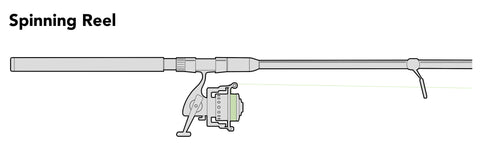
If you want to get the most out of your fishing trips, knowing how to install fishing line on a spinning reel is a must. It might seem tricky at first, but once you learn the simple steps, you’ll save time and avoid frustrating tangles.
Imagine casting smoothly and reeling in with confidence every time. In this guide, you’ll discover easy tips that make the process quick and hassle-free. Ready to master your gear and boost your fishing game? Keep reading to find out how!

Credit: www.youtube.com
Gathering Your Supplies
Installing fishing line on a spinning reel needs the right supplies. Getting everything ready helps the process go smoothly.
Gather all the materials before you start. This saves time and avoids interruptions.
Choosing The Right Fishing Line
Select a fishing line that fits the type of fish you want to catch. The line’s strength and material matter.
- Monofilament: Good for beginners and versatile use
- Fluorocarbon: Less visible underwater and strong
- Braided line: Very strong and thin, good for heavy cover
Selecting A Suitable Spinning Reel
Pick a spinning reel that matches your fishing line and rod. Check the reel size and drag system.
| Reel Size | Best For |
| 1000-2500 | Light freshwater fishing |
| 3000-4000 | Medium freshwater and light saltwater |
| 5000+ | Heavy saltwater fishing |
Additional Tools Needed
Some extra tools make installing the line easier and neater. Have these ready before you begin.
- Scissors or line cutters to trim excess line
- Line spooler or a helper to hold the spool tight
- Rag or paper towel to hold the line steady
Preparing The Reel
Before installing new fishing line, prepare your spinning reel carefully. This ensures smooth casting and longer line life.
Focus on removing old line and cleaning the spool. These steps keep your reel working well and prevent tangles.
Removing Old Line
Start by taking off the old fishing line from the reel spool. This clears space for the new line and removes damaged or worn material.
- Open the bail arm to free the line.
- Pull the old line slowly from the spool.
- Cut the line near the spool if it is stuck.
- Dispose of the old line properly to avoid litter.
Cleaning The Spool
Cleaning the spool removes dirt and salt that harm the reel and line. Use a soft cloth and mild cleaner for best results.
| Material | Cleaning Method |
| Metal spool | Wipe with cloth and rubbing alcohol |
| Plastic spool | Use mild soap and warm water |
| Drag washers | Clean gently with dry cloth |
Attaching The Line
Attaching the fishing line to a spinning reel is the first step in preparing your gear. This process ensures the line stays secure on the spool during casting and reeling.
Following the right steps helps prevent tangles and keeps the line tight on the reel for better fishing performance.
Securing The Line To The Spool
Start by threading the line through the rod guides. Pull about 6 inches of line past the reel. Tie the line around the spool with an arbor knot.
The arbor knot holds the line firmly to the spool. Make sure the knot is tight and trim any loose ends close to the knot.
- Pass the line around the spool.
- Tie a simple overhand knot around the main line.
- Make a second knot at the tag end for security.
- Pull both knots tight against the spool.
- Cut the excess line near the knot.
Starting The Winding Process
Hold the line with slight tension using your fingers. Begin turning the reel handle slowly to wind the line onto the spool.
Keep the line tight and even as it wraps around the spool. Stop when the spool is about 1/8 inch from full to avoid overfilling.
- Keep steady tension on the line.
- Wind the line evenly across the spool.
- Avoid loose or crossed loops.
- Fill the spool close to its edge.
Spooling The Line
Spooling the fishing line on a spinning reel needs care. It helps avoid tangles and line breaks.
Keeping the line tight and filling the spool right makes casting smooth and long-lasting.
Maintaining Proper Tension
Keeping the right tension on the line during spooling stops loose loops. Loose loops cause line twists and tangles.
- Attach the line to the spool securely.
- Use fingers or a cloth to hold the line tight.
- Ask someone to hold the spool with a pencil through the center.
- Keep the line tight as you turn the reel handle slowly.
Filling The Spool Correctly
Fill the spool evenly and avoid overfilling. Too much line causes tangles, too little shortens casting distance.
| Fill Level | Effect |
|---|---|
| 1/8 inch below the spool lip | Ideal amount for best casting and less tangling |
| Above spool lip | Increases tangles and line breakage |
| Too low | Reduces casting distance and causes backlash |
Finishing Touches
After installing the fishing line, a few steps ensure everything is perfect. These final steps will help your fishing line work well on the spinning reel.
Let’s explore how to finish setting up your reel. These tips will make your fishing experience better.
Cutting The Line
Once the line is on the reel, you need to cut it. Use sharp scissors or a line cutter for a clean cut.
Make sure to leave a small length of line beyond the reel. This extra line helps with tying knots later.
Securing The Line End
After cutting the line, secure the end properly. Use a piece of tape or a rubber band to hold it in place.
This prevents the line from unwinding. It keeps your setup neat and tidy.
Testing The Setup
Before heading out, test your reel. Open the bail and pull some line out to check its smoothness.
Reel the line back in slowly. Ensure there are no tangles or snags.
- If the line is smooth, you are ready to fish
- If there are issues, recheck your setup

Credit: www.reddit.com
Tips For Best Results
Installing fishing line on a spinning reel is easy with the right tips. Following simple steps helps avoid problems and improves fishing.
This guide covers ways to avoid line twist, maintain your reel, and pick the best line for your fishing needs.
Avoiding Line Twist
Line twist causes tangles and weak casts. It happens when the line spins too much on the reel.
- Use a swivel to reduce line spin.
- Keep the line tight while spooling.
- Do not overfill the spool with line.
- Check the line for twists before casting.
- Use quality line suited for spinning reels.
Regular Maintenance
Cleaning and checking your reel keeps it working well. Dirt and salt can damage parts and cause problems.
| Maintenance Task | Frequency | Details |
| Clean spool and line | After every fishing trip | Wipe dirt and salt off spool and line |
| Lubricate moving parts | Monthly or as needed | Use reel oil on gears and bearings |
| Check for line damage | Before each use | Look for frays or weak spots |
| Tighten screws | Every 3 months | Prevent loose parts that cause problems |
Choosing Line Based On Fishing Conditions
Pick line that fits your fishing style and water type. This helps with casting and catching fish.
- Use monofilament for general fishing and flexibility.
- Choose braided line for strength and thin diameter.
- Pick fluorocarbon for clear water and low visibility.
- Match line weight to your rod and reel capacity.
- Consider the type of fish and water depth.
Credit: letsgobassfishing.com
Frequently Asked Questions
How Do I Attach Fishing Line To A Spinning Reel?
Start by threading the line through the reel’s guides. Tie an arbor knot around the spool. Pull tight to secure the line firmly before winding it evenly onto the spool.
What Type Of Fishing Line Suits Spinning Reels Best?
Monofilament and fluorocarbon lines work well with spinning reels. Braided lines offer high strength but require a backing for better grip on the spool.
How Much Line Should I Spool On My Spinning Reel?
Fill the spool leaving about 1/8 inch of space from the spool lip. This avoids overfilling, which can cause tangles and line slippage.
Can I Reuse Old Fishing Line On My Spinning Reel?
It is not recommended to reuse old fishing line. Old line loses strength and may have memory, causing tangles and reduced performance.
Conclusion
Installing fishing line on a spinning reel is simple with the right steps. Start by choosing the correct line and attaching it tightly. Keep the line smooth and avoid twists. Wind the line evenly on the spool for better casting.
Take your time and check your work as you go. Practice makes this task easier each time. Soon, you will feel more confident preparing your reel for fishing trips. Enjoy the process and happy fishing!