Are you ready to spend more time catching fish and less time struggling with your gear? Knowing how to install fishing line on your rod correctly can make all the difference between a successful fishing trip and a frustrating day by the water.
Whether you’re a beginner or just need a quick refresher, this guide will show you simple, step-by-step instructions to get your line set up fast and secure. Keep reading, and you’ll learn the easy tricks that pros use to make sure their line never slips or tangles.
Your perfect cast is just a few steps away!
Choosing The Right Fishing Line
Choosing the right fishing line helps you catch fish easier. The line needs to match your rod and fishing style.
Picking a good fishing line makes casting smooth and keeps the line strong against fish pulls.
Types Of Fishing Lines
There are three main fishing lines: monofilament, fluorocarbon, and braided. Each type has special uses.
- Monofilament:This line is soft and easy to handle. It floats and stretches well.
- Fluorocarbon:This line is hard to see in water. It sinks and resists abrasion.
- Braided:This line is very strong and thin. It has little stretch and lasts long.
Choose the line type based on your fishing needs and water conditions.
Factors To Consider
Think about the fish size, water type, and your rod when picking a fishing line. These affect your success.
- Strength:Pick a line strong enough for the fish you want to catch.
- Visibility:Use low-visibility lines in clear water to avoid spooking fish.
- Stretch:Lines with stretch absorb shocks but can reduce sensitivity.
- Durability:Check if the line can handle rough water or sharp objects.
- Rod Compatibility:Match the line weight to your rod’s recommended rating.
Preparing The Fishing Rod
Preparing your fishing rod is important before installing the fishing line. It helps keep the rod in good condition and makes the fishing easier.
Two key steps are cleaning the rod and checking the guides. These ensure your rod works well and lasts longer.
Cleaning The Rod
Cleaning removes dirt, salt, and grime that can damage the rod. A clean rod also helps the line move smoothly.
- Use fresh water to rinse off the rod after each use.
- Wipe the rod with a soft cloth to remove any dirt.
- Check the handle and reel seat for any sticky residue.
- Use mild soap if the rod is very dirty, then rinse well.
- Dry the rod completely before storing it.
Checking The Guides
Guides help the fishing line move smoothly on the rod. Damaged guides can cut or tangle the line. Check them carefully before installing your line.
| Guide Part | What to Check | Action |
| Rings | Look for cracks or rough edges | Replace if damaged |
| Frames | Check if bent or loose | Tighten or replace as needed |
| Tips | Inspect the tip guide for chips | Repair or change if broken |
Attaching The Fishing Reel
Attaching the fishing reel to your rod is important for a good fishing experience. It helps you control the line and catch fish easily.
This guide will help you attach the reel correctly and safely to your fishing rod.
Selecting The Correct Reel
Choose a reel that fits your fishing rod size and type. A good match makes casting easier and prevents damage.
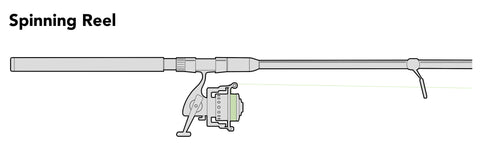
There are three main types of reels: spinning, baitcasting, and spincast. Each works best with certain rods and fishing styles.
- Spinning reels are good for light lines and easy casting.
- Baitcasting reels offer more control for heavier lines.
- Spincast reels are simple and great for beginners.
Securing The Reel To The Rod
Place the reel foot into the reel seat on the rod. The reel seat is the part that holds the reel tight.
Turn the locking nut on the reel seat to tighten the reel. Make sure it is firm but do not over-tighten.
- Slide the reel foot into the reel seat grooves.
- Turn the locking ring clockwise to secure the reel.
- Check if the reel is stable and does not move.
Spooling The Fishing Line
Spooling the fishing line on your rod is an important step before fishing. It helps the line stay strong and prevents tangles.
Proper spooling makes casting smooth and improves your fishing experience.
Tying The Arbor Knot
The arbor knot holds the fishing line tightly to the spool. It stops the line from slipping when you start winding.
To tie the arbor knot, first wrap the line around the spool. Then tie a simple overhand knot with the tag end.
- Wrap the line around the spool.
- Make an overhand knot with the tag end.
- Tie a second overhand knot on the tag end.
- Pull the main line to tighten the knot.
- Trim any extra line from the tag end.
Winding The Line Evenly
Winding the line evenly prevents bunching and tangles. It helps the line come off the spool smoothly.
Keep tension on the line as you wind it onto the spool. Move the line back and forth to spread it evenly.
- Hold the rod and spool so the line feeds straight.
- Keep light tension on the line with your fingers.
- Turn the reel handle slowly to wind the line.
- Guide the line side to side across the spool.
- Fill the spool until it is nearly full but not overfull.
Threading The Line Through Guides
Threading the fishing line through the rod guides is a key part of setting up your rod. This process helps your line run smoothly and prevents tangles.
Careful threading improves casting and reduces wear on the line. Follow the steps below to thread the line correctly.
Starting At The Bottom Guide
Begin threading the line at the bottom guide near the reel. This guide is the largest and closest to the reel seat.
- Pull the line from the reel spool.
- Pass the line through the bottom guide’s ring.
- Make sure the line moves freely through this guide.
- Continue threading through each guide up the rod.
- Work slowly to avoid twisting the line.
Ensuring Smooth Threading
Smooth threading prevents line damage and improves casting. Check each guide for dirt or damage before threading.
| Tip | Why It Helps |
| Clean guides with a soft cloth | Removes dirt that can cut the line |
| Use a small flashlight | Helps see inside tight guides |
| Pull line gently through each guide | Prevents line twists and tangles |
| Check for guide ring cracks | Avoids line breakage during fishing |

Credit: www.youtube.com
Securing The Line To The Reel
Attaching the fishing line to the reel is the first step in setting up your rod. A secure connection keeps the line from slipping during casting or reeling.
Using the right knot and checking the line’s hold helps prevent losing fish or gear. Let’s look at how to tie and test the line.
Tying A Secure Knot
Start by threading the line through the reel’s spool eye. Then wrap the line around itself to form a loop.
Use a strong knot like the Arbor Knot to hold the line tightly. This knot reduces slipping and keeps the line steady.
- Wrap the line around the spool
- Tie a simple overhand knot around the main line
- Make a second overhand knot on the tag end
- Pull both knots tight against the spool
- Trim excess line close to the knot
Testing The Connection
After tying the knot, pull the line firmly to test its hold. The knot should not slip or loosen under pressure.
Spin the reel handle slowly to see if the line stays tight and moves smoothly. Recheck the knot if you see any slippage.
- Pull the line with steady pressure
- Check for any movement of the knot
- Spin the reel and watch the line tension
- Retie the knot if needed
Adjusting Line Tension
Adjusting the tension of your fishing line is important for smooth casting and catching fish. Proper tension helps the line flow well and avoid tangles.
Too loose or too tight tension can cause problems. You need to find the right balance for your fishing setup.
Setting The Drag
The drag controls how much resistance a fish feels when it pulls the line. Setting it right protects your line from breaking.
Turn the drag knob to increase or decrease resistance. Start with a medium setting and adjust based on the fish size.
- Turn drag knob clockwise to tighten
- Turn drag knob counterclockwise to loosen
- Test drag by pulling line with your hand
- Adjust until line moves smoothly under pressure
Ensuring Proper Tension
Proper tension keeps the line stable on the spool and prevents slack. Check tension after installing the line.
Pull the line gently to feel the resistance. It should be firm but not too tight to avoid snapping.
- Wind line evenly on the spool
- Keep consistent pressure while winding
- Check for loose loops or tangles
- Adjust reel knob to control tension if needed

Credit: www.youtube.com
Testing The Setup
After installing the fishing line on your rod, testing the setup is important. This ensures your line and reel work smoothly before fishing.
Testing helps avoid problems like line tangles or weak knots. Two key checks are casting practice and checking for snags.
Casting Practice
Practice casting in an open area to see how the line flows. This helps you get used to the rod’s balance and the line’s tension.
- Hold the rod firmly but relaxed.
- Pull back the rod smoothly.
- Cast forward with a steady motion.
- Watch the line release and land gently.
- Reel the line back slowly to check for smoothness.
Checking For Snags
Snags can cause line breaks or poor casting. Check the entire length of the line and guides for any catches.
| Area to Check | What to Look For |
| Line on spool | Tangled or loose line |
| Rod guides | Dirt or damage that may catch line |
| Knots | Secure and tight without frays |
| Reel mechanism | Smooth winding without resistance |

Credit: sportfishinghub.medium.com
Frequently Asked Questions
How Do I Choose The Right Fishing Line For My Rod?
Select a fishing line based on rod type, target fish, and water conditions. Match line strength to rod power for best performance.
What Is The Step-by-step Method To Install Fishing Line?
Start by threading the line through rod guides. Attach it to the reel spool, then wind evenly and tighten securely.
How Do I Avoid Tangles When Installing Fishing Line?
Keep tension on the line while winding. Avoid overfilling the spool and check for twists to prevent tangles.
When Should I Replace My Fishing Line On The Rod?
Replace line after several uses or if it shows frays, nicks, or loss of strength to maintain reliability.
Conclusion
Installing fishing line on your rod is simple with the right steps. Start by choosing the correct line for your fishing style. Secure the line tightly on the spool and thread it through the guides carefully. Tie a strong knot to prevent slipping.
Test the line tension before you fish. Taking time to do this correctly helps avoid problems later. Practice makes the process easier and faster. Enjoy your fishing with confidence and better control. Keep your gear ready, and happy fishing!