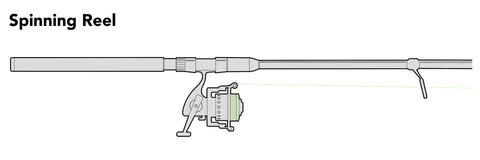
Are you ready to get the most out of your fishing trips? One of the simplest yet most important skills you need is knowing how to install fishing line on your rod correctly.
If your line isn’t set up right, you could lose fish, face constant tangles, or even damage your gear. But don’t worry—this guide will walk you through each step in a clear and easy way. By the end, you’ll have the confidence to set up your rod like a pro and spend more time reeling in the big catch.
Keep reading to master this essential fishing skill!

Credit: sportfishinghub.medium.com
Choosing The Right Fishing Line
Picking the right fishing line is important for a good fishing experience. It helps you catch fish easier and keeps your rod safe.
The right line depends on your fishing style, the fish you want to catch, and the rod you use.
Types Of Fishing Lines
There are three main types of fishing lines: monofilament, fluorocarbon, and braided. Each type has different features.
- Monofilament:Soft and stretchy. Easy to handle and good for beginners.
- Fluorocarbon:Harder to see underwater. Sinks faster than monofilament.
- Braided:Very strong and thin. Has little stretch and lasts long.
Matching Line To Rod And Reel
Your fishing line must fit your rod and reel to work well. Check the rod’s line weight range before buying line.
Reels also have limits on line strength and capacity. Use line that suits both rod and reel to avoid problems.
Line Strength And Diameter
Line strength is how much weight it can hold before breaking. Diameter affects how much line fits on the reel.
Thicker lines are stronger but take more space on the reel. Thinner lines hold less weight but let you cast farther.
| Line Type | Strength Range (lbs) | Diameter Range (inches) |
|---|---|---|
| Monofilament | 2 – 30 | 0.005 – 0.035 |
| Fluorocarbon | 4 – 30 | 0.006 – 0.035 |
| Braided | 10 – 80 | 0.006 – 0.030 |

Credit: www.youtube.com
Preparing Your Fishing Rod And Reel
Preparing your fishing rod and reel is important before you install the fishing line. This helps your equipment work well and last longer.
Take time to check and clean your rod and reel. Also, pick the right spool for your fishing needs.
Inspecting The Rod And Reel
Look closely at your fishing rod and reel for any damage. Check the rod guides for cracks or bends.
Make sure the reel handle turns smoothly. Look for rust or loose parts on the reel.
- Check rod guides for cracks or bends
- Look for rust on metal parts
- Test reel handle for smooth movement
- Ensure reel seat is tight and secure
Cleaning The Reel
Clean your reel before adding new fishing line. Dirt and salt can damage the reel over time.
Use a soft cloth and warm water to wipe the reel. Avoid soaking it to prevent damage to internal parts.
- Wipe off dirt and salt with a soft cloth
- Use warm water, not harsh chemicals
- Dry the reel completely before use
- Apply light oil to moving parts if needed
Selecting The Spool
Choose a spool that fits your reel and fishing type. The spool holds your fishing line securely.
Check the spool size and line capacity. Match these to the weight and length of your fishing line.
- Match spool size with reel model
- Check line weight capacity on spool label
- Pick a spool that holds enough line length
- Use a spool designed for your fishing style
Attaching The Line To The Reel
Attaching the fishing line to the reel is the first step to prepare your rod for fishing. It ensures the line stays secure while you cast and reel in fish.
This guide covers how to tie the arbor knot, secure the line properly, and check for any slippage.
Tying The Arbor Knot
The arbor knot holds the line firmly to the reel’s spool. Start by wrapping the line around the center of the reel spool.
Next, tie an overhand knot around the main line to create a loop. Then tie another overhand knot at the tag end.
- Wrap the line around the reel spool
- Tie an overhand knot around the main line
- Make a second overhand knot at the tag end
- Pull both knots tight against the spool
Securing The Line
After tying the arbor knot, pull the line tight to secure it to the spool. This keeps the line from slipping off during use.
Make sure the line lies flat and even on the spool before you start winding it. This helps prevent tangles and uneven casting.
- Pull the line tight after tying the knot
- Check that the knot sits flush on the spool
- Wind the line evenly onto the spool
- Keep tension while winding to avoid loose loops
Checking For Slippage
Test the line by pulling it gently. The knot should hold firmly without slipping.
If the line moves or loosens, retie the arbor knot and secure it again. A firm attachment is essential for fishing success.
- Pull the line to test the knot’s hold
- Look for any movement or loosening
- Retie the knot if slippage occurs
- Ensure the line stays tight under tension
Spooling The Line Onto The Reel
Spooling the fishing line onto the reel is an important part of setting up your rod. It helps you cast farther and fish better. Doing it right saves time and keeps your line safe.
Follow these simple tips to spool the line properly. This guide covers keeping tension, avoiding twists, and filling the spool the right way.
Maintaining Proper Tension
Keeping the right tension while spooling stops the line from getting loose or tangled. Too little tension makes the line wrap unevenly. Too much tension can damage the line or reel.
- Attach the line to the reel spool securely.
- Hold the line between your fingers with light pressure.
- Ask someone to hold the spool or place it on a flat surface.
- Turn the reel handle slowly while keeping tension on the line.
- Check often to make sure the line winds tight and smooth.
Avoiding Twists And Tangles
Line twists cause knots and weak spots. You can avoid twists by controlling the way the line feeds onto the spool.
| Common Cause | How to Fix |
|---|---|
| Line feeds from the wrong side of the spool | Make sure the line comes off the spool in the same direction it goes on the reel |
| Loose line on the spool | Keep steady tension and wind the line tightly |
| Reel handle spins too fast | Turn the handle slowly to avoid slack |
Filling The Spool Correctly
Fill the spool with enough line but do not overfill it. Overfilling causes line to spill out and tangle. Underfilling reduces casting distance.
- Stop spooling when the line is about 1/8 inch below the spool rim.
- Leave space so the line can move freely without slipping off.
- Check the reel manual for recommended line capacity.
- Use the right line strength and type for your reel size.
Threading The Line Through The Guides
Threading the fishing line through the rod guides is an important step in setting up your fishing rod. It helps the line move smoothly and prevents tangles.
Proper threading makes your fishing experience easier and more enjoyable. Let’s look at how to do it right.
Starting From The Rod Tip
Begin threading the line at the very tip of the rod. This is the smallest guide and guides the line along the rod’s length.
Hold the line and gently pass it through each guide, moving down towards the reel. Take your time to avoid missing any guides.
Ensuring Smooth Line Flow
Make sure the line flows freely through each guide. The line should not catch or feel rough as you pull it through.
- Check each guide for smooth edges
- Keep the line tight but not stretched
- Adjust the line if it feels stuck
Checking For Snags
Look closely for any snags or twists in the line after threading. Snags can cause casting problems and line breakage.
If you find any snags, pull the line back and re-thread it carefully. Smooth line movement is key to good fishing.
Final Adjustments And Testing
After installing the fishing line on your rod, you need to make some final changes. These help the line work well and last longer.
Testing the line ensures you are ready for fishing. It also helps avoid problems later.
Trimming Excess Line
Cut off any extra fishing line past the knot or spool edge. Too much line can cause tangles and snags.
Use sharp scissors or line clippers for a clean cut. Leave a small tag to prevent the knot from slipping.
- Cut close but do not cut the knot
- Keep about 1/8 inch of line after the knot
- Trim excess line on the spool to avoid loops
Setting The Drag
The drag controls how much resistance the fish feels when it pulls the line. Set it right to avoid line breaks.
Turn the drag knob to adjust tension. Tighten to increase resistance or loosen for less drag.
- Start with a medium drag setting
- Test by pulling the line by hand
- Adjust until the line pulls smoothly without breaking
Casting Test
Try casting the rod to check the line’s flow and response. This helps spot issues before fishing.
Watch how the line moves through the guides and spool. It should flow smoothly without catching or twisting.
- Cast a few short distances first
- Listen for any unusual noises from the reel
- Check the line for twists or knots after each cast
Tips For Maintaining Your Line Setup
Keeping your fishing line in good shape helps you catch more fish. Regular care can stop problems before they start.
Follow these tips to keep your fishing line strong and ready for your next trip.
Regular Line Inspection
Check your fishing line often for damage or wear. Look for small cuts, nicks, or frays that can cause breaks.
Inspect the line near the rod guides and the reel. These areas face the most stress during fishing.
- Run your fingers slowly along the line to feel for rough spots
- Look for discoloration or weak areas
- Check for line twisting or tangles
Replacing Old Or Damaged Line
Replace your fishing line if it shows damage or has been used for a long time. Old line can break easily.
Remove the old line carefully from the reel. Wind on new line evenly to avoid tangles.
- Use line recommended for your rod and reel
- Do not overload the reel with too much line
- Tighten the line properly to avoid slack
Proper Line Storage
Store your fishing line in a cool, dry place away from sunlight. Heat and sun can weaken the line fibers.
Keep the line on the reel or in its original packaging to avoid dust and dirt.
- Avoid storing line near chemicals or gasoline
- Keep line away from sharp objects
- Check stored line before use for damage

Credit: fishingbooker.com
Frequently Asked Questions
How Do I Start Installing Fishing Line On A Rod?
Begin by threading the line through the rod guides. Tie it securely to the reel spool using an arbor knot. This ensures the line stays in place during winding.
What Type Of Fishing Line Should I Use?
Choose a line based on your fishing style. Monofilament is versatile, fluorocarbon is nearly invisible, and braided line is strong. Match the line strength with your targeted fish.
How Much Fishing Line Should I Spool On The Reel?
Fill the reel spool to about 1/8 inch below the rim. Overfilling can cause tangles, while underfilling limits casting distance and control.
How Do I Avoid Line Tangles During Installation?
Maintain steady tension while winding the line onto the spool. Avoid loose loops and check for twists regularly to prevent tangles and improve casting performance.
Conclusion
Installing a fishing line on your rod is simple. Follow these steps. First, gather your tools and line. Next, attach the line to the reel. Make sure it’s secure. Then, thread the line through the rod guides. Double-check everything is tight.
Finally, spool the line evenly. Practice makes perfect. With patience, you’ll get better each time. Now, you’re ready to fish. Enjoy your time on the water. Share your fishing stories with friends. They’ll appreciate your new skills. Remember, fishing is about fun and relaxation.
Happy fishing!