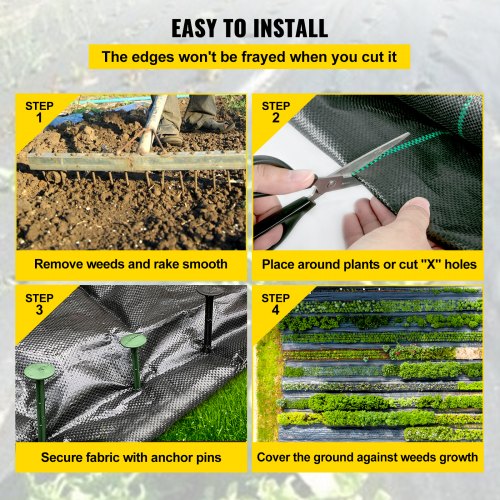
Are you tired of weeds taking over your garden and ruining the look of your beautiful landscape? Installing landscape fabric and edging is a simple, effective way to keep your outdoor space neat and tidy.
In this guide, you’ll learn step-by-step how to install these tools so your garden stays weed-free and looks professionally maintained. Whether you’re a beginner or just want to improve your gardening skills, this article will give you the confidence and know-how to transform your yard.
Keep reading to discover easy tips that will save you time and effort while enhancing your garden’s appeal.
Benefits Of Landscape Fabric
Landscape fabric helps gardeners manage their outdoor spaces better. It offers several advantages that improve garden health and reduce maintenance work.
This fabric works under mulch or stones to keep your garden neat and strong.
Weed Control
Landscape fabric blocks sunlight from reaching weed seeds. This stops many weeds from growing and spreading in your garden. It reduces the need to pull weeds by hand or use chemicals.
- Prevents weed seeds from germinating
- Reduces weed growth around plants
- Makes garden maintenance easier and faster
Moisture Retention
The fabric helps keep soil moist by slowing water evaporation. This means plants get water longer after rain or watering. It can save water and help plants stay healthy during dry times.
| Benefit | How It Helps |
| Water savings | Less frequent watering needed |
| Plant health | Soil stays moist, roots grow better |
| Temperature | Soil cools less in hot weather |
Soil Protection
Landscape fabric protects soil from erosion caused by wind and rain. It keeps soil in place, preventing loss of nutrients. This helps maintain a strong base for plants to grow.
Here are key ways landscape fabric protects soil:
- Stops soil washout during heavy rain
- Prevents soil compaction by foot traffic
- Keeps soil loose and healthy for roots
Credit: www.vevor.ca
Choosing The Right Fabric
Picking the right landscape fabric is important for your garden. It helps control weeds and keeps soil healthy.
Different fabrics offer different benefits. Learn about material types, thickness, and UV resistance to choose well.
Material Types
Landscape fabrics come in woven and non-woven types. Woven fabrics look like cloth and let water pass through easily.
Non-woven fabrics feel like felt. They block weeds better but may hold more water on the surface.
- Woven: strong, lets water drain well
- Non-woven: blocks weeds better, absorbs water
- Choose based on your garden’s drainage needs
Fabric Thickness
Thicker fabric usually lasts longer and stops weeds better. Thin fabric may tear easily.
Check the weight of the fabric. Heavier fabric is stronger but can be harder to cut and install.
- Lightweight: easy to handle, less durable
- Medium weight: good balance of strength and flexibility
- Heavyweight: best for tough weed control and long use
Uv Resistance
Sunlight can damage fabric over time. UV-resistant fabric lasts longer outdoors.
Look for fabric with UV protection. This will keep it strong and stop it from breaking down fast.
- UV resistant fabric lasts many seasons
- Non-UV fabric may need replacing every year
- Check labels for UV protection details
Tools And Materials Needed
Installing landscape fabric and edging can help manage weeds and define garden spaces. Gather the right tools and materials for a smooth installation process.
In this guide, we cover the essential tools and recommended edging materials to make your landscaping project a success.
Essential Tools
Having the right tools makes installation easier and more efficient. Here’s what you’ll need:
- Shovel: For digging and leveling the ground.
- Utility knife: To cut the landscape fabric to size.
- Hammer or mallet: Useful for securing stakes.
- Measuring tape: Ensures accurate placement.
- Gloves: Protects hands during work.
Recommended Edging Materials
Choosing the right edging materials is crucial for durability and aesthetics. Consider these popular options:
| Material | Features |
| Plastic | Affordable and easy to install |
| Metal | Durable and provides clean lines |
| Stone | Natural look and long-lasting |
| Wood | Traditional appearance, needs maintenance |
With these tools and materials, you’re ready to start your landscaping project. Proper preparation ensures a beautiful and functional outdoor space.
Preparing The Garden Bed
Preparing the garden bed is a key part of installing landscape fabric and edging. It helps plants grow better and keeps the area neat. Take time to prepare the soil and mark the edges correctly.
Good preparation makes the fabric and edging last longer. Follow simple steps to clear debris, level the soil, and mark the bed edges before starting.
Clearing Debris
Remove all sticks, rocks, weeds, and old plant roots from the garden bed. A clean bed helps the fabric lie flat and keeps weeds from growing through.
- Pick up large stones and branches
- Pull out weeds by their roots
- Clear away old mulch or leaves
- Dispose of debris away from the bed
Leveling The Soil
Make the soil surface even before laying fabric. Level soil helps water drain well and keeps the fabric from tearing.
- Use a rake to smooth the soil
- Fill low spots with extra soil
- Remove high spots by digging
- Firm the soil lightly without packing it
Marking Edges
Mark the garden bed edges clearly. It shows where to place the edging and helps keep a straight line.
| Tool | Purpose |
|---|---|
| Garden hose | Lay it along the edge to form a curved shape |
| String and stakes | Create straight lines and hold the border shape |
| Spray paint or chalk | Mark the edges on the soil visibly |
Installing Landscape Fabric
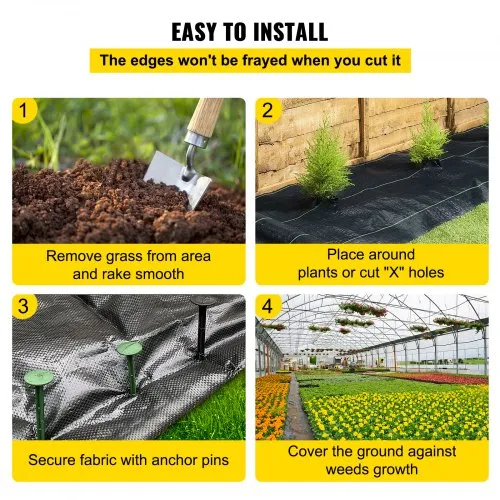
Landscape fabric helps keep weeds out of garden beds. It also lets water and air reach plant roots.
Installing fabric correctly makes your garden look neat and reduces maintenance. Follow simple steps for best results.
Measuring And Cutting
Measure the area where you want to place the fabric. Add extra length for overlaps and edges.
Cut the fabric using sharp scissors or a utility knife. Make clean cuts to avoid fraying or tearing.
- Use a tape measure for accuracy
- Mark cutting lines with chalk
- Cut fabric on a flat surface
Laying Fabric Smoothly
Unroll the fabric slowly across the ground. Smooth out wrinkles and folds as you go.
Overlap edges by at least 6 inches to prevent weeds from growing between sheets.
- Keep fabric tight but not stretched
- Work from one side to the other
- Check for even coverage
Securing With Staples
Use landscape staples to hold the fabric in place. Push staples firmly into the soil.
Place staples every 12 to 18 inches along edges and seams. Add extra staples in windy areas.
- Use U-shaped metal staples
- Staple at corners and overlaps
- Check fabric stays flat after securing
Adding Garden Edging
Garden edging helps define your garden beds. It keeps soil and mulch in place. It also stops grass from spreading into flower beds.
Adding edging works well with landscape fabric. It creates a clean look and reduces garden maintenance.
Types Of Edging
There are many edging types to choose from. Each has a different look and purpose. Choose the one that fits your garden style.
- Plastic Edging: Flexible and easy to install. Good for curves.
- Metal Edging: Strong and long-lasting. Gives a modern look.
- Wood Edging: Natural appearance. Works well in rustic gardens.
- Stone or Brick Edging: Durable and decorative. Adds texture.
- Concrete Edging: Very sturdy. Can be shaped to fit your needs.
Positioning Edging
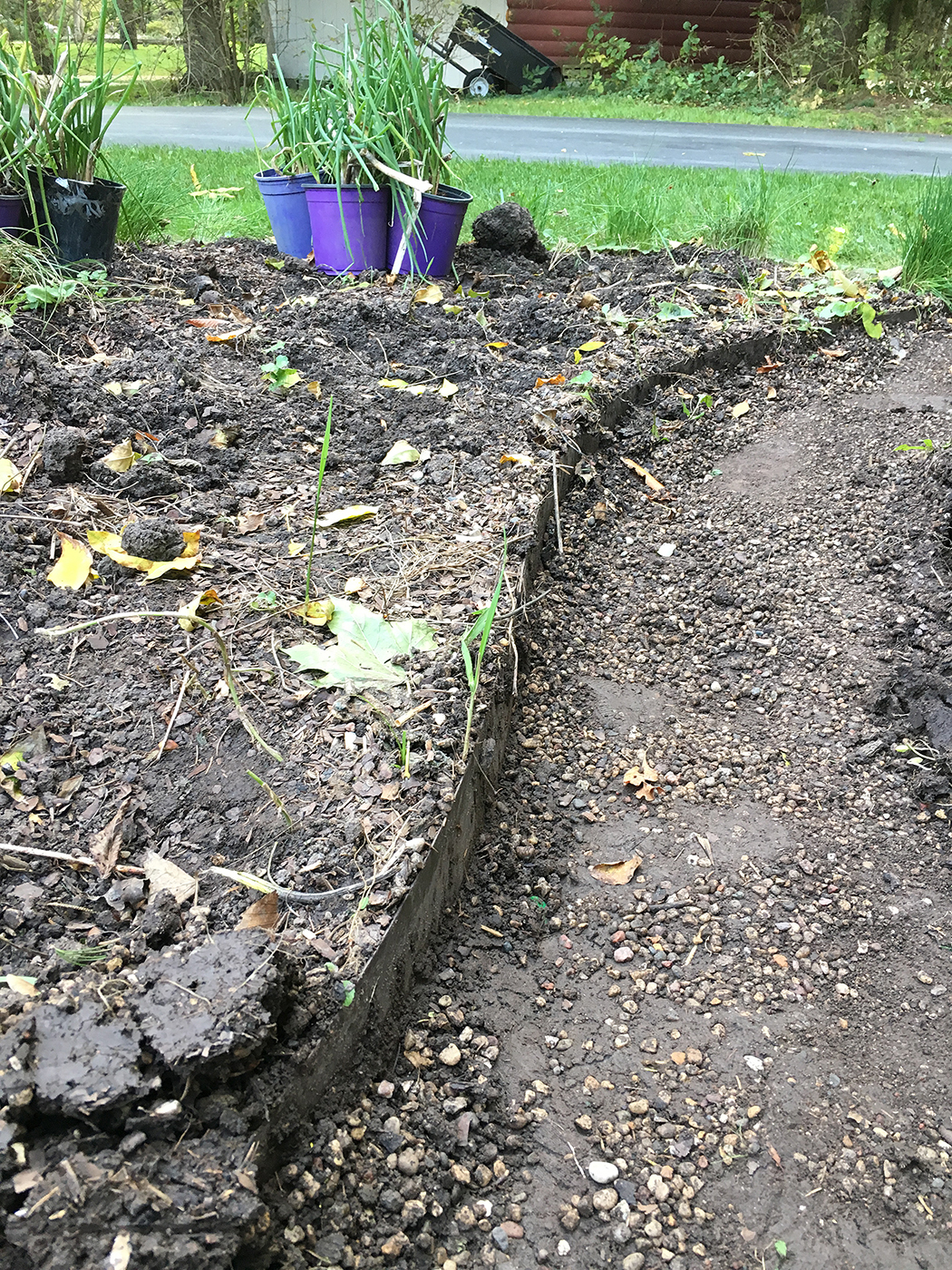
Place edging so it separates the garden bed from lawn or paths. It should be slightly above soil level to hold mulch. Make sure it follows the garden’s shape.
Measure the area before buying edging material. Mark the line with stakes or string. This helps keep the edge straight or smoothly curved.
Fastening Techniques
Secure edging firmly to stop it from moving. Different materials need different fastening methods.
| Edging Type | Fastening Method | Notes |
|---|---|---|
| Plastic | Plastic stakes or spikes | Insert stakes every 12-18 inches |
| Metal | Metal spikes or anchors | Use a hammer or mallet to drive spikes |
| Wood | Wooden stakes or nails | Attach stakes on outside edge for support |
| Stone or Brick | Mortar or landscape adhesive | Use for permanent, solid edges |
| Concrete | Set in soil or concrete base | May require digging trench for stability |
Finishing Touches
After installing landscape fabric and edging, the final steps help protect and improve your garden bed. These finishing touches keep your area neat and lasting longer.
Focus on covering the fabric, trimming any extra material, and caring for the installation to keep it effective.
Covering Fabric With Mulch
Mulch protects the landscape fabric from sunlight and helps retain soil moisture. It also adds a clean look to your garden bed.
Spread mulch evenly over the fabric. Keep the layer about 2 to 3 inches thick for best results.
- Use organic mulch like wood chips or bark.
- Avoid piling mulch against plant stems.
- Replenish mulch yearly to maintain coverage.
Trimming Excess Fabric
Cut off any extra landscape fabric that extends beyond the edging. This keeps the bed tidy and prevents fabric from showing.
Use sharp garden scissors or a utility knife for clean cuts. Trim close to the edging without disturbing it.
- Cut small sections at a time for control.
- Wear gloves to protect your hands.
- Dispose of trimmed fabric pieces properly.
Maintaining The Installation
Keep your landscape fabric and edging working well by checking them regularly. Fix any issues quickly to avoid bigger problems.
Remove leaves and debris from the mulch surface to allow water to reach the soil. Inspect edges for movement or damage.
- Replace mulch as it breaks down.
- Secure edging if it loosens.
- Fix any tears in the fabric promptly.
Credit: www.theimpatientgardener.com
Common Mistakes To Avoid
Installing landscape fabric and edging can improve garden care. Avoiding common mistakes makes the job easier and more effective.
This guide highlights three main errors to watch for. Fixing them helps keep your garden healthy and neat.
Overlapping Fabric Incorrectly
Placing fabric pieces wrongly can cause weeds to grow through. Fabric should overlap enough to block weeds but not trap water.
- Overlap fabric edges by at least 6 inches.
- Lay fabric flat without wrinkles or gaps.
- Secure edges with landscape staples to stop movement.
- Cut fabric carefully around plants to avoid damage.
Ignoring Drainage
Poor drainage causes water to pool under fabric. This harms plants and can lead to fabric decay.
| Drainage Issue | Result | How to Fix |
|---|---|---|
| Fabric blocks water flow | Water pools, roots rot | Cut small holes or slits in fabric |
| Soil slopes toward fabric | Water collects, soil erosion | Grade soil away from fabric |
| Heavy clay soil | Poor drainage, fabric damage | Add sand or organic matter to soil |
Improper Edging Placement
Edging keeps fabric and mulch in place. Wrong placement reduces its effectiveness and can cause damage.
- Place edging flush with the ground surface.
- Ensure edging is deep enough to hold fabric edges securely.
- Check that edging lines are straight and continuous.
- Use stakes to fix edging firmly in place.

Credit: www.amazon.ca
Frequently Asked Questions
What Tools Do I Need To Install Landscape Fabric?
You need a utility knife, garden gloves, landscape staples, a tape measure, and edging materials. These tools help you cut, secure, and install fabric precisely. Having the right tools ensures a smooth and effective installation process.
How Do I Prepare Soil Before Laying Landscape Fabric?
Clear debris, weeds, and rocks from the soil surface first. Then, level and compact the soil. This preparation allows the fabric to lay flat and prevents weed growth under the fabric.
How Do I Secure Landscape Fabric Edges Effectively?
Use landscape staples or pins placed every 6 to 12 inches along edges. Overlap fabric edges by 6 inches to prevent weeds. Proper securing stops fabric movement and keeps weeds from growing underneath.
Can I Install Edging Without Landscape Fabric?
Yes, but combining both controls weeds and defines garden beds better. Edging alone may not prevent weeds from spreading into landscaped areas. Using fabric enhances weed control and soil retention around edges.
Conclusion
Installing landscape fabric and edging protects your garden and keeps it neat. It stops weeds from growing and holds soil in place. Proper installation takes time but pays off in the long run. Choose materials that fit your garden’s needs.
Follow steps carefully for the best results. You’ll enjoy a tidy, low-maintenance outdoor space. Start your project confidently and watch your garden thrive. Simple efforts create lasting beauty.