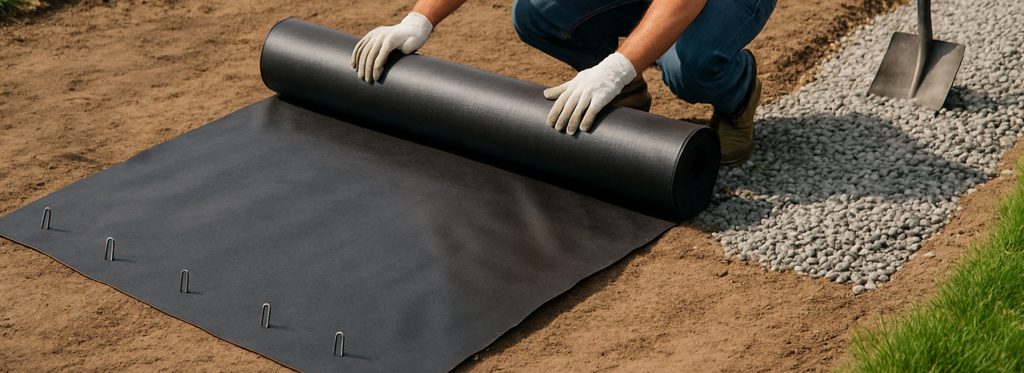
If you want a garden that looks great and stays weed-free, learning how to install landscape fabric is a game-changer. This simple step can save you hours of weeding and keep your plants healthy.
You might be wondering if it’s hard or if it will really work for your yard. Don’t worry—by the end of this guide, you’ll know exactly how to install landscape fabric the right way, so your garden stays neat and thriving all season long.
Ready to make your outdoor space easier to maintain and more beautiful? Let’s get started.
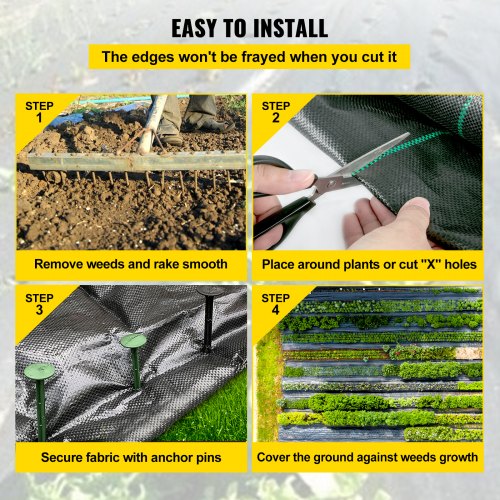
Credit: www.vevor.ca
Choosing The Right Fabric
Landscape fabric helps control weeds and keeps soil healthy. Picking the right fabric is important for your garden or yard.
This guide explains different fabric types, what to think about, and where to buy them.
Types Of Landscape Fabric
There are several types of landscape fabric. Each has unique features and uses.
- Woven Fabric:Made from tightly woven fibers. It is strong and lets water pass through.
- Non-Woven Fabric:Made by bonding fibers. It blocks light well and resists tearing.
- Perforated Plastic:Thin plastic sheets with holes. They block weeds but may trap water.
- Biodegradable Fabric:Made from natural materials. It breaks down over time and is eco-friendly.
Factors To Consider
Choose fabric based on your garden’s needs and soil type. Think about durability, water flow, and weed control.
| Factor | What to Check | Why It Matters |
| Durability | Strong materials last longer | Reduces replacement cost |
| Water Permeability | Fabric should allow water to pass | Prevents soil erosion and root rot |
| Light Blocking | Good fabric stops sunlight | Stops weed growth |
| Eco-Friendliness | Biodegradable options available | Safe for environment |
Where To Buy
Landscape fabric is available at many places. Compare prices and quality before buying.
- Garden centers and nurseries
- Home improvement stores
- Online retailers with customer reviews
- Specialty landscaping shops
Preparing The Garden Area
Installing landscape fabric helps keep weeds away and makes your garden look neat. Preparing the area correctly is vital for the best results.
Follow these simple steps to prepare your garden area effectively. This ensures your landscape fabric works as intended.
Clearing Existing Weeds
Remove all weeds from the area where you will install the landscape fabric. Clearing weeds prevents them from growing under the fabric.
- Use a garden hoe to pull out weeds.
- Dispose of the weeds in a compost bin.
- Ensure no roots are left behind.
Leveling The Soil
Leveling the soil creates a smooth surface for the fabric. This helps prevent tears and ensures it lies flat.
Measuring The Area
Measure the garden area to know how much landscape fabric is needed. Accurate measurement reduces waste and ensures full coverage.
| Tool | Purpose |
| Measuring Tape | Measure length and width |
| Calculator | Calculate total area |
Cutting And Laying Fabric
Installing landscape fabric helps control weeds and keeps soil healthy. Cutting and laying the fabric correctly is important for good results.
Follow simple steps to cut the fabric to size and place it properly in your garden or yard.
Cutting To Size
Measure the area where you want to lay the fabric. Add a few extra inches to cover edges well.
Use sharp scissors or a utility knife to cut the fabric. Cut on a flat surface to keep edges straight.
Positioning The Fabric
Lay the fabric flat on the ground, smooth side up. Remove rocks and sticks from the surface first.
Make sure the fabric fits the area well without stretching. Adjust it to cover all bare soil.
Overlapping Edges
Overlap edges of the fabric by about 6 inches. This stops weeds from growing between pieces.
Secure overlaps with landscape staples or pins to keep the fabric in place during planting.
- Overlap edges by 6 inches
- Use staples to hold fabric down
- Check for gaps between pieces

Credit: www.youtube.com
Securing The Fabric
Securing landscape fabric well keeps it in place. It stops weeds and lets water flow.
Use the right tools and methods to fix the fabric tightly to the ground.
Using Landscape Staples
Landscape staples hold fabric firmly on soil or mulch. They are U-shaped pins made of metal.
Push staples through the fabric into the ground to prevent it from moving.
- Staples come in different lengths, usually 6 to 12 inches
- Longer staples work well on loose or sandy soil
- Use enough staples to cover large areas securely
Proper Staple Placement
Place staples along edges and seams of the fabric. This keeps it tight and secure.
Space staples evenly to avoid gaps where fabric can lift or shift.
- Staple every 12 to 18 inches along edges
- Add staples every 2 to 3 feet across the fabric center
- Secure overlaps by placing staples on both layers
Avoiding Fabric Movement
Secure fabric well to stop wind or foot traffic from moving it. Loose fabric lets weeds grow.
Add weight like mulch or stones on top of the fabric. This helps hold it steady.
- Use enough staples to prevent lifting
- Cover fabric with a 2 to 3 inch layer of mulch
- Check fabric after heavy wind or rain
Adding Mulch Or Gravel
Adding mulch or gravel over landscape fabric helps control weeds and keeps soil moist. It also improves the look of your garden or walkway.
Choosing the right material to cover the fabric is important. It protects the fabric and adds benefits for plants and soil.
Types Of Mulch Compatible With Fabric
Not all mulches work well with landscape fabric. Choose materials that let water and air pass through.
- Wood chips: They break down slowly and look natural.
- Bark mulch: Good for flower beds and paths.
- Gravel: Great for dry areas and prevents weeds well.
- Pine needles: Light and airy, good for acid-loving plants.
- Rubber mulch: Long-lasting and good for playgrounds.
Benefits Of Mulch Layer
| Benefit | Description |
| Weed control | Blocks sunlight to stop weed growth under fabric. |
| Moisture retention | Keeps soil moist longer by reducing evaporation. |
| Temperature regulation | Keeps soil cooler in summer and warmer in winter. |
| Soil protection | Prevents soil erosion and compaction from rain. |
| Aesthetics | Improves garden or walkway appearance. |
Maintaining The Mulch
Mulch needs care to keep it effective and looking good. Check it regularly and add more as needed.
- Remove weeds that grow on top of mulch.
- Rake mulch to keep it even and fresh.
- Top up mulch every year to maintain thickness.
- Keep mulch away from plant stems to avoid rot.
- Check fabric under mulch for tears or damage.
Planting Through Fabric
Using landscape fabric helps control weeds and keeps soil healthy. You can plant flowers and vegetables through it. This guide shows how to do it right.
Planting through fabric needs careful cutting and good watering. Proper techniques help plants grow strong and healthy.
Cutting Holes For Plants
Cut holes in the fabric where you want to plant. Make the holes big enough for roots to grow. Use sharp scissors or a utility knife for clean cuts.
- Mark the spot for each plant.
- Cut an X-shaped slit or a circle.
- Lift the flaps and pull fabric edges back.
- Place the plant in the hole carefully.
Planting Techniques
Plant roots must touch the soil under the fabric. Fill the hole with soil after planting. Firm the soil gently to hold the plant steady.
| Technique | Reason |
| Cut wide holes | Allows root space |
| Firm soil around roots | Prevents air pockets |
| Keep fabric tight | Stops weed growth |
| Mulch on top | Keeps moisture |
Watering Tips
Water plants through the holes in the fabric. Make sure water reaches roots below. Too much water can cause rot.
- Water slowly to soak soil deeply.
- Check soil moisture regularly.
- Water early in the day to reduce evaporation.
- Avoid watering fabric surface to stop mold.
Maintaining A Weed-free Garden
Installing landscape fabric helps keep weeds from growing in your garden. It blocks sunlight and stops weed seeds from sprouting. To keep your garden weed-free, you must care for the fabric properly.
Regular checks and repairs of the fabric will make it last longer. You can also add other weed control methods to improve results.
Regular Inspections
Look over your landscape fabric often. Check for weeds growing through or on the edges. Watch for soil or mulch that has moved and left the fabric exposed. Early spotting stops weeds from spreading.
- Walk your garden every two weeks
- Pull out any weeds you find quickly
- Fix areas where fabric is showing
- Clear leaves and debris from the fabric surface
Replacing Damaged Fabric
If you find holes, tears, or worn spots, replace the damaged pieces. Small tears let weeds grow through. Replacing fabric keeps weeds out and protects your plants.
| Damage Type | Action Needed |
| Small Tear | Patch with new fabric piece |
| Large Hole | Remove section and replace fabric |
| Worn Fabric | Replace whole area if needed |
Additional Weed Control Measures
Use other ways to stop weeds from growing with landscape fabric. Mulch helps block sunlight and keeps soil moist. Hand pulling removes weeds before they spread seeds.
Here are other simple weed control tips:
- Apply a 2-3 inch layer of mulch over the fabric
- Water plants deeply but avoid overwatering
- Use a hoe to remove small weeds near fabric edges
- Plant ground covers to shade soil and reduce weed growth
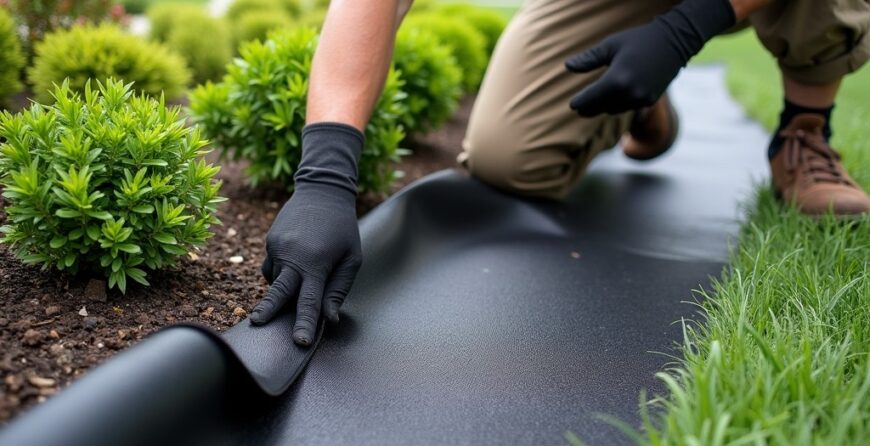
Credit: www.leisurelandscapes.com
Frequently Asked Questions
What Is The Purpose Of Landscape Fabric?
Landscape fabric blocks weed growth while allowing water and nutrients to reach soil. It helps maintain a clean, low-maintenance garden or yard.
How Do I Prepare Soil Before Installing Fabric?
Clear debris and weeds, then level the soil. Water the soil lightly to settle it before laying the fabric.
Can Landscape Fabric Improve Garden Drainage?
Yes, landscape fabric allows water to pass through, preventing waterlogging and promoting healthy root growth.
How Long Does Landscape Fabric Last?
Quality landscape fabric typically lasts 5 to 10 years, depending on exposure to sunlight and wear.
Conclusion
Installing landscape fabric helps keep weeds away and saves time. It lets water and air reach your plants easily. Lay the fabric flat and secure it well for best results. Cover it with mulch to protect and hide the fabric.
Regular checks will keep your garden healthy and neat. This simple step makes gardening easier and more enjoyable. Give your plants a good start with landscape fabric today.