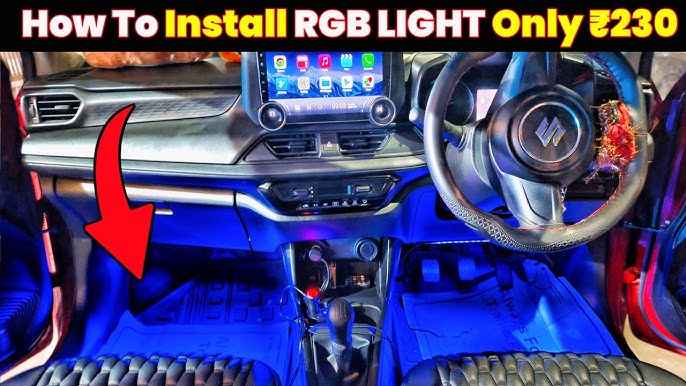
Are you ready to give your car’s interior a fresh, modern look? Installing LED interior lights is one of the easiest and most affordable ways to transform your driving experience.
Imagine stepping into a car that glows just the way you want—cool, bright, and stylish. Whether you want to add a pop of color or improve visibility inside your vehicle, this guide will walk you through every step. By the end, you’ll know exactly how to install LED lights quickly and safely, even if you’ve never done it before.
Keep reading, and let’s light up your ride!
Choosing The Right Led Lights
Installing LED interior lights in your car can improve visibility and style. Picking the right lights makes a big difference.
This guide helps you select LED lights that fit your car and your needs.
Types Of Led Interior Lights
There are several types of LED lights for car interiors. Each type serves a different purpose and place.
- Strip Lights: Flexible and easy to install under seats or along doors.
- Bulb Replacements: Fit into existing light sockets like dome lights.
- Spotlights: Focus light on specific areas like footwells or glove boxes.
- Panel Lights: Flat lights for ceiling or dashboard areas.
Color And Brightness Options
LED lights come in many colors and brightness levels. Choose what fits your style and comfort.
| Color | Best Use | Brightness Level |
| White | Clear visibility | High |
| Blue | Cool look | Medium |
| Red | Night driving, low glare | Low |
| Green | Relaxing ambiance | Low to Medium |
Compatibility With Your Car Model
Not all LED lights fit every car. Check your car’s model and year before buying.
- Look at the size and shape of your current lights.
- Check the voltage needed for your car’s electrical system.
- See if the LED kit includes adapters or connectors.
- Read reviews from owners of the same car model.

Credit: www.chevymalibuforum.com
Tools And Materials Needed
Installing LED interior lights in your car requires some basic tools and materials. Having everything ready makes the process smooth and safe.
This guide covers the essential tools, extra supplies, and safety equipment you need for the job.
Essential Tools
Use these tools to remove panels, connect wires, and fix the LED lights securely inside your car.
- Flathead and Phillips screwdrivers
- Wire strippers and cutters
- Electrical tape
- Multimeter or voltage tester
- Panel removal tools
- Drill with small drill bits (if mounting holes are needed)
Additional Supplies
Extra materials help with installation and ensure the lights work well and last long.
| Supply | Purpose |
| LED light strips or modules | Main lighting source |
| Fuse taps or add-a-circuit adapters | Safe power connection |
| Zip ties | Secure wiring neatly |
| Double-sided tape or mounting clips | Fix lights in place |
| Heat shrink tubing | Protect wire connections |
Safety Equipment
Protect yourself and your car’s electronics with the right safety gear during installation.
- Insulated gloves to avoid shocks
- Safety glasses to protect eyes
- Disconnect car battery before wiring
- Work in a well-lit, dry area
Preparing Your Car Interior
Installing LED interior lights in your car needs a clean and safe workspace. Preparing the inside of your car helps the new lights fit well and last longer.
This guide covers cleaning the area, removing old lights, and disconnecting the battery to keep you safe.
Cleaning The Installation Area
Start by cleaning the spots where you will place the new LED lights. Dirt and dust can block light or stop the adhesive from sticking.
- Use a soft cloth to wipe surfaces gently.
- Apply mild cleaner to remove grease or stains.
- Dry the area completely before installation.
- Check for any cracks or damage on the surface.
Removing Old Lights
Take out the old interior lights carefully to avoid damage. This makes space for the new LEDs and prevents electrical issues.
| Light Type | Removal Tip |
|---|---|
| Bulb lights | Gently twist and pull the bulb from its socket. |
| Strip lights | Peel off slowly to avoid breaking the strip or wires. |
| Panel lights | Use a plastic tool to pry the panel without scratching. |
Disconnecting The Battery
Unplug the car battery to stop power flow. This step protects you from electric shocks and prevents short circuits.
- Locate the car battery, usually under the hood.
- Use a wrench to loosen the negative (-) terminal first.
- Remove the cable from the terminal carefully.
- Repeat for the positive (+) terminal if needed.
- Keep metal tools away from battery terminals to avoid sparks.

Credit: www.amazon.com
Installing Led Lights Step-by-step
Installing LED interior lights in your car can brighten the cabin and improve visibility. You only need a few tools and a bit of patience.
This guide will help you install LED lights safely and correctly in your vehicle.
Positioning The Lights
Choose where you want to place the LED lights inside your car. Common spots include under the dashboard and along the footwells.
Make sure the light strips do not block airbags or controls. Clean the surface before attaching the lights.
- Check for flat surfaces for easy mounting
- Avoid areas exposed to water or heat
- Plan the wiring path before installing
- Test the light placement before final fixing
Wiring And Connections
Connect the LED lights to the car’s power source carefully. Use the vehicle’s fuse box or cigarette lighter for power.
Use wire connectors or solder the wires for a secure connection. Always connect the positive wire to positive and negative to negative.
- Turn off the car before wiring
- Use a multimeter to find correct wires
- Secure connections with electrical tape
- Keep wires away from moving parts
Securing The Lights In Place
Use the adhesive backing on the LED strips or double-sided tape to fix the lights. Press firmly to ensure they stick well.
For extra hold, use cable ties or clips to secure the wires and prevent them from hanging loose.
- Clean surfaces before sticking lights
- Hold lights in place for 30 seconds
- Use cable ties for neat wiring
- Check lights after securing to confirm
Testing And Troubleshooting
After installing LED interior lights in your car, testing is important. It helps ensure the lights work well. Troubleshooting solves common problems that may arise.
This guide covers powering on the lights, fixing common issues, and adjusting brightness and colors.
Powering On The Lights
First, check the power source and connections. Make sure the lights are connected to the car’s battery or fuse box properly. Turn on the car’s ignition or switch to activate the lights.
If the lights do not turn on, check the fuse and wiring for any loose connections or damage.
- Verify all wire connections are secure
- Check the fuse for any signs of damage
- Ensure the power source is active
- Try switching the lights on and off a few times
Common Issues And Fixes
Sometimes LED lights may flicker, not turn on, or stay dim. These issues often come from wiring problems or faulty components.
Fix these problems by checking the wiring, replacing blown fuses, or testing the LED strips with a multimeter.
- Flickering lights: Tighten wire connections and check for loose plugs
- Lights not turning on: Replace blown fuses or check the power source
- Dim lights: Inspect for damaged wires or defective LED strips
- Remote control issues: Replace batteries and ensure line of sight
Adjusting Brightness And Colors
Many LED interior lights allow you to change brightness and colors. Use the remote control or app to make adjustments. Start with low brightness, then increase as needed.
If colors do not change correctly, check the controller settings or reset the device. Make sure the LED strip supports color changes.
- Use remote or app to adjust brightness
- Start with low brightness to save power
- Change colors to match your mood or style
- Reset controller if colors do not respond
- Verify LED strip supports color modes

Credit: www.amazon.ca
Maintaining Your Led Interior Lights
Keeping your LED interior lights in good shape helps them last longer. Proper care also keeps your car looking neat and bright inside.
This guide covers simple ways to clean, fix, and protect your LED lights for better performance.
Cleaning Tips
Dust and dirt can reduce the brightness of your LED lights. Clean them regularly to keep the light clear and strong.
- Use a soft cloth to wipe the lights gently.
- Avoid harsh chemicals that can damage the LED cover.
- Clean the surrounding area to stop dust buildup.
- Do not spray water directly on the lights.
Replacing Faulty Components
If your LED lights flicker or stop working, some parts may need replacement. Checking each component helps find the problem fast.
| Component | Signs of Fault | Replacement Tip |
| LED Bulb | Dim or no light | Buy exact size and voltage |
| Fuse | Lights don’t turn on | Check car manual for fuse type |
| Wiring | Intermittent light or flicker | Look for loose or broken wires |
Extending Led Lifespan
LED lights last longer when used and cared for correctly. Follow these tips to keep your lights working well for years.
- Turn off lights when not needed to save power.
- Avoid exposing LEDs to extreme heat or moisture.
- Use a voltage regulator if your car’s power fluctuates.
- Inspect lights regularly for early signs of wear.
Frequently Asked Questions
How To Choose The Best Led Interior Lights?
Choosing LED lights involves considering brightness, color, and compatibility. Opt for a reputable brand with good reviews. Ensure the lights fit your car’s interior style. Look for energy-efficient options with long lifespans. Always check for easy installation features to save time.
Are Led Interior Lights Easy To Install?
Yes, LED interior lights are generally easy to install. They often come with adhesive backing or simple plug-and-play connectors. Follow the manufacturer’s instructions for the best results. Basic tools like a screwdriver may be needed. Most installations can be completed within an hour.
Do Led Lights Drain Car Battery?
LED lights are energy-efficient and use minimal power. They are less likely to drain your car’s battery compared to traditional bulbs. However, avoid leaving them on for extended periods when the engine is off. This ensures your battery remains charged and functional.
Can I Install Led Lights Myself?
Yes, you can install LED lights yourself with basic tools. Most LED kits come with detailed instructions. Follow step-by-step guides provided by the manufacturer. Ensure you disconnect the battery before starting. This DIY project is manageable with patience and attention to detail.
Conclusion
Installing LED interior lights in your car is simple and rewarding. You can improve your car’s look and feel in just a few steps. Take your time and follow the instructions carefully. Double-check all connections for safety. Enjoy brighter, energy-saving lights that last longer.
This small upgrade adds comfort and style while driving. Try it yourself and see the difference today.