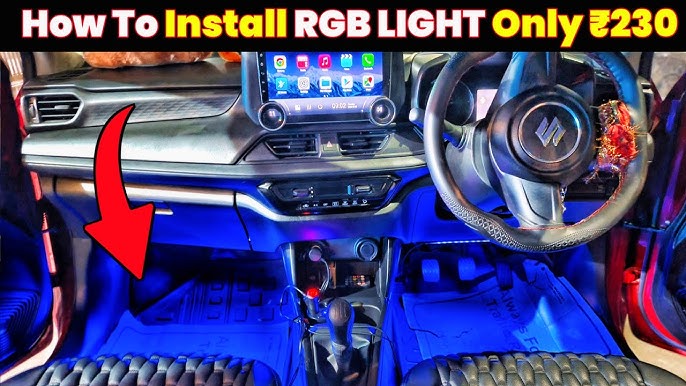
Are you ready to give your car a sleek, modern look with LED lights? Installing LED lights on your car is easier than you might think, and it can instantly boost your vehicle’s style and visibility.
Whether you want brighter headlights or cool accent lighting, this guide will walk you through every step. By the end, you’ll know exactly how to install LED lights safely and effectively, even if you’re not a tech expert. Keep reading to transform your car and turn heads wherever you go!

Credit: www.youtube.com
Choosing The Right Led Lights
Installing LED lights in your car can improve visibility and style. Picking the right LED lights is important for safety and performance.
There are many types of LED lights available. You should also consider some key factors before buying to get the best fit.
Types Of Led Lights For Cars
LED lights come in different forms for various car parts. Each type has a specific use and design.
- Headlights: Bright and focused for night driving
- Fog Lights: Low and wide beam for foggy weather
- Strip Lights: Flexible strips for decoration or extra lighting
- Interior Lights: Small LEDs for dashboard and cabin
- Brake Lights: Strong red LEDs for stopping signals
Factors To Consider Before Buying
Choose LED lights that match your car and needs. Check size, brightness, and power use.
- Compatibility: Make sure the lights fit your car model
- Brightness: Pick a level that improves visibility safely
- Color Temperature: Choose white or yellow tones for best effect
- Durability: Look for waterproof and shockproof features
- Power Consumption: LEDs should not drain your battery
Gathering Necessary Tools
Installing LED lights on your car requires the right tools. Using proper tools makes the job easier and safer.
Before starting, gather all the tools you need. This helps you avoid delays and mistakes.
Basic Tools Checklist
You will need some basic tools for a smooth LED light installation. These tools help you handle wiring and mounting.
- Screwdrivers (both flathead and Phillips)
- Wire strippers and cutters
- Electrical tape
- Crimping tool
- Multimeter to check voltage
- Zip ties to organize cables
- Socket wrench set
- Heat shrink tubing
Safety Equipment
Safety is important when working with car electronics. Use proper safety gear to avoid injuries.
Wear gloves and goggles to protect your hands and eyes. Disconnect the car battery before starting.
- Insulated gloves
- Safety goggles
- Protective clothing
- Non-slip shoes
- Fire extinguisher nearby
Preparing Your Car
Before installing LED lights on your car, you must get it ready. Proper preparation helps the lights work well and last longer.
This guide covers two main steps: cleaning the installation area and disconnecting the battery. Follow these carefully.
Cleaning The Installation Area
Clean the spots where you will place the LED lights. Dirt and dust can stop the lights from sticking properly. Use a cloth and mild cleaner to wipe the area.
- Use soap and water to remove dirt.
- Dry the area completely with a soft cloth.
- Remove grease or oil with rubbing alcohol.
- Avoid harsh chemicals that can damage paint.
- Check that the surface is smooth and dry before installation.
Disconnecting The Battery
Always disconnect your car battery before starting the installation. This step prevents electrical shocks and short circuits.
| Battery Terminal | Action |
| Negative (-) | Disconnect first to stop power flow |
| Positive (+) | Disconnect second after negative terminal |
Removing Old Lights
Removing old LED lights from your car is an important step before installing new ones. It helps to ensure a clean and safe installation.
Careful removal protects the light housing and wiring from damage. Follow simple steps to make the process easy.
Accessing The Light Housing
First, open the car hood or trunk depending on where your lights are located. Look for the light housing cover at the back of the light.
Use a screwdriver or your hands to remove screws or clips that hold the housing cover. Keep these parts safe for reassembly.
- Turn off the car and lights for safety.
- Open the hood or trunk to reach the light housing.
- Remove screws or clips holding the cover.
- Carefully take off the housing cover.
Detaching The Existing Bulbs
Locate the bulb socket inside the light housing. Twist or pull it gently to remove the bulb.
| Action | Details |
| Turn off power | Ensure car lights are off to avoid shocks. |
| Remove bulb socket | Twist or pull to detach from the housing. |
| Pull out bulb | Gently remove the old bulb from the socket. |
| Inspect socket | Check for dirt or damage before installing new bulb. |
Installing Led Lights
Installing LED lights in your car can improve visibility and style. This guide helps you connect the bulbs and secure the light housing safely.
Connecting The Led Bulbs
Start by turning off your car and disconnecting the battery. Locate the light socket where you will install the LED bulb. Remove the old bulb by twisting it out gently. Insert the LED bulb into the socket and twist it to lock in place.
- Turn off car and disconnect battery
- Find the light socket
- Remove the old bulb carefully
- Insert and twist the LED bulb in place
- Reconnect the battery and test the lights
Securing The Light Housing
After connecting the LED bulbs, secure the light housing properly. This keeps the bulbs safe and prevents moisture from entering. Use screws or clips to fasten the housing. Check that the housing fits tightly and there are no gaps.
| Tool | Purpose |
| Screwdriver | Fasten screws on the housing |
| Clips | Hold housing securely in place |
| Sealant | Prevent moisture from entering |
| Rag | Clean housing edges before sealing |

Credit: www.youtube.com
Testing The Installation
After installing LED lights in your car, testing is key. It ensures the lights work correctly.
Testing helps spot problems early. You can fix issues before driving.
Checking Light Functionality
Turn on the car’s power and switch on the LED lights. Watch each light carefully.
Check if all lights turn on and stay bright. Look for flickering or dim spots.
- Test all modes: parking, brake, and turn signals
- Listen for any unusual sounds from the wiring
- Inspect connections for loose wires or corrosion
- Use a voltage tester if a light does not work
Adjusting The Light Position
Check the angle and direction of the LED lights. Adjust to avoid glare and blind spots.
Proper positioning improves visibility and safety. Use screws or brackets to secure lights firmly.
- Loosen mounting screws slightly to move the light
- Point lights toward the road, not into other cars
- Test the light beam after each adjustment
- Tighten screws once the position is correct
Maintaining Your Led Lights
Keeping your LED car lights in good shape helps them last longer. Regular care ensures bright and safe lighting.
Simple maintenance steps can prevent damage and keep your lights working well.
Cleaning Tips
Clean your LED lights often to remove dirt and grime. Dirty lights reduce brightness and visibility.
Use soft cloths and gentle cleaners. Avoid harsh chemicals that can damage the light cover.
- Turn off the lights before cleaning
- Use a damp microfiber cloth
- Apply mild soap with water if needed
- Dry lights fully after cleaning
- Check for cracks or damage while cleaning
Troubleshooting Common Issues
LED lights may stop working or flicker. Check connections and power sources first.
Look for loose wires or blown fuses. Replace any faulty parts to fix problems.
- Inspect wiring for damage
- Test the fuse and replace if blown
- Ensure the battery is charged
- Check the bulb for signs of wear
- Replace bulbs that no longer work

Credit: www.youtube.com
Frequently Asked Questions
How Do I Choose The Right Led Lights For My Car?
When choosing LED lights for your car, consider the bulb type, brightness, and color temperature. Ensure compatibility with your vehicle’s make and model. Opt for high-quality brands to ensure durability and performance. Reading customer reviews can provide insights into the product’s reliability and effectiveness.
Are Led Lights Legal For Car Installation?
LED lights are generally legal for car installation, but regulations vary by location. It’s essential to check your local laws regarding brightness, color, and placement. Some areas restrict certain colors or require specific beam patterns. Always ensure your LED lights comply with your region’s road safety standards.
What Tools Do I Need To Install Led Lights?
To install LED lights, you’ll need basic tools like a screwdriver, pliers, and a wire stripper. Additionally, consider having electrical tape, connectors, and a multimeter. These tools help ensure a secure and efficient installation. Always follow the manufacturer’s instructions for best results and safety.
Can I Install Led Lights Myself?
Yes, you can install LED lights yourself with basic tools and instructions. Follow the manufacturer’s guidelines carefully to ensure a safe installation. If you’re unsure, consider seeking professional help. Proper installation ensures optimal performance and longevity of your LED lights, enhancing your vehicle’s appearance and functionality.
Conclusion
Installing LED lights in your car is simple and rewarding. You just need the right tools and clear steps. Take your time and follow instructions carefully. Safety matters, so disconnect the battery before starting. Test the lights once installed to ensure they work well.
Enjoy brighter, energy-saving lights on your vehicle. This upgrade can improve visibility and style. You now know how to install LED lights easily. Give it a try and see the difference yourself.