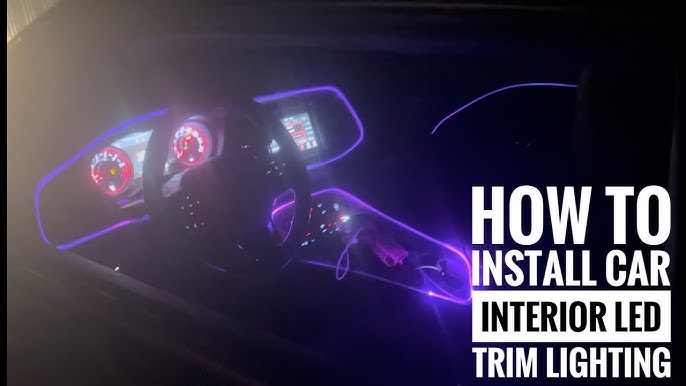
Are you ready to give your car a fresh, modern look that turns heads everywhere you go? Installing LED lights in your car is one of the easiest and most effective ways to upgrade your vehicle’s style and visibility.
Whether you want brighter headlights, glowing interior lights, or eye-catching underglow effects, this guide will walk you through every step. By the end, you’ll know exactly how to install LED lights safely and quickly—no expert skills needed. Keep reading to transform your ride and make your car stand out like never before!
Credit: www.jaginfo.org
Choosing The Right Led Lights
Installing LED lights in your car can improve visibility and style. Choosing the right LED lights matters for safety and fit.
This guide helps you pick LED lights that suit your vehicle and needs. Learn about types, brightness, colors, and compatibility.
Types Of Led Lights For Cars
There are many LED light types for cars. Each serves a different purpose and fits different parts of your vehicle.
- Headlight LEDs:Bright, for main road illumination.
- Fog Light LEDs:Low and wide beam to cut through fog.
- Interior LEDs:For cabin lighting and dashboard.
- Strip LEDs:Flexible strips used for accent lighting.
- Brake and Signal LEDs:Bright and quick to alert other drivers.
Brightness And Color Options
Brightness affects how well you see and how others see you. Color changes the look and function of your lights.
| Brightness (Lumens) | Use |
| 800 – 1,200 | Interior lights |
| 1,500 – 3,000 | Fog lights |
| 3,000 – 4,500 | Headlights |
| 4,500+ | High-beam headlights |
| Color Temperature (Kelvin) | Effect |
| 3,000K – 4,000K | Warm white, soft glow |
| 5,000K – 6,000K | Daylight white, clear visibility |
| Above 6,500K | Blueish tint, stylish look |
Compatibility With Your Vehicle
Check if LED lights fit your car’s model and electrical system. Wrong fit can cause damage or poor performance.
- Look at your car’s manual for bulb size and type.
- Match voltage requirements (usually 12V for cars).
- Ensure the LED light base fits your car’s socket.
- Check if the light is street legal in your area.
- Consider professional installation for complex wiring.
Gathering Tools And Materials
Installing LED lights in your car needs some preparation. You must gather the right tools and materials first.
Having everything ready makes the process smooth and safe. It also helps you avoid mistakes during installation.
Essential Tools Needed
You need basic tools to install LED lights in your car. These tools help you connect wires and mount the lights properly.
- Screwdrivers (both flathead and Phillips)
- Wire strippers and cutters
- Electrical tape
- Multimeter for checking voltage
- Socket wrench set
- Panel removal tool
Safety Gear To Use
Safety gear protects you from injuries while working on your car. Always wear these items before starting the installation.
- Safety gloves to protect your hands
- Safety glasses to guard your eyes
- Long sleeves to avoid scratches
- Closed-toe shoes for foot protection
Additional Supplies
Some extra supplies help secure and finish the LED light installation. These items improve the wiring and mounting quality.
- Zip ties to organize wires
- Heat shrink tubing for wire insulation
- Mounting brackets or clips
- Cleaning cloth to prepare surfaces
- Contact cleaner for electrical connections
Preparing Your Car For Installation
Installing LED lights in your car starts with good preparation. This helps the lights work well and last longer.
Focus on cleaning, removing old lights, and checking the car’s wiring before you begin.
Cleaning The Installation Area
Clean the area where you will put the LED lights. Dirt and grease can stop the lights from sticking well.
- Use a soft cloth with soap and water to wipe the surface.
- Dry the area completely with a clean towel.
- Remove any old adhesive or wax with rubbing alcohol.
- Let the surface dry before you continue.
Removing Old Lights
Take out the old lights carefully. This prevents damage to your car and makes space for new lights.
| Tool | Purpose |
| Plastic pry tool | Lift old lights without scratching |
| Screwdriver | Remove screws holding the lights |
| Gloves | Protect your hands |
| Cleaning cloth | Wipe the area after removal |
Checking Electrical Connections
Check the wires and connectors before adding new lights. Good connections keep the lights working well.
Follow these tips to check connections:
- Look for loose or damaged wires.
- Make sure connectors fit tightly.
- Use a multimeter to test voltage if you have one.
- Replace any broken parts before installing new lights.
Wiring The Led Lights
Wiring LED lights in your car needs care and attention. It ensures the lights work well and stay safe.
Good wiring stops electrical problems and keeps your car’s system healthy. Let’s learn how to wire LED lights properly.
Locating Power Sources
Find a power source that matches the LED lights. You can use the car battery or fuse box for power.
Look for wires that have 12 volts and only work when the car is on. This helps save battery power.
- Check the fuse box for switched power wires
- Use a test light or multimeter to find power
- Avoid tapping into wires that control important systems
Connecting Wires Safely
Use the right tools and parts to connect wires. This stops shorts and loose connections.
Strip wire ends carefully. Use connectors or soldering for strong joins. Cover with heat shrink tubing or electrical tape.
- Use wire strippers to remove insulation
- Connect wires with crimp connectors or solder
- Cover connections with heat shrink tubing
- Keep wires away from hot or moving parts
Using Fuses And Relays
Fuses protect your car from electrical damage. Relays help control power safely to your LED lights.
Install a fuse close to the power source. Use a relay if the LED lights need more current than a switch can handle.
- Choose fuse size based on LED light specs
- Place fuse within 12 inches of the battery
- Use a relay to control high power loads
- Connect relay coil to a switched power wire
Mounting The Led Lights
Mounting LED lights in your car is important for safety and style. Proper installation keeps lights secure and working well.
This guide covers how to place and fix LED lights without harming your car parts.
Choosing The Best Placement
Pick spots that show the lights clearly. Good places include under the car, near the wheels, or inside the cabin.
Avoid areas that block light or get very hot. Make sure the placement follows local rules for car lighting.
- Under the dashboard for interior glow
- Behind the front grille for front lights
- Near the wheel wells for side lights
- Away from engine heat to protect lights
Securing Lights Firmly
Use strong mounts or brackets to hold the lights steady. Loose lights can fall off or cause electrical issues.
Check the mounts after driving on rough roads. Tighten or adjust if needed to keep lights safe.
- Use screws or clips made for car use
- Apply double-sided automotive tape for smooth surfaces
- Wrap wires securely to avoid pulling
- Test the light position before final fixing
Avoiding Damage To Car Parts
Be careful not to scratch or break car parts while mounting. Avoid drilling into important areas like airbags or wiring.
Use protective covers or pads between mounts and car surfaces to prevent marks or dents.
- Inspect the mounting area for cables or sensors
- Use non-invasive clips to hold wires
- Keep lights away from moving parts
- Test all car functions after installation
Testing And Adjusting The Lights
After installing LED lights in your car, it is important to test them. Testing helps ensure they work properly and safely. Adjusting the lights improves visibility and look.
This guide covers how to check the lights, adjust brightness and angles, and fix common problems.
Checking Light Functionality
First, switch on the LED lights and see if they light up. Check both the front and back lights. Make sure all bulbs shine evenly without flickering.
Test the lights in a dark area to see their brightness clearly. Also, check if the lights turn off when you switch them off.
Adjusting Brightness And Angles
Use the car controls or dimmer switch to change the light brightness. Set it to a level that is bright but not blinding to other drivers.
Adjust the angle of the lights to cover the road ahead well. Aim the lights so they do not shine directly into other cars’ eyes.
- Loosen screws or bolts holding the lights
- Move the lights up, down, left, or right as needed
- Tighten screws to keep the lights in place
- Test again to confirm the new position
Troubleshooting Common Issues
If the lights do not turn on, check the fuse and wiring connections. Replace any blown fuses and fix loose wires.
For flickering lights, test the power source. A weak battery or bad connection can cause flickering. Secure or replace faulty parts.
- Check for moisture inside the light covers
- Clean contacts and connectors if dirty
- Replace damaged LED bulbs if needed
- Consult a professional if problems continue
Maintaining Your Led Lights
Keeping your car’s LED lights in good shape helps them last longer. Regular care makes sure they work well and look bright.
Simple steps like cleaning and checking can prevent problems. Fixing small issues early saves money and effort.
Cleaning Tips
Clean your LED lights often to remove dirt and dust. Use a soft cloth to avoid scratches on the lens.
A mild soap and water mix works best. Avoid harsh chemicals that can damage the light cover.
- Turn off the lights before cleaning
- Use gentle circular motions with a soft cloth
- Dry the lights with a clean, dry cloth after washing
- Check for cracks or damage while cleaning
Routine Inspections
Look at your LED lights regularly to find any problems early. Check if all lights shine evenly and brightly.
Inspect the wiring and connections for loose or broken parts. Make sure the lights stay firmly attached to the car.
- Turn on all LED lights and check for dim areas
- Look under the hood for loose wires
- Test lights in different driving modes
- Listen for unusual sounds near the lights
Replacing Faulty Components
Replace any broken or weak LED parts quickly. Faulty components can cause the whole system to fail.
Use parts that match the original LED light specifications. Always disconnect the power before changing parts.
- Identify the faulty LED or wiring
- Buy replacement parts from trusted sources
- Turn off the car and disconnect the battery
- Remove damaged parts carefully
- Install new components and test the lights

Credit: www.youtube.com

Credit: www.chevymalibuforum.com
Frequently Asked Questions
How Do I Choose The Right Led Lights For My Car?
Select LED lights based on your car model and purpose. Consider brightness, color temperature, and compatibility with your vehicle’s electrical system. Check reviews and quality certifications to ensure durability and performance.
What Tools Are Needed To Install Led Lights In A Car?
Common tools include screwdrivers, wire strippers, electrical tape, connectors, and a multimeter. Some installations may require a drill or soldering kit. Always use tools suitable for automotive electrical work.
Can I Install Led Lights Myself Or Hire A Professional?
DIY installation is possible with basic knowledge and tools. However, for complex wiring or custom setups, hiring a professional ensures safety and proper function. Always follow instructions and safety guidelines.
How Long Does It Take To Install Led Lights In A Car?
Installation time varies by complexity and skill level. Simple plug-and-play kits take 30-60 minutes. Custom wiring or multiple lights may require 2-3 hours. Plan extra time for testing and adjustments.
Conclusion
Installing LED lights in your car can be simple. Follow each step carefully. Double-check connections to avoid errors. Use proper tools for safety. LED lights enhance your car’s look. They improve visibility during night drives. Always choose quality lights for better results.
Remember to check local regulations on lighting. Keep the installation guide handy for future reference. Enjoy the new and stylish lighting in your car. Feel proud of your DIY skills.