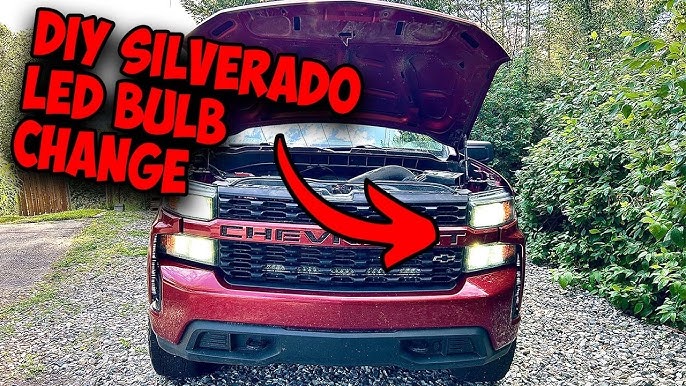
Are you ready to give your car a fresh, modern look that turns heads wherever you go? Installing LED lights in your car is one of the easiest and most affordable ways to upgrade its style and improve visibility at night.
But if you’re worried it might be complicated or time-consuming, don’t be. This guide will walk you through each simple step, so you can confidently add that sleek LED glow to your ride. Keep reading, and by the end, you’ll know exactly how to install LED lights in your car like a pro.
Choosing The Right Led Lights
Installing LED lights in your car can improve visibility and style. Picking the right LED lights is important for safety and performance.
This guide will help you understand different types, colors, and how to check if they fit your car.
Types Of Led Lights For Cars
There are several LED light types for cars. Each type serves a different purpose and fits in different parts of your vehicle.
- Headlights: Bright and focused for night driving.
- Fog Lights: Low and wide beam to cut through fog.
- Interior Lights: Used inside the car for cabin lighting.
- Strip Lights: Flexible strips for decoration or accent lighting.
- Brake Lights: Bright red lights for signaling stops.
Color And Brightness Options
LED lights come in many colors and brightness levels. Choose colors that match your car and local laws.
| Color | Common Use | Brightness Level |
| White | Headlights, interior | High |
| Yellow | Fog lights | Medium |
| Red | Brake lights, rear | High |
| Blue | Accent lighting | Low to medium |
| Green | Interior or decorative | Low |
Compatibility With Your Vehicle
Check if the LED lights match your car’s power and socket type. Wrong fit can cause damage or poor performance.
- Look at your car manual for bulb size and type.
- Check voltage and wattage to avoid electrical issues.
- Make sure the LED lights fit into your car’s light housing.
- Verify if your car’s system supports LED lights or needs adapters.
Tools And Materials Needed
Installing LED lights in your car requires specific tools and materials. Having the right items makes the process safer and easier.
This guide covers the essential tools, safety gear, and extra supplies you need for a smooth installation.
Essential Tools
You need a few basic tools to install LED lights correctly. These tools help with wiring and mounting the lights.
- Wire strippers for cutting and stripping wires
- Crimping tool to secure connectors
- Multimeter to check electrical connections
- Screwdrivers (flat and Phillips) for mounting
- Electrical tape to insulate wires
- Heat shrink tubing for protecting connections
Safety Gear
Wear safety gear to protect yourself from electrical shocks and injuries. Always work in a safe environment.
| Safety Item | Purpose |
| Insulated gloves | Protect hands from electric shocks |
| Safety glasses | Shield eyes from sparks and debris |
| Closed-toe shoes | Protect feet from falling tools |
| Work light | Provide clear visibility in tight spaces |
Additional Supplies
Besides tools and safety gear, some extra supplies help complete the installation cleanly and efficiently.
These supplies include:
- LED light strips or bulbs designed for automotive use
- Wire connectors and terminals
- Zip ties to organize wires
- Mounting brackets or adhesive pads
- Fuse taps for safe electrical connections
Preparing Your Car
Installing LED lights in your car needs careful preparation. Getting your car ready helps the installation go smoothly.
Proper preparation also protects your car parts and ensures the new lights work well.
Cleaning The Installation Area
Clean the area where you will install the LED lights. Dirt and dust can stop the lights from sticking properly.
Use a soft cloth and mild cleaner to wipe the surface. Let it dry before you start installing the lights.
Disconnecting The Battery
Always disconnect your car battery before working with electrical parts. This step prevents shocks and short circuits.
Remove the negative cable first, then the positive cable. Keep tools away from the battery terminals.
Removing Old Lights
Take out the old lights carefully to avoid damage. Check your car manual for the right way to remove them.
Use the correct tools to loosen screws or clips. Keep the old parts in case you need to reuse or replace them.
Credit: www.amazon.sa
Step-by-step Installation Process
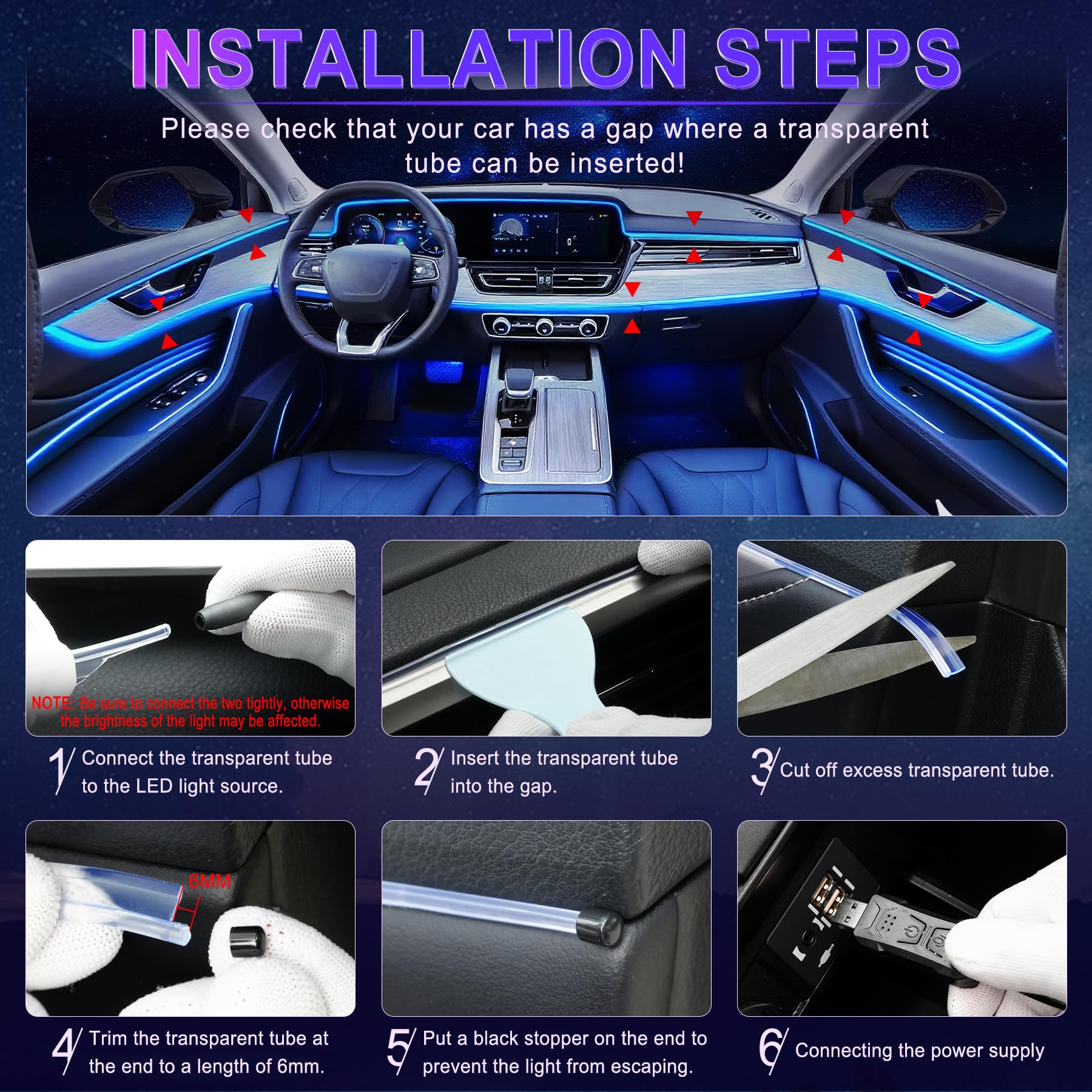
Installing LED lights in your car can improve visibility and style. This guide will help you with the main steps to install them safely.
Follow these instructions carefully. Make sure you have the right tools and materials before you start.
Positioning The Led Lights
Choose the best spots for your LED lights. Common places include under the dashboard, along the footwells, or near the door panels.
- Clean the surface where you want to place the lights.
- Measure the length needed to cover the area.
- Test the lights to check their brightness and color.
- Plan the wiring path to avoid visible cables.
Wiring And Connecting
Connect the LED lights to your car’s power supply carefully. Use the right connectors and tools to avoid damage.
| Wire Color | Function | Tip |
| Red | Positive (+) power | Connect to switched power source |
| Black | Negative (-) ground | Attach to metal chassis |
| Yellow | Control signal (if any) | Follow product manual |
Securing The Lights In Place
Fix the LED strips or bulbs firmly so they do not move while driving. Use clips, adhesive tape, or screws as needed.
Here are common methods to secure LED lights:
- Double-sided automotive tape for smooth surfaces
- Plastic clips for edges and corners
- Screws with rubber washers for permanent mounting
- Cable ties to bundle wires neatly
Testing And Adjustments
After installing LED lights in your car, testing them is important. This makes sure they work well and are safe to use.
Adjustments help improve how the lights shine and fit your car’s design. Follow these tips for good results.
Checking Light Functionality
Turn on your car’s power and switch on the LED lights. Look closely to see if all lights glow evenly.
Check for flickering or dim spots. Make sure the lights respond well when you use dimmer switches or controls.
- Test all lights one by one
- Check brightness and color consistency
- Watch for any blinking or flickering
- Use car controls to test dimming features
Adjusting Light Angles
Adjust the angle of the LED lights to avoid blinding other drivers. Proper angles also improve your road visibility.
Loosen the mounting screws slightly. Tilt the lights up, down, left, or right until you get the right beam direction.
- Aim lights to illuminate the road ahead clearly
- Keep beams low enough to avoid glare
- Tighten screws after adjusting
- Test adjustments by driving in dark areas
Troubleshooting Common Issues
If lights do not turn on, check the power source and connections. Loose wires often cause problems.
Look for blown fuses or faulty switches if lights flicker or fail. Replace or repair parts as needed.
- Check battery and fuse box
- Inspect wiring for loose or damaged parts
- Replace blown fuses immediately
- Test switches and controls for faults
- Consult a professional if problems continue
Maintenance Tips
Taking care of your car’s LED lights helps them last longer. Good maintenance keeps the lights bright and safe.
Learn simple tips to clean, protect, and fix your LED lights. These steps save you time and money.
Cleaning Led Lights
Dirty lights look dim and can reduce visibility. Clean your LED lights often to keep them bright.
Use a soft cloth and mild soap with water. Avoid harsh chemicals that can damage the light cover.
- Turn off the lights before cleaning
- Wipe gently to remove dust and dirt
- Dry with a soft towel to avoid water spots
Protecting Against Moisture
Moisture can cause LED lights to fail or flicker. Protect your lights from water and humidity.
Check seals and covers regularly. Replace any damaged parts to stop water from entering the light housing.
- Keep headlight seals tight and intact
- Park in covered areas to avoid rain exposure
- Use waterproof covers if needed
Replacing Faulty Components
Faulty parts can cause LED lights to stop working. Replace damaged bulbs or wiring quickly.
Use parts that fit your car model. Follow the manufacturer’s instructions for safe replacement.
- Turn off power before replacing parts
- Handle LED bulbs with care to avoid damage
- Test the lights after replacement
Legal And Safety Considerations
Installing LED lights in your car can improve visibility and style. You must follow legal rules and safety tips to stay safe and avoid fines.
Knowing the laws and using the lights correctly protects you and other drivers on the road.
Local Regulations On Car Lighting
Each area has rules about what types of LED lights you can use on your car. These laws cover color, brightness, and placement of the lights.
Check with your local transportation department before installing LED lights. This helps you avoid breaking the law.
- Some colors like blue or red may be illegal for civilian cars
- Front lights usually must be white or yellow
- Brightness limits prevent blinding other drivers
- Some areas ban flashing or moving lights
Ensuring Road Safety
LED lights should help you see better and be seen by others. Use lights that improve safety, not distract or confuse drivers.
Install lights carefully and test them at night to make sure they work well without causing glare.
- Keep headlights aimed correctly to avoid blinding others
- Use LED lights that match your car’s original light color
- Do not install too many lights or very bright lights
- Turn off extra lights when not needed
Avoiding Common Mistakes
Many people install LED lights wrong. This can cause legal trouble or unsafe driving conditions.
Follow instructions and do not ignore local laws. Use quality parts and tools for installation.
- Do not use LED kits that are not designed for cars
- Check wiring to avoid short circuits or failures
- Do not install lights that flash or change colors unlawfully
- Test lights in different weather and lighting conditions

Credit: www.youtube.com

Credit: www.youtube.com
Frequently Asked Questions
What Tools Do I Need To Install Led Lights?
To install LED lights in your car, you need a screwdriver, wire connectors, electrical tape, and a voltmeter. These tools help ensure a secure installation and connection. It’s also a good idea to have the LED light kit’s instruction manual on hand for specific requirements.
Can Led Lights Fit All Car Models?
LED lights are generally versatile and can fit most car models. However, it’s essential to check the compatibility of the LED lights with your specific car model. Refer to the manufacturer’s guidelines or consult a professional to ensure a proper fit and avoid potential issues.
How Long Does It Take To Install Led Lights?
Installing LED lights in your car typically takes about 1 to 2 hours. The time required depends on your experience and the complexity of the installation. Make sure to follow the instructions carefully and take your time to ensure a proper and safe installation.
Are Led Car Lights Energy Efficient?
Yes, LED car lights are energy efficient and consume less power than traditional lights. They produce brighter illumination while using less energy, which can extend your car battery’s life. This efficiency makes them an excellent choice for car lighting upgrades, offering both performance and savings.
Conclusion
Installing LED lights in your car can improve its look and safety. Follow each step carefully to avoid mistakes. Use the right tools and parts for the best fit. Take your time and check connections twice. Enjoy brighter, clearer lighting on every drive.
Your car will stand out on the road. Keep your wiring neat to prevent issues later. Remember, safety first when working with electricity. Now, you are ready to brighten your car with LED lights.