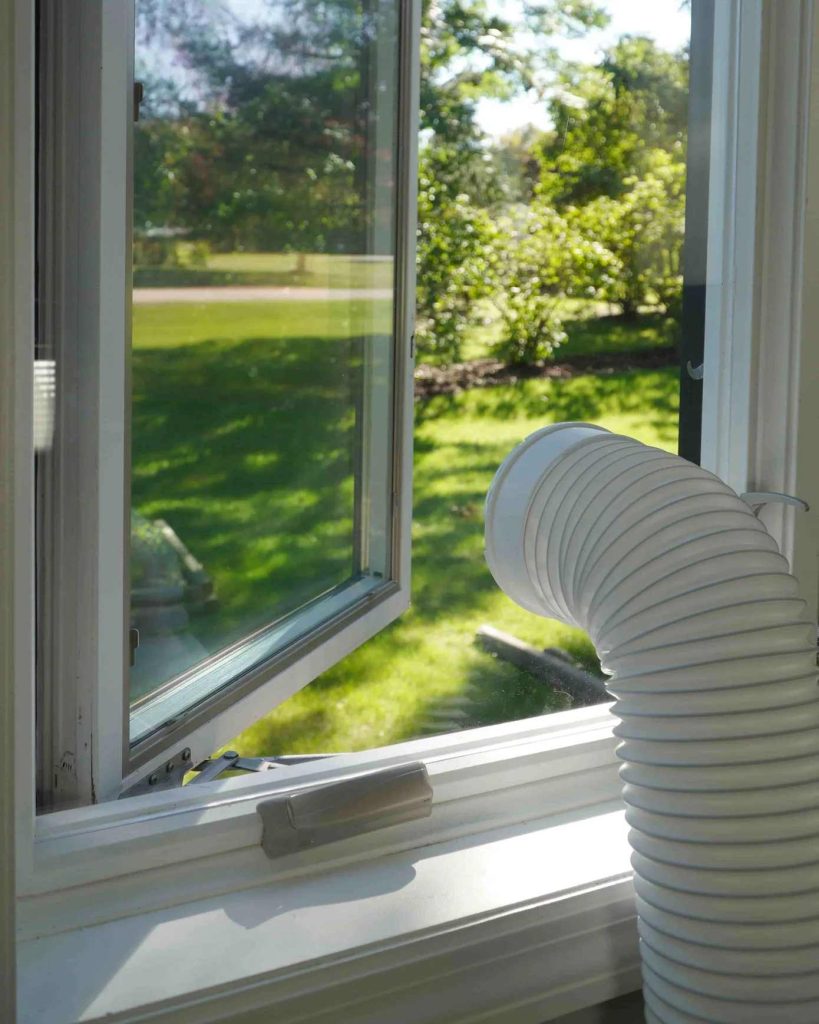
Are you struggling to keep your room cool without the hassle of a big air conditioner? A portable air conditioner with a casement window kit might be the perfect solution for you.
But how do you install it correctly to make sure it works efficiently and keeps your space comfortable? In this guide, you’ll discover simple, step-by-step instructions that anyone can follow. By the end, you’ll have your portable air conditioner up and running smoothly, giving you relief from the heat without any stress.
Keep reading to find out how easy it is to install your portable air conditioner in a casement window!
Credit: www.apartmenttherapy.com
Choosing The Right Portable Ac
Portable air conditioners come in several types. The main ones include single-hoseand dual-hosemodels. Single-hose units use one hose to exhaust hot air outside. Dual-hose units use one hose to pull air in and another to push hot air out. Dual-hose models are usually more efficient in cooling larger spaces.
Measuring your room size is important. Measure the length and width in feet, then multiply to get the area in square feet. This helps select an AC with the right cooling capacity. Usually, one BTU of cooling is needed per square foot.
| Room Size (sq ft) | Recommended BTU |
|---|---|
| 100-300 | 6,000 – 8,000 |
| 300-500 | 8,000 – 12,000 |
| 500-700 | 12,000 – 14,000 |
Check the power requirements of the unit. Most portable ACs need a standard 110-120V outlet. Make sure the electrical circuit can handle the load. Overloading can cause tripped breakers or damage. Use an extension cord only if rated for the AC’s power.
Preparing The Casement Window
Start by cleaning the window frame thoroughly. Remove dust, dirt, and any sticky residue. This helps the air conditioner fit snugly and securely. Use a damp cloth to wipe all sides of the frame.
Next, measure the window dimensions carefully. Measure the width and height of the opening where the air conditioner will go. Write down these numbers. Accurate measurements prevent gaps and air leaks.
Clear the window area of any obstacles. Remove curtains, blinds, or any objects blocking the window. This ensures easy installation and proper airflow.
Gathering Installation Tools
Gathering the right toolsbefore starting makes the job easier. The essential tools include:
- Screwdriver– for securing screws and brackets.
- Measuring tape– to measure window and air conditioner parts.
- Drill– helps to make holes quickly and cleanly.
- Level– ensures the air conditioner stays straight.
- Utility knife– useful for cutting insulation or sealing strips.
- Wrench– for tightening nuts and bolts.
Safety is very important. Use glovesto protect hands. Wear safety glassesto guard your eyes. Keep the work area clear to avoid accidents.
Credit: martinsonmanufacturing.com
Assembling The Window Kit
Start by carefully unpacking all window kit components. Check for the main window panel, side panels, screws, and sealing strips. Lay them out on a flat surface to avoid losing any parts.
Adjust the kit to fit your window size. Most kits have extendable side panels. Slide them to match the width of your casement window. Use a screwdriver to secure the panels with screws. Make sure the kit fits snugly to prevent air leaks.
Installing The Exhaust Hose
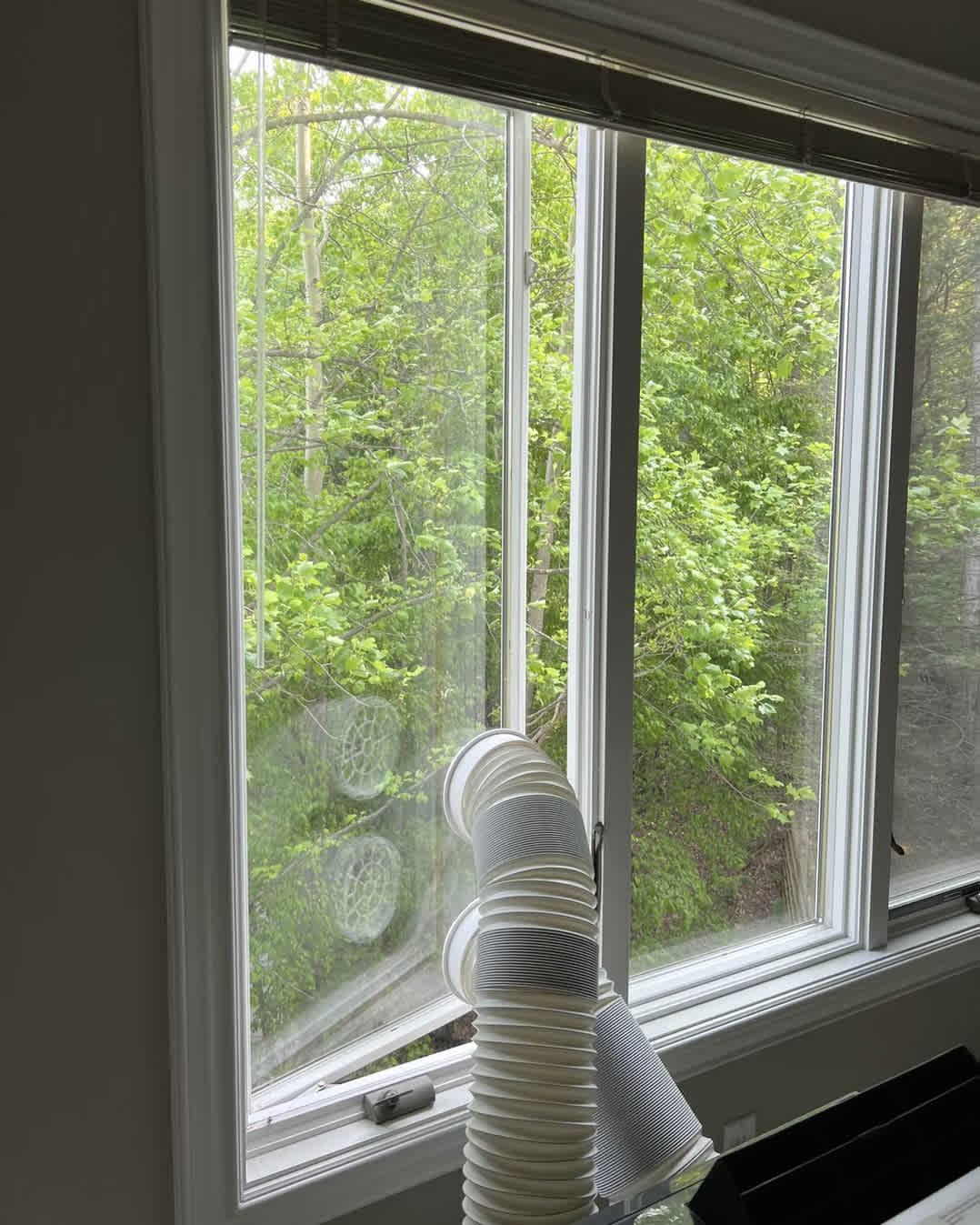
Connect the exhaust hosefirmly to the air conditioner’s outlet. Push it in until it fits tightly. This prevents hot air from leaking back inside.
Use the clampor ringthat came with your AC to hold the hose in place. Twist or snap it to secure the connection.
Next, attach the other end of the hose to the window kit. The kit should have a hole or adapter for the hose.
Slide the hose end into the window kit opening. Make sure it is snug and sealed to stop air leaks.
- Align the window kit inside the window frame.
- Adjust the kit’s length to fit your window size.
- Lock the kit in place using screws or clips provided.
Check that the hose is straight and not bent sharply. Bends can block airflow and reduce cooling.
Fitting The Window Kit In Casement Window
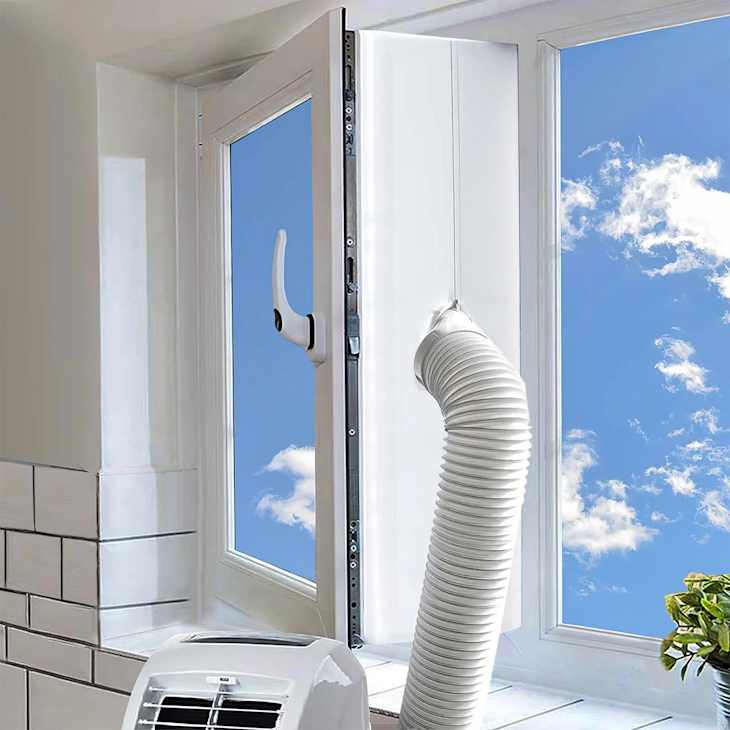
Place the window kit inside the casement window frame. Ensure it fits snugly without gaps. The kit should cover the open space fully to block outside air.
Use foam strips or weatherproof tape to seal any small gaps. This stops hot air and bugs from entering. Check all edges carefully for leaks.
- Close the casement window gently on the kit.
- Make sure the window locks securely to hold the kit in place.
- Test if the window stays shut firmly with the kit installed.
Testing And Adjustments
Plug in the portable air conditioner and press the power button. Listen for the sound of the fan and compressor starting. Check if the unit cools the air within a few minutes. Adjust settings like fan speed and temperature to your comfort.
Look closely at the window seal and edges of the air conditioner. Feel for cold or warm air leaking through gaps. Use weather stripping or foam tape to fill any spaces. Sealing leaks keeps the cooled air inside and saves energy.
- Ensure the unit’s exhaust hose is straight and not bent.
- Position the air intake and vents away from curtains or furniture.
- Adjust the louvers to direct cool air where you want it most.
- Keep doors and windows closed to improve cooling efficiency.
Maintenance Tips
Cleaning filtersregularly keeps the air conditioner working well. Remove the filter carefully. Rinse it with warm water and mild soap. Let it dry completely before placing it back. Clean the filter every two weeks during heavy use. A clean filter improves air flow and cools better.
Storing the unit off-seasonhelps protect it for next use. Drain all water from the unit to stop mold growth. Clean the entire unit, including the filter and vents. Cover the air conditioner with a plastic sheet or cloth to keep dust away. Store it in a dry, cool place. This keeps the unit safe and ready for next summer.
Credit: www.apartmenttherapy.com
Frequently Asked Questions
How Do You Install A Portable Ac In A Casement Window?
First, open the casement window fully. Attach the mounting bracket to the window frame. Secure the exhaust hose to the AC unit and place it near the window. Connect the exhaust hose to the bracket and seal gaps with weather stripping for efficiency.
Can Portable Acs Fit All Casement Window Sizes?
Most portable ACs come with adjustable brackets fitting standard casement windows. Measure your window before purchasing. Custom extensions are available for wider or taller windows to ensure a tight, secure fit and optimal cooling performance.
What Tools Are Needed For Installation?
You will need a screwdriver, measuring tape, mounting brackets, weather stripping, and possibly a drill. These tools help secure the AC unit and exhaust hose properly, ensuring stability and preventing air leaks during operation.
How To Seal Gaps After Installation?
Use foam weather stripping or caulk to seal gaps around the exhaust hose and window frame. Proper sealing prevents hot air from entering and cool air from escaping, improving the unit’s efficiency and reducing energy costs.
Conclusion
Installing a portable air conditioner in a casement window is simple and quick. Follow each step carefully to ensure a good fit and proper ventilation. Use the right tools and materials for safety and efficiency. Regularly check the unit and window seal to keep cool air inside.
Enjoy a comfortable room without permanent changes to your window. This method works well for renters or those who move often. Keep your space cool during hot days with this easy setup.