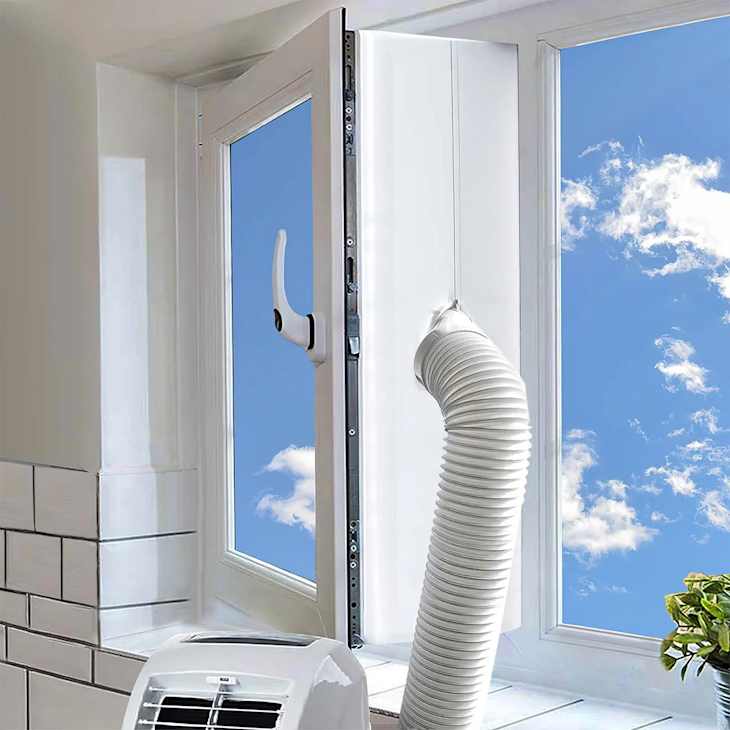
Are you struggling to keep your room cool without a bulky air conditioner taking up space? Installing a portable air conditioner in your casement window could be the perfect solution.
But you might be wondering, “How do I make it fit securely and work efficiently? ” Don’t worry—this guide will walk you through every step, making the process simple and stress-free. By the end, you’ll know exactly how to set up your portable air conditioner so you can enjoy cool, comfortable air without any hassle.
Keep reading to find out how easy it really is!
Choose The Right Portable Ac
Installing a portable air conditioner in a casement window needs the right AC unit. The size and features matter most. Picking the right model will cool your room efficiently.
Consider the window type, room size, and AC features before buying. This guide helps you choose the best portable AC for a casement window.
Measure Your Room Size
Knowing your room size helps you pick an AC with the right cooling power. Measure the length and width of the room in feet. Multiply them to get the square footage.
Choose a portable AC with enough BTUs (cooling power) for your room size. Too small will not cool well. Too big wastes energy.
| Room Size (sq ft) | Recommended BTUs |
| 100 – 300 | 6,000 – 8,000 |
| 300 – 500 | 8,000 – 12,000 |
| 500 – 700 | 12,000 – 14,000 |
| 700 – 1,000 | 14,000 – 18,000 |
Check Window Compatibility
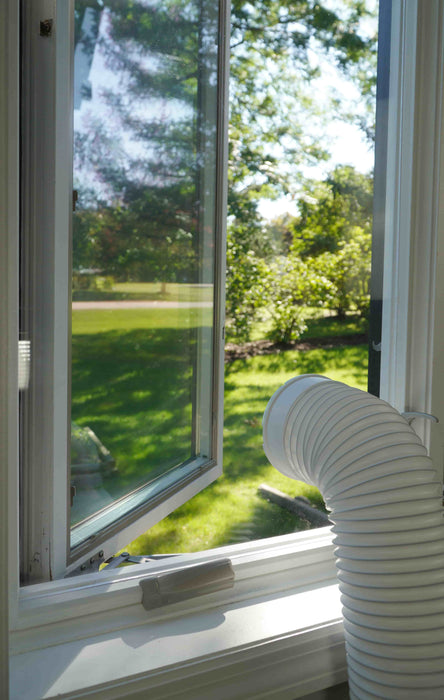
Casement windows open outward with a crank. This is different from sliding windows. Make sure the portable AC fits well with this style.
- Look for portable ACs with flexible window kits
- Check if the exhaust hose can be installed in a casement window
- Some kits use adjustable panels or sealing foam
- Measure the window opening before purchase
Consider Ac Features
Pick features that make installation and use easier. Some important features to look for:
- Remote control for easy operation
- Multiple fan speeds and modes
- Energy-saving settings
- Easy-to-clean air filters
- Auto shut-off when water tank is full
Think About Noise Levels
Portable ACs make noise when running. Check the decibel (dB) rating. Lower dB means quieter operation. This is important if you plan to use it in a bedroom or study.
Look for models with noise ratings under 60 dB for quiet use.
Credit: martinsonmanufacturing.com
Measure Your Casement Window
Measuring your casement window correctly is key to installing a portable air conditioner. It helps ensure a good fit and proper sealing.
Take your time to measure carefully. This prevents problems during installation and improves cooling efficiency.
Check Window Width
Use a tape measure to find the exact width of the casement window frame. Measure from one side to the other.
Measure Window Height
Measure the height from the bottom to the top of the window frame. This helps select the right size for the air conditioner’s exhaust kit.
Record Window Depth
Measure how deep the window frame is from the inside edge to the outside edge. This ensures the unit will fit properly in the window space.
List Of Needed Measurements
- Width of casement window frame
- Height of casement window frame
- Depth of window frame
Use A Measurement Table
| Measurement | How to Measure | Why It Matters |
| Width | Measure side to side inside the frame | Ensures air conditioner fits horizontally |
| Height | Measure top to bottom inside the frame | Determines vertical fit of exhaust kit |
| Depth | Measure front to back of frame | Checks if unit will fit securely |
Gather Installation Tools
Installing a portable air conditioner in a casement window needs the right tools. Prepare everything before you start to make the process smooth.
This guide helps you find and organize the tools needed for a safe and easy installation.
Measuring Tape
Use a measuring tape to check the window size. It helps to pick the correct window bracket and ensure a proper fit.
Screwdriver
A screwdriver is necessary to secure brackets and panels. Both flathead and Phillips types might be needed.
Drill And Drill Bits
A drill makes holes for screws in hard surfaces. Select drill bits that match the screw size for best results.
Level And Pencil
Use a level to keep the air conditioner straight in the window. Mark spots with a pencil before drilling or screwing.
Tools Checklist
- Measuring tape
- Flathead screwdriver
- Phillips screwdriver
- Drill with correct drill bits
- Level
- Pencil
- Protective gloves (optional but recommended)
Prepare The Window Frame
Installing a portable air conditioner in a casement window needs a clean and secure frame. Preparing the window frame helps the unit fit well and work properly.
Check the window frame for damage and clear any dirt or debris. This makes sure the air conditioner stays stable and safe.
Clean The Window Frame
Remove dust, dirt, and old paint from the window frame. Use a brush or cloth to clean all corners and edges well.
A clean frame helps the sealing materials stick better. It also prevents damage to the window and air conditioner.
Check For Damages And Repairs
Look for cracks, holes, or rot in the window frame. Fix any problems before installing the air conditioner.
- Fill small cracks with wood filler or sealant
- Replace broken or rotten parts of the frame
- Make sure the frame is strong and level
Measure The Window Opening
Use a tape measure to find the exact width and height of the window opening. Accurate measurements help fit the air conditioner properly.
Write down the measurements and compare them with your portable air conditioner’s size. Adjust the window frame if needed.
Prepare Sealing Materials
Get weatherstripping, foam tape, or caulk ready. These materials seal gaps around the air conditioner and keep air from escaping.
- Weatherstripping blocks air leaks
- Foam tape fills small gaps
- Caulk seals cracks and holes
Install The Window Bracket
Installing the window bracket is a key step for your portable air conditioner. This bracket holds the unit’s exhaust hose in place.
It fits securely in your casement window and helps seal any gaps. This stops hot air from coming inside.
Measure The Window Frame
Start by measuring the width and height of your casement window frame. This ensures the bracket fits well.
Use a tape measure and write down the exact numbers. Check if the bracket size matches these measurements.
Attach The Bracket To The Window
Open the casement window fully before placing the bracket. Position the bracket inside the window frame.
Use screws or clamps to secure the bracket tightly. Make sure it does not move or shake when touched.
Seal The Edges Around The Bracket
Seal any gaps between the bracket and window frame. Use weatherstripping or foam sealant for a tight fit.
This prevents air leaks and keeps your room cool. Check all sides to ensure no space is left open.
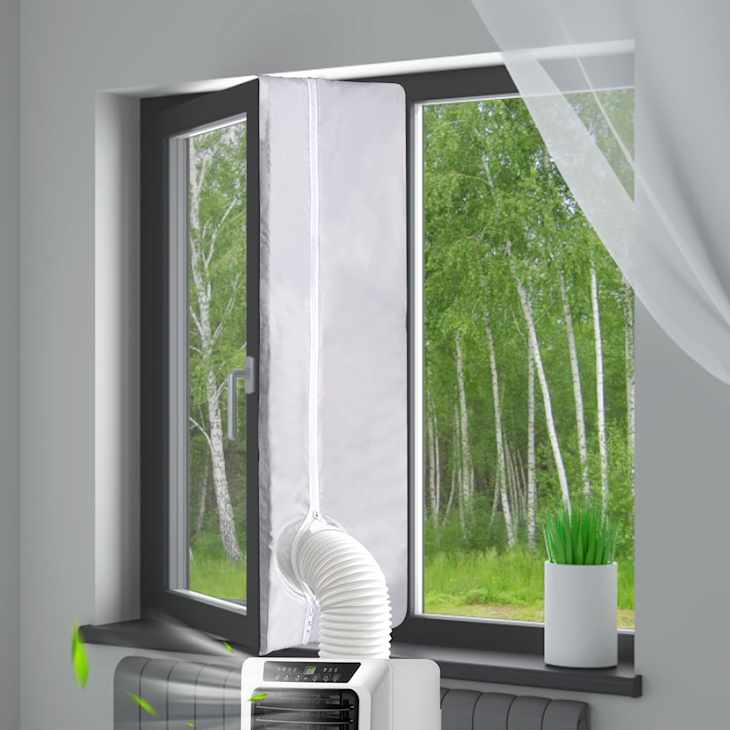
Connect The Exhaust Hose
Attach the portable AC exhaust hose to the bracket’s opening. Push it in firmly to avoid leaks.
Secure the hose with the provided clip or screws. This directs hot air outside your home.
Credit: www.apartmenttherapy.com
Attach The Exhaust Hose
Attaching the exhaust hose correctly is important for your portable air conditioner. It helps remove hot air from the room.
This guide shows how to connect the exhaust hose to a casement window setup safely and securely.
Locate The Exhaust Port On The Unit
Find the round exhaust port usually at the back of the air conditioner. This is where the hose will connect.
Attach The Hose To The Exhaust Port
Push the hose end firmly onto the exhaust port. Twist it slightly to lock it in place if needed.
Secure The Hose Connection
- Use the clamp that came with your air conditioner.
- Place the clamp over the hose where it meets the exhaust port.
- Tighten the clamp with a screwdriver until secure.
- Check that the hose does not easily pull off.
Connect Hose To Casement Window Kit
The other end of the hose must connect to the window kit that fits your casement window.
| Window Kit Part | Purpose |
|---|---|
| Adapter Plate | Fits the hose to the window opening |
| Sealing Strip | Prevents air leaks around the window |
| Locking Mechanism | Keeps the window closed securely |
Attach the hose to the adapter plate on the window kit. Make sure it fits tightly.
Secure The Portable Ac Unit
Securing your portable air conditioner in a casement window is important for safety and efficiency. A well-secured unit stays stable and works better.
This guide explains how to fix the portable AC firmly in place to avoid damage or air leaks.
Clean the window frame to remove dust and dirt. Check for any damage or gaps that could affect the seal.
Position The Portable Ac Unit
Place the portable AC unit close to the window. Make sure the exhaust hose can reach outside without bending sharply.
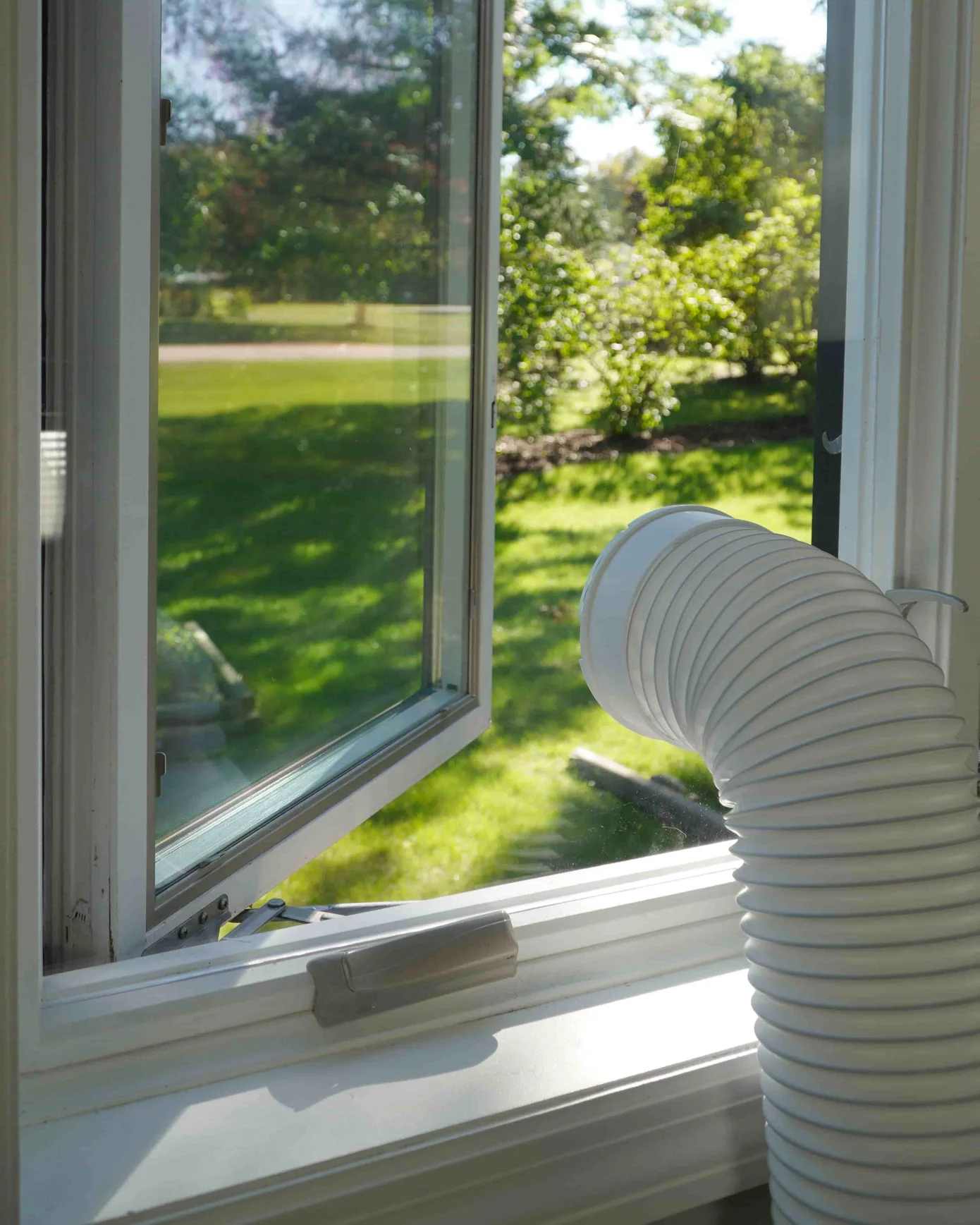
Connect the exhaust hose to the back of the AC unit. Attach the other end to the window adapter that fits the casement window.
Secure The Window Panel
Use the window adapter panel to fill the open space in the casement window. This keeps hot air outside and cold air inside.
- Place the panel into the window frame
- Close the window sash firmly against the panel
- Seal any gaps with weatherstripping or foam tape
- Check that the panel does not move or fall
Fix The Ac Unit To The Floor
Some portable AC units come with brackets or screws to anchor the unit. Use these to avoid shifting during use.
Credit: www.apartmenttherapy.com
Seal Gaps And Insulate
Installing a portable air conditioner in a casement window can leave gaps around the unit. These gaps let hot air inside and reduce cooling power. Sealing and insulating these gaps is important to keep your room cool.
This guide explains how to seal gaps and add insulation to your portable air conditioner setup in a casement window. Follow these tips to improve efficiency and comfort.
Check For Gaps Around The Window
First, open the casement window and place the portable air conditioner’s exhaust hose outside. Close the window as much as possible around the hose. Look carefully for any small or large gaps.
These gaps let warm air enter and cool air escape. Find all spaces around the hose and window frame before sealing.
Use Weatherstripping To Seal Small Gaps
Weatherstripping tape works well to seal small gaps around the window. It is flexible and sticks to surfaces easily. Apply it along the edges where the window meets the frame and hose.
- Clean the surface before applying tape
- Press firmly to ensure good adhesion
- Cover all small cracks and gaps
Fill Larger Gaps With Foam Or Insulation
If you see bigger openings, use foam backer rod or insulation foam. This material fills spaces and stops air leaks. Cut the foam to fit the gap and press it inside.
Then, seal the foam with weatherstripping tape or caulk to keep it secure and airtight.
Cover The Exhaust Hose And Window Frame
Wrap the exhaust hose with insulation material to reduce heat transfer. Use reflective foil tape or foam wrap made for air conditioner hoses. Attach the insulation tightly along the hose length.
Also, add insulation around the window frame if needed. This stops heat from outside from reaching inside your room.
Secure The Window With A Window Seal Kit
A window seal kit helps close gaps and hold the window tightly. These kits usually include panels and seals that fit your casement window. Install the kit around the air conditioner’s hose and the window frame.
- Measure your window and hose size
- Cut panels to fit around the hose
- Attach seals to block air leaks
Test The Air Conditioner
After installing your portable air conditioner in the casement window, testing it is important. This ensures the unit works well and cools the room efficiently.
Testing helps find any installation issues early. It also confirms the air conditioner fits tightly and runs smoothly.
Check Power And Controls
Plug in the air conditioner and turn it on. Use the control panel to set the desired temperature and fan speed. Make sure all buttons and settings respond correctly.
Inspect Airflow And Cooling
Feel the air coming from the unit. It should be cool and strong. Check that cold air flows inside the room and warm air vents outside through the window.
- Make sure the exhaust hose is tight and not bent.
- Look for any air leaks around the window seal.
- Confirm the unit does not shake or make loud noises.
Monitor Temperature Changes
Use a thermometer to track room temperature before and after running the air conditioner. The room should cool down within 15 to 30 minutes.
| Time Running | Room Temperature |
| Before | 75°F (24°C) |
| 15 minutes | 70°F (21°C) |
| 30 minutes | 68°F (20°C) |
Listen For Unusual Sounds
Pay attention to noises coming from the unit. A smooth hum is normal, but rattles or grinding sounds mean a problem.
Maintain Your Portable Ac
Keeping your portable air conditioner in good shape helps it last longer. Regular care also keeps the air clean and cool.
This guide shows simple ways to maintain your portable AC in a casement window.
Clean Or Replace The Air Filter
The air filter stops dust and dirt from entering your AC. Clean it every two weeks or replace it if needed.
- Turn off and unplug the AC unit.
- Remove the filter from the back or side.
- Wash the filter with warm water and mild soap.
- Let it dry completely before putting it back.
- Replace the filter every 3 months if it is worn out.
Check And Empty The Water Tank
Portable ACs collect water inside. Check the tank often and empty it to avoid leaks and mold.
- Locate the water tank or drain plug.
- Remove and empty the tank carefully.
- Clean the tank with a soft cloth if needed.
- Put the tank back securely.
Inspect The Exhaust Hose
The exhaust hose releases hot air outside. Check it for cracks or blocks to keep your AC efficient.
| Issue | Check | Fix |
| Cracks or holes | Look along the hose | Seal with tape or replace hose |
| Blockages | Feel for air flow | Clear debris or bend hose properly |
| Loose connection | Check ends at AC and window | Tighten or secure with clamps |
Store Your Portable Ac Properly
Store your AC well during cold months. This protects it and keeps it ready for next use.
Storage Tips:
- Drain all water from the unit.
- Clean the filter and dry it.
- Cover the AC with a plastic sheet.
- Keep it in a dry, cool place.
Frequently Asked Questions
Can You Install A Portable Ac In A Casement Window?
Yes, you can install a portable AC in a casement window. Use a specially designed window kit that fits vertically. Ensure the kit securely seals the window opening to prevent air leaks. This setup allows efficient cooling while accommodating the unique design of casement windows.
What Tools Are Needed For Installation?
To install, you’ll need a measuring tape, screwdriver, and the window kit included with the AC. Make sure you have a level to ensure proper alignment. Having these tools handy will make the installation process smoother and more efficient.
Are Window Kits Universal For Casement Windows?
Window kits are not universal but adjustable to fit various casement windows. Measure your window dimensions before purchasing to ensure compatibility. Some kits are designed specifically for casement windows, providing a snug and secure fit for optimal cooling performance.
How Do You Seal Gaps Around The Window Kit?
Use weatherstripping or foam tape to seal gaps around the window kit. This prevents air leaks and improves efficiency. Properly sealing the gaps ensures that the cool air stays inside and the hot air remains outside, optimizing the unit’s performance.
Conclusion
Installing a portable air conditioner in a casement window is simple. Follow each step carefully for the best fit. Seal gaps to keep cool air inside and hot air out. Check the unit’s stability to avoid accidents. Regular maintenance helps your air conditioner work well longer.
Enjoy a cooler home without much effort or cost. This setup saves space and cools rooms efficiently. Stay comfortable during hot days with your installed unit.