Imagine the convenience of having your own washer and dryer right in your apartment. No more trips to the laundromat or shared laundry rooms.
But how do you make that happen? Installing washer and dryer hookups might seem tricky, especially in an apartment setting. Don’t worry—you can do this yourself with the right guidance. You’ll discover simple steps to set up your laundry hookups safely and efficiently.
By the end, you’ll be ready to enjoy fresh, clean clothes without leaving your home. Keep reading to learn exactly how to transform your apartment laundry experience.
Assessing Space And Requirements
Installing washer and dryer hookups in an apartment needs careful planning. You must check the available space and other important needs before starting.
This guide helps you understand what to measure, check rules, and pick the right machines for your apartment.
Measuring Available Space
Begin by measuring the area where you want to place the washer and dryer. Use a tape measure to get exact numbers for width, height, and depth.
- Measure width between walls or cabinets
- Check ceiling height to fit stacked units
- Allow extra space for ventilation and door openings
- Note the location of water and electrical outlets
Checking Apartment Regulations
Your apartment building may have rules about washer and dryer installation. Contact your landlord or management for guidelines.
| Regulation | Details |
| Allowed Locations | Designated laundry areas only |
| Plumbing Rules | Must use approved water lines |
| Electrical Codes | Require grounded outlets and proper wiring |
| Noise Restrictions | Limit running times to reduce disturbance |
Selecting Suitable Washer And Dryer Models
Pick machines that fit your space and meet your apartment’s rules. Choose models that are energy efficient and easy to install.
- Front-load washers save space and water
- Stackable sets work well in small areas
- Electric or gas dryers based on hookups available
- Check noise levels if near living spaces

Credit: www.reddit.com
Gathering Tools And Materials
Installing washer and dryer hookups in an apartment needs the right tools and materials. Getting everything ready will save time and avoid extra trips to the store.
This guide lists the essential tools and the plumbing and electrical supplies needed for the job.
Essential Tools List
Having the correct tools will make the installation easier and safer. Here are the basic tools you should gather before starting.
- Adjustable wrench
- Pipe wrench
- Slip-joint pliers
- Phillips and flathead screwdrivers
- Drill with drill bits
- Measuring tape
- Level
- Utility knife
- Pipe cutter or hacksaw
- Voltage tester
Required Plumbing And Electrical Supplies
You will need specific plumbing and electrical materials to connect the washer and dryer safely and properly.
| Supply | Description |
|---|---|
| Water supply hoses | For hot and cold water connections |
| Drain hose | To carry wastewater from the washer |
| Shutoff valves | To control water flow to the washer |
| Electrical outlet | Properly rated for washer and dryer power needs |
| Wire connectors | For safe electrical wiring connections |
| Flexible dryer vent hose | To vent the dryer outside |
| Pipe sealant or Teflon tape | To prevent leaks on threaded connections |
Preparing Plumbing Connections
Installing washer and dryer hookups in an apartment needs careful plumbing preparation. Proper connections ensure your appliances work safely and efficiently.
This guide covers how to prepare water supply lines, install valves and hoses, and set up drainage systems for your laundry area.
Locating Water Supply Lines
Find the main water lines in your apartment to connect the washer. These lines usually run behind walls or under floors near the laundry space.
Look for cold and hot water pipes. The washer needs both for proper washing cycles. Use a stud finder or pipe detector to locate pipes safely.
Installing Water Valves And Hoses
Install shut-off valves on the water supply lines before attaching hoses. These valves let you control water flow and stop leaks quickly if needed.
- Turn off the main water supply before installation.
- Attach a valve to each water line using proper fittings.
- Connect washer hoses to the valves securely.
- Check for leaks by slowly turning valves on after installation.
Setting Up Drainage Systems
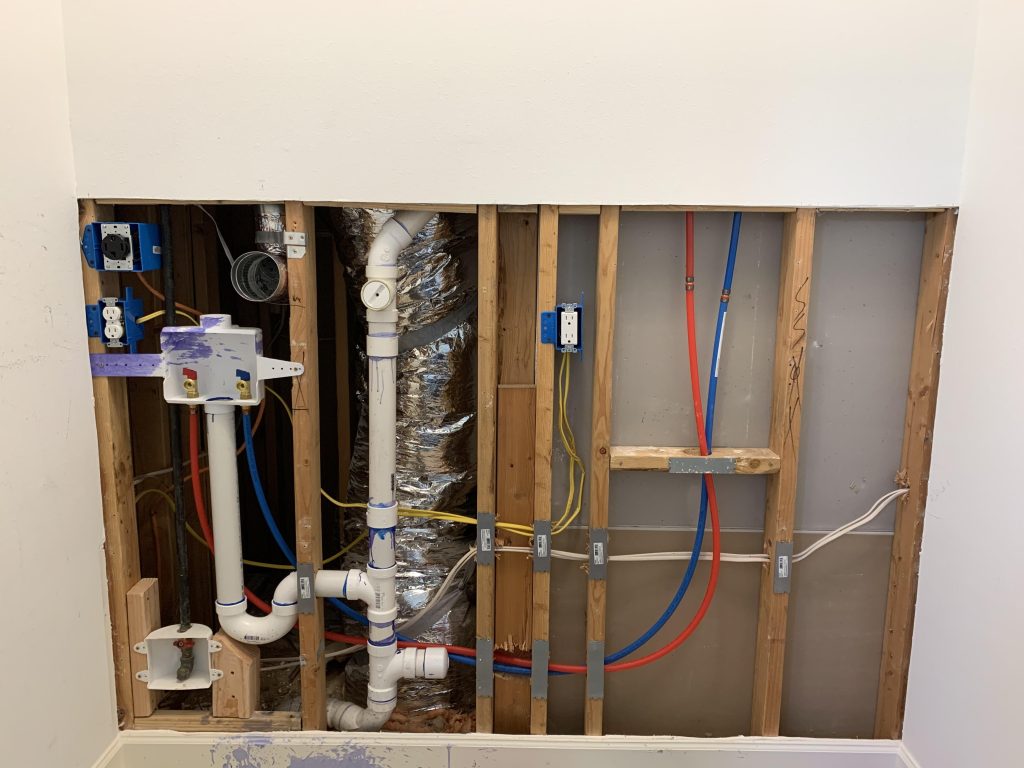
Proper drainage prevents water damage and keeps your apartment safe. You need a drain pipe near the washer for wastewater to flow out.
| Drain Component | Description | Installation Tip |
|---|---|---|
| Standpipe | Vertical pipe where washer drain hose fits | Must be at least 18 inches tall |
| Drain trap | Prevents sewer gases from entering apartment | Install below the standpipe |
| Vent pipe | Allows air flow for smooth drainage | Connects to plumbing vent stack |

Credit: www.reddit.com
Setting Up Electrical Wiring
Installing washer and dryer hookups in an apartment requires proper electrical wiring. Setting up the right wiring ensures your appliances work safely and efficiently.
Understanding power needs and following safety rules helps avoid electrical problems. This guide covers key steps for electrical wiring setup.
Determining Power Requirements
Check the washer and dryer manuals for their power ratings. Most washers need 120 volts, while dryers often require 240 volts.
- Look for voltage and amperage labels on appliances
- Calculate total power to avoid overloads
- Consider future appliance upgrades
- Use a dedicated circuit for each appliance
Installing Outlets And Circuit Breakers
Install outlets that match your appliances’ plugs and power needs. Use GFCI outlets for extra protection against shocks.
| Appliance | Voltage | Recommended Outlet |
| Washer | 120V | Standard 3-prong outlet |
| Dryer | 240V | 4-prong dryer outlet |
Install circuit breakers sized for each appliance’s amperage. This protects wiring from damage and prevents fires.
Ensuring Safety And Compliance
Follow local electrical codes and building rules. This keeps your installation legal and safe.
- Turn off power before working on wiring
- Use proper wire gauges and connectors
- Test outlets with a voltage tester
- Hire a licensed electrician if unsure
Installing Washer And Dryer Units
Installing washer and dryer hookups in an apartment helps save trips to laundromats. It also makes laundry easier and faster. This guide explains how to install washer and dryer units step-by-step.
Follow these instructions carefully to ensure safe and proper installation. You will learn about positioning appliances, connecting water and drain hoses, and hooking up electrical connections.
Positioning Appliances
Choose a flat and stable spot for your washer and dryer. Keep space around the units for ventilation and easy access. Make sure the floor can support their weight.
Check that the water supply and electrical outlets are near the chosen spot. Avoid placing appliances too close to walls to prevent damage and allow hoses and cords to connect easily.
Connecting Water And Drain Hoses
Attach the water supply hoses to the washer’s hot and cold water inlets. Tighten connections by hand, then use pliers for a secure fit. Do not overtighten to avoid leaks.
Connect the drain hose to the washer’s drain outlet. Position the other end into the apartment’s drain pipe or utility sink. Make sure the hose is secure and free of kinks.
- Use new hoses to prevent leaks
- Check water pressure before connecting
- Secure drain hose to avoid spills
- Test connections for leaks after setup
Hooking Up Electrical Connections
Plug the washer into a grounded electrical outlet that matches the unit’s power needs. Use a dedicated circuit if possible to prevent overloading.
For electric dryers, connect the power cord to the proper outlet. Some dryers need a 240-volt outlet, so check your apartment’s wiring and the dryer’s specifications.
- Turn off power before connecting cords
- Use correct power outlets for each unit
- Avoid extension cords for safety
- Test electrical connections before use
Testing And Troubleshooting
Installing washer and dryer hookups in an apartment can be tricky. It’s important to test and troubleshoot to ensure everything works correctly.
Here’s how to run initial tests, identify common issues, and fix installation problems.
Running Initial Tests
After installing the hookups, it’s time to test them. Turn on the water supply and check for any leaks around the connections.
Plug in the dryer and washer and test their power supply. Make sure the machines start without any issues.
Identifying Common Issues
Common issues include water leaks, electrical problems, or incorrect hookups. Listen for unusual sounds during operation.
- Water dripping or pooling near connections
- The washer or dryer not starting
- Unusual noises during cycles
Fixing Installation Problems
If you find problems, you need to fix them quickly. Tighten loose connections to stop leaks.
Check the power cords if the machines don’t start. Make sure they are firmly plugged in and the outlet works.
- Use a wrench to secure loose fittings
- Test outlets with another device
- Consult the appliance manual for troubleshooting tips
Maintenance Tips For Longevity
Installing washer and dryer hookups in an apartment can be a great convenience. Proper maintenance ensures they last longer and work efficiently.
Simple practices help keep your appliances in top shape. Regular maintenance can prevent costly repairs.
Regular Cleaning Practices
Cleaning your washer and dryer is important. It helps them run smoothly and prevents odors.
Wipe the outside of the machines and clean the inside monthly. Use a damp cloth and mild soap.
- Remove lint from the dryer after every use
- Run an empty hot wash with vinegar monthly
- Check for detergent buildup in the washer
Checking Hoses And Connections
Inspect hoses and connections regularly. This prevents leaks and potential water damage.
Make sure hoses are tightly connected. Look for any signs of wear or cracks.
- Check hoses every 6 months for cracks
- Ensure connections are secure
- Replace hoses every 3-5 years
Scheduling Professional Inspections
Professional inspections help catch problems early. Schedule a check-up once a year.
Technicians can spot issues you might miss. They ensure your machines are safe and efficient.
- Hire a professional for annual inspections
- Ask for advice on appliance care
- Keep a record of maintenance visits

Credit: www.reddit.com
Frequently Asked Questions
What Tools Are Needed For Washer And Dryer Hookups?
You need a drill, adjustable wrench, pipe cutter, screwdriver, and plumbing tape. These tools help connect water and electrical lines safely and securely.
Can I Install Washer Hookups In Any Apartment?
Installation depends on your apartment’s plumbing and electrical access. Always check building codes and get landlord approval before starting.
How Do I Connect Water Supply For Washer Hookups?
Attach hot and cold water hoses to corresponding valves. Use plumber’s tape to prevent leaks and tighten connections firmly.
What Electrical Requirements Are Needed For Dryer Hookups?
Dryers need a 240-volt outlet or 120-volt for electric models. Ensure proper circuit breakers and follow local electrical codes.
Conclusion
Installing washer and dryer hookups in your apartment saves time and money. It lets you do laundry at home, avoiding laundromats. Follow safety steps and check building rules first. Use the right tools and connect water, drain, and power carefully.
Take your time and double-check each step. Soon, you will enjoy the convenience of home laundry. Simple steps lead to great results. Ready to start?