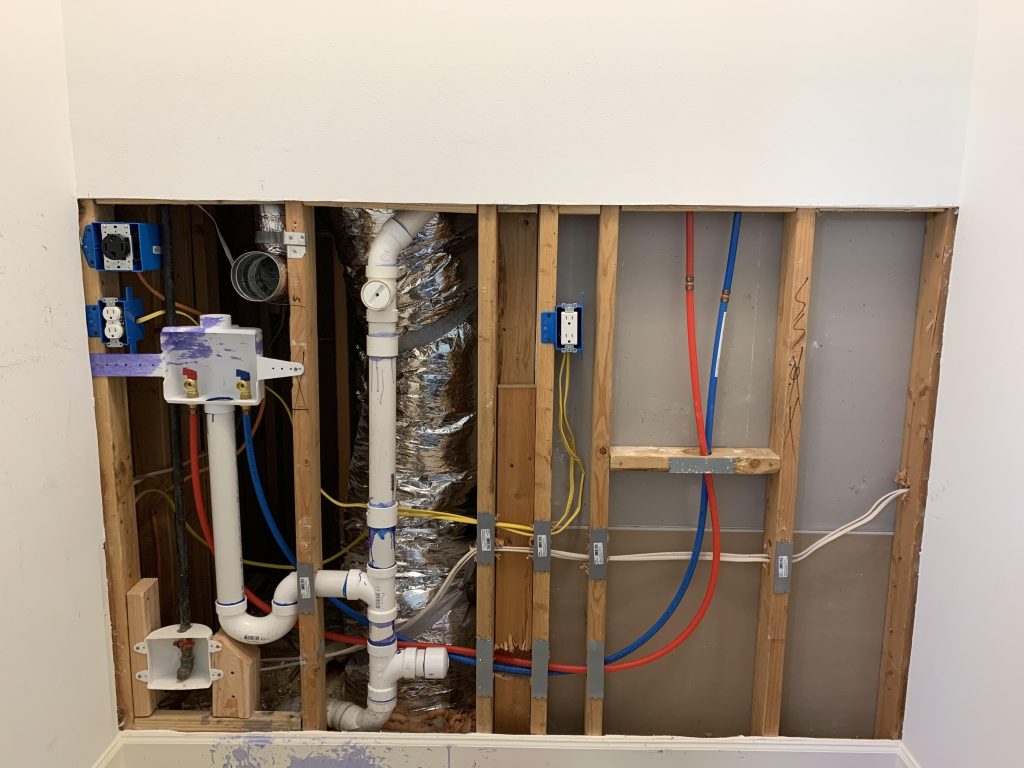
Are you ready to make laundry day easier by installing washer dryer hookups in your home? You might think it’s a complicated task, but with the right steps, you can do it yourself without hiring a pro.
Imagine having your own laundry space, saving time and trips to the laundromat. In this guide, you’ll learn exactly what you need to know to set up your washer and dryer hookups safely and efficiently. Keep reading, and you’ll be surprised at how simple the process can be!
Gather Tools And Materials
Installing washer dryer hookups requires the right tools and materials. Gathering them before starting saves time.
Use quality tools to ensure safe and efficient installation. Below are the common items you will need.
Wrench Set
A wrench set helps tighten and loosen plumbing connections. Choose adjustable or fixed sizes.
- Adjustable wrench
- Open-end wrenches
- Pipe wrench (optional)
Plumbing Pipes And Fittings
You need pipes to connect water supply to the washer. Use proper fittings to join pipes securely.
- Hot and cold water pipes
- Drain pipe
- Pipe connectors and elbows
Hose Clamps
Hose clamps hold hoses tightly to pipes or fittings. Use metal clamps for durability and a secure fit.
Water Supply Hoses
Water supply hoses connect the water pipes to the washer. Choose hoses that match your washer’s requirements.
- Hot water hose
- Cold water hose
- Check length to fit your space
Drain Hose
The drain hose carries wastewater from the washer to the drainpipe. Use a flexible hose for easy installation.
Teflon Tape
Teflon tape seals threaded plumbing connections. It prevents leaks around pipe joints and fittings.
Screwdrivers
Screwdrivers help secure brackets and clamps. Use both flathead and Phillips types for different screws.
- Flathead screwdriver
- Phillips screwdriver
Level Tool
A level tool ensures your washer and dryer hookups are straight. This helps prevent water leaks and drainage problems.
Safety Gear
Safety gear protects you during installation. Always wear gloves and safety glasses when working with tools and pipes.
- Protective gloves
- Safety glasses
Choose The Right Location
Choosing the right location for your washer dryer hookups is important. A good spot makes installation easier and use safer.
Consider space, water access, and electrical needs before you start.
Find A Level Surface
Pick a flat and stable area. A level surface helps the washer and dryer work well.
If the floor is uneven, the machines may shake or make noise.
Check Water Supply Access
Choose a spot near water pipes. Both hot and cold water lines are needed for the washer.
Make sure the water valves are easy to reach for maintenance and emergencies.
Ensure Proper Drainage
Locate the hookups near a drain or install a drain pipe. The washer needs to remove used water safely.
A poor drainage setup can cause leaks or flooding.
Confirm Electrical Outlet Availability
Find a location with a grounded 240-volt outlet for the dryer and a 120-volt outlet for the washer.
Check that the wiring can handle the power load to avoid electrical issues.
Consider Ventilation For Dryer
Choose a spot near an outside wall for dryer venting. Proper ventilation removes heat and moisture.
Poor ventilation can cause mold growth and damage to your home.
Allow Enough Space For Doors And Movement
Make sure there is room to open washer and dryer doors fully. Leave space for loading and unloading clothes.
- Keep at least 2 feet of clearance in front
- Allow space on the sides for hoses and cords
- Check for obstacles like cabinets or pipes
Prepare Water Supply Lines
Installing washer dryer hookups starts with preparing water supply lines. This step ensures your appliances get water safely and efficiently.
Proper preparation helps prevent leaks and water damage. Follow these steps carefully to set up your water lines.
Shut Off Main Water Valve
First, turn off the main water valve. This stops water flow to your entire home, making it safe to work on the pipes.
Locate the main valve near your water meter or where the pipe enters your home. Turn it clockwise to close it.
- Find the main water valve
- Turn valve clockwise to stop water
- Check faucets to confirm water is off
Install Hot And Cold Water Valves
Next, install separate valves for hot and cold water supply. These valves control water flow to your washer.
Attach valves to existing water lines using proper fittings. Use Teflon tape on threads to prevent leaks.
- Cut pipes where valves will attach
- Install valve on cold water line
- Install valve on hot water line
- Use Teflon tape on valve threads
- Tighten valves securely but avoid overtightening
- Turn valves off until you connect hoses

Credit: www.reddit.com
Set Up Drainage System
Setting up a drainage system is key for washer dryer hookups. The system removes water safely.
Good drainage keeps your laundry area clean and prevents water damage.
Install Standpipe Or Drain Hose
Use a standpipe or drain hose to direct water from the washer. This prevents leaks and spills.
Make sure the standpipe is at least 18 inches tall. It should connect to your home’s drain system.
- Standpipe must be secured to the wall to avoid movement
- Drain hose should fit tightly into the standpipe
- Use a hose clamp to keep the drain hose in place
- Check for any leaks after installation
Ensure Proper Ventilation
Ventilation prevents moisture build-up around the washer dryer. This stops mold and mildew.
Keep the laundry space open or use vents to allow air flow. Proper ventilation extends appliance life.
- Install a vent fan if the area is small or enclosed
- Leave space around the appliances for air circulation
- Check that dryer vents are not blocked or kinked
- Clean vents regularly to maintain airflow
Install Electrical Connections
Installing electrical connections is essential for washer dryer hookups. You must ensure the power supply meets the appliance needs.
Proper wiring keeps the washer and dryer safe and working correctly. Follow the steps carefully for a secure setup.
Check Power Requirements
Look at the washer and dryer’s labels to find their power needs. This includes voltage, amperage, and plug type.
Washers usually need 120 volts, but dryers often require 240 volts. Check the owner’s manual to be sure.
- Find the voltage rating on the appliance label
- Note the required amperage (usually 15-30 amps)
- Check if a special plug or outlet is needed
Run Dedicated Circuit
Each washer and dryer should have its own circuit. This prevents overloading your home’s electrical system.
Use the correct wire size and circuit breaker for the appliance’s amperage rating. This keeps things safe.
- Install a separate circuit breaker in the panel
- Use proper wire gauge (usually 10 or 12 gauge)
- Run wiring from the breaker to the outlet location
- Test the circuit before plugging in the appliances

Credit: kansascity-handyman.com
Connect Washer And Dryer
Installing washer and dryer hookups is a useful home improvement. This guide will help you connect them correctly.
Follow these steps to ensure your washer and dryer are ready to use. Proper installation can prevent leaks and electrical issues.
Attach Water Hoses
Water hoses connect your washer to the water supply. Make sure they are secure to prevent leaks.
- Locate the hot and cold water outlets.
- Connect the hoses to the corresponding outlets.
- Ensure the hoses are tightly fastened to avoid drips.
Hook Up Drain Hose
The drain hose removes water from the washer. It must be installed correctly for efficient drainage.
| Step | Action |
| 1 | Place the drain hose into the standpipe or sink. |
| 2 | Secure the hose with a clamp to prevent slipping. |
| 3 | Check that the hose is not kinked. |
Plug In Electrical Cords
Electrical cords power your washer and dryer. Plug them into grounded outlets for safety.
Test The Setup
It’s important to test your washer dryer hookups after installation. This ensures everything is working correctly and safely.
Follow these steps to check for leaks and run a test cycle. This will help you catch any issues early.
Check For Leaks
Before you start using your washer and dryer, ensure there are no leaks. This step is crucial to prevent water damage.
- Inspect the water supply hoses.
- Look for any drops of water around connections.
- Tighten connections if needed.
- Check the drain hose for leaks.
Run A Test Cycle
Running a test cycle helps verify that the installation is successful. This step ensures your appliances work properly.
| Action | Expected Result |
| Start the washer on a quick cycle | No unusual noises or leaks |
| Start the dryer | Heats up and spins correctly |
Safety Tips And Maintenance
Installing washer dryer hookups requires careful attention to safety. Proper maintenance keeps your appliances working well.
Follow simple safety tips and regular maintenance steps to avoid hazards and extend the life of your washer and dryer.
Safety Tips
Safety is key when installing washer dryer hookups. Use the right tools and materials for each connection.
- Turn off the water supply and power before starting installation.
- Use proper hose connectors and clamps to prevent leaks.
- Check electrical outlets for correct voltage and grounding.
- Keep the area dry to avoid electric shocks.
- Follow manufacturer instructions for all parts and appliances.
Maintenance Tips
Regular maintenance helps avoid breakdowns and keeps your washer and dryer efficient.
| Task | Frequency | Details |
| Clean lint filter | After every use | Prevents dryer fires and improves airflow. |
| Inspect hoses | Every 6 months | Look for cracks, leaks, or bulges; replace if needed. |
| Check water connections | Every 3 months | Ensure tight seals to avoid leaks and water damage. |
| Level the appliances | Annually | Prevent vibrations and noise by adjusting the feet. |
| Clean dryer vent | Every year | Remove lint buildup to improve drying and reduce fire risk. |
Using The Right Materials
Choose hoses, clamps, and connectors designed for washer and dryer use. Avoid cheap or incompatible parts.
Tip:Use stainless steel braided hoses for better durability and leak resistance.

Credit: www.reddit.com
Frequently Asked Questions
What Tools Do I Need For Washer Dryer Hookups Installation?
You need a wrench, screwdriver, drill, pliers, tape measure, and level. Also, have water supply hoses and electrical cords ready for connection.
How Do I Connect Water Supply For Washer Hookups?
Turn off the water supply. Attach hoses to the washer’s inlets and water valves. Tighten securely to prevent leaks.
What Electrical Requirements Are Needed For Washer Dryer Hookups?
Washers require a standard 120V outlet. Dryers often need a 240V outlet. Ensure proper grounding and circuit capacity before installation.
Can I Install Washer Dryer Hookups Myself Safely?
Yes, with proper tools and knowledge. Follow manufacturer instructions and local codes. Consider hiring a professional if unsure about plumbing or electrical work.
Conclusion
Installing washer dryer hookups can save time and space at home. Follow steps carefully to avoid mistakes and ensure safety. Use the right tools and check all connections for leaks. Take your time; rushing can cause problems later. A properly set hookup makes laundry easier and faster every day.
You can do this with some patience and attention. Ready for clean clothes without hassle? This guide helps you get there smoothly.