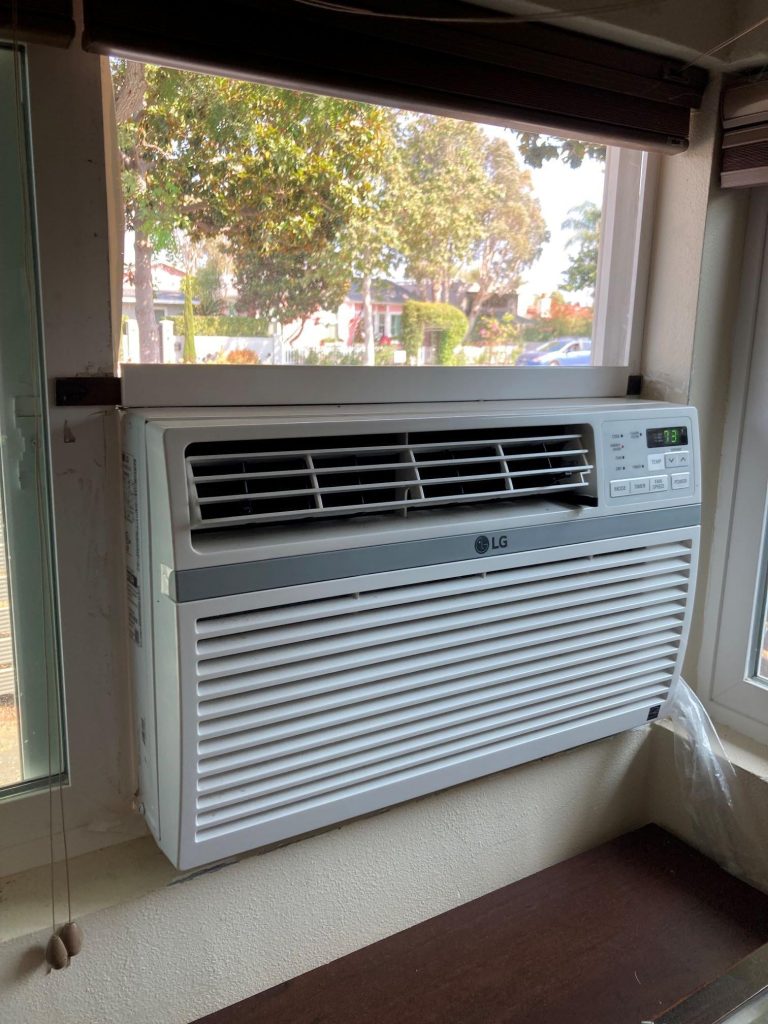
Are you struggling to figure out how to install a window air conditioner in your horizontal sliding window? You’re not alone.
Many people find this task confusing and tricky. But don’t worry—this guide will walk you through each step clearly and simply. By the end, you’ll have your air conditioner set up perfectly, keeping your room cool and comfortable without any hassle.
Ready to get started? Let’s dive in and make your home a cooler place today.
Choosing The Right Ac Unit
Installing a window air conditioner in a horizontal sliding window needs the right unit. Picking the correct AC makes installation easy and keeps your room cool.
Learn how to measure your window, choose the right cooling size, and save energy with your AC unit.
Measuring Your Window
Measure the width and height of the sliding window opening. These numbers help you find an AC that fits well.
Also, check the window frame depth. The AC unit must fit securely without gaps.
- Use a tape measure for width and height.
- Measure the depth of the window frame.
- Note down all measurements before buying.
Selecting The Cooling Capacity
Choose an AC with the right cooling power. This is called BTU, which shows how much heat the AC can remove.
Too small BTU means the room stays warm. Too big uses extra energy and costs more.
- Small rooms (up to 150 sq ft): 5,000-6,000 BTU
- Medium rooms (150-300 sq ft): 7,000-10,000 BTU
- Large rooms (300-450 sq ft): 12,000-14,000 BTU
Energy Efficiency Tips
Save energy by choosing AC units with high Energy Efficiency Ratio (EER). Higher EER means less electricity use.
Look for models with energy-saving features and use window shades to keep heat out.
- Pick AC units with Energy Star labels.
- Use curtains or blinds to block sunlight.
- Seal gaps around the unit to stop air leaks.

Credit: www.dreo.com
Preparing The Window
Installing a window air conditioner in a horizontal sliding window needs careful preparation. Getting the window ready helps the unit fit well and work properly.
This guide covers the basic steps to prepare your window before installing the air conditioner.
Clearing The Area
Start by clearing the area around the window. Remove any objects that block access to the window. This makes the installation easier and safer.
Clear space inside and outside the window. This also helps avoid damage to furniture or walls.
Checking Window Condition
Inspect the window frame and glass carefully. Look for cracks, warps, or signs of damage. A strong window frame supports the air conditioner well.
If the window has damage, repair it before installing the air conditioner. This keeps the unit secure and prevents leaks.
- Check for loose or broken parts
- Make sure the window slides smoothly
- Look for gaps that need sealing
Gathering Installation Tools
Collect all the tools needed before starting the installation. Having tools ready saves time and keeps the process smooth.
- Screwdriver set
- Measuring tape
- Level tool
- Weather stripping or foam seal
- Mounting brackets (if needed)
- Drill with bits (optional)
Installing The Mounting Bracket
Installing the mounting bracket is a key step for placing your window air conditioner. This bracket holds the unit safely in a horizontal sliding window.
Follow these instructions to position and secure the bracket properly. This will ensure your air conditioner stays stable and works well.
Positioning The Bracket
Place the mounting bracket on the window sill. Make sure it fits the width of the sliding window. The bracket should extend outside the window to support the air conditioner.
- Measure the window opening width.
- Adjust the bracket arms to match the width.
- Center the bracket on the sill for balance.
- Ensure the bracket is level using a spirit level.
Securing With Screws
Use screws to fix the mounting bracket firmly in place. This prevents any movement when the air conditioner is installed.
| Tool | Use |
| Drill | Make pilot holes for screws |
| Screwdriver | Tighten screws securely |
| Screws | Attach bracket to window frame |
Drill pilot holes first to avoid splitting the wood. Then, insert screws into the bracket holes and tighten them firmly.
Ensuring Stability
Check the bracket and window frame for stability. The bracket must hold the air conditioner without wobbling or shifting.
- Push the bracket firmly against the window frame.
- Check all screws are tight and secure.
- Test by gently shaking the bracket to confirm no movement.
- Add extra support brackets if needed for heavy units.
Placing The Air Conditioner
Placing a window air conditioner in a horizontal sliding window requires care. Proper positioning helps the unit work well and stay secure.
This guide covers how to lift the unit safely, align it with the window track, and seal any gaps to keep air from leaking.
Lifting The Unit Safely
Air conditioner units can be heavy. Lift the unit with help to avoid injury or damage. Keep your back straight and bend your knees when lifting.
- Ask a friend to assist with lifting.
- Hold the unit firmly on both sides.
- Lift slowly and avoid twisting your body.
- Place the unit near the window before installation.
Aligning With The Window Track
The air conditioner must fit securely in the window track. This keeps the unit stable and stops it from falling out.
| Window Track Part | Air Conditioner Part | Action |
| Bottom Track | Base of Unit | Rest firmly on track |
| Side Track | Unit Side Frame | Slide unit to align |
| Top Track | Window Pane | Lower pane to hold unit |
Check that the unit sits evenly and does not tilt. Use the window locks or brackets to secure it in place.
Sealing Gaps
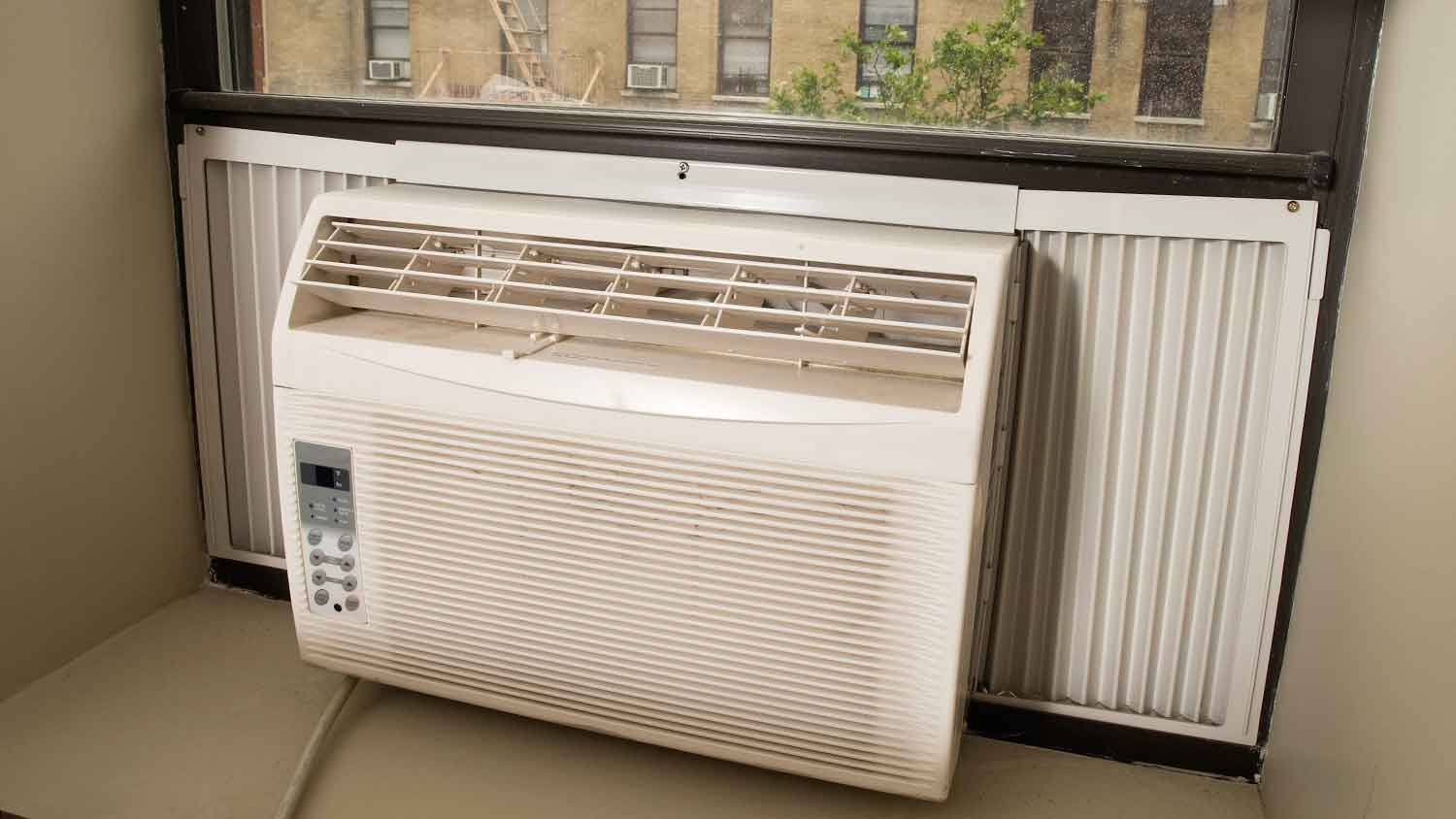
Sealing gaps around the air conditioner keeps cold air inside. It also stops hot air, dust, and insects from entering.
Use these materials to seal gaps:
- Foam weatherstripping
- Insulation panels
- Caulking or sealant
- Plastic side curtains
Apply foam strips along the sides where the window meets the unit. Fill gaps with insulation panels if needed. Seal edges with caulking for extra protection.
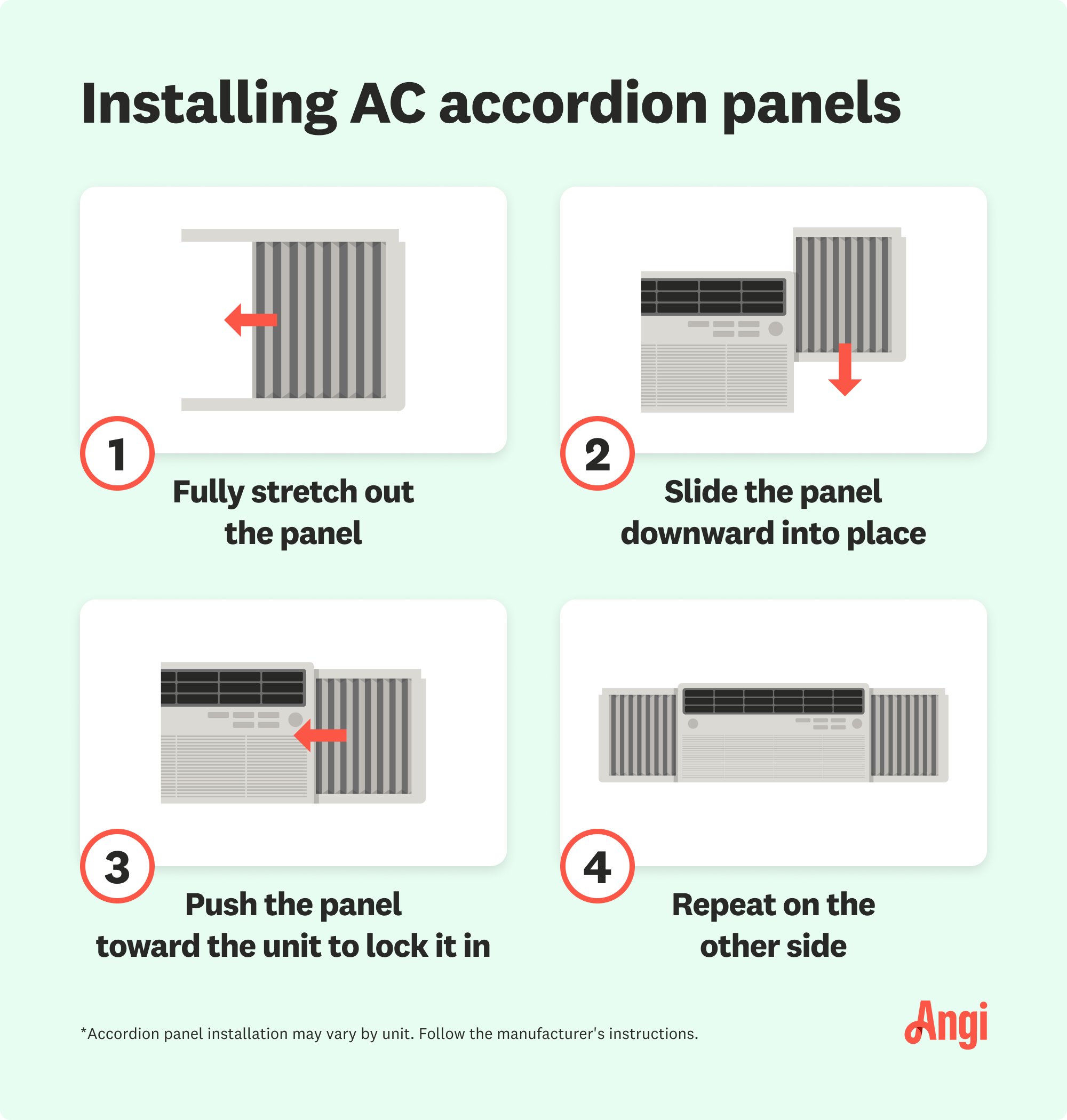
Securing The Unit
Securing your window air conditioner keeps it stable and safe. This guide covers key steps to hold the unit firmly in place.
Proper support and sealing prevent damage and improve cooling. Follow these tips for a secure installation.
Using Support Brackets
Support brackets hold the air conditioner’s weight from below. They stop the unit from tilting or falling out of the window.
- Attach the brackets to the window frame securely.
- Place the air conditioner on the brackets carefully.
- Check that the unit is level and stable before tightening.
- Use screws or bolts made for outdoor use to prevent rust.
Locking The Window Panel
Locking the sliding window panel keeps the air conditioner from moving. It also helps block outside air.
| Lock Type | Purpose | Installation Tip |
| Window Latch | Keeps window panel closed | Install at center for best hold |
| Security Bar | Prevents sliding | Fits inside window track |
| Adjustable Lock | Holds window tight | Adjust to window thickness |
Adding Weather Stripping
Weather stripping seals gaps between the air conditioner and window frame. It stops drafts and water leaks.
Choose weather stripping that is:
- Made from foam or rubber for flexibility
- Easy to cut and apply
- Durable in outdoor conditions
Apply the weather stripping along the edges where the unit meets the window. Press firmly for a tight seal.
Credit: www.angi.com
Connecting To Power
Connecting your window air conditioner to power is an important step. It ensures the unit works safely and efficiently.
Follow simple steps to check electrical needs, plug in safely, and test the unit before use.
Checking Electrical Requirements
First, check the air conditioner’s power needs on its label. It shows voltage and amperage requirements.
Make sure your home’s outlet matches these needs. Use a dedicated circuit if possible to avoid overloads.
- Look for voltage (usually 115V or 230V)
- Check the amp rating on the unit
- Verify your outlet supports these ratings
- Use a separate circuit for best safety
Plugging In Safely
Plug the air conditioner into a grounded outlet. Avoid using extension cords or adapters.
Make sure the plug fits fully and the cord is not damaged. Keep the cord away from water or heat sources.
- Use a three-prong grounded plug
- Do not force plug into incompatible outlet
- Keep cord away from sharp edges
- Do not use extension cords or power strips
Testing The Unit
After plugging in, turn on the air conditioner. Check if it powers up without strange noises.
Adjust the settings to see if the unit cools the room. If it does not work, unplug and check connections again.
- Turn on the power switch
- Listen for normal operating sounds
- Set temperature and fan speed
- Feel for cold air after a few minutes
Maintenance Tips
Keeping your window air conditioner clean and well-maintained helps it run efficiently. Regular care also extends the unit’s life. Follow these simple tips to keep your air conditioner working well.
Check your air conditioner often and take steps to clean and protect it. This guide covers cleaning the filter, inspecting seals, and storing the unit during off-season months.
Cleaning The Filter
The filter traps dust and dirt from the air. A dirty filter reduces airflow and lowers cooling power. Clean the filter every two weeks during use.
- Turn off and unplug the air conditioner.
- Open the front panel to access the filter.
- Remove the filter carefully.
- Wash the filter with warm water and mild soap.
- Let the filter dry completely before reinserting it.
- Close the front panel securely.
Inspecting Seals Regularly
Seals keep warm air out and cool air in. Damaged seals cause leaks and reduce efficiency. Check seals once a month for cracks or gaps.
| Seal Condition | Action Needed |
| Intact and firm | No action required |
| Minor cracks | Apply weather stripping or sealant |
| Large gaps or tears | Replace the seal completely |
Storing During Off-season
Proper storage protects your air conditioner in winter or when not in use. Follow these steps before storing the unit.
- Turn off and unplug the air conditioner.
- Remove the unit from the window carefully.
- Drain any water inside the unit.
- Clean the filter and dry it fully.
- Cover the unit with a plastic or cloth cover.
- Store in a cool, dry place away from dust.
Credit: www.angi.com
Frequently Asked Questions
How Do I Measure My Window For An Air Conditioner?
Measure the width and height of your sliding window’s opening. Ensure the air conditioner fits snugly without gaps. Accurate measurement prevents installation issues and improves efficiency.
What Tools Are Needed To Install A Window Ac Unit?
You will need a screwdriver, measuring tape, foam seal, brackets, and weather stripping. These tools help secure the unit safely and prevent air leaks.
How To Secure An Air Conditioner In A Horizontal Sliding Window?
Use mounting brackets or support arms on the window frame. Seal gaps with foam or weather stripping to keep the unit stable and energy efficient.
Can I Install A Window Ac Without Professional Help?
Yes, installation is straightforward with proper tools and instructions. Follow safety guidelines and manufacturer steps to ensure a safe, effective setup.
Conclusion
Installing a window air conditioner in a horizontal sliding window is simple and quick. Follow each step with care to ensure a secure fit. Double-check the unit’s balance to avoid leaks or damage. Seal any gaps to keep cool air inside and hot air out.
With the right tools and patience, you can enjoy a comfortable, cool room all summer long. Keep your space fresh and save on energy bills. Cooling your home feels good and saves money too.