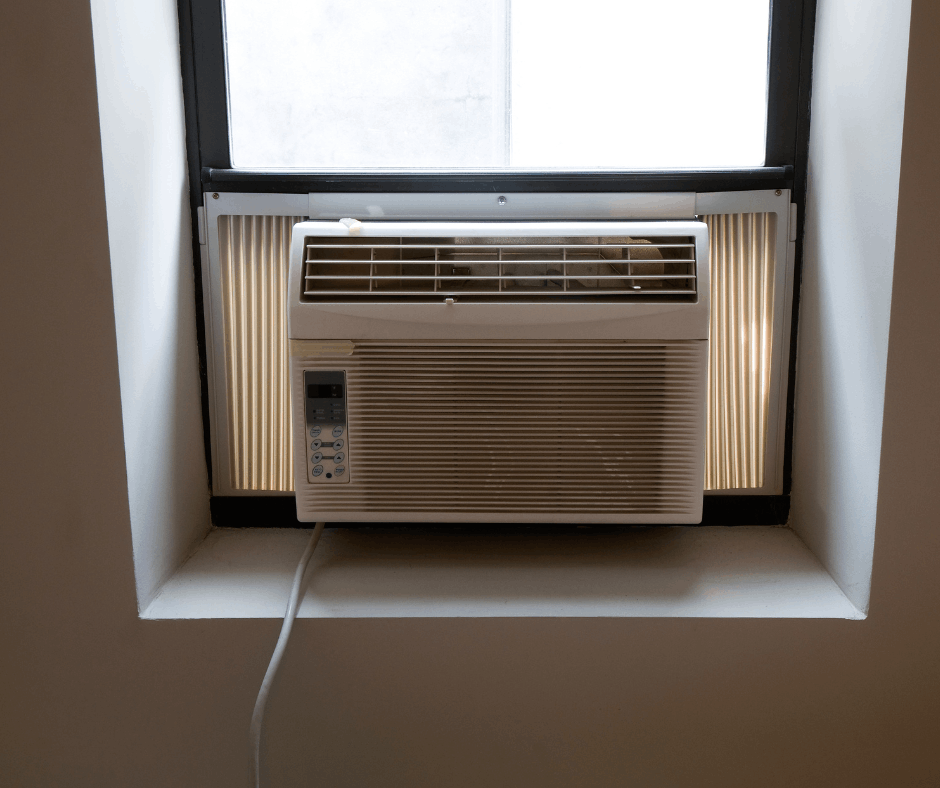
Are you ready to beat the heat without breaking the bank? Installing a window unit air conditioner might seem tricky, but with the right steps, you can do it yourself quickly and easily.
Imagine coming home to a cool, refreshing room after a long day, all thanks to your own handiwork. In this guide, you’ll discover simple, clear instructions that anyone can follow. By the end, you’ll have the confidence to set up your window AC and enjoy cool comfort all summer long.
Let’s get started!

Credit: thelenmechanical.com
Choosing The Right Unit
Picking the right window air conditioner is important for comfort. The right unit fits your window and cools your room well.
Consider size, power, and energy use to get the best unit for your needs.
Measuring Your Window Space
Measure the width and height of your window opening. This tells you the size of the air conditioner you need.
Check if the window can support the unit’s weight. Some windows work better with certain unit sizes.
- Use a tape measure for exact width and height
- Note if the window has any obstructions
- Check if the window opens up or slides side to side
Calculating Btu Requirements
BTU means how much heat an air conditioner can remove. Bigger rooms need units with higher BTU.
Use your room size to find the right BTU. Too small a unit won’t cool well. Too large wastes energy.
- Up to 150 sq ft: 5,000 BTU
- 150 to 250 sq ft: 6,000 BTU
- 250 to 350 sq ft: 8,000 BTU
- 350 to 450 sq ft: 10,000 BTU
- 450 to 550 sq ft: 12,000 BTU
Selecting Energy Efficient Models
Energy efficient air conditioners save money on power bills. They use less electricity to cool your room.
Look for units with ENERGY STAR labels. These models meet strict energy use rules.
- Check the Energy Efficiency Ratio (EER) rating
- Higher EER means better efficiency
- Choose a unit with a programmable timer if possible
- Regular maintenance keeps units running efficiently
Gathering Necessary Tools
Installing a window unit air conditioner needs the right tools. These tools help make the job easier and safer.
Before you start, gather all tools. This saves time and avoids interruptions during installation.
Tools Checklist
Use proper tools to install the air conditioner securely. Some tools are common in most homes, but check before you begin.
- Measuring tape to check window size
- Screwdriver (flathead and Phillips)
- Drill with drill bits
- Level to ensure the unit is straight
- Utility knife for cutting insulation
- Caulking gun with weatherproof sealant
- Wood shims to adjust unit fit
- Support brackets if needed
Safety Gear Essentials
Wear safety gear to protect yourself during installation. This gear prevents injuries and accidents.
- Work gloves to protect hands from sharp edges
- Safety glasses to shield eyes from debris
- Closed-toe shoes for foot protection
- Dust mask if cutting insulation or caulk
- Hearing protection if using loud power tools
Preparing The Window
Installing a window unit air conditioner needs careful preparation. The window must be ready to hold the unit safely.
This guide covers clearing the area, checking the window condition, and installing support brackets for a secure fit.
Clearing The Area
Clear the window area from any objects that block access. Remove curtains, blinds, or screens if needed.
- Take down curtains or blinds around the window
- Remove window screens to make space
- Clear furniture or plants near the window
- Clean the window sill and frame
Checking Window Condition
Check the window frame for damage. The frame must be strong and free from cracks or rot.
| Window Part | What to Check | Action Needed |
| Frame | No cracks or soft spots | Repair or replace damaged parts |
| Sill | Level and stable surface | Level or reinforce if uneven |
| Glass | Unbroken and secure | Replace if cracked |
Installing Support Brackets
Support brackets hold the air conditioner safely in place. Install them below the window sill.
Follow these steps to install support brackets:
- Measure the width of the window opening.
- Mark the bracket positions evenly under the sill.
- Use screws and anchors suited for your wall type.
- Check that brackets are level and secure.
Installing The Air Conditioner
Installing a window unit air conditioner properly makes it work better. It also keeps your home safe and cool. Follow these steps to place and secure the unit correctly.
This guide covers positioning the unit, securing it, and sealing gaps to keep air out.
Positioning The Unit
Choose a window that can hold the air conditioner weight. The window should face outside and be close to an electrical outlet. Make sure the unit will tilt slightly outside to drain water.
Securing The Air Conditioner
Use the mounting brackets and screws included with the unit. These keep the air conditioner from moving or falling out. Check that the unit is level and firmly attached.
- Place the air conditioner on the window sill.
- Extend the side panels to fill the window space.
- Attach the mounting brackets under the unit.
- Screw the brackets into the window frame.
- Close the window tightly against the top of the unit.
Sealing Gaps And Insulation
Seal any gaps around the air conditioner to stop hot air and insects from entering. Use weather stripping or foam insulation for best results.
| Material | Purpose | How to Use |
|---|---|---|
| Weather Stripping | Blocks air leaks | Attach to window edges around unit |
| Foam Insulation | Fills gaps | Cut to size and insert around sides |
| Plastic Seal | Prevents moisture | Apply over gaps after installation |
Electrical Setup
Installing a window unit air conditioner needs careful electrical setup. Proper electricity use keeps your unit safe and working well.
Follow simple steps to check power needs, plug in safely, and use extension cords right.
Checking Power Requirements
First, find the air conditioner’s power needs on its label. It shows voltage and amperage needed.
Make sure your home outlet matches these needs. Using wrong power can cause damage or fire.
- Look for voltage (usually 110-120V)
- Check the amperage or wattage
- Use a dedicated circuit if needed
- Avoid overloading the outlet
Plugging In Safely
Always plug the air conditioner directly into a wall outlet. Avoid using adapters or loose plugs.
Make sure the plug fits tightly and the outlet is not damaged. This prevents sparks and shorts.
- Use a grounded outlet with three prongs
- Do not force plugs into wrong outlets
- Keep the plug dry and clean
- Turn off the unit before plugging or unplugging
Using Extension Cords Properly
Extension cords can cause problems if they are too weak for the air conditioner’s power.
Use only heavy-duty extension cords that match the unit’s amperage needs. Keep the cord short and untangled.
- Choose cords rated for air conditioner power
- Do not use thin or old cords
- Keep cords away from heat and water
- Check cords regularly for damage
Testing And Adjustments
After installing your window unit air conditioner, you need to test it. Testing ensures it works well and cools your space. Adjustments help improve its performance and comfort.
Check the unit carefully and make changes if needed. This guide covers turning on, adjusting settings, and fixing common problems.
Turning On The Unit
First, plug the air conditioner into a proper outlet. Make sure the power switch is on. The unit may take a few seconds to start running.
Listen for the sound of the fan and compressor. Check if cool air comes out of the front vent. If not, double-check the power and installation.
Adjusting Settings
Use the control panel or remote to set the temperature. Choose a comfortable cooling level. Set the fan speed to low, medium, or high.
Adjust the air direction louvers to spread cool air evenly. If your unit has a timer, set it to save energy when not needed.
- Set temperature between 72°F and 78°F for comfort
- Use higher fan speed for faster cooling
- Adjust louvers to direct air where you need it
- Use timer to turn off unit automatically
Troubleshooting Common Issues
If the unit does not cool well, check the air filter. Clean or replace it if dirty. Make sure the window seal is tight to stop warm air from entering.
Listen for unusual noises or vibrations. These may mean the unit is not installed properly or parts are loose. Check the power supply if the unit does not turn on.
- Dirty filter reduces cooling performance
- Loose installation causes noise and leaks
- Power issues stop the unit from running
- Blocked vents reduce airflow and cooling
Maintenance Tips
Keeping your window unit air conditioner clean and well-maintained helps it last longer. It also works better and uses less energy.
Regular care is simple and saves money. Follow these tips to keep your AC in good shape.
Cleaning Filters
Clean the air filters every month during use. Dirty filters block airflow and reduce cooling power.
Remove the filter gently and wash it with warm water. Let it dry fully before putting it back in the unit.
- Turn off the AC before removing filters
- Use a soft brush to remove dust if needed
- Do not use harsh chemicals on the filters
- Replace filters if they are torn or very dirty
Seasonal Storage Advice
Store your air conditioner properly during cold months. This protects it from dust and damage.
Remove the unit carefully and clean it before storage. Cover it with a plastic bag or cloth to keep dirt out.
- Drain any water from the unit
- Keep it in a dry, cool place
- Check the storage area for pests
- Avoid placing heavy items on top of the unit
Regular Inspections
Look over your air conditioner every few weeks. Check for signs of damage or unusual noises.
Inspect the outside vents and coils. Clean any dirt or debris to keep airflow smooth.
- Check power cords for cracks or frays
- Make sure the unit sits level in the window
- Listen for strange sounds during operation
- Call a technician if you notice leaks or smells

Credit: archexteriors.com
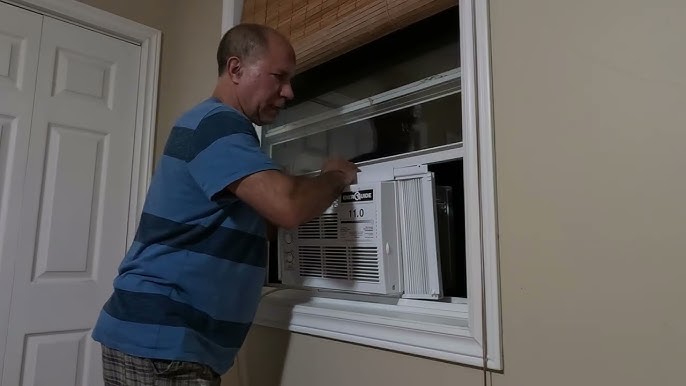
Credit: m.youtube.com
Frequently Asked Questions
How Do I Prepare The Window For Ac Installation?
Clean the window area and measure the opening. Remove any obstacles or screens. Ensure the window frame is sturdy and can support the AC’s weight before installation.
What Tools Are Needed To Install A Window Ac?
You typically need a screwdriver, measuring tape, level, and weather stripping. Some models may require brackets or mounting kits, so check the instructions.
Can One Person Install A Window Unit Air Conditioner?
It is possible but not recommended for heavy units. Having an extra person helps with lifting and positioning, ensuring safety and accuracy.
How Do I Secure The Ac Unit In The Window?
Use brackets and screws to hold the AC firmly. Add weather stripping around edges to seal gaps and prevent air leaks.
Conclusion
Installing a window unit air conditioner is simple and effective. Follow each step carefully for best results. Secure the unit properly to avoid accidents. Ensure the seal is tight to keep cool air in. Check electrical connections for safety. Enjoy a cooler space with your new unit.
Regular maintenance will extend its life. Clean filters often and inspect for issues. Feel the relief of cool air in your home. This guide makes installation easy and stress-free. Stay comfortable all summer long.