
If you’ve ever used a portable air conditioner, you know how important it is to keep it running efficiently. One simple trick that can make a big difference is insulating the air conditioner hose.
When you insulate your portable AC hose, you prevent cool air from escaping and stop warm air from sneaking in. This means your room cools faster, your energy bills drop, and your unit works less hard. In this guide, you’ll learn easy steps to insulate your portable air conditioner hose like a pro.
Keep reading—you’ll save money and stay cool all summer long.
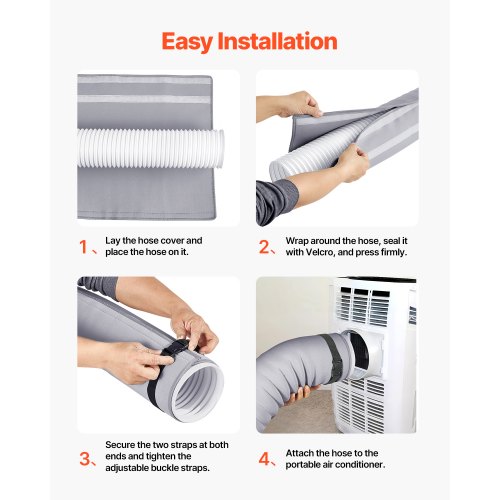
Credit: www.vevor.ca
Choosing The Right Insulation Material
Foam pipe insulationis easy to use and affordable. It fits snugly around the hose and stops warm air from entering. This material also helps keep the cold air inside the hose, making the air conditioner work better.
Reflective foil wrapsreflect heat away from the hose. They are thin and flexible, making them easy to wrap around. These wraps block sunlight and heat, which keeps the hose cool.
Fiberglass sleevesoffer strong insulation and resist heat well. They are thicker and good for very hot areas. These sleeves also protect the hose from damage and wear over time.
Measuring And Preparing The Hose
Measure the hose length to fit the space without bends or kinks. Use a tape measure for accuracy. Add a few extra inches to allow for movement and connection.
Check the hose surface carefully. Dirt and dust reduce insulation effectiveness. Use a damp cloth to wipe the hose clean. Let it dry completely before insulating.
Step-by-step Insulation Process
Measure the length of the air conditioner hose carefully. Use scissors or a utility knife to cut the insulation foam to the correct size. Make sure the insulation covers the entire hose without gaps.
Wrap the insulation around the hose tightly. Overlap the edges slightly to ensure full coverage. Use tape to hold the insulation in place securely. This keeps the insulation from slipping off during use.
Seal the edges of the insulation with strong tape. Focus on both ends and any overlaps. This prevents air leaks and keeps the insulation effective. Check the seal to make sure it is tight and smooth.

Credit: www.reddit.com
Securing The Insulation
Use duct tapeor aluminum foil tapeto wrap the insulation tightly around the hose. This keeps the insulation secure and stops air leaks. Clampsadd extra hold and prevent the insulation from slipping off.
Make sure the insulation fits snugly with no gaps or loose areas. Gaps let warm air in and reduce the cooler’s efficiency. Press the insulation firmly against the hose and seal every edge.
- Wrap tape evenly without wrinkles
- Place clamps at both ends of the insulation
- Check for any loose spots after taping
- Fix gaps immediately to keep air sealed
Maintaining Insulated Hoses
Check the hose insulation often for any cracks or tears. Small holes let warm air in, making the air conditioner work harder. Look for wet spots or mold, which show moisture buildup inside the insulation. A dry, clean hose keeps the unit efficient and cool.
Fix any damage quickly. Use insulation tape to cover small cracks or holes. For bigger damage, replace the foam tubing around the hose. Keep the insulation snug so it stops heat from entering. Repairing on time saves energy and money.
Benefits Of Insulating Air Conditioner Hoses
Insulating your portable air conditioner hosehelps keep the cool air inside. This makes the unit work better and cool the room faster.
Using insulation also lowers energy use. The AC does not need to run as long. This saves electricity and reduces bills.
Insulation protects the hosefrom damage. It stops cracks and tears caused by heat or cold. This means the hose lasts longer and needs fewer repairs.
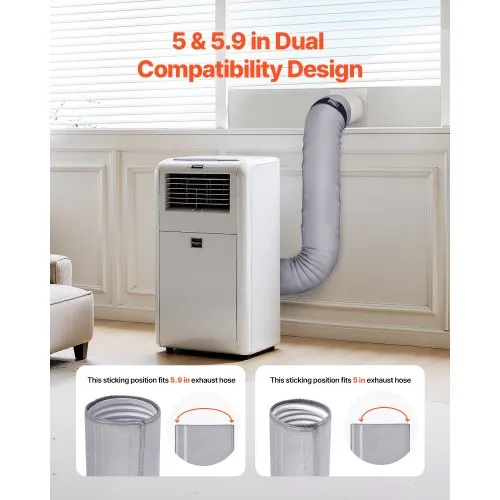
Credit: www.vevor.ca
Frequently Asked Questions
Why Insulate A Portable Air Conditioner Hose?
Insulating a portable air conditioner hose improves energy efficiency. It prevents heat from escaping or entering the hose. This enhances cooling performance and reduces energy consumption. A well-insulated hose also minimizes condensation, protecting your floors and furniture. Insulation can make your air conditioning system more effective and cost-efficient.
What Materials Are Best For Hose Insulation?
Reflective foil tape, foam insulation sleeves, and fiberglass wraps are excellent choices. Each material provides effective thermal resistance. Foam sleeves are easy to install and cost-effective. Reflective foil tape offers additional protection against radiant heat. Fiberglass wraps provide superior insulation for extreme conditions.
Choose based on your specific needs and budget.
How To Install Insulation On A Hose?
Begin by measuring the length of the hose. Cut the insulation material to fit. Wrap or slide the material around the hose, ensuring full coverage. Secure with tape or ties for stability. Ensure no gaps are left to avoid energy loss.
Follow manufacturer’s instructions for best results.
Can Insulation Improve Cooling Efficiency?
Yes, insulation significantly improves cooling efficiency. It reduces heat transfer, keeping the cool air inside the hose. This results in your air conditioner working less hard, saving energy. Improved efficiency leads to lower electricity bills and better cooling performance. Insulation is a simple way to boost system effectiveness.
Conclusion
Insulating your portable air conditioner hose keeps your room cooler and saves energy. It stops warm air from entering and prevents moisture buildup. Use simple materials like foam or reflective tape for the best results. Take your time to cover the hose tightly and check for gaps.
A well-insulated hose helps your air conditioner work better and last longer. Small steps make a big difference in comfort and efficiency. Give your unit the care it needs for cool, fresh air all summer.