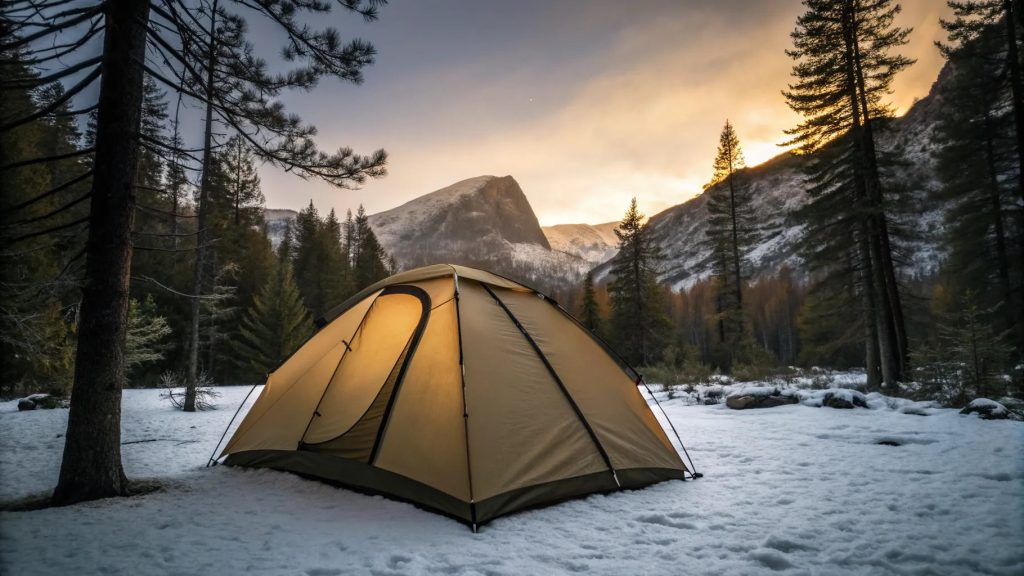
When winter camping calls, the last thing you want is to shiver through the night in a cold tent. You might think staying warm is impossible without heavy gear or a heater, but that’s not true.
With the right steps, you can turn your tent into a cozy shelter, even when the temperature drops. Imagine waking up refreshed, not frozen, ready to enjoy your adventure. This guide will show you exactly how to insulate your tent for winter, using simple, effective methods you can try today.
Keep reading, and you’ll discover how to stay warm, comfortable, and safe on your next cold-weather camping trip.
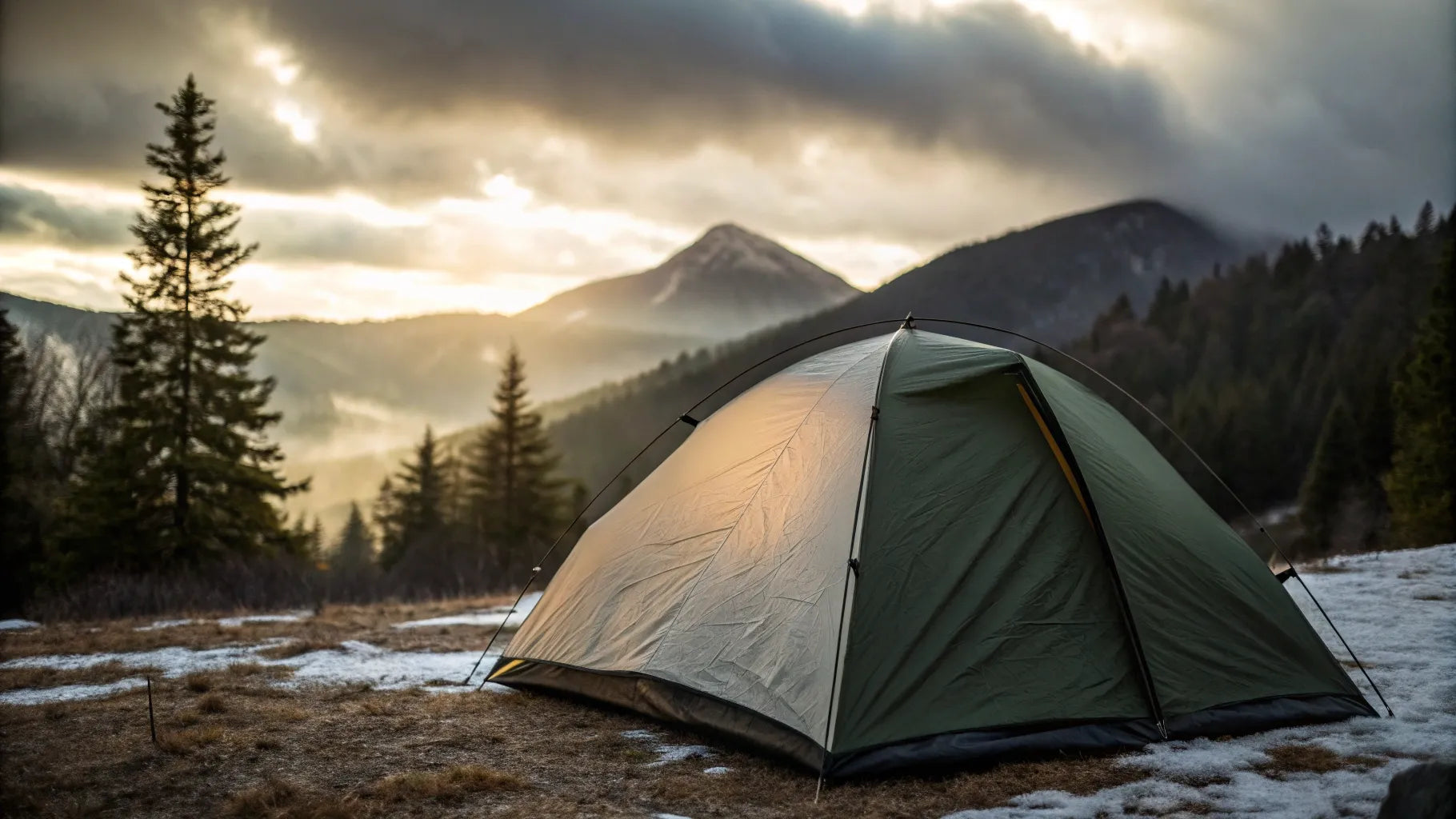
Credit: www.battlbox.com
Choosing The Right Tent
Choosing the right tent is very important for staying warm in winter. A good tent keeps cold air out and heat inside.
Look for tents made to handle cold weather. They should protect you from wind, snow, and rain.
Materials That Retain Heat
Tent materials affect how well it keeps heat. Some fabrics trap warmth better than others.
Look for tents made with thick, insulated fabrics. Nylon with a coating or polyester works well.
- Double-layer fabrics add extra warmth
- Polyurethane coatings block wind and water
- Ripstop nylon is strong and holds heat
- Fleece liners can add comfort inside
Tent Shapes For Cold Weather
The shape of your tent affects how it handles cold and wind. Some shapes keep heat better.
Dome and tunnel tents are good for winter. They reduce wind chill and hold heat inside well.
- Dome tents have strong frames for snow load
- Tunnel tents create a cozy, wind-free space
- Geodesic tents are stable in strong wind
- A-frame tents shed snow easily
Size And Space Considerations
Choose a tent size that fits you and your gear comfortably. Too big tents lose heat fast.
Smaller tents are easier to warm up. They trap body heat better and keep the cold out.
- Pick a tent just big enough for people inside
- Extra space can cause cold air pockets
- Store gear in vestibules to save tent space
- Good ventilation prevents moisture build-up
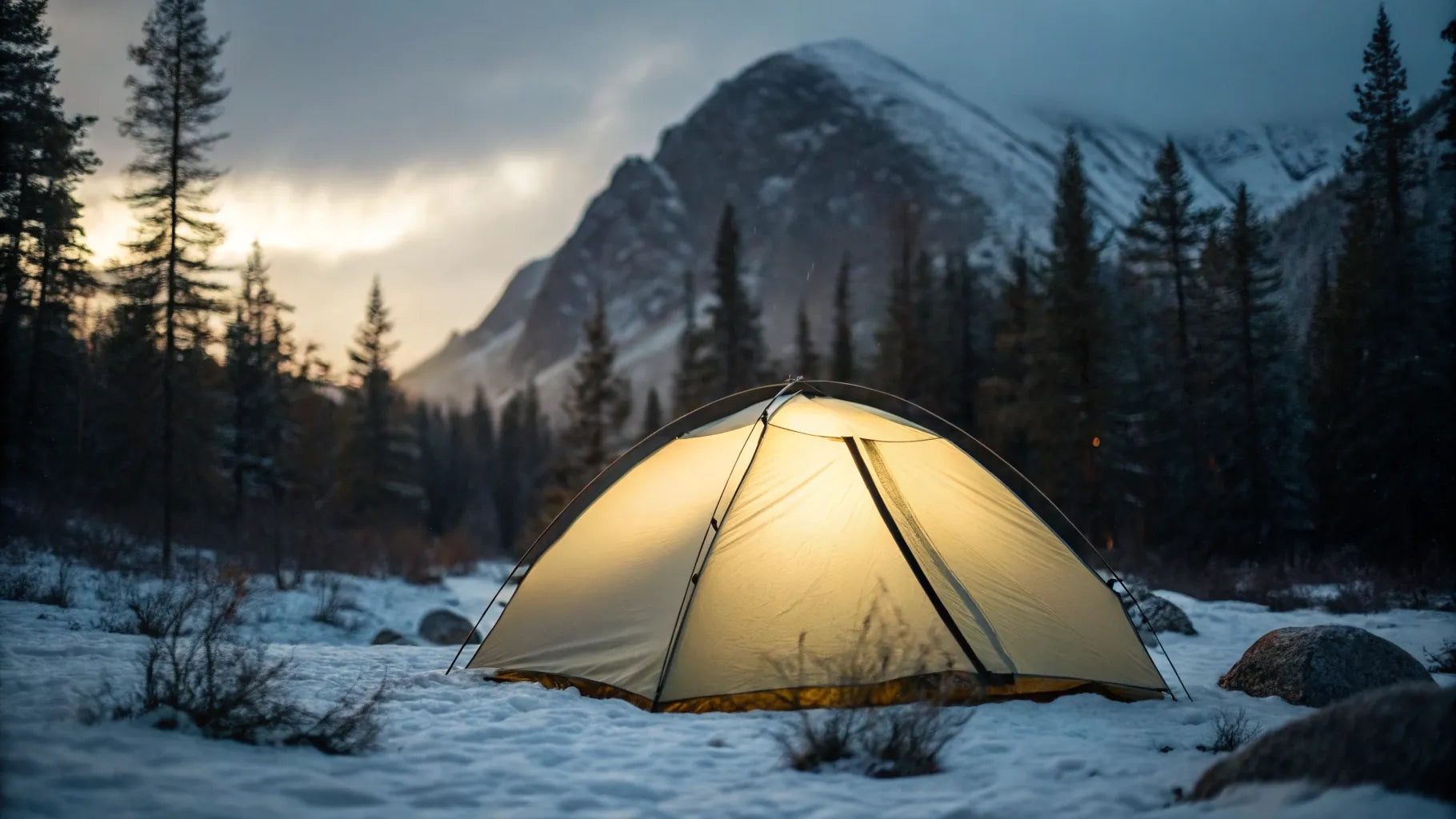
Credit: www.battlbox.com
Preparing The Campsite
Insulating a tent well starts with good campsite preparation. It helps keep you warm and safe during winter camping.
Choosing the right spot and clearing the area can reduce cold air and moisture inside your tent.
Selecting A Sheltered Location
Pick a campsite protected from wind and heavy snow. Look for natural shelters like trees or hills.
Avoid low spots where cold air collects. Set up your tent on firm, flat ground to stay stable.
Clearing Snow And Debris
Clear snow and debris where you will pitch your tent. This prevents moisture from entering and provides a stable base.
- Remove loose snow down to firm ground
- Clear away sticks, rocks, and leaves
- Flatten the area to create an even surface
- Use a tarp or groundsheet to add insulation
Setting Up Windbreaks
Windbreaks block cold wind and help keep your tent warm. You can build windbreaks using natural or man-made materials.
| Windbreak Type | Description | Materials Needed |
| Snow Wall | Build a low wall of packed snow around the tent | Shovel, snow |
| Brush or Branch Barrier | Stack branches or brush to block wind | Branches, brush |
| Tarp Windbreak | Use a tarp tied to trees or poles | Tarp, rope, poles |
Adding Insulation Layers
Keeping your tent warm during winter is important for comfort. Adding insulation layers helps trap heat inside the tent.
There are several ways to add insulation. You can use ground pads, reflective liners, and insulating blankets.
Using Ground Pads And Rugs
Placing ground pads or rugs under your sleeping area stops cold from the ground. These layers add a cushion and prevent heat loss.
- Use thick foam pads for best insulation
- Layer rugs or blankets on top of pads
- Cover the entire floor space to avoid cold spots
- Choose materials that resist moisture
Applying Reflective Foil Liners
Reflective foil liners bounce heat back inside the tent. They are lightweight and easy to install on tent walls and ceiling.
| Benefit | Details |
|---|---|
| Heat Reflection | Reflects up to 90% of body heat back into the tent |
| Lightweight | Easy to carry and install |
| Moisture Barrier | Helps reduce condensation inside the tent |
Installing Insulating Blankets
Insulating blankets add warmth by trapping air in their fibers. Hang them inside the tent or wrap around yourself while sleeping.
- Use wool or fleece blankets for good insulation
- Attach blankets to tent walls with clips or tape
- Layer multiple blankets for extra warmth
- Keep blankets dry to maintain insulation
Improving Tent Warmth
Camping in winter can be fun but staying warm is important. Insulating your tent helps keep the cold out and the warmth in.
Here are some tips to make your tent warmer and your camping trip more comfortable.
Sealing Drafts And Openings
Drafts let cold air into your tent. Sealing them is key to staying warm. Check the tent zippers and seams for gaps.
You can use duct tape or a tarp to block these openings. Make sure the tent flap is closed tightly.
- Inspect zippers for gaps
- Use duct tape on seams
- Cover openings with a tarp
Using Tent Heaters Safely
Tent heaters provide extra warmth but must be used safely. Choose a heater designed for indoor use.
Place the heater on a stable surface. Keep it away from the tent walls to prevent fire hazards.
- Select a safe tent heater
- Ensure proper ventilation
- Keep heater on stable ground
Maximizing Body Heat
Your body heat can warm the tent. Wear thermal clothing to trap your heat. Sleeping bags with good insulation help too.
Sharing the tent with others increases warmth. More bodies mean more heat in the tent.
- Wear thermal clothes
- Use insulated sleeping bags
- Share the tent for more warmth
Clothing And Gear Tips
Staying warm inside a tent during winter needs the right clothing and gear. Proper choices help keep your body heat and avoid cold nights.
This guide covers sleeping bags, clothes layering, and using hot water bottles to stay warm in your tent.
Choosing Warm Sleeping Bags
Pick a sleeping bag made for cold weather. Look for bags with good insulation and a low temperature rating.
A mummy-shaped bag keeps heat better by fitting close to your body. Check if the sleeping bag has a hood to cover your head.
- Choose down or synthetic insulation
- Check temperature rating below freezing
- Use a sleeping pad for ground insulation
- Pick a bag with a hood for extra warmth
Layering Clothes Inside The Tent
Wear layers inside the tent to trap heat and stay warm. Start with a base layer that draws sweat away.
Add a warm middle layer like fleece. Use an outer layer that blocks wind and moisture if needed.
- Base layer: thermal underwear or moisture-wicking clothes
- Middle layer: fleece or wool sweater
- Outer layer: insulated jacket or shell if cold air comes in
- Wear warm socks and a hat inside the tent
Using Hot Water Bottles
Hot water bottles can add warmth inside your sleeping bag. Fill them with hot water and place near your feet or body.
Use a cover or wrap the bottle in a cloth to avoid burns. They keep you warm for hours and help prevent cold spots.
- Fill bottle with hot but not boiling water
- Wrap bottle to prevent direct skin contact
- Place bottle at feet or near torso inside bag
- Use multiple bottles for longer warmth

Credit: www.reddit.com
Maintaining Ventilation
When insulating a tent for winter, it is important to keep air moving. Good ventilation stops damp air from building up inside.
Proper airflow helps keep the tent dry and comfortable. This makes your winter camping safer and warmer.
Preventing Condensation
Condensation forms when warm air meets cold surfaces inside the tent. This can make your gear wet and cold.
To prevent condensation, open vents or windows slightly to let moist air escape. Avoid blocking airflow with gear or blankets.
- Keep tent vents open even in cold weather
- Use breathable fabrics to reduce moisture buildup
- Do not dry wet clothes inside the tent
- Place ground tarps to stop moisture from below
Balancing Warmth And Airflow
Too much ventilation can make the tent cold. Too little airflow can cause dampness and stuffiness.
Find a balance by adjusting vents based on outside temperature and wind. Use insulated liners but keep small openings for air.
- Open vents a little to keep fresh air moving
- Use windproof covers to reduce cold drafts
- Add insulating layers inside the tent for warmth
- Check airflow often and adjust as needed
Packing And Setup Checklist
Keeping warm in winter requires good tent insulation. You need the right gear and steps. This checklist helps you pack and set up your tent for cold weather.
Follow the list to prepare your materials and tools. Then use the setup guide to keep the cold out and stay cozy inside your tent.
Essential Insulation Materials
Use good insulation materials to block cold air and keep heat inside. Choose items that are light and easy to carry.
- Foam sleeping pads for the floor
- Reflective thermal blankets
- Extra thick sleeping bags rated for winter
- Insulated tent liners or blankets
- Weatherproof tarps for outside coverage
Tools And Accessories
Bring tools and accessories to set up insulation quickly and securely. These help keep your tent stable and warm.
- Heavy-duty stakes and extra guylines
- Hammer or mallet to secure stakes
- Rope or bungee cords for tying tarps
- Scissors or knife for cutting insulation
- Weatherproof tape to seal gaps
Step-by-step Setup Guide
Follow these steps to insulate your tent for winter camping. Take your time to do each step well.
- Lay down foam pads on the tent floor to stop cold from below.
- Cover the pads with thermal blankets for extra heat reflection.
- Set up your tent and secure it with strong stakes and guylines.
- Attach insulated liners or blankets to the inside walls.
- Use weatherproof tarps over the tent for wind and snow protection.
- Seal all seams and gaps with weatherproof tape.
- Arrange your sleeping bag on top of the insulation layers.
Frequently Asked Questions
How Can I Insulate A Tent For Winter Camping?
Use insulated tent liners, foam mats, and thermal blankets inside. Seal all gaps and use a windproof rainfly for extra warmth.
What Materials Work Best For Winter Tent Insulation?
Reflective blankets, closed-cell foam pads, and fleece liners provide effective insulation. Use materials that trap heat and block cold air.
Does Insulating A Tent Improve Heat Retention?
Yes, insulation traps body heat and prevents cold air entry, keeping the tent warmer during winter nights.
Can I Use Household Items To Insulate My Tent?
Yes, items like bubble wrap, rugs, or blankets can add insulation and reduce heat loss effectively.
Conclusion
Staying warm in a winter tent is possible with good insulation. Use layers like foam mats and thermal blankets inside your tent. Cover windows and doors to block cold air. Keep your sleeping bag dry and use warm clothes. Small steps make camping in cold weather safer and more fun.
Try these tips on your next trip to stay cozy all night. Winter camping can be enjoyable with the right preparation. Stay warm, stay safe, and enjoy nature’s quiet beauty.