Are you worried about cold drafts sneaking into your home through your window air conditioner during winter? You’re not alone.
When the warm months end, that same unit that kept you cool can become a source of chilly air and higher energy bills. But don’t worry—there’s a simple way to stop the cold from creeping in. You’ll learn easy and effective tips to insulate your window air conditioner for the winter.
By taking a few smart steps, you can keep your home cozy and save money on heating. Keep reading to discover how to protect your space and stay comfortable all season long.
Credit: www.amazon.ca
Why Insulate Your Window Ac
Window air conditioners are useful in summer but can cause problems in winter. Insulating them helps keep your home warm and safe.
Learn why it is important to insulate your window AC during the cold months.
Prevent Heat Loss
Without insulation, cold air can enter your home through gaps around the AC. Warm air inside your house escapes the same way. This makes your rooms colder.
- Blocks cold drafts from entering
- Keeps warm air inside your home
- Improves indoor comfort during winter
Protect The Unit
Winter weather can harm your window AC if left unprotected. Moisture and cold can damage its parts. Insulating helps keep the unit safe.
| Damage Type | Effect on AC |
|---|---|
| Moisture build-up | Rust and corrosion |
| Freezing temperatures | Cracks and damage to seals |
Reduce Energy Bills
Insulating your window AC stops cold air from leaking in. This lowers the work your heating system must do. You save money on energy bills in winter.
- Less heat loss means lower heating use
- Improves home energy efficiency
- Reduces monthly utility costs
Credit: www.amazon.com
Tools And Materials Needed
Insulating your window air conditioner for winter keeps cold air out. It helps you save energy and stay warm.
Gather the right tools and materials to get started. Here’s what you’ll need.
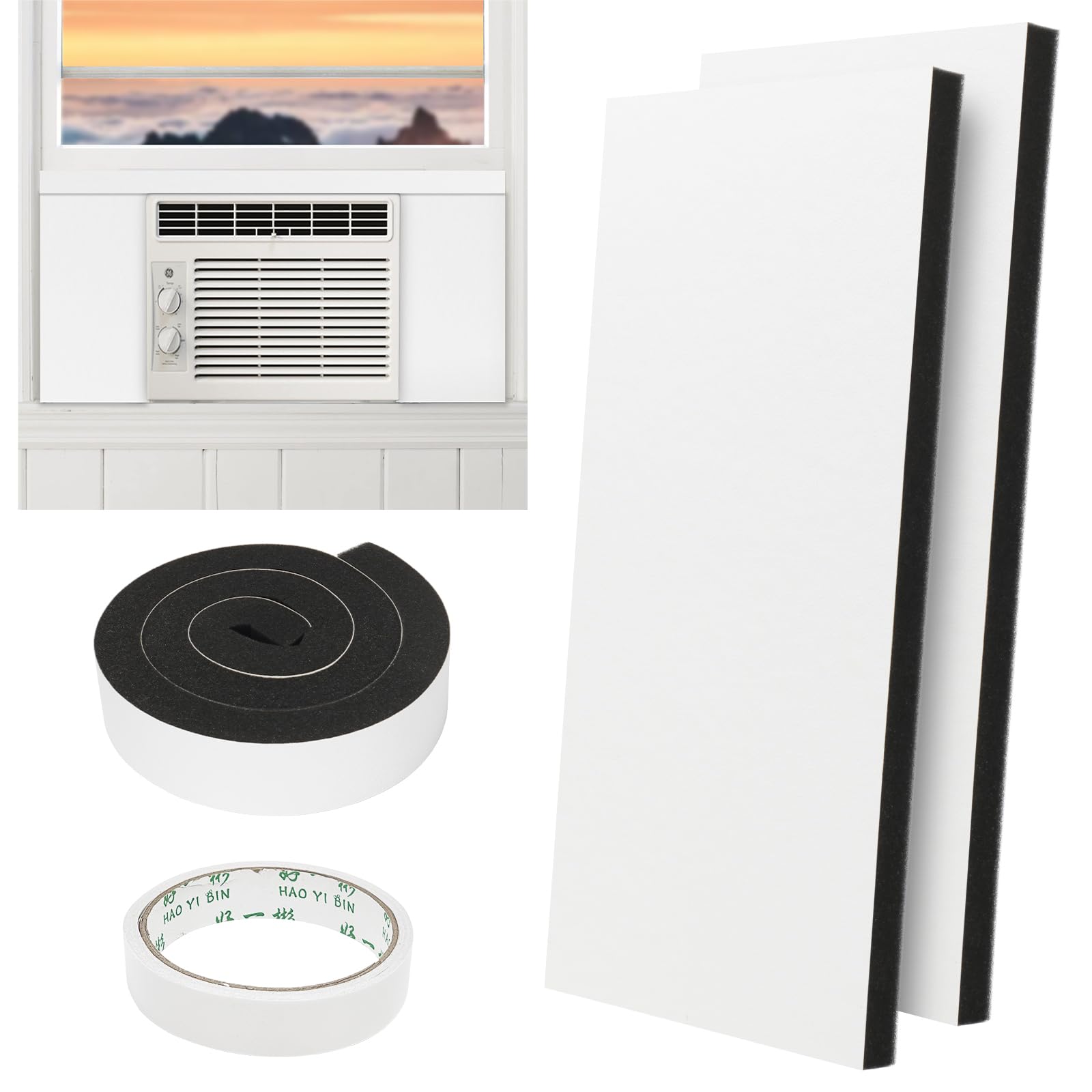
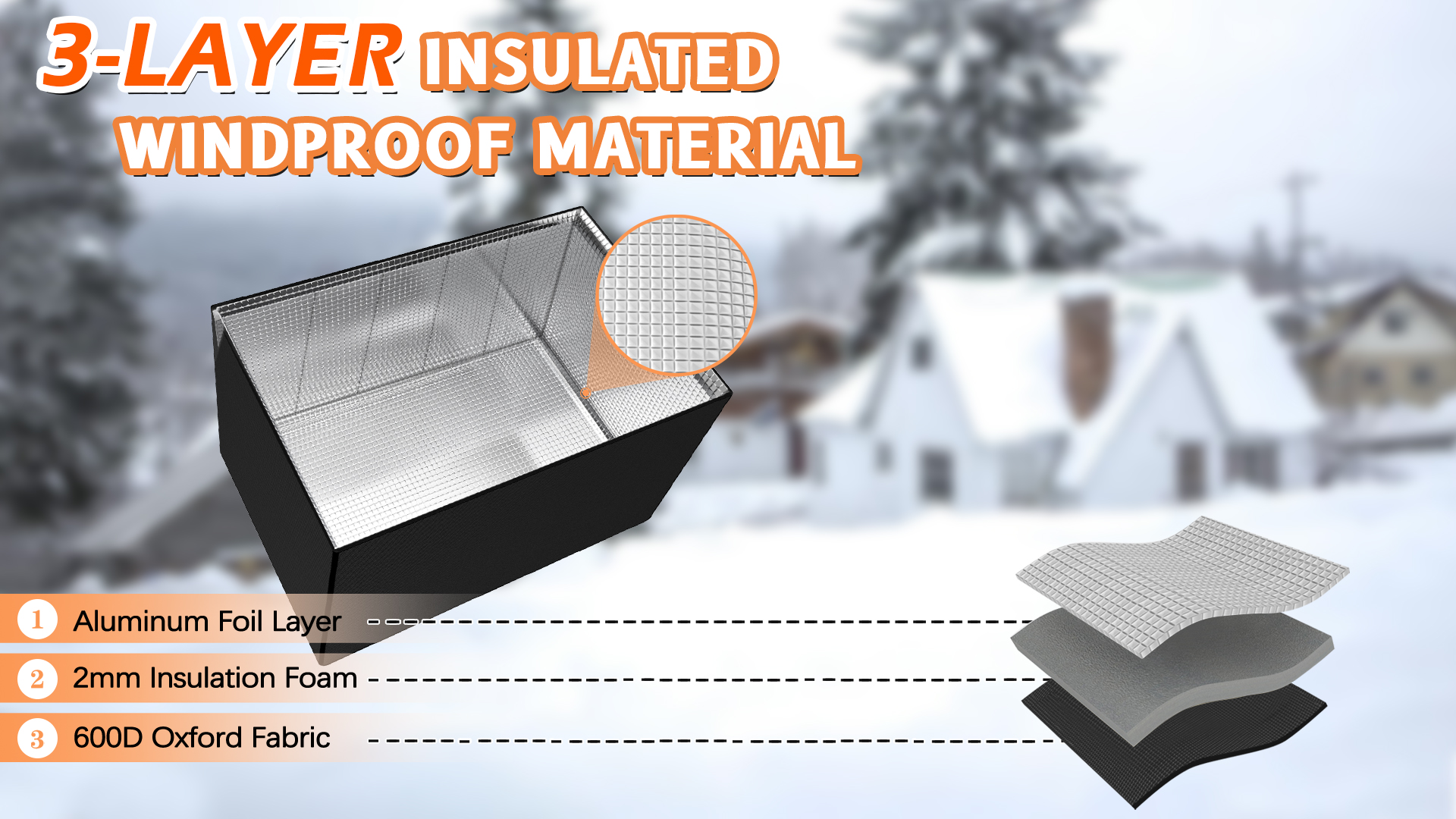
Insulation Foam
Insulation foam is great for sealing gaps around your air conditioner. It blocks cold air from entering your home.
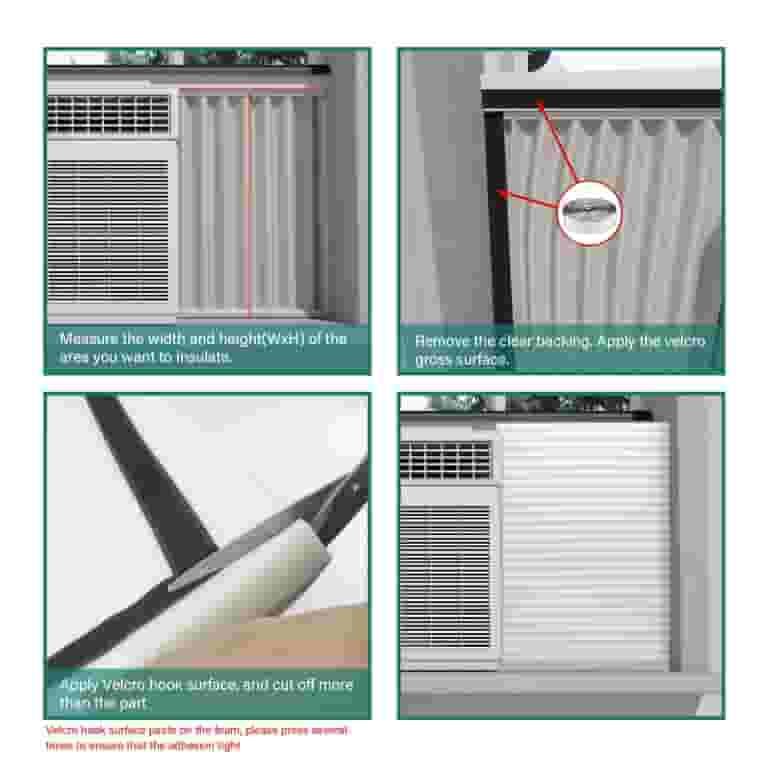
- Measure the gaps around your air conditioner.
- Cut the insulation foam to fit the gaps.
- Press the foam into place for a snug fit.
Weatherstripping Tape
Weatherstripping tape is another way to seal edges. It is sticky and easy to apply.
Use it to cover small leaks around the air conditioner. This tape stops drafts effectively.
Plastic Sheeting
Plastic sheeting provides an extra layer of protection. It covers the entire air conditioner, keeping it insulated.
| Material | Purpose |
| Thick Plastic | Strong protection |
| Clear Plastic | Allows light through |
| Opaque Plastic | Blocks light completely |
Duct Tape And Scissors
Duct tape helps secure insulation materials. Scissors are essential for cutting tape and foam to the right size.
Ensure your duct tape is weather-resistant. This ensures it stays in place all winter long.
Step-by-step Insulation Process
Insulating your window air conditioner helps keep cold air out during winter. It also saves energy and keeps your home warm.
This guide shows you how to insulate your window AC with easy steps. Follow these instructions to prepare your unit for winter.
Turn Off And Remove The Ac Unit
First, switch off the air conditioner and unplug it from the power source. This step is important to stay safe while working.
Next, carefully remove the AC unit from the window. Get help if the unit is heavy or large to avoid injury.
Clean The Window Frame
Use a brush or cloth to clean dirt and dust from the window frame. A clean surface helps the insulation stick better.
Check for any leftover debris or old sealant. Remove these completely before moving to the next step.
Seal Gaps And Cracks
Look for gaps or cracks around the window frame. Cold air can enter through these openings.
Use weatherstripping or caulk to seal all visible gaps. Press firmly to ensure a tight seal.
- Check corners and edges closely
- Fill gaps with foam or caulk
- Let caulk dry fully before continuing
Apply Insulation Foam
Spray expanding foam into spaces between the AC unit and window frame. The foam blocks cold air and moisture.
Use foam carefully. It expands quickly and can be messy. Wear gloves and work slowly for best results.
- Apply foam in small amounts
- Allow foam to expand and fill gaps
- Trim excess foam after it dries
Cover With Plastic Sheeting
Stretch clear plastic sheeting over the window area. This creates a barrier against cold air and moisture.
Secure the plastic with tape on all sides. Make sure it is tight and wrinkle-free for best insulation.
- Use heavy-duty plastic for durability
- Seal edges with weatherproof tape
- Check plastic for holes or tears
Credit: www.walmart.com
Alternative Insulation Methods
Insulating a window air conditioner for winter helps keep cold air out and heat in. There are simple ways to add insulation without removing the unit.
Try these alternative methods to improve insulation and save energy during cold months.
Using Reflective Foil
Reflective foil reflects heat back into the room. It also blocks cold air from entering through the air conditioner.
Cut the foil to fit the window space around the unit. Attach it with tape or push it into the gaps. This stops drafts and keeps warmth inside.
- Buy reflective foil insulation rolls
- Measure and cut to fit the window
- Secure foil around air conditioner edges
- Check for any gaps and seal them
Installing A Window Plug
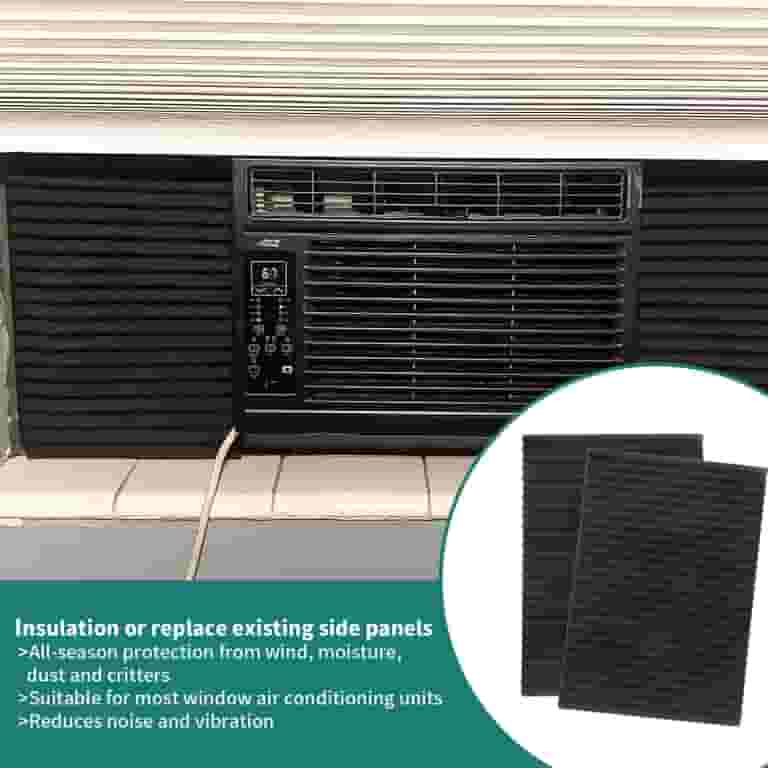
A window plug fits into the window opening around the air conditioner. It blocks cold air and improves insulation.
Use foam board or insulation panels to make a plug. Cut it to size and fit it tightly. Cover the plug with plastic or fabric to keep it secure.
- Measure the space around the air conditioner
- Cut foam board to fill the gap
- Cover the foam with plastic or cloth
- Place the plug in the window securely
Weatherproof Curtains
Weatherproof curtains add an extra layer of insulation over the air conditioner. They reduce drafts and keep heat inside the room.
Choose thick or thermal curtains that fit the window well. Close them at night or when cold air is strong to help save energy.
- Pick curtains made for insulation
- Ensure curtains cover the entire window
- Close curtains tightly around the unit
- Open curtains during sunny days for warmth
Maintenance Tips During Winter
Proper care helps your window air conditioner last through winter. You can avoid damage by following simple maintenance steps.
This guide covers key tips to keep your unit safe during the cold months.
Regular Inspections
Check your air conditioner regularly for signs of damage or wear. Look for cracks, rust, and loose parts.
Cleaning dust and debris helps the unit stay in good shape and prevents problems in spring.
Avoid Moisture Build-up
Moisture can cause mold and rust inside your unit. Keep the air conditioner dry before storage.
- Wipe all surfaces with a dry cloth
- Remove any water trapped in the unit
- Keep the area around the unit well-ventilated
- Use a moisture absorber if needed
Safe Storage Options
Store the unit in a place that is dry and protected from dust and pests. Use a cover if possible.
| Storage Location | Recommended Conditions |
| Garage | Dry and moderate temperature |
| Basement | Dry with good ventilation |
| Closet | Clean and dust-free |
Common Mistakes To Avoid
Insulating a window air conditioner for winter saves energy and keeps cold air out. Avoid these common mistakes to get the best results.
Doing it wrong can cause drafts, damage, or higher energy bills. Read on to learn what to avoid.
Ignoring Air Leaks
Air leaks let cold air enter your home and warm air escape. Many people forget to seal gaps around the unit.
Check all edges and corners for holes or cracks. Use weatherstripping or foam sealant to close these gaps tightly.
- Look for gaps between the unit and window frame
- Seal cracks with caulk or foam tape
- Make sure seals are snug but not too tight
- Test by feeling for cold air after sealing
Using Improper Materials
Using the wrong materials can damage your air conditioner or reduce insulation. Avoid materials that trap moisture or block airflow.
Do not cover vents or use heavy plastic that traps condensation. Instead, use breathable insulation like foam board or weatherstripping.
- Choose materials that resist moisture buildup
- Avoid thick plastic that can cause mold
- Keep air vents clear for unit safety
- Use materials designed for window insulation
Neglecting Unit Removal
Some people forget to remove the air conditioner before winter. Leaving it in can cause damage and waste energy.
If you can, remove the unit and store it indoors. If not, seal and insulate carefully to protect it from cold and moisture.
- Remove the unit if possible for winter
- Store it in a dry, safe place
- If not, cover it with proper insulation
- Check seals regularly to avoid damage
Frequently Asked Questions
How Do I Winterize A Window Air Conditioner?
To winterize, first remove the AC unit from the window. Clean it thoroughly, dry it, and store it indoors. Seal the window opening with insulation foam or a cover to prevent drafts and heat loss during winter.
Can I Insulate A Window Ac Without Removing It?
Yes, you can insulate without removal by sealing gaps with weatherstripping or foam tape. Cover the exterior side with a heavy-duty plastic sheet or insulation blanket to protect against cold air and moisture.
What Materials Are Best For Insulating Window Ac Units?
Use foam weatherstripping, insulation panels, plastic shrink film, or heavy-duty plastic covers. These materials block drafts, reduce heat loss, and protect the unit from snow and moisture during winter.
Why Should I Insulate My Window Air Conditioner In Winter?
Insulating prevents cold drafts and heat loss through the AC unit. It improves home energy efficiency, reduces heating costs, and protects the unit from winter damage like moisture and freezing temperatures.
Conclusion
Sealing your window air conditioner saves energy and cuts heating costs. Use foam, plastic, or weatherstripping to block cold air. Check for gaps and fix them quickly. Insulating is easy and keeps your home warm. Small steps make a big difference in winter comfort.
Stay cozy and reduce drafts with proper insulation. Protect your home from cold winds this season. Simple care extends your air conditioner’s life too.