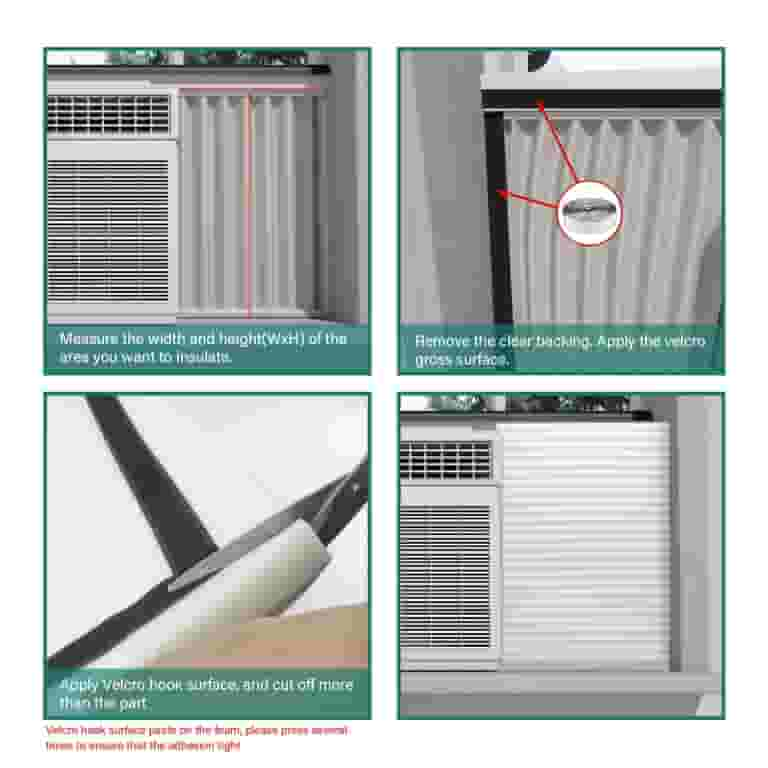
Is your window air conditioner letting in hot air or cold drafts, making your room less comfortable and your energy bills higher? You might not realize it, but gaps and poor insulation around your AC unit can waste a lot of energy.
Learning how to properly insulate your window air conditioner can save you money, keep your space cooler, and even extend the life of your unit. In this guide, you’ll discover simple, effective steps to seal those gaps and boost your AC’s efficiency—no special tools or skills needed.
Keep reading to find out how easy it is to make your air conditioner work smarter for you.
Choosing The Right Air Conditioner
Choosing the right air conditionermeans focusing on size, capacity, and features. The unit must fit the room size well. An overpowered ACuses too much energy. A small unitwon’t cool properly.
Energy efficiency is key. Look for units with a high Energy Efficiency Ratio (EER). This rating shows how well the AC cools using electricity. A higher number means lower energy bills.
Features can make a big difference:
- Thermostat controlfor setting exact temperatures
- Timer optionsto save energy when not needed
- Multiple fan speedsfor comfort control
- Easy installationto save time and effort
Preparing The Window For Installation
Measure the window frame’s width and height carefully. These measurements ensure the air conditioner fits well. Use a tape measure for accuracy. Check the frame for any gaps or uneven spots that might cause leaks.
Clean the window frame thoroughly. Remove dirt, dust, and old sealant. A clean surface helps the sealant stick better. Use a mild soap and water solution, then let it dry completely.
Seal any gaps or cracks with weatherstripping or caulk. This stops air from escaping and keeps bugs out. Focus on corners and edges where leaks are common.
- Find sturdy spots on the frame for support brackets.
- Attach brackets firmly to hold the air conditioner weight.
- Use screws and a drill for secure installation.
- Check brackets are level to avoid unit tilting.
Sealing Gaps Around The Unit
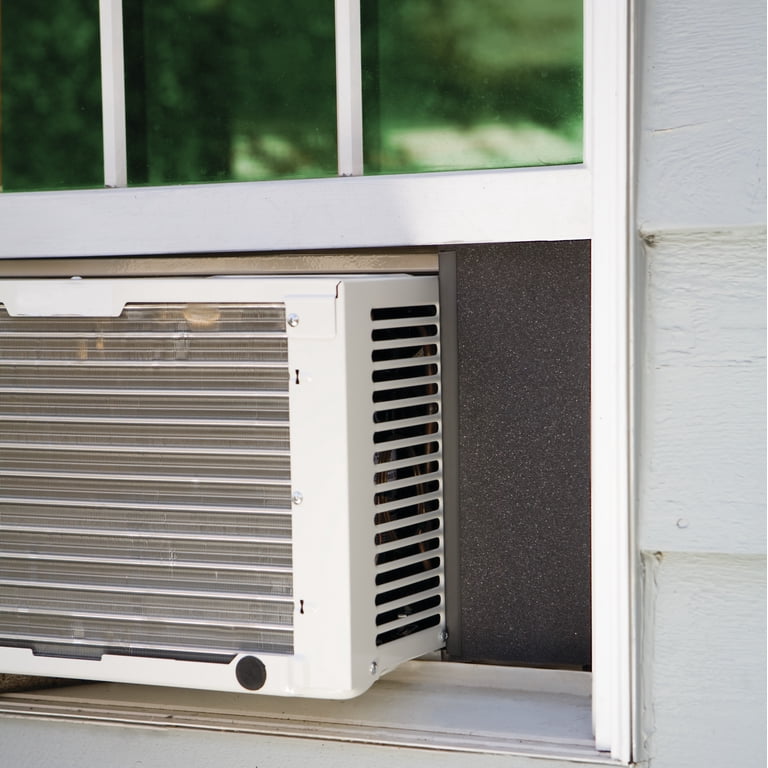
Weatherstrippinghelps block air leaks around the air conditioner. It is easy to install and fits snugly in gaps. Use foam or rubber weatherstripping to seal edges. Press it firmly for a tight seal. This prevents hot air from coming inside and keeps cool air in.
Foam sealantexpands to fill larger gaps. Spray it carefully around the unit’s edges. Avoid overuse; too much can expand and cause mess. Let it dry fully before using the air conditioner. It provides a strong barrier against drafts.
Caulkworks well for small cracks and holes. Apply a thin line of caulk along cracks around the unit. Smooth it with a finger or tool. It hardens quickly and stops air leaks. Choose caulk made for outdoor use for best results.
Credit: www.walmart.com
Adding Insulation Materials
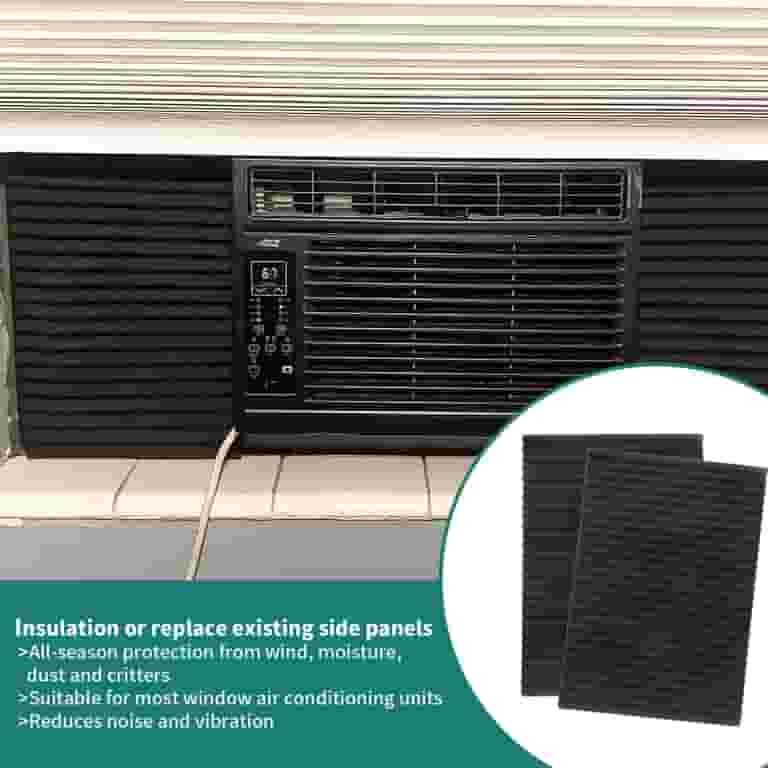
Insulating a window air conditioner helps keep your room cool and saves energy. Installing insulating panelsaround the unit blocks hot air from entering. These panels fit tightly into gaps and cracks.
Reflective foilcan be placed on the outside of the air conditioner. It reflects sunlight away, reducing heat absorption. This keeps the air conditioner cooler and working better.
Covering the window with window insulation filmadds a thin, clear layer that seals out drafts. It is easy to apply and removes without damage. This film helps keep the cool air inside and warm air outside.
- Use foam or rigid panels for best insulation
- Attach reflective foil facing outside for sun protection
- Apply window film with a hairdryer for a tight seal
Maintaining The Air Conditioner
Cleaning filters regularlykeeps the air conditioner working well. Dirty filters block air flow and make the unit use more energy. Take the filters out and wash them with warm water. Let them dry completely before putting them back in. Clean filters help the air stay fresh and cool.
Checking for air leaksstops cool air from escaping. Look around the edges of the window air conditioner. Use weatherstripping or foam tape to seal any gaps. This keeps the cold air inside and the hot air out. It also lowers energy bills.
Seasonal storage tipsprotect the air conditioner when not in use. Clean the unit and dry it well. Cover it with a plastic sheet to keep dust and moisture away. Store it in a dry, cool place to stop rust and damage. Proper storage helps the unit last longer.
Credit: www.walmart.com
Energy-saving Habits
Timers and thermostats help save energy by controlling when the air conditioner runs. Timers turn the unit off after a set time. Thermostats keep the room at a steady, comfortable temperature. This stops the air conditioner from running too long.
Setting the temperature to around 78°F (25°C) cools the room without using too much power. Avoid setting the temperature too low. It makes the air conditioner work harder and wastes energy.
Keep heat sources like lamps, computers, and sunlight away from the air conditioner. Heat makes the unit work more to cool the room. Close curtains or blinds to block sunlight during hot days.

Credit: docrusk.com
Frequently Asked Questions
How Do I Insulate A Window Ac Unit?
To insulate a window AC, use foam insulation panels or insulating foam sealant. Measure and cut the panels to fit around the unit. Seal gaps with weatherstripping or foam sealant. Proper insulation enhances efficiency and reduces energy costs.
Why Is Window Ac Insulation Important?
Insulating a window AC prevents air leaks, improving energy efficiency and comfort. It reduces energy consumption and keeps your room cooler. Proper insulation minimizes noise and extends the lifespan of your AC unit, making it a cost-effective solution.
What Materials Are Best For Ac Insulation?
Foam insulation panels and weatherstripping are ideal for AC insulation. Foam panels provide excellent thermal resistance. Weatherstripping seals gaps effectively. These materials are easy to install and improve energy efficiency. They are also cost-effective, providing long-term savings on energy bills.
Can I Insulate My Ac Without Professional Help?
Yes, you can insulate your AC without professional help. With basic tools and materials, it’s a simple DIY task. Follow instructions carefully to ensure proper insulation. This will improve efficiency and reduce energy costs, making it a worthwhile project for homeowners.
Conclusion
Properly insulating your window air conditioner saves energy and cuts costs. It keeps cool air inside and hot air outside. Simple materials like foam or weatherstripping work well. Seal all gaps tightly for best results. This easy step improves comfort and efficiency.
You can enjoy a cooler room without extra expense. Try these tips to make your air conditioner work smarter. Keep your home cool and your bills low. Small changes make a big difference. Give it a try today.