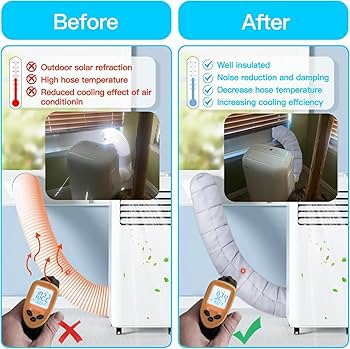
Are you tired of your air conditioner working harder than it should? If your cooling bills are climbing and your home doesn’t feel as comfortable as it could, the problem might be simple: poor insulation.
Learning how to insulate your air conditioner properly can save you money and keep your space cooler for longer. You’ll discover easy and effective ways to boost your AC’s efficiency—without spending a fortune. Ready to make your air conditioner work smarter, not harder?
Let’s dive in.
Benefits Of Insulating Your Ac
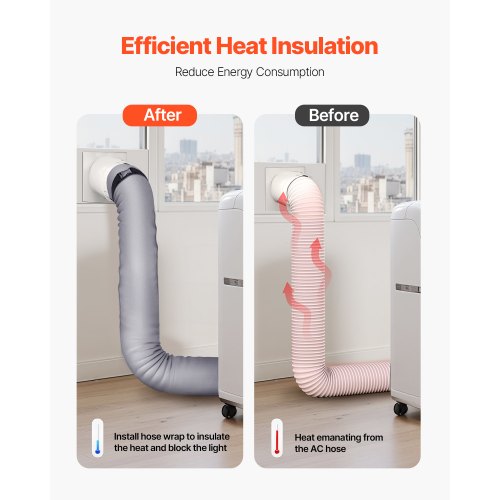
Insulating your air conditioner helps keep your home cool and comfortable. It stops cool air from escaping and heat from entering.
This simple step can save money and improve your AC’s performance in many ways.
Energy Savings
Good insulation reduces energy use by keeping cool air inside. This means the AC runs less often.
- Lower electric bills
- Less energy waste
- Reduced carbon footprint
Extended Unit Lifespan
When your AC does not work too hard, it lasts longer. Insulation lowers wear and tear on the unit.
Improved Cooling Performance
Insulation helps keep the air cold inside your home. Your AC cools the space faster and more evenly.
| Benefit | Effect |
| Better airflow | Even room temperature |
| Stable cooling | Comfort all day |
| Less humidity | Fresher air |
Reduced Noise Levels
Insulation helps block sound from the AC unit. This makes your home quieter and more peaceful.
- Less humming noise
- Reduced vibration sounds
- Calmer indoor environment

Credit: www.walmart.com
Identifying Areas To Insulate
Proper insulation helps your air conditioner run efficiently. It stops cool air from escaping and warm air from entering.
Knowing where to add insulation saves energy and lowers bills. Focus on parts of the system that lose the most cold air.
Ductwork And Pipes
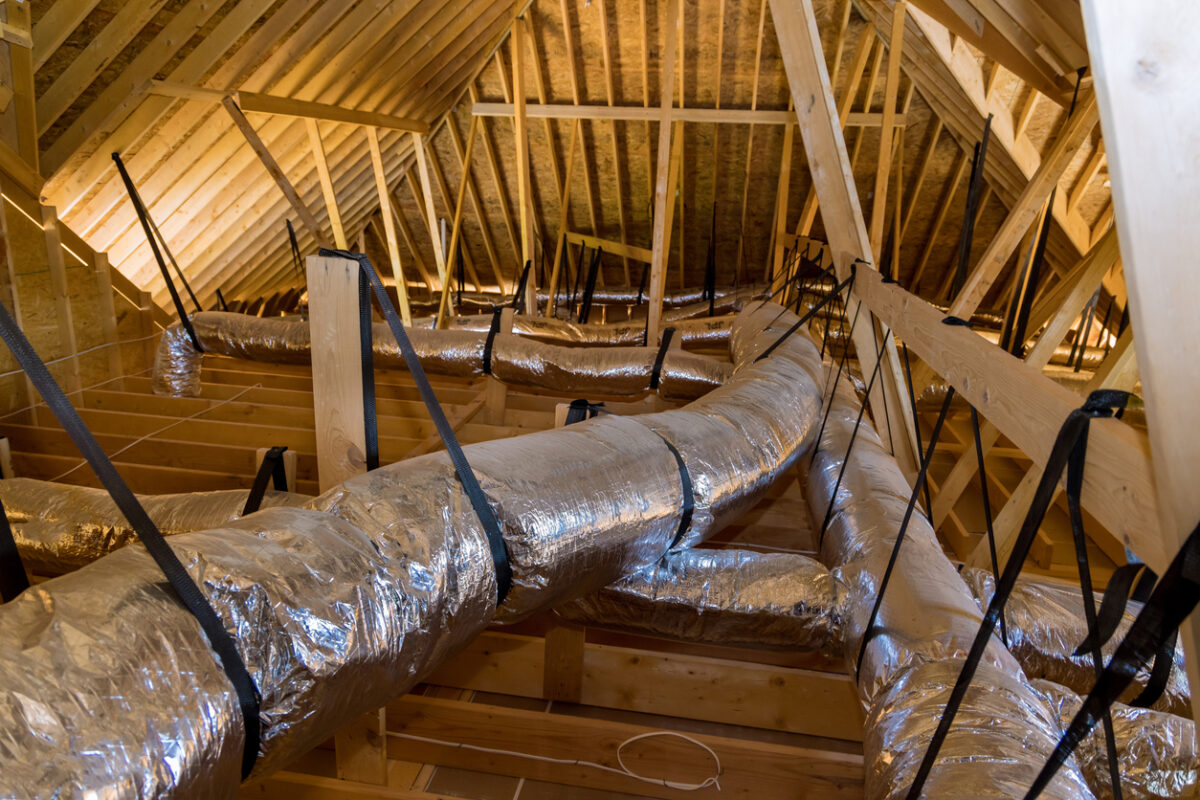
Ducts and pipes carry cooled air through your home. They often run through unheated spaces like attics or basements.
- Look for leaks or holes in ducts.
- Wrap ducts and pipes with foam or fiberglass insulation.
- Seal joints and connections with duct tape designed for HVAC use.
Outdoor Unit Components
The outdoor unit faces weather and temperature changes. Insulating some parts can protect it from heat and debris.
| Component | Insulation Tip |
| Refrigerant Lines | Use foam sleeves to cover lines. |
| Compressor Housing | Clear debris and avoid covering vents. |
| Electrical Wiring | Protect with weatherproof covers, not insulation. |
Indoor Unit And Vents
Inside the house, the unit and vents must keep cool air flowing without leaks.
- Check for gaps around vents and seal with caulk.
- Insulate the cabinet of the indoor unit if accessible.
- Clean vents to avoid blockages that waste energy.
Windows And Doors Near Ac
Windows and doors close to your air conditioner can let warm air inside. Proper sealing stops this.
- Use weather stripping around doors and windows.
- Install door sweeps to block air gaps.
- Consider insulated curtains to reduce heat gain.
Choosing The Right Insulation Materials
Insulating your air conditioner helps save energy and keeps it working well. Choosing the right insulation material is important for good results.
Different materials suit different needs. Some are easy to install, while others offer better protection from heat.
Foam Pipe Insulation
Foam pipe insulation is a common choice for insulating air conditioner pipes. It is lightweight and easy to fit around pipes.
This material reduces heat loss and prevents condensation. It works well for both cold and hot pipes.
- Made from closed-cell foam
- Easy to cut and install
- Prevents moisture build-up
- Good thermal resistance
Reflective Foil Wraps
Reflective foil wraps reflect heat away from pipes and ducts. They help keep air conditioner pipes cool in hot areas.
These wraps are thin but effective. They also protect pipes from sunlight and weather damage.
- Reflects radiant heat
- Thin and lightweight
- Protects from UV rays
- Easy to wrap around pipes
Fiberglass Wraps
Fiberglass wraps provide strong insulation for air conditioner pipes. They resist heat and cold well.
This material is fire-resistant and durable. It needs to be covered with a protective layer to keep it safe.
- High thermal resistance
- Fire-resistant material
- Durable and long-lasting
- Requires protective covering
Spray Foam Options
Spray foam insulation seals gaps and covers irregular shapes around air conditioner parts. It provides excellent air sealing.
This foam expands after spraying and hardens quickly. It works well for hard-to-reach areas.
- Expands to fill gaps
- Strong air seal
- Quick curing time
- Good for odd shapes
Credit: www.mid-fla.com
Step-by-step Insulation Process
Insulating your air conditioner helps keep it efficient and saves energy. This guide shows you how to insulate it in simple steps.
Follow each part carefully to make sure your AC works well and stays protected.
Gathering Tools And Materials
Before starting, collect all tools and materials. This keeps the process smooth and saves time.
- Insulation foam or pipe wrap
- Measuring tape
- Utility knife or scissors
- Adhesive tape or duct tape
- Caulk and caulk gun
- Gloves and safety glasses
Preparing The Ac Components
Turn off your air conditioner and unplug it for safety. Clean the ducts and pipes from dust and dirt.
Dry the surfaces well so the insulation sticks better and lasts longer.
Applying Insulation To Ducts And Pipes
Measure the length of each duct and pipe you want to insulate. Cut the insulation material to fit these parts.
Wrap the insulation tightly around the ducts and pipes. Use tape to secure it and prevent gaps.
- Wrap insulation around cold water pipes
- Cover air ducts fully
- Seal edges with tape to avoid air leaks
Sealing Gaps And Cracks
Look for any gaps or cracks near your AC system. Use caulk to seal these spaces tightly.
Sealing keeps cold air inside and stops warm air from entering, making your AC work better.
- Apply caulk around duct joints
- Fill cracks near pipes and vents
- Check for leaks after sealing
Checking For Proper Airflow
After insulation, turn on your air conditioner. Check if air flows freely from all vents.
If airflow is weak, inspect insulation for blockages or tight wraps. Adjust as needed to keep air moving.
Maintaining Insulation For Long-term Efficiency
Good insulation keeps your air conditioner working well for years. It stops cool air from leaking and saves energy. You should check and care for insulation regularly.
This guide explains how to keep your AC insulation in top shape. Follow these tips for lasting comfort and lower bills.
Regular Inspections
Look over your AC insulation at least twice a year. Check for cracks, tears, or wet spots. Early spotting helps avoid bigger problems and keeps your system efficient.
- Inspect insulation around pipes and ducts
- Check for loose or missing insulation pieces
- Look for signs of mold or moisture
- Use a flashlight to see hidden spots
Repairing Damaged Insulation
Fix any damage quickly to keep insulation strong. Small tears or holes reduce its power. Use proper materials for repairs to keep cold air inside and heat out.
| Damage Type | Repair Method | Tools Needed |
| Small tears | Seal with insulation tape | Insulation tape, scissors |
| Large holes | Replace insulation section | Replacement insulation, utility knife |
| Wet insulation | Remove and dry area, replace if needed | Gloves, replacement insulation |
Cleaning Ac Components
Keep AC parts clean to protect insulation and improve airflow. Dirt and dust reduce cooling and cause wear on insulation. Clean filters, coils, and ducts regularly.
- Remove dust from vents and ducts
- Wash or replace air filters every 1-3 months
- Clean outdoor coils with a soft brush or water
- Clear debris around the AC unit
Upgrading Insulation When Needed
Older insulation may lose its power. Upgrading can save energy and keep your home cooler. Choose materials with good ratings for your climate and AC type.
Here are common insulation types and their benefits:
- Foam rubber:Flexible and moisture resistant.
- Fiberglass:Affordable and easy to install.
- Reflective foil:Reflects heat away from ducts.
Common Mistakes To Avoid
Insulating your air conditioner can save energy and reduce costs. Yet, many make mistakes that lower its efficiency.
Knowing which errors to avoid helps keep your AC running smoothly and cools your home better.
Over-insulating And Blocking Airflow
Putting too much insulation around your AC can trap heat and block airflow. This makes the unit work harder.
Good airflow is needed to keep the outdoor unit cool and prevent damage from overheating.
- Do not cover vents or fans
- Leave space for air to move freely
- Use only the recommended amount of insulation
Ignoring Outdoor Unit Exposure
Outdoor AC units face sun, rain, and dirt. Ignoring this exposure can reduce their life span.
Protect your unit with a cover or shade, but do not block airflow or trap moisture.
- Use a breathable cover during off-season
- Place the unit in a shaded area if possible
- Keep the area around the unit clean and clear
Using Incorrect Materials
Choosing the wrong insulation material can harm your AC. Some materials hold moisture or block airflow.
Use materials made for air conditioner insulation. Avoid items like plastic sheets or thick foam that trap heat.
- Use weather-resistant insulation wraps
- Choose materials that resist moisture
- Avoid materials that compress or block air
Skipping Professional Advice
Trying to insulate your AC without expert help can lead to mistakes. Professionals know what works best.
They can suggest the right materials and methods for your system and climate.
- Get an inspection before insulating
- Ask for recommendations on materials
- Follow professional installation tips
Credit: www.vevor.com
Frequently Asked Questions
How Does Insulating An Air Conditioner Improve Efficiency?
Insulating your air conditioner prevents cool air from escaping. It reduces energy waste and lowers electricity bills. Proper insulation keeps the unit running smoothly and extends its lifespan. This simple step enhances overall cooling performance and comfort in your home.
What Materials Are Best For Insulating Air Conditioner Ducts?
Foam insulation sleeves and reflective foil tape are ideal for air conditioner ducts. They block heat transfer and seal leaks effectively. These materials are easy to install and durable. Using them ensures your AC system stays energy efficient and maintains optimal cooling.
Can Insulating An Air Conditioner Reduce Noise Levels?
Yes, insulating your air conditioner can help reduce noise. Insulation absorbs sound vibrations and muffles operational sounds. This leads to a quieter and more comfortable indoor environment. Properly insulated ducts and pipes contribute significantly to noise reduction.
When Is The Best Time To Insulate An Air Conditioner?
The best time to insulate your air conditioner is during installation or before peak summer. Early insulation ensures maximum energy savings and prevents future repairs. It’s easier and more cost-effective to insulate before extensive use.
Conclusion
Insulating your air conditioner saves energy and reduces costs. It’s simple and effective. You just need the right materials and a little time. Begin with checking for gaps and sealing them. Use foam or insulation tape for better results. This not only improves efficiency but also extends the unit’s life.
Regular maintenance ensures it stays efficient. A well-insulated unit keeps your home comfortable. It’s worth the small effort. Start today and enjoy the benefits. Your home will thank you with lower bills and consistent comfort. Happy insulating!