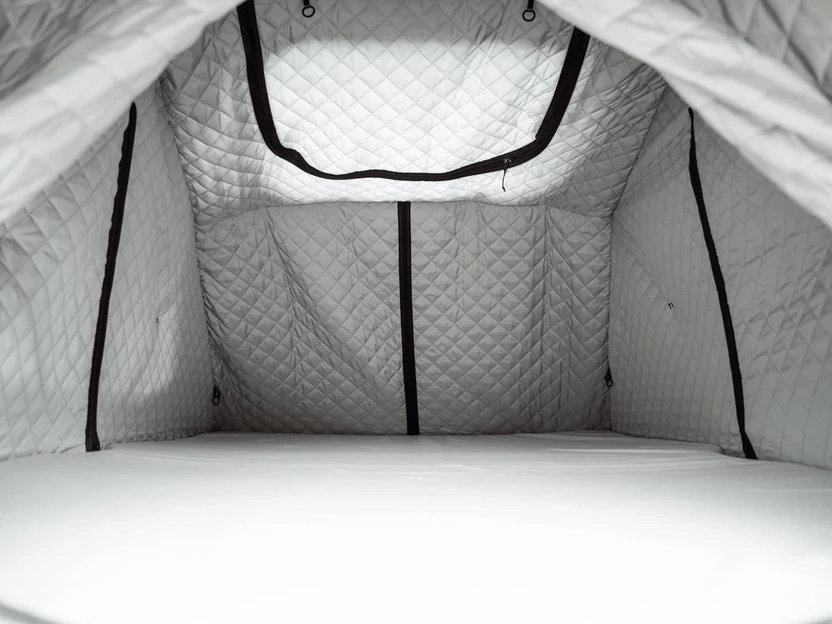
Imagine you’re planning a camping trip, but the thought of chilly nights makes you hesitate. You want to enjoy the beauty of nature without shivering through the night.
That’s where insulating your tent comes in handy. By learning how to properly insulate your tent, you can transform those cold, uncomfortable nights into cozy, warm experiences. Don’t let the cold deter your adventurous spirit. Discover simple and effective ways to keep your tent warm, ensuring a restful night’s sleep no matter where your adventures take you.
Read on to uncover how you can enhance your camping experience and stay snug as a bug, even when the temperature drops.

Credit: www.dtbdoutdoor.eu
Choosing Tent Materials
Choosing the right materials helps keep your tent warm. Good insulation depends on fabric and design.
Using the best materials reduces heat loss and protects you from cold weather.
Fabric Types And Their Insulation
Some fabrics hold heat better than others. Thick fabrics keep warmth inside the tent.
Look for fabrics that block wind and trap air for better insulation.
- Canvas: Heavy and thick, great for warmth but heavier to carry
- Polyester: Lightweight and water-resistant, less warm but dries fast
- Nylon: Strong and light, often coated for better insulation
- Ripstop fabrics: Durable with good heat retention, resist tears
Tent Shape And Heat Retention
Tent shape affects how heat stays inside. Small tents keep heat better than large ones.
Rounded shapes reduce surface area and help keep warmth inside the tent.
- Dome tents: Good heat retention, compact and easy to heat
- A-frame tents: Simple design, moderate heat retention
- Geodesic tents: Strong and stable, trap heat well
- Cabin tents: Larger, less heat retention but more space
Seam Sealing And Weatherproofing
Seams can let cold air and water inside. Sealing them keeps the tent warm and dry.
Use seam tape or waterproof sealant to close gaps. This stops drafts and moisture.
- Apply seam tape inside and outside the tent
- Use waterproof coatings to protect fabric
- Check seams regularly for damage or leaks
- Proper sealing improves heat retention and comfort
Ground Insulation Techniques
Insulating the ground inside your tent keeps you warm and comfortable. The earth can draw heat away from your body during cold nights. Using the right ground insulation blocks cold and moisture.
There are simple ways to add insulation under your sleeping area. These methods help reduce heat loss and improve your camping experience.
Using Sleeping Pads And Mats
Sleeping pads and mats create a barrier between you and the cold ground. They trap air, which acts as an insulator. Many pads also have foam or inflatable layers that add extra warmth.
Choose a pad with good insulation value, often called R-value. Higher R-value means better warmth. Use thicker pads for colder weather and thinner ones for summer.
- Foam pads are lightweight and provide steady insulation.
- Inflatable pads can be compact and adjust firmness.
- Closed-cell foam pads resist moisture and punctures.
- Look for pads with reflective surfaces to keep heat in.
Adding Ground Tarps And Footprints
Ground tarps and footprints protect your tent floor from moisture and dirt. They also add a small layer of insulation by stopping cold from seeping up through the ground.
Use a tarp slightly smaller than your tent floor to avoid water pooling. Footprints are custom-made tarps that fit your tent perfectly. Both help keep the tent dry and reduce heat loss.
- Place tarps or footprints under the tent floor.
- Keep them dry and clean for best insulation.
- Use waterproof materials to block moisture.
- Remove them after camping to prevent mildew.
Natural Insulation From Leaves And Pine Needles
Using natural materials like leaves and pine needles can add insulation under your tent. They create a soft, thick layer that traps air and reduces cold from the ground.
Collect dry leaves or pine needles before setting up your tent. Spread them evenly under the tent floor or sleeping area. Avoid damp materials that can hold moisture.
- Gather dry leaves or pine needles from the campsite.
- Remove sticks or sharp objects before laying them down.
- Spread in a thick, even layer for best insulation.
- Use this method only when allowed and safe for the environment.
Layering Inside The Tent
Keeping warm inside a tent is important for a good night’s sleep. Layering helps trap heat and block cold air.
Using different layers inside your tent adds comfort and warmth. Each layer plays a key role in insulation.
Sleeping Bags And Blankets
Sleeping bags keep your body heat close. Choose one with good insulation for cold weather.
Adding blankets inside or over the sleeping bag adds extra warmth. Use wool or fleece blankets for best results.
- Pick a sleeping bag rated for cold temperatures
- Use blankets to add extra layers of insulation
- Keep blankets dry to maintain warmth
Thermal Liners And Reflective Blankets
Thermal liners fit inside sleeping bags to boost warmth. They trap heat and keep cold out.
Reflective blankets reflect your body heat back to you. Place them under or around your sleeping area.
- Use thermal liners to improve sleeping bag insulation
- Place reflective blankets under your sleeping bag
- Wrap reflective blankets around your legs for extra heat
Clothing Layers For Warmth
Wear several thin clothing layers inside the tent. Layers trap warm air and keep you cozy.
Choose clothes made from wool or synthetic fabrics. Avoid cotton because it holds moisture and cools you down.
- Start with a moisture-wicking base layer
- Add an insulating middle layer like fleece or wool
- Top with a windproof or water-resistant layer if needed
Heat Sources And Safety
Keeping a tent warm is important for comfort in cold weather. Using heat sources inside your tent can help. Safety is the top priority when adding heat.
Some heat sources work better than others. It is important to choose safe options and use them carefully to avoid accidents.
Portable Heaters For Tents
Portable heaters can warm a tent quickly. Choose models made for indoor or tent use. Some run on propane, others use electricity.
Place heaters on a flat surface away from flammable materials. Keep children and pets away from the heater. Always follow the heater’s instructions.
- Use heaters with automatic shut-off features
- Keep a fire extinguisher nearby
- Never leave a heater unattended
- Check for carbon monoxide risks with fuel heaters
Safe Use Of Candles And Warmers
Candles and warmers can add small heat and light inside a tent. Use only if the tent is large and well-ventilated. Choose flameless or battery-powered warmers for safety.
If you use real candles, place them in sturdy holders. Keep them away from fabric and other flammable items. Never leave candles burning when you sleep or leave the tent.
- Use candles only in metal or glass holders
- Keep candles away from tent walls and gear
- Extinguish all flames before sleeping
- Consider flameless LED candles as safer alternatives
Ventilation To Prevent Condensation
Heating a tent without fresh air can cause moisture to build up. This leads to condensation on the walls and inside the tent. Ventilation helps reduce this problem.
Open vents or windows slightly when using any heat source. This lets fresh air in and moist air out. Good airflow keeps the tent dry and safe.
- Use tents with built-in vents
- Keep vents open even in cold weather
- Avoid sealing the tent completely when heating
- Check for signs of moisture and wipe it away
Wind And Weather Protection
Protecting your tent from wind and weather keeps you safe and dry. Good insulation helps block cold air and rain.
This guide shows ways to shield your tent from harsh conditions. Use simple methods to make your camping more comfortable.
Setting Up Windbreaks
Windbreaks reduce strong gusts that hit your tent. You can use natural or artificial barriers.
- Place your tent near trees or bushes for natural wind protection.
- Use tarps or heavy fabric walls to block wind on open ground.
- Build a low fence of rocks or logs around your tent.
- Set up your windbreak on the side where the wind usually blows from.
Choosing Tent Location Wisely
Picking the right spot makes a big difference. Avoid low areas where water can collect after rain.
| Factor | What to Do |
| Wind Direction | Face tent door away from prevailing wind |
| Ground | Choose high, flat ground to avoid flooding |
| Vegetation | Find spots near shrubs or trees for shelter |
| Sun Exposure | Pick a place with some shade to stay cool |
Using Vestibules And Rain Flaps
Vestibules and rain flaps add extra layers between you and the weather. They help keep rain and wind out.
- Use the vestibule space to store wet gear and keep the tent dry inside.
- Secure rain flaps tightly over tent openings to stop water from entering.
- Check that zippers and seams are sealed well during bad weather.
- Open vestibules slightly for ventilation to reduce condensation.

Credit: klymit.com
Diy Insulation Hacks
Keeping your tent warm can make camping more comfortable. You can use simple items to add insulation.
These DIY hacks help block cold air and keep heat inside your tent.
Reflective Foil Applications
Reflective foil works by bouncing heat back inside the tent. It helps keep warmth close to you.
You can place reflective foil under your sleeping bag or on tent walls for extra warmth.
- Line the tent floor with reflective foil to stop cold from the ground
- Attach foil sheets on the inner tent walls to reflect body heat
- Use foil behind stoves or heaters to direct heat inside
Bubble Wrap And Emergency Blankets
Bubble wrap traps air in its bubbles, which helps block cold air. Emergency blankets reflect heat like foil.
Both materials are light and easy to carry for camping trips.
- Place bubble wrap on the tent floor or walls for insulation
- Wrap emergency blankets around sleeping bags to keep heat in
- Cover tent windows with emergency blankets to reduce drafts
Insulating Tent Doors And Windows
Doors and windows let cold air in. Adding insulation here helps keep the tent warm.
Use thick fabrics or plastic covers to block cold drafts from openings.
- Hang a thick blanket or foam panel over the door inside the tent
- Cover windows with plastic sheeting or emergency blankets
- Seal gaps with tape or weather stripping to stop drafts

Credit: www.battlbox.com
Frequently Asked Questions
How Can I Insulate A Tent For Cold Weather?
Use insulating materials like foam pads or thermal blankets inside the tent. Seal gaps and add windbreaks outside. These methods keep heat in and cold out efficiently.
What Materials Are Best For Tent Insulation?
Foam sleeping pads, reflective thermal blankets, and insulated liners work best. They trap heat and prevent cold air from entering, enhancing warmth inside your tent.
Does Insulating A Tent Improve Camping Comfort?
Yes, insulation maintains warmth, reduces condensation, and blocks wind. This leads to a more comfortable and cozy camping experience, especially in cold or damp conditions.
Can I Use Household Items To Insulate My Tent?
Yes, items like blankets, rugs, or bubble wrap can help insulate. They add extra layers that trap heat and reduce drafts inside the tent.
Conclusion
Insulating your tent keeps you warm and comfortable outdoors. Use simple materials like blankets or foam pads for best results. Cover walls and floors to block cold air effectively. Small steps make a big difference in cold weather. Enjoy your camping trips without worrying about the chill.
Stay cozy, sleep well, and explore nature with ease. Good insulation turns a cold night into a pleasant experience. Try these tips on your next adventure and feel the warmth.