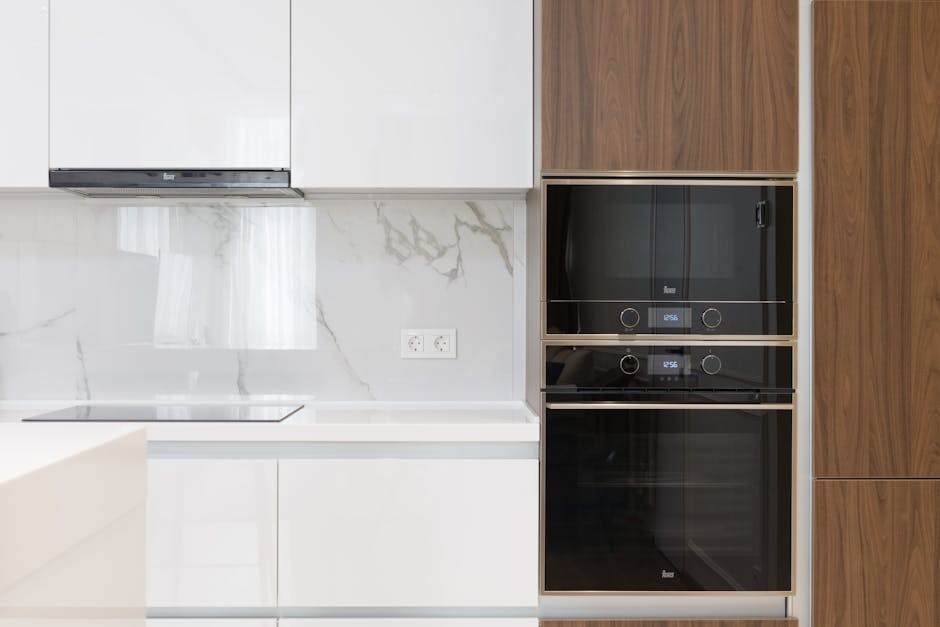
Are you ready to upgrade your kitchen with a sleek, seamless look? Integrating a panel ready refrigerator into a countertop depth design can transform your space, making it look modern and custom-built.
But how do you make sure your fridge fits perfectly without sticking out or disrupting your kitchen’s flow? This guide will walk you through simple, clear steps to achieve that flawless integration. By the end, you’ll know exactly how to blend your refrigerator into your kitchen’s style, saving space and boosting your home’s value.
Keep reading to discover the secrets that designers don’t always share!
Choosing The Right Panel Ready Refrigerator
Choosing the right panel ready refrigerator is key to a seamless kitchen design. This type of fridge blends into your cabinetry, creating a clean, uniform look. Selecting the perfect model involves more than just size. Consider features, style, and capacity to ensure it fits your needs and space.
Key Features To Consider
- Adjustable shelves for flexible storage options.
- Energy-efficient models to reduce electricity bills.
- Quiet operation to keep your kitchen peaceful.
- Smart technology for easy temperature control.
- Ice and water dispensers for convenience.
Matching Design With Kitchen Style
Panel ready refrigerators come with customizable fronts. Choose panels that match your cabinet material and color. This creates a smooth, built-in look that blends perfectly. Consider the handle style too—hidden or sleek handles maintain a minimalist feel. Your fridge should enhance the overall kitchen design, not stand out.
Size And Capacity Options
Measure your kitchen space accurately before buying. Counter-depth refrigerators typically range from 24 to 36 inches wide. Choose a size that fits your cooking habits and household needs. Larger families may need more capacity, while smaller kitchens benefit from compact models. Balance space efficiency with storage capacity for best results.

Credit: metroappliancesandmore.com
Measuring For Countertop Depth Integration
Measuring your space accurately is the foundation for a flawless panel ready refrigerator installation. It ensures your new appliance fits seamlessly with your countertop depth, maintaining a sleek and uniform kitchen look. Skipping this step or measuring incorrectly can lead to costly adjustments or a refrigerator that sticks out awkwardly.
Standard Countertop Depths
Most countertops have a depth ranging between 24 to 25 inches from the wall to the front edge. This depth is designed to align with standard kitchen appliances, including refrigerators, to create a flush appearance. However, some kitchens may feature shallower or deeper countertops, especially in custom or older homes.
Knowing the exact depth of your countertop helps you select a refrigerator that won’t protrude. If your countertop depth is on the shallower side, you might need a more compact or specifically designed panel ready fridge.
Measuring Height, Width, And Depth
Accurate measurements include three dimensions: height, width, and depth. Use a tape measure to record:
- Height:Measure from the floor to the bottom of the countertop or any overhead cabinets.
- Width:Measure the cabinet opening width where the refrigerator will sit.
- Depth:Measure from the wall to the front edge of the countertop.
Double-check these numbers and write them down. A common mistake is assuming the space is standard without verifying, which can cause installation headaches.
Allowing Space For Ventilation
Ventilation space is crucial for your refrigerator’s performance and longevity. Most panel ready refrigerators require at least 1 to 2 inches of clearance on the sides and the back to allow air circulation.
Failing to provide this space can cause your fridge to overheat and increase energy consumption. Check the manufacturer’s guidelines for specific clearance requirements and factor these into your measurements.
Have you considered how ventilation affects your fridge’s efficiency? Making room for airflow can prevent costly repairs and keep your appliance running smoothly for years.
Preparing The Installation Space
Measure the space carefully to match the refrigerator’s dimensions exactly. Ensure proper ventilation and clearances around the unit for smooth operation. Check that electrical outlets and water lines are accessible before installation.
Preparing the installation space is crucial for a seamless fit of your panel-ready refrigerator into countertop depth. This process ensures the refrigerator blends perfectly with your kitchen design. Proper preparation enhances both functionality and aesthetics.Clearing The Area
Before beginning, remove any obstacles from the installation space. Make sure the area is clear of debris and unnecessary items. This will provide ample room to work and prevent any interruptions. Having a tidy space helps avoid accidents during installation.Checking Electrical And Plumbing Needs
Verify all electrical outlets are functioning correctly. Ensure they meet the refrigerator’s power requirements. Check nearby plumbing for any water connections if your fridge includes a water dispenser. Confirm there are no leaks or blockages in the plumbing lines.Ensuring Proper Floor Leveling
Use a level tool to check the floor’s evenness. Uneven flooring can cause the refrigerator to tilt, affecting operation. Adjust the leveling legs of the refrigerator if needed. A stable base ensures smooth performance and prevents noise.
Credit: www.arizonaapplianceandhome.com
Installing The Panel Ready Refrigerator
Installing a panel ready refrigerator into a countertop depth space requires care and precision. This process ensures the appliance fits perfectly with your kitchen design. Proper installation improves both the look and function of your kitchen. Follow these steps to achieve a seamless integration.
Attaching Custom Panels
Start by preparing the custom panels that match your cabinetry. Most panel ready refrigerators come with a frame for easy panel attachment. Use screws to secure the panels firmly to the refrigerator doors. Align the panels carefully to avoid gaps or misalignment. Check that the panels open and close smoothly without rubbing.
Sliding Into Counter Depth Space
Clear the area and measure the space to ensure a good fit. Slowly slide the refrigerator into the countertop depth opening. Keep the unit straight to avoid damaging the sides or panels. Leave a small gap at the back for air circulation. Stop once the refrigerator is flush with the surrounding cabinets.
Securing And Leveling The Unit
Use the built-in leveling feet to adjust the height of the refrigerator. Make sure it sits evenly to prevent door misalignment. Secure the refrigerator to the cabinets using brackets or screws if provided. Double-check that the doors open and close without sticking. A level and secure unit improves performance and durability.
Connecting Utilities And Testing
Connecting utilities and testing your panel ready refrigerator is a crucial phase that ensures your appliance runs smoothly within the confined space of a countertop-depth kitchen. Skipping or rushing through these steps can lead to performance issues or even damage. Paying close attention here saves you from costly repairs and keeps your food fresh and safe.
Electrical Hookup
Start by confirming your electrical outlet matches the refrigerator’s power requirements. Most panel ready models require a grounded 120-volt outlet. If you’re unsure, use a voltage tester or consult an electrician to avoid potential hazards.
Plug the refrigerator directly into the outlet—avoid extension cords as they can cause voltage drops. Once connected, switch on the power and listen for any unusual sounds. A steady hum usually means the compressor is working properly.
Water Line Connection
If your refrigerator has an ice maker or water dispenser, connecting the water line correctly is essential. Use a dedicated cold water supply line equipped with a shutoff valve for easy maintenance.
Attach the water line securely using compression fittings to prevent leaks. After turning on the water, check all connections carefully for drips. Even a tiny leak can cause water damage over time.
Initial Temperature Setup
Set the refrigerator and freezer temperatures according to the manufacturer’s recommendations—usually around 37°F for the fridge and 0°F for the freezer. Avoid setting temperatures too low initially; sudden drops can strain the compressor.
Allow the unit to run for 24 hours before loading it with food. Use a refrigerator thermometer to verify the temperature remains stable. Have you noticed inconsistent cooling in your fridge before? Testing early helps catch these issues before they become a problem.

Credit: www.youtube.com
Maintaining Your Integrated Refrigerator
Maintaining your integrated refrigerator ensures it stays efficient and looks seamless within your kitchen design. Regular upkeep prevents unexpected breakdowns and keeps your food fresh longer. Let’s dive into practical ways you can care for your panel ready refrigerator without hassle.
Cleaning Tips
Keep the exterior panels spotless by wiping them with a soft, damp cloth and mild detergent. Avoid abrasive cleaners that can damage the finish of your custom panels.
Inside, clean spills immediately to prevent odors and stains. Remove shelves and drawers periodically and wash them with warm, soapy water.
Don’t forget to clean the door seals gently with a damp cloth to remove crumbs and dirt. This helps maintain a tight seal, saving energy and keeping your fridge cool.
Troubleshooting Common Issues
If your fridge isn’t cooling properly, check if the vents inside are blocked by food items. Proper airflow is essential for consistent temperature.
Strange noises often come from uneven placement or loose parts. Make sure your refrigerator is level and tighten any screws or brackets if needed.
Noticed moisture buildup? It could be due to a door not closing properly. Inspect the door gasket for cracks or debris and replace it if worn out.
Extending Appliance Lifespan
Regularly defrost your fridge if it doesn’t have an auto-defrost feature. Ice buildup can reduce efficiency and strain the compressor.
Keep the coils clean by vacuuming them every six months. Dust buildup forces your fridge to work harder, shortening its life.
Consider the fridge’s location—avoid placing it near heat sources like ovens or direct sunlight. This simple step can prevent overworking your appliance and save on energy bills.
Design Tips For Seamless Integration
Integrating a panel ready refrigerator into a countertop depth kitchen is all about creating a smooth, unified look. The goal is to make the fridge feel like a natural extension of your cabinetry rather than a bulky appliance. Thoughtful design choices can help you achieve this seamless blend, enhancing both aesthetics and functionality.
Coordinating Cabinetry And Panels
Matching the refrigerator panels with your kitchen cabinets is key to a seamless look. Use the same material, finish, and color for the fridge panels as your surrounding cabinetry. This consistency helps the fridge disappear into the design rather than stand out.
Think about panel thickness and edge details too. Panels that are too thick or have different edges can break the visual flow. If your cabinets have shaker-style doors, try to replicate that style on the fridge panels for harmony.
Lighting And Hardware Choices
Lighting can make or break the integration of your panel ready fridge. Under-cabinet lighting or recessed ceiling lights help highlight the clean lines and create depth without drawing attention to the appliance.
Hardware is another detail that affects the overall look. If your cabinets have sleek, modern handles, use the same style on the fridge. Alternatively, for a minimalist look, consider handleless panels with push-to-open mechanisms that keep surfaces smooth and uninterrupted.
Optimizing Kitchen Workflow
Design isn’t just about looks; it’s about how you use your kitchen every day. Place the panel ready refrigerator where it’s easy to access during meal prep but doesn’t disrupt the main cooking zone.
Think about the distance between the fridge, sink, and stove—this classic kitchen work triangle helps make your movements more efficient. You want your fridge to be convenient without blocking pathways or crowding countertops.
Frequently Asked Questions
What Is A Panel Ready Refrigerator?
A panel ready refrigerator is designed to blend with kitchen cabinetry. It features customizable front panels matching your cabinets for a seamless look.
How To Measure For Countertop Depth Refrigerators?
Measure the fridge height, width, and depth, including door clearance. Ensure a snug fit within standard countertop depth cabinets, typically 24 inches deep.
Can Panel Ready Refrigerators Fit Standard Cabinets?
Yes, panel ready refrigerators are built to fit standard countertop depth cabinets. Proper measurements and installation ensure they align perfectly with cabinetry.
What Are Installation Tips For Panel Ready Refrigerators?
Level the fridge, secure it properly, and align panels carefully. Leave space for ventilation and door swing to ensure optimal performance.
Conclusion
Integrating a panel ready refrigerator into countertop depth creates a clean kitchen look. It saves space and fits well with cabinets. Measure carefully before installation to avoid gaps or tight spots. Choose a model that matches your kitchen’s style and size.
Proper installation keeps the fridge working efficiently and looks neat. Small details make a big difference in your kitchen’s design. Enjoy a smooth and stylish kitchen with this smart appliance choice.