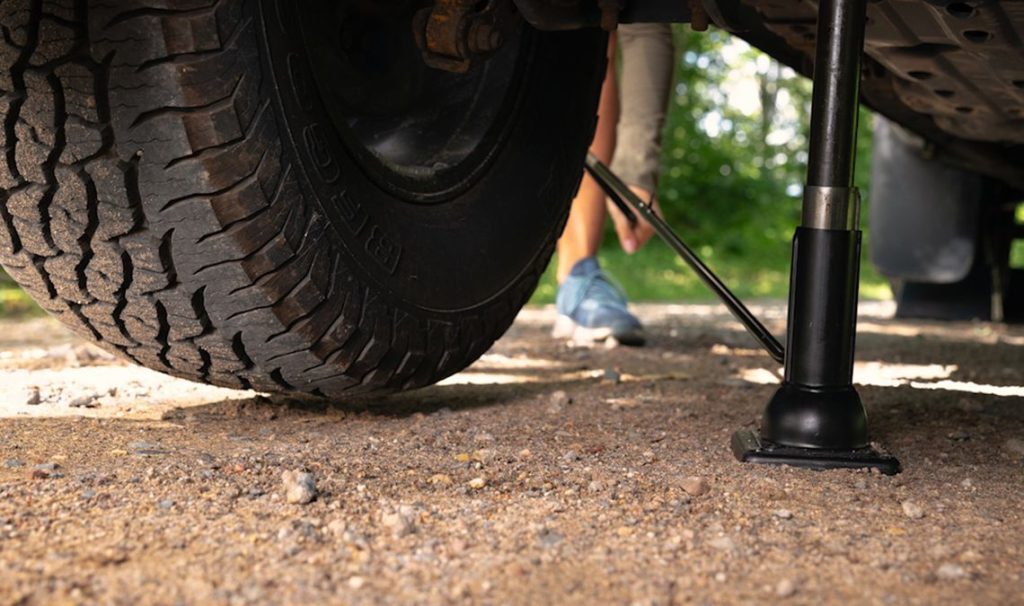
Changing a tire might seem tricky, but it’s something you can easily do yourself with the right steps. Knowing how to jack up your car safely is the first and most important part.
If you don’t do it right, you risk damaging your car or even hurting yourself. This guide will walk you through the simple, clear steps to lift your car securely so you can change your tire quickly and confidently. Keep reading, and you’ll be ready to handle a flat tire like a pro—no stress, no confusion.
Credit: www.familyhandyman.com
Preparing The Car And Workspace
Changing a tire starts with preparing your car and workspace safely. This helps the process go smoothly.
Take time to get ready before you jack up the car. This keeps you safe and avoids damage.
Gathering Necessary Tools
Collect all tools before you begin. Having everything close makes the job easier.
- Car jack
- Lug wrench
- Spare tire
- Wheel wedges or blocks
- Gloves
- Flashlight if working in low light
Choosing A Flat Surface
Pick a flat, stable surface to park your car. This stops the car from rolling or slipping.
| Surface Type | Reason |
| Concrete | Hard and level for jack stability |
| Asphalt | Firm and flat to prevent movement |
| Gravel | Unstable, avoid if possible |
| Soft ground or dirt | Can cause jack to sink, not safe |
Engaging The Parking Brake
Set the parking brake firmly. This stops the car from moving as you change the tire.
Follow these points:
- Press the brake pedal fully before engaging the parking brake.
- Pull the parking brake lever or press the button until it clicks.
- Test the car by gently pushing it to make sure it does not roll.
Locating The Jack Points
Knowing where to place the jack is very important. It helps keep the car safe while you change the tire.
Placing the jack in the wrong spot can damage your car or cause the jack to slip. Always find the right jack points first.
Consulting The Owner’s Manual
The owner’s manual shows where the jack points are on your car. It is the safest guide to follow.
Look in the manual for pictures or diagrams. These show the exact spots to place the jack under your car.
- Find the section on tire changing or jacking up the car.
- Look for marked jack points or frame areas.
- Follow any safety tips given in the manual.
Identifying Jacking Spots On The Frame
Jack points are usually strong parts of the car frame. They are made to hold the car’s weight safely.
Common jack points include the metal edges near the tires or special notches on the frame.
- Look for flat, reinforced metal areas near each wheel.
- Avoid placing the jack on plastic parts or the car body.
- Check for small indentations or marks that show where to jack.
Positioning The Jack
Changing a tire requires placing the jack in the right spot. Correct placement keeps the car safe while lifting.
This guide covers how to align the jack and check stability before raising your car.
Aligning The Jack Properly
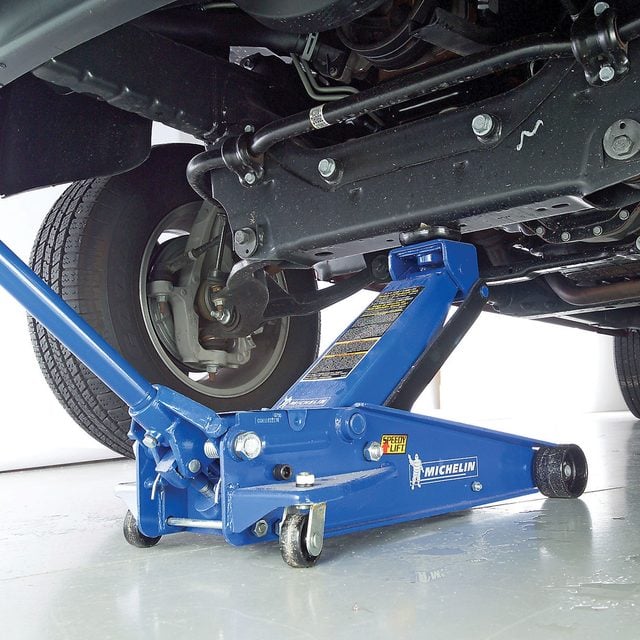
Find the jack point near the tire you want to change. This spot is usually marked or reinforced on the car’s frame.
- Look for a flat, solid area under the car near the tire.
- Check the owner’s manual for exact jack points.
- Make sure the jack head fits the spot to avoid slipping.
- Do not place the jack on plastic or weak parts.
Ensuring Stability Before Lifting
Before lifting, make sure the jack and car are steady. This prevents accidents and damage.
| Check | What to Do |
| Ground Surface | Place jack on firm, flat ground |
| Jack Position | Center jack under the marked point |
| Car Gear | Put car in park or gear and set the parking brake |
| Wheel Chocks | Block wheels opposite the tire you lift |
Credit: www.redlinestands.com
Lifting The Car Safely
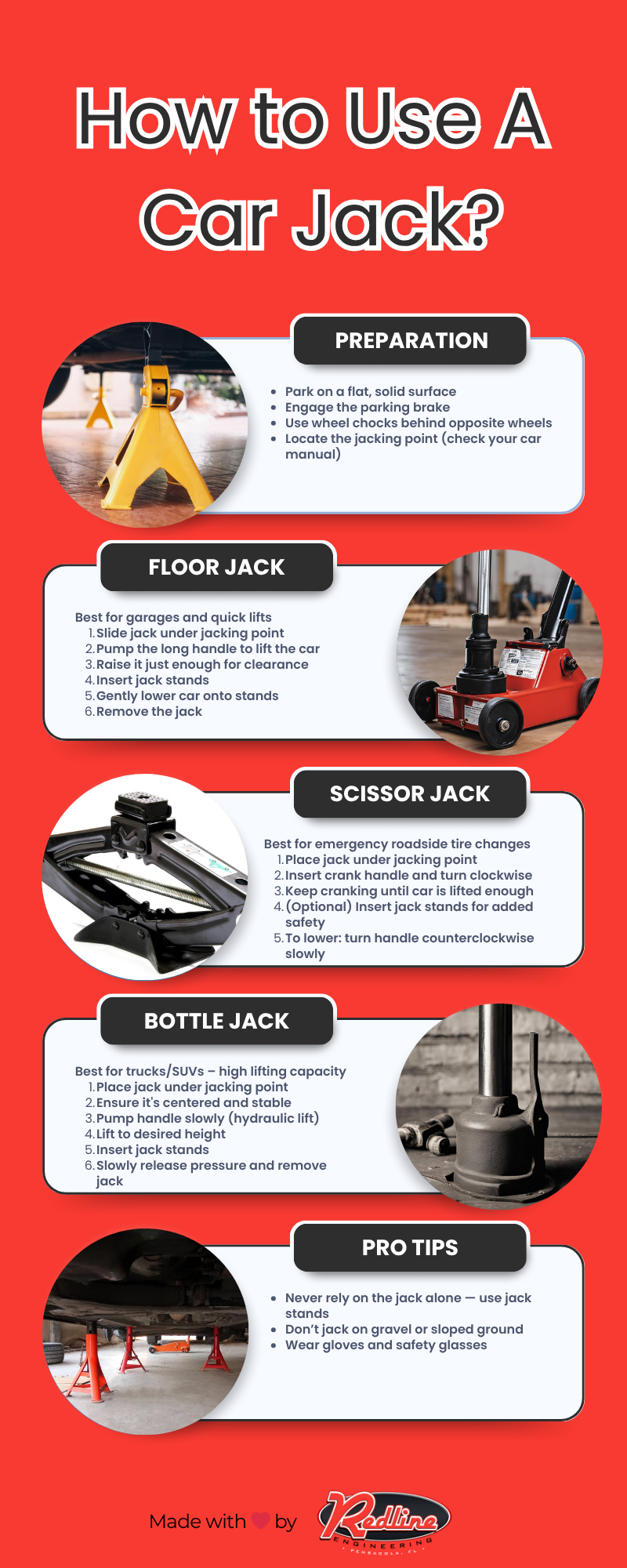
Changing a tire requires lifting the car carefully to avoid accidents. Use the right tools and follow safety steps. Keep the area clear and stable to prevent the car from moving.
Always work on a flat surface and apply the parking brake. Check the jack and other equipment before use. Safety must come first to protect yourself and others.
Raising The Vehicle Slowly
Lift the car slowly to keep control and avoid sudden shifts. Turn the jack handle gently and watch the car rise. Stop if you feel any resistance or hear strange sounds.
- Place the jack under the car’s lifting point.
- Turn the handle slowly to raise the car.
- Stop and check the jack position often.
- Do not rush or force the jack up.
- Raise the car just enough to remove the tire.
Checking For Secure Elevation
Once the car is lifted, check if it is stable before removing the tire. The car should not rock or move. Make sure the jack and any supports hold the car firmly.
| Check Point | What to Look For |
| Jack Placement | Correct spot under frame or lift point |
| Car Stability | No shaking or tilting when gently pushed |
| Support Tools | Use jack stands if available for extra safety |
| Surface | Flat and hard ground, no soft dirt or gravel |
Removing The Tire
Removing a tire safely is important for changing it properly. You need to follow clear steps to avoid damage or injury.
This guide covers loosening lug nuts and taking off the wheel after jacking up your car.
Loosening Lug Nuts
Lug nuts hold the tire firmly to the wheel hub. Loosening them before lifting the car makes removal easier and safer.
- Use a lug wrench that fits your lug nuts.
- Turn the wrench counterclockwise to loosen each nut slightly.
- Do not remove the nuts yet, just break their tight hold.
- Loosen nuts in a star pattern if there are five or more.
- Keep the wrench secure to avoid slipping or injury.
Taking Off The Wheel
After loosening lug nuts and jacking up the car, you can remove the wheel safely.
| Action | Details |
|---|---|
| Remove Lug Nuts | Unscrew all lug nuts fully and keep them safe. |
| Grip the Wheel | Hold the wheel firmly with both hands. |
| Pull the Wheel | Pull straight out to detach it from the hub. |
| Place Wheel Aside | Lay the wheel flat on the ground to prevent rolling. |

Credit: www.mrclutch.com
Installing The New Tire
After lifting your car and removing the old tire, it is time to install the new one. Proper tire installation ensures safety and smooth driving.
This process includes placing the tire correctly and securing the lug nuts tightly by hand before final tightening.
Positioning The Replacement Tire
Hold the new tire by its edges and align it with the wheel studs. Make sure the holes on the tire rim match the studs on the hub.
Lift the tire up and slide it onto the studs. Push it gently until it sits flush against the wheel hub.
- Check that the valve stem is in the correct position for easy access.
- Keep the tire straight to avoid damaging the studs.
- Support the tire securely before moving to the next step.
Hand-tightening Lug Nuts
Place the lug nuts on the wheel studs by hand. Turn each nut clockwise to start threading it.
| Tip | Reason |
| Tighten lug nuts by hand first | Prevents cross-threading and damage |
| Tighten nuts in a star pattern | Ensures even pressure on the wheel |
| Do not use power tools yet | Helps avoid overtightening at this stage |
Once all nuts are hand-tightened, the wheel should be secure enough to lower the car before final tightening with a wrench.
Lowering The Car
After changing the tire, you need to lower the car safely. This step requires care to avoid damage or injury.
Lowering the car slowly helps keep the vehicle stable. Use the jack handle to control the descent.
Lowering The Jack Carefully
Turn the jack handle slowly to lower the car. Do not rush this process to keep the car steady.
Watch the car as it lowers. Make sure the tire touches the ground fully before removing the jack.
- Turn the handle slowly
- Keep the car balanced
- Stop if the car wobbles
- Lower until the tire touches the ground
Tightening Lug Nuts Fully
After the car is on the ground, tighten the lug nuts fully. This keeps the tire secure during driving.
Use a wrench to tighten the nuts in a star pattern. This ensures even pressure on the wheel.
- Tighten each lug nut a little at a time
- Follow a star or crisscross pattern
- Make sure all nuts are tight and secure
- Check the tightness again after driving a short distance
Post-change Safety Checks
After changing a tire, it is important to perform safety checks. These checks ensure your car is safe to drive. They help prevent accidents and further damage.
Two key areas to focus on are tire pressure and proper tool storage. Both help maintain your car’s safety and readiness for future use.
Ensuring Tire Pressure
Check the tire pressure with a reliable gauge after installing the new tire. Proper pressure keeps your car stable and improves fuel efficiency.
- Find the recommended tire pressure in your car manual or door sticker.
- Use a tire pressure gauge to measure the air pressure.
- Add air if the pressure is too low or release air if it is too high.
- Recheck the pressure after adjusting it.
- Repeat for all tires, including the spare if applicable.
Storing Tools Properly
Store your jack, lug wrench, and other tools securely after use. Proper storage prevents damage and keeps your tools ready for next time.
| Tool | Storage Tip |
| Jack | Keep in its case or mount in the trunk |
| Lug Wrench | Place in a tool bag or designated compartment |
| Spare Tire | Secure tightly to avoid movement |
| Gloves and Rags | Store in a small container or pouch |
Frequently Asked Questions
How Do I Safely Jack Up A Car For A Tire Change?
Park on level ground, engage the parking brake, and block wheels. Locate the jack point near the tire. Position the jack securely, then lift the car slowly until the tire clears the ground.
What Tools Are Needed To Jack Up A Car?
You need a car jack, lug wrench, and wheel chocks. These tools ensure safety and make tire removal easier during the process.
Where Is The Correct Jack Point On A Car?
Check your vehicle’s manual for exact jack points. Typically, they are near the tire on the frame or rocker panel to prevent damage.
How High Should I Jack Up The Car?
Lift the car until the flat tire is clear off the ground. Ensure enough height to remove the tire and install the spare safely.
Conclusion
Changing a tire safely requires proper steps. Always use the right tools. Follow each step carefully to avoid accidents. Ensure the car is on a stable surface before jacking it up. Check the jack’s position before lifting the car. Secure the car with jack stands for safety.
Practice makes perfect, so don’t rush. Take your time and focus on each task. Remember, safety is more important than speed. With these tips, you can confidently change a tire. Enjoy safer drives with secure tires. Stay safe and happy driving!