Have you ever found yourself stuck with a dead battery in your Honda Civic, right when you need to get somewhere fast? It’s frustrating and stressful, but you don’t have to wait for a tow or a mechanic.
Knowing how to jump a Honda Civic can save you time, money, and a lot of hassle. You’ll learn simple, step-by-step instructions that anyone can follow—no special tools or skills required. Keep reading, and you’ll be ready to get your car started quickly and safely the next time your battery lets you down.
Prepare For Jump Starting
Before you jump start your Honda Civic, preparation is key. Taking the right steps ensures the process goes smoothly and keeps you safe. Let’s break down what you need and how to stay protected during this task.
Gather Necessary Tools
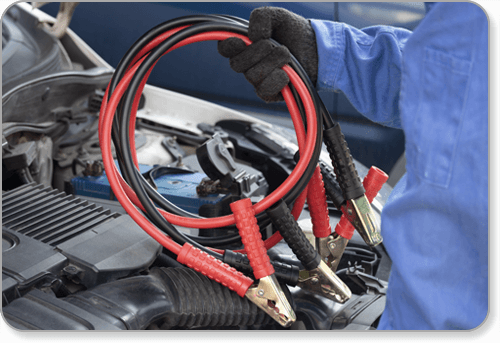
First, make sure you have the right tools ready. You will need a set of jumper cables and a working vehicle with a fully charged battery. Keep the cables in good condition—frayed or damaged cables can cause sparks or fail to conduct power properly.
It’s also helpful to have gloves and safety glasses. These small items can protect you from unexpected battery acid or debris. Having a flashlight nearby is smart if you’re working in low light or at night.
Ensure Safety Precautions
Safety should never be an afterthought. Park both cars close enough for the jumper cables to reach but avoid the vehicles touching each other. Turn off both ignitions and make sure all electrical accessories are off to prevent power surges.
Wear protective gear and avoid leaning directly over the batteries while connecting cables. Double-check the battery terminals for corrosion or damage—clean terminals improve the connection and reduce risks.
Have you ever wondered what could go wrong if you skip these checks? Taking time to prepare can save you from costly repairs or injuries. Your safety and the health of your vehicle depend on these simple but crucial steps.

Credit: m.youtube.com
Locate Battery And Terminals
Before you jump-start your Honda Civic, finding the battery and its terminals is essential. This step ensures you connect the jumper cables correctly and avoid any damage to your car’s electrical system. Let’s walk through how to locate these components safely and identify the terminals with confidence.
Open The Hood Safely
First, locate the hood release lever inside your Honda Civic, usually found near the driver’s side footwell. Pull it to pop the hood slightly open. Then, move to the front of the car and find the secondary latch under the hood to fully lift it.
Always use the hood prop rod or hydraulic supports to keep the hood open securely. This prevents any sudden closing while you’re working on the battery. Have you ever had a hood fall unexpectedly? Taking this safety step avoids that risk completely.
Identify Positive And Negative Terminals
Once the hood is open, look for the battery, which is often a rectangular box with two metal posts on top or at the side. The positive terminal usually has a red cover or a plus (+) sign, while the negative terminal is marked with a minus (-) sign and often has a black cover.
Be sure to double-check these markings before attaching cables. Connecting to the wrong terminal can cause sparks or damage your vehicle’s electronics. If the battery terminals look dirty or corroded, a quick clean with a cloth can improve the connection and make the jump-start more effective.
Connect Jumper Cables
Connecting jumper cables correctly is key to safely jump-starting a Honda Civic. This process transfers power from a good battery to a dead one. Proper connection ensures no sparks or damage occur. Follow each step carefully for best results.
Attach Red Cable To Dead Battery
Locate the positive terminal on the dead battery. It usually has a “+” sign or red cover. Clamp the red jumper cable firmly onto this terminal. Make sure the connection is secure and the clamp does not touch any metal parts.
Attach Red Cable To Donor Battery
Find the positive terminal on the donor car’s battery. Attach the other end of the red cable to this terminal. Hold the clamp steady and avoid letting it slip during the process. Proper contact is important for power flow.
Attach Black Cable To Donor Battery
Next, connect one end of the black jumper cable to the negative terminal of the donor battery. This terminal often has a “-” sign or black cover. Secure the clamp tightly to avoid loose connections.
Attach Black Cable To Ground On Dead Car
Do not connect the black cable to the dead battery’s negative terminal. Instead, find a metal part of the car’s engine block or frame. Attach the black cable clamp there. This grounding step reduces the risk of sparks near the battery.
Start The Donor Vehicle
Starting the donor vehicle is a key step in jump-starting a Honda Civic. The donor car provides the necessary power to the dead battery. It must be running to supply enough electricity. This step ensures the transfer of energy through the jumper cables.
Run Engine For A Few Minutes
Turn on the donor vehicle’s engine and let it run. Keep it running for at least 3 to 5 minutes. This time helps the battery build a strong charge. Avoid revving the engine too high. A steady idle speed is enough to charge the dead battery.
Check For Battery Charge
After running the engine, check the battery status. Look for signs like dashboard lights or engine sound. The Honda Civic’s battery should have enough power to start. If the battery still seems weak, wait a few more minutes. This ensures a better jump-start process.
Start Your Honda Civic
Starting your Honda Civic after a jump start is simple but requires careful steps. The goal is to get the engine running smoothly without causing damage. Follow the process to ensure a safe and quick start.
Turn Ignition Key
Insert the key into the ignition switch. Turn the key to the “On” position first. Wait a few seconds for the dashboard lights to come on. Then, turn the key to the “Start” position. Hold it there until the engine starts. Release the key once the engine runs. Avoid turning the key for more than 10 seconds to prevent damage.
Troubleshoot If It Doesn’t Start
Check if the battery connections are secure and clean. Loose cables can stop the car from starting. Listen for clicking sounds; they may indicate a weak battery. Try turning the key again after a short pause. If the engine still doesn’t start, the battery might need more charge. Look for any warning lights on the dashboard. If problems persist, consider professional help to avoid further issues.
Credit: www.autobatteries.com
Remove Jumper Cables Safely
Removing jumper cables safely is crucial after jump-starting a Honda Civic. Incorrect removal can cause sparks or damage to the car’s electrical system. Follow a careful order to avoid risks. Take your time and stay calm during this process.
Detach Black Cable From Ground
Start by removing the black cable connected to the grounded metal surface. This is usually a bolt or unpainted part of the engine block on the dead car. Do not remove the black cable from the battery first. Removing it here reduces spark risk near the battery.
Remove Black Cable From Donor Battery
Next, carefully take off the black cable clamp from the negative terminal of the donor battery. Make sure the clamp does not touch any metal parts. Hold the clamp firmly and pull it straight off to avoid slipping.
Remove Red Cable From Donor Battery
Now, remove the red cable from the positive terminal of the donor battery. Do this slowly and avoid touching the black cable clamps. Keep the cables separated to prevent accidental contact.
Remove Red Cable From Dead Battery
Finally, detach the red cable from the positive terminal of the dead battery. Hold the clamp firmly and pull it straight off. Once done, carefully place all cables away from the engine and wheels.
After Jump Starting
After successfully jump starting your Honda Civic, what you do next is just as important as the jump itself. This phase ensures your battery regains enough charge to keep your car running smoothly and helps you avoid getting stranded again. Paying close attention to your car’s behavior right after jump starting can save you from future headaches.
Keep Engine Running
Once your Civic starts, don’t turn off the engine immediately. Let it run for at least 15 to 20 minutes. This allows the alternator to recharge the battery and stabilize the electrical system.
Turning off the engine too soon might cause the battery to lose its minimal charge and leave you stuck again. Have you ever noticed how some cars stall right after a jump? That’s usually because the engine wasn’t kept running long enough.
Drive To Recharge Battery
Idling helps, but driving your Honda Civic is the best way to recharge the battery fully. Aim for a drive of at least 20 to 30 minutes on the highway or open roads where you can maintain steady RPMs.
Short trips or stop-and-go traffic won’t give your battery enough charge. Think about your last jump start—did you drive far afterward, or just park? Your battery’s health depends on how well you recharge it.
Consider Battery Health Check
If your battery needed a jump start, it might be time for a battery health check. Batteries wear out over time, and a failing battery won’t hold charge even if you jump start it.
You can visit a mechanic or use a simple multimeter to check battery voltage. A healthy, fully charged battery should read around 12.6 volts when the engine is off. If the voltage is much lower, replacing the battery might save you from repeated jump starts.
Credit: www.odyclub.com
Frequently Asked Questions
How Do You Jump A Honda Civic Battery?
To jump a Honda Civic, park the assisting vehicle close. Connect the positive cable to both batteries’ positive terminals. Attach the negative cable to the assisting vehicle’s negative terminal, then to a metal ground on the Civic. Start the assisting vehicle, then the Civic.
Remove cables in reverse order.
What Tools Are Needed To Jump A Honda Civic?
To jump a Honda Civic, you’ll need jumper cables and another vehicle with a charged battery. Ensure the cables are in good condition. A portable jump starter can also be used if another vehicle is unavailable.
Can I Jump A Honda Civic Without Another Car?
Yes, you can jump a Honda Civic without another car using a portable jump starter. Connect the jump starter to the battery following the manufacturer’s instructions. Ensure it’s charged before use. This method is convenient and effective in emergencies.
How Long Should I Let The Cars Run After Jumping?
After jumping a Honda Civic, let both cars run for at least 5-10 minutes. This allows the battery to charge adequately. Drive the Civic for at least 15 minutes afterward to ensure the battery gains enough charge.
Conclusion
Jump-starting a Honda Civic is simple with the right steps. Always keep jumper cables ready in your car. Connect cables carefully to avoid sparks or damage. Start the working car first, then the Civic. Let the engine run for a few minutes before disconnecting cables.
This quick process can save time and stress during emergencies. Remember safety and patience for the best results. Now, you can confidently jump a Honda Civic anytime it needs a boost.