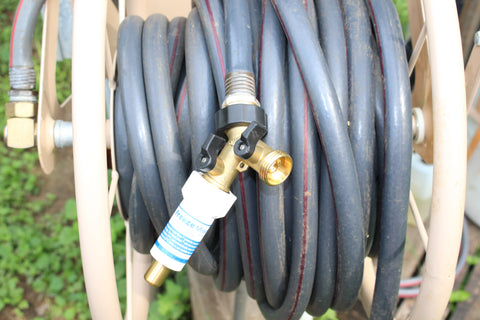
Imagine stepping outside on a chilly morning only to find your garden hose frozen solid. Frustrating, isn’t it?
If you want to protect your hose from freezing and avoid costly damage, you’re in the right place. You’ll discover simple and effective ways to keep your garden hose flexible and ready to use, no matter how cold it gets.
Keep reading, and you’ll never have to deal with a frozen hose again.
Choose The Right Hose
Choosing the right garden hose can help prevent it from freezing in cold weather. Some hoses handle cold better than others. Picking the right hose saves you time and money.
The material, length, and diameter all affect how well a hose resists freezing. Learn which types work best for winter use.
Materials That Resist Freezing
Some hose materials stay flexible in cold temperatures. Flexible hoses are less likely to crack or freeze solid. Look for hoses made from these materials.
- Rubber hoses are thick and flexible. They handle cold well.
- Vinyl hoses are cheaper but can become stiff and crack.
- Hybrid hoses combine rubber and vinyl for better cold resistance.
- Polyurethane hoses are lightweight and stay flexible in cold weather.
Length And Diameter Considerations
Shorter hoses freeze less easily because there is less water inside. Choose the shortest hose you need for your garden. A smaller diameter also means less water inside the hose.
- Use shorter hoses to reduce freezing risk.
- Choose hoses with smaller diameters for less water inside.
- Keep the hose off the ground to avoid cold surfaces.
Drain Water Completely
Water left inside a garden hose can freeze in cold weather. Frozen water can cause the hose to crack or burst. Draining water completely helps protect the hose from damage.
Two main ways to remove water from a garden hose are disconnecting and draining, and using compressed air for clearing. Both methods help keep the hose safe during winter.
Disconnecting And Draining
Start by turning off the water supply to the hose. Then, disconnect the hose from the faucet. This step stops water from flowing back into the hose during draining.
- Lift one end of the hose to let water flow out.
- Hold the hose so water drains fully from the other end.
- Check for any kinks or bends that may trap water.
- Store the hose in a dry, sheltered area after draining.
Using Compressed Air For Clearing
Compressed air helps remove water trapped inside the hose. It pushes water out faster and reaches places that draining alone cannot clear.
| Tool Needed | Purpose |
| Air compressor | Pushes water out of hose |
| Air nozzle adapter | Connects compressor to hose |
| Protective gloves | Safety during handling |
| Safety goggles | Protect eyes from debris |
Connect the air nozzle to the hose end. Turn on the air compressor and blow air through the hose. Move the hose to help all water escape. Stop when no water sprays out.
Store Hose Properly
Keeping a garden hose from freezing is essential in cold weather. Proper storage can prevent damage and extend its life.
There are indoor and outdoor storage options to consider. Each has its methods to protect your hose from freezing temperatures.
Indoor Storage Options
Storing your hose indoors is a reliable way to keep it from freezing. It keeps the hose out of harsh weather.
- Coil the hose neatly to prevent kinks.
- Store it in a heated garage or basement.
- Use a hose reel for easy storage and access.
Outdoor Storage Techniques
If you must store the hose outside, there are ways to protect it. Proper techniques can help avoid freezing and damage.
Consider using a hose storage box or shed. These provide protection against the elements. Ensure they are weatherproof and insulated.
| Method | Protection Level |
| Hose Storage Box | Moderate |
| Insulated Shed | High |
| Covered Porch | Low |

Credit: globalnews.ca
Use Hose Covers And Insulation
Garden hoses can freeze and crack in cold weather. Using hose covers and insulation helps keep them safe. These materials stop cold air from reaching the hose.
Covering your hose is a simple way to protect it during winter. Insulation keeps water flowing and prevents damage.
Types Of Insulation Materials
You can use different materials to insulate your garden hose. Each type offers good protection against freezing.
- Foam Pipe Insulation:Soft tubes that wrap easily around hoses.
- Fiberglass Sleeves:Warm and durable, but harder to install.
- Bubble Wrap:Cheap and effective for short-term use.
- Old Towels or Blankets:Good for quick DIY insulation.
Diy Hose Wrap Ideas
You can make your own hose cover with simple household items. Wrapping your hose well keeps it from freezing.
- Wrap the hose with old towels or blankets for warmth.
- Cover the wrapped hose with plastic to keep moisture out.
- Use foam pipe insulation tubes to snugly cover the hose.
- Secure the insulation with zip ties or duct tape to keep it in place.
Install Frost-free Faucets
Garden hoses can freeze and crack in cold weather. Installing frost-free faucets helps prevent this problem. These faucets keep water from freezing inside the pipe.
Frost-free faucets are easy to use and protect your plumbing. They allow you to keep your hose connected safely during winter.
Benefits Of Frost-free Faucets
Frost-free faucets offer many advantages over regular outdoor faucets. They stop water from freezing and causing damage.
- Prevent pipe bursts during freezing temperatures
- Save money on repairs and replacements
- Keep water flowing easily in cold weather
- Reduce the need to disconnect hoses every winter
- Extend the life of your outdoor plumbing
Installation Tips
Installing frost-free faucets requires some care to work well. Follow these tips for the best results.
- Turn off the water supply before starting installation.
- Drain the existing faucet and remove it carefully.
- Choose a frost-free faucet the right size for your pipe.
- Install the faucet with the valve located inside your heated space.
- Use plumber’s tape to seal the threads and prevent leaks.
- Secure the faucet firmly to the wall or siding.
- Turn the water back on and check for any leaks.

Credit: www.familyhandyman.com
Apply Heat Tape Or Cables
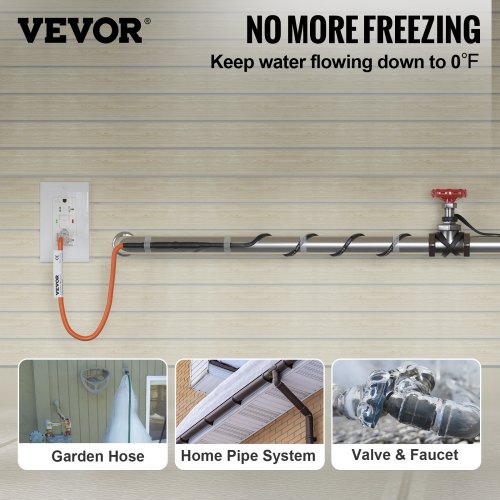
Using heat tape or cables is a smart way to keep your garden hose from freezing. These products add warmth along the hose, preventing ice build-up in cold weather.
This guide explains how to select the right heat tape and use it safely to protect your hose during winter.
Selecting The Right Heat Tape
Choose heat tape designed for outdoor use and water exposure. Check the length to match your hose size. Make sure the tape is suitable for freezing temperatures.
- Look for waterproof and UV-resistant heat tape.
- Pick tape with automatic temperature control to save energy.
- Ensure it is rated for the lowest temperature in your area.
- Use tape with a built-in thermostat for safety.
- Buy from trusted brands with good reviews.
Safe Usage Guidelines
Follow safety rules to avoid damage or hazards. Always read the manufacturer’s instructions before use. Use the heat tape only as directed.
| Safety Tip | Explanation |
| Inspect Tape | Check for cracks or damage before use. |
| Do Not Overlap | Never let the tape cross over itself. |
| Secure Tape | Attach tape firmly along the hose. |
| Use GFCI Outlet | Plug tape into a ground fault circuit interrupter. |
| Turn Off in Warm Weather | Unplug tape when freezing is not expected. |
Regular Hose Maintenance
Keeping your garden hose in good shape helps stop it from freezing. Regular care extends its life and keeps it ready to use.
Simple maintenance tasks prevent damage and keep your hose clean. This saves money and avoids leaks.
Checking For Damage
Look over your hose often for cracks or holes. These can let water in and cause freezing inside the hose.
Check connectors and joints. Tighten or replace any parts that are loose or broken to keep water flowing well.
- Examine the entire length of the hose for cracks
- Feel for soft or weak spots
- Inspect metal fittings for rust or damage
- Tighten loose connectors
- Replace worn washers to stop leaks
Preventing Mold And Mildew
Drain your hose after each use to stop water from sitting inside. Standing water can grow mold and mildew.
Store your hose in a dry, shaded place. Avoid leaving it on damp ground or in direct sunlight for long times.
- Drain water completely before storing
- Coil hose loosely to avoid kinks
- Keep hose away from wet or damp areas
- Use a hose reel or hanger for storage
- Clean hose occasionally with mild soap and water
Credit: www.vevor.ca
Frequently Asked Questions
How Can I Prevent My Garden Hose From Freezing?
To prevent freezing, drain all water from the hose after use. Store it indoors or in a heated shed during winter. Use insulated hose covers or wrap the hose with heat tape for extra protection.
What Materials Keep Garden Hoses Frost-free?
Foam insulation sleeves and heat tape work well to keep hoses frost-free. These materials protect against cold air and prevent water inside from freezing. Using insulated hose reels also helps maintain hose temperature during cold months.
Is Draining The Hose Enough To Stop Freezing?
Draining the hose removes water, reducing freezing risk. However, storing it indoors or insulating it adds extra protection. Always disconnect and drain the hose completely before winter to avoid damage and ensure longevity.
Can Leaving A Hose Connected Cause Freezing Damage?
Yes, leaving a hose connected can cause water to freeze inside. Frozen water expands and can crack the hose or faucet. Disconnect and drain the hose before cold weather to protect your plumbing and hose.
Conclusion
Keeping your garden hose safe from freezing protects it through winter. Drain the water before cold weather arrives. Store the hose in a warm, dry place. Use insulation or a hose reel cover for extra protection. These small steps save money and prevent damage.
Enjoy a ready-to-use hose when spring comes. Simple habits make a big difference. Stay ahead of frost and keep your garden tools working well.