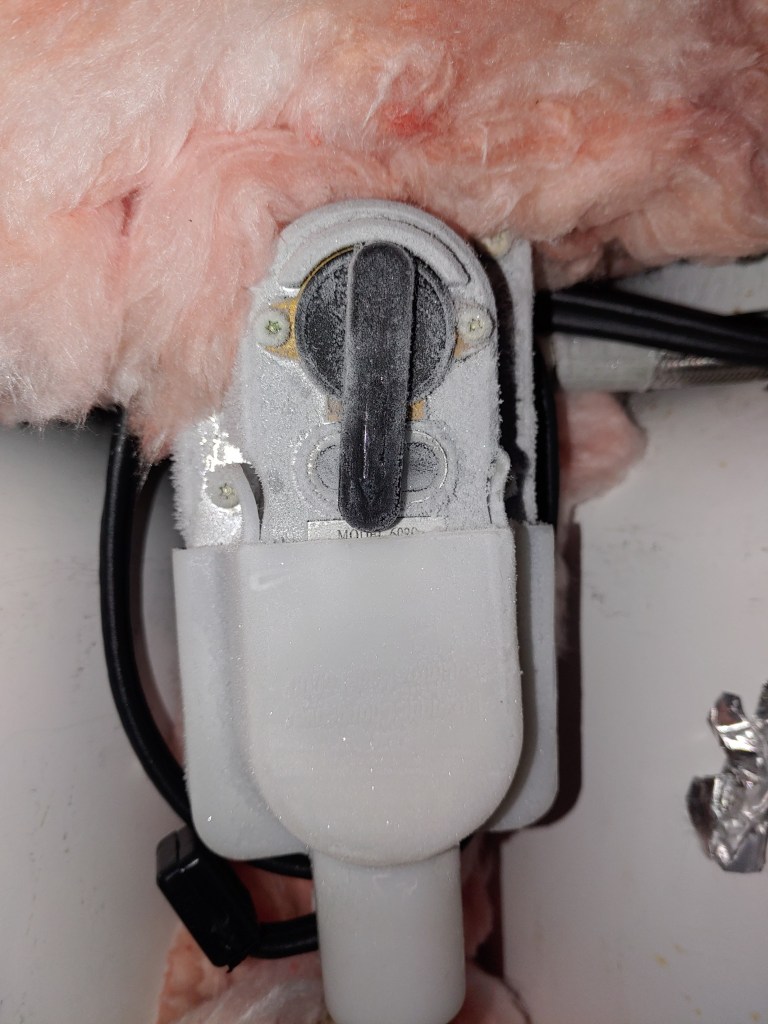
Are you finding it frustrating when your propane regulator freezes just when you need it most? It can be a real headache, especially during those cold winter months when you rely heavily on propane for heating or cooking.
But don’t worry—you’re not alone, and there’s a way to solve this problem. In this guide, we’ll dive into the simple steps you can take to keep your propane regulator from freezing. Imagine being able to enjoy a warm home and a hot meal without the worry of your propane system letting you down.
Read on, and we’ll show you how to keep things running smoothly, so you can relax and focus on what truly matters.

Credit: centralpennpropane.com
Causes Of Propane Regulator Freezing
Understanding the causes of propane regulator freezing can save you a lot of hassle during cold weather. Knowing why your regulator freezes helps you spot problems early and take action. Let’s break down the main factors that lead to this common issue.
Role Of Moisture
Moisture is a key player in propane regulator freezing. Water vapor in the air or inside the propane tank can freeze when temperatures drop. This ice builds up around the regulator, blocking the flow of propane and causing the system to fail.
Ever noticed frost forming around your regulator after a rain or heavy dew? That’s moisture settling and freezing. Keeping your equipment dry and sealed can reduce this risk significantly.
Impact Of Cold Temperatures
Cold weather directly affects the propane regulator’s ability to work properly. When temperatures dip below freezing, the pressure inside the tank drops, causing the regulator to work harder. This extra effort can cause it to cool even more, leading to ice buildup.
Think about a chilly winter morning when your heater won’t start—this is often the culprit. Protecting your regulator from extreme cold can prevent these freezing problems.
High Fuel Demand Effects
Using a lot of propane in a short time can also cause your regulator to freeze. High fuel demand increases the flow rate, which causes rapid pressure drops and temperature decreases inside the regulator. This rapid cooling turns any moisture into ice quickly.
If you’ve ever run multiple propane appliances at once and noticed your system freeze up, you’ve seen this effect firsthand. Managing fuel use and avoiding overloading your system helps keep the regulator functioning smoothly.

Credit: canadianforge.com
Signs Of A Frozen Regulator
Recognizing the signs of a frozen propane regulator is crucial to maintain safe and effective gas flow. A frozen regulator can disrupt your propane supply and cause safety hazards. Early detection helps prevent damage and keeps your appliances running smoothly.
Reduced Gas Flow
A frozen regulator limits the propane gas flow. Flames may burn lower than usual or go out completely. Appliances might take longer to heat up or fail to reach proper temperature. This slow gas flow can indicate ice blocking the regulator.
Visible Ice Formation
Ice or frost may form on the regulator’s surface during cold weather. Check the regulator for any white or icy patches. This visible ice is a clear sign that the regulator is freezing. It can block gas flow and needs immediate attention.
Appliance Performance Issues
Propane appliances may not work well with a frozen regulator. Water heaters, grills, and stoves might sputter or not light at all. Uneven flame or weak heat output also point to regulator freezing. These issues signal the need to inspect the regulator.
Preventive Measures
Preventing a propane regulator from freezing is easier than you might think. Taking a few simple steps can save you from cold-weather hassles and keep your propane system running smoothly. Let’s look at some practical ways to protect your regulator before frost appears.
Proper Regulator Installation
How your regulator is installed plays a big role in preventing freezing. Make sure it’s positioned correctly—usually above the propane tank’s outlet and away from any low spots where water or ice might collect.
Secure the regulator firmly to avoid vibrations or movement that could loosen connections. Tight seals help stop moisture from entering and freezing inside the regulator.
Use Of Regulator Covers
Have you ever tried to keep your hands warm with a simple cover? The same idea works for your propane regulator. Special covers made of insulated material can protect it from cold air and moisture.
These covers are easy to install and remove, and they act like a shield against frost. Choose covers designed specifically for propane regulators to ensure proper fit and ventilation.
Ensuring Adequate Ventilation
It might sound odd, but good airflow around your regulator can help prevent ice buildup. Stagnant, humid air encourages freezing, so keep the area clear of debris, snow, or anything that blocks air movement.
Check that vents on the regulator are not clogged and that the installation site allows fresh air to circulate freely. Have you inspected your propane setup lately to spot any airflow issues?

Credit: www.adamsgas.co.uk
Maintenance Tips
Maintaining your propane regulator prevents freezing and ensures smooth operation. Simple upkeep keeps the system safe and efficient. Check parts often and act quickly to fix issues. These maintenance tips help avoid costly problems and downtime.
Regular Inspection
Look at the propane regulator regularly. Check for cracks, rust, or dirt buildup. Inspect connections for tightness and leaks. Use a soapy water solution to spot leaks by bubbles. Early detection stops bigger problems later.
Removing Moisture
Moisture causes freezing inside the regulator. Drain any water from the propane tank and lines. Use a dry cloth to wipe off the regulator’s surface. Store propane equipment in a dry, covered area. Keep moisture away to reduce freeze risk.
Replacing Worn Components
Parts wear out over time and cause failures. Replace cracked hoses, faulty seals, or damaged fittings quickly. Use manufacturer-approved parts for safety and compatibility. Regularly updating parts ensures the regulator works well.
Safe Thawing Techniques
Thawing a frozen propane regulator requires care and attention to avoid damage and ensure safety. Quick fixes might seem tempting but can cause more harm than good. Using safe thawing techniques protects your equipment and keeps you safe during the process.
Avoiding Open Flames
It’s critical to never use open flames like lighters or torches to thaw a frozen regulator. Propane is highly flammable, and any spark could ignite gas, leading to a dangerous fire or explosion. Instead, focus on safer heat sources that won’t risk combustion.
Using Warm Cloths
Wrapping the frozen regulator with a warm, damp cloth is a simple and effective way to encourage melting ice. The cloth slowly transfers heat without shocking the metal parts. You can re-wet the cloth with warm water as it cools down to keep the thawing steady.
Gradual Heating Methods
Applying gentle, gradual heat is the best way to thaw your regulator without causing cracks or leaks. Using a hairdryer on a low setting or placing the regulator near a heater works well. Have you ever noticed how fast sudden temperature changes can warp metal? Taking it slow protects your gear and keeps it working longer.
Upgrading Equipment
Upgrading your propane equipment is a smart move to prevent regulator freezing, especially if you rely on propane during cold seasons. Investing in modern, weather-resistant components can save you time and frustration. It also ensures your system runs smoothly, even in harsh weather conditions.
Choosing Weather-resistant Regulators
Look for regulators designed specifically for cold climates. These often include built-in heaters or materials that resist ice buildup.
Some models come with protective covers that shield against snow and moisture. Choosing one with a higher temperature rating can make a big difference in freezing conditions.
Have you ever had to pause your work because the regulator iced over? Upgrading to a weather-resistant model reduces those interruptions.
Installing Automatic Shutoff Valves
Automatic shutoff valves add an extra layer of safety by stopping gas flow if freezing affects the regulator’s performance. This prevents dangerous leaks and equipment damage.
These valves react quickly to pressure drops caused by ice buildup, shutting off propane before problems escalate. Installation is straightforward and worth the investment.
Imagine avoiding an emergency by having your system automatically shut off—this upgrade offers peace of mind that manual monitoring can’t match.
Additional Resources
Keeping your propane regulator from freezing can sometimes require more than basic tips. Having access to the right resources can make a big difference in how effectively you maintain your equipment during cold weather. Here are some additional resources that can help you protect your propane system and avoid unexpected issues.
Manufacturer Guidelines
Always check the manual or website of your propane regulator’s manufacturer. They provide specific instructions tailored to the model you own. These guidelines often include recommended maintenance routines and winterizing tips.
If you ever feel unsure about what you read, reach out to their customer support. They can offer advice based on real-world problems other users have faced. Remember, following these guidelines can prevent damage that might void your warranty.
Professional Assistance
Sometimes, freezing problems require expert help. Licensed propane technicians have the tools and experience to inspect your system thoroughly. They can identify hidden issues that might not be obvious to you.
Getting a professional checkup before winter hits can save you from emergency repairs later. Plus, they can install additional safety measures or recommend upgrades to your regulator. Would you rather handle a small check now or face a bigger problem in freezing weather?
Local Regulations
Your area might have specific rules about propane equipment and safety. These regulations ensure proper installation and use to prevent accidents. Ignoring them can lead to fines or unsafe conditions.
Visit your city or state’s official website to find propane-related codes. Local fire departments or energy offices can also provide useful information. Staying informed helps you keep your home safe and compliant, especially during harsh winters.
Frequently Asked Questions
Why Does My Propane Regulator Freeze In Cold Weather?
Propane regulators freeze due to moisture in the gas or air mixing with cold temperatures. This causes ice buildup, blocking gas flow and reducing efficiency.
How Can I Prevent Propane Regulator Freezing Effectively?
Keep the regulator dry, insulate it with a cover, and ensure proper ventilation. Regularly check for leaks and avoid over-tightening connections.
Does Using A Regulator Heater Stop Freezing Problems?
Yes, regulator heaters provide controlled warmth to prevent ice formation. They maintain optimal regulator temperature and ensure uninterrupted propane flow during cold weather.
Can Propane Regulator Freezing Affect Appliance Performance?
Yes, freezing restricts gas flow, causing appliances to underperform or shut off. Proper maintenance prevents regulator freezing and ensures consistent appliance operation.
Conclusion
Keeping your propane regulator from freezing protects your equipment and ensures safety. Use simple steps like adding heat sources or insulating the regulator. Check the regulator regularly during cold weather to catch problems early. Small actions can prevent big issues.
Stay prepared and keep your propane system running smoothly all winter long. Safe, steady fuel flow means less worry and more comfort. Remember, a little care goes a long way.