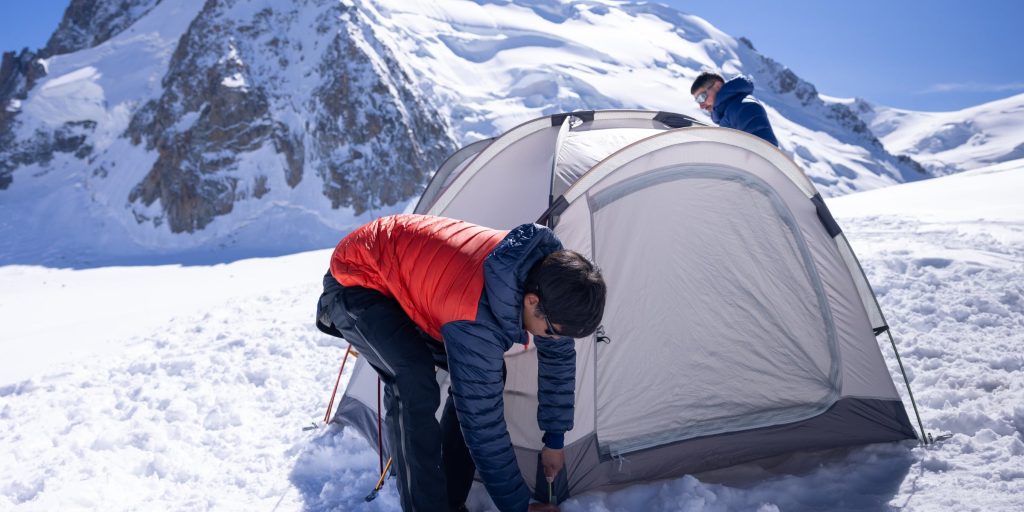
When winter camping, staying warm inside your tent is not just about comfort—it’s about safety. You don’t want to wake up shivering or struggle through a cold night that drains your energy.
But how do you keep your tent warm when the temperature drops? With the right tips and tricks, you can transform your chilly shelter into a cozy haven. Keep reading to discover simple, effective ways to stay warm and enjoy your winter adventure to the fullest.
Your next cold night outdoors just got a whole lot easier.

Credit: www.reddit.com
Choose The Right Tent
Keeping your tent warm in winter starts with picking the right one. A good tent blocks wind and holds heat well.
Understanding tent types and materials helps you stay cozy in cold weather.
Four-season Vs. Three-season Tents
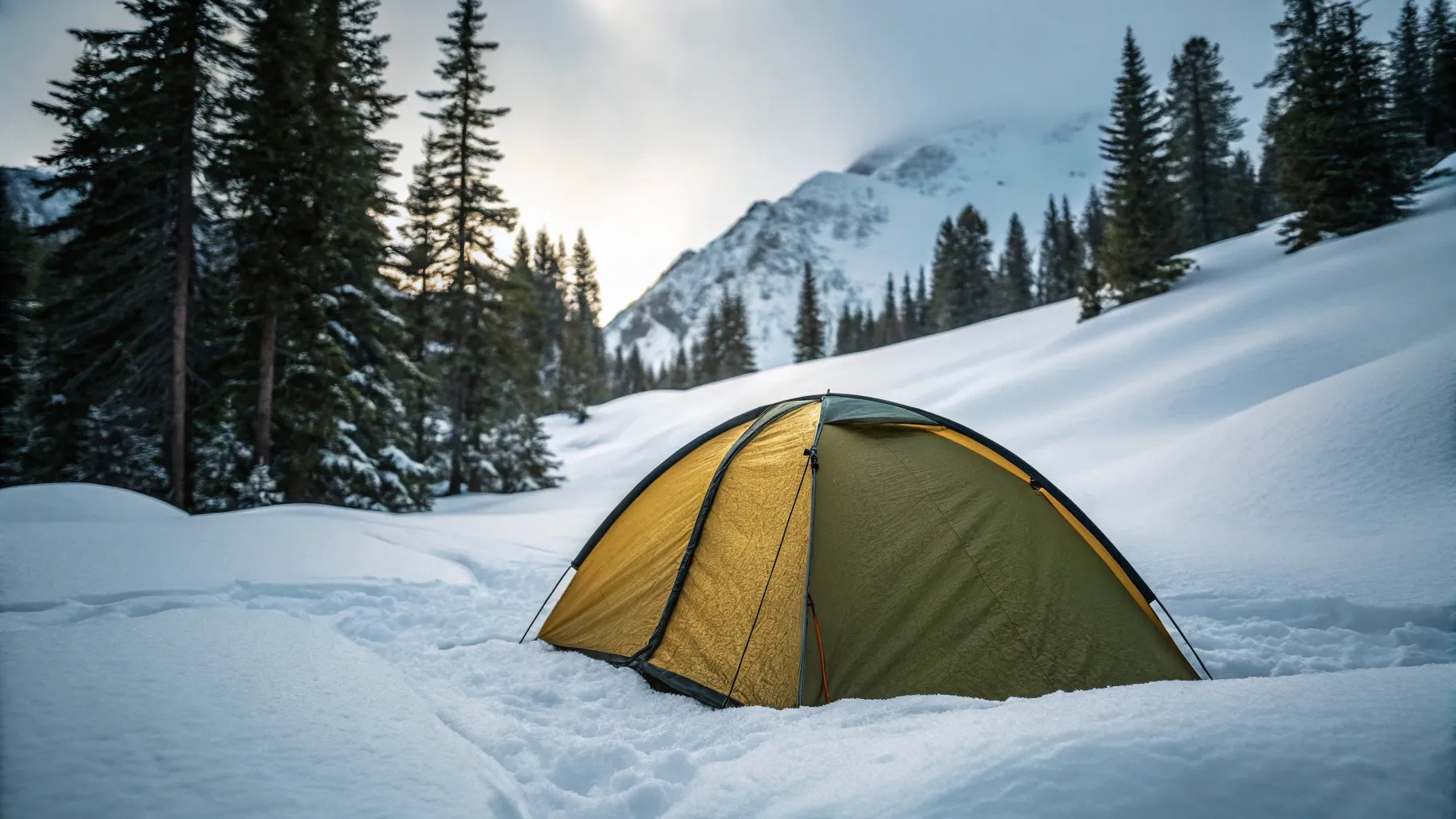
Four-season tents are built to handle snow, strong winds, and cold. They use stronger poles and thicker fabric. Three-season tents work well in mild weather but may not keep you warm in heavy snow or freezing temps.
- Four-season tents have fewer mesh panels to keep heat inside.
- They have sturdier frames to resist winter storms.
- Three-season tents are lighter and more breathable but less warm.
- Choose four-season tents for winter camping trips.
Insulated Tent Materials
Tent fabrics affect warmth and comfort. Look for materials that block wind and keep heat trapped.
| Material | Warmth | Weight |
| Ripstop nylon | High | Moderate |
| Polyester | Medium | Light |
| Canvas | Very High | Heavy |
Some tents include insulated liners or coatings for extra warmth.
Tent Size And Warmth
Choose a tent size that fits you and your gear snugly. A smaller tent holds body heat better than a large one.
- Small tents warm up faster inside.
- Extra space can cause heat to escape.
- Use vestibules to store gear outside the main sleeping area.
- Less empty space means better heat retention.
Credit: www.battlbox.com
Select A Good Campsite
Camping in the winter can be a fun adventure. It is important to keep your tent warm. Choosing the right campsite is the first step.
A good campsite will help you stay warm and comfortable. Let’s look at some tips for selecting the best spot.
Sheltered Locations
Find a campsite with natural shelter. Trees, hills, or large rocks can provide protection. This will help keep your tent warm.
Sheltered locations block cold winds and hold in warmth. They make camping more enjoyable in winter.
Avoid Windy Areas
Wind can make it feel much colder. Avoid setting up your tent in open, windy areas. This will help you stay warm.
Look for places where the wind is less strong. Being out of the wind keeps your tent more comfortable.
Use Natural Windbreaks
Use natural windbreaks to protect your tent. These can be trees, bushes, or hills. They block the wind and help trap heat.
Natural windbreaks keep your campsite warmer. They make a big difference in the winter.
- Set up near a line of trees
- Find a spot behind a large rock
- Use hills to block the wind
Prepare The Tent Floor
Keeping your tent floor warm is key for comfort in winter camping. Cold from the ground can seep in and make your tent chilly. Taking time to prepare the floor helps trap heat inside.
Use the right materials and layers to block cold and moisture. This guide covers three ways to prepare your tent floor effectively.
Use Ground Tarps
Lay a durable ground tarp under your tent to protect the floor from moisture and cold. It acts as a barrier between the tent and the ground, keeping dampness out.
Choose a tarp that is slightly smaller than your tent’s footprint. This prevents rainwater from collecting between the tarp and tent walls.
Add Insulating Layers
Place insulating materials on top of the tarp to reduce heat loss. These layers stop cold air from reaching your sleeping area through the tent floor.
- Closed-cell foam pads provide excellent insulation and comfort.
- Reflective blankets reflect body heat back inside the tent.
- Thick rugs or carpets add warmth and softness.
- Extra sleeping mats improve insulation between you and the cold floor.
Elevate From Snow
Keep your tent off the snow by building a platform or using supports. Elevation helps stop cold from the snow from reaching the tent floor directly.
| Method | Description |
| Wooden pallets | Place pallets under tent to create a raised base. |
| Snow blocks | Stack packed snow blocks for a stable platform. |
| Camping cots | Use cots inside the tent to lift sleeping area. |
Use Warm Sleeping Gear
Keeping a tent warm in winter needs the right gear. Warm sleeping gear helps keep your body heat inside your tent.
Using good sleeping bags, pads, and blankets can make a big difference on cold nights.
High-quality Sleeping Bags
Choose sleeping bags made for cold weather. Look for those with good insulation and a snug hood. They keep heat close to your body and block cold air.
Sleeping Pads And Mats
Sleeping pads stop cold from the ground. Use thick pads with foam or air layers. They add comfort and keep your body warm by reducing heat loss.
- Closed-cell foam pads are durable and warm.
- Inflatable pads offer good insulation and comfort.
- Combine foam and inflatable pads for extra warmth.
- Use pads with an R-value of 4 or higher for winter.
Thermal Blankets And Liners
Thermal blankets and liners add an extra layer of warmth inside your sleeping bag. They trap heat and stop cold air from reaching you.
| Type | Material | Benefit |
| Mylar Blanket | Reflective foil | Reflects body heat |
| Fleece Liner | Soft fabric | Adds warmth and comfort |
| Silk Liner | Lightweight silk | Improves insulation without bulk |
Manage Ventilation Wisely
Keeping a tent warm in winter means managing ventilation carefully. Good airflow stops cold air from building up inside.
Proper ventilation helps prevent moisture and keeps you comfortable during cold nights.
Prevent Moisture Build-up
When you breathe or cook inside a tent, moisture forms quickly. This moisture can freeze and make the tent cold and damp.
Keep vents slightly open to let moisture escape. This stops frost from forming on tent walls.
- Open vents even in cold weather
- Use a small fan if possible
- Keep wet clothes outside or in a separate area
Adjust Vents For Airflow
Control airflow by opening or closing vents to match outside conditions. Too much air cools the tent quickly.
In calm weather, open vents more to prevent stuffiness. When it is windy, close vents partially to keep warmth inside.
- Open vents on opposite sides for cross-ventilation
- Close vents on windy sides to reduce cold drafts
- Check vents regularly for ice or snow blockages
Balance Warmth And Fresh Air
Too little air causes stuffiness and moisture. Too much air cools the tent fast. Find a balance for comfort.
Adjust vents during the night to keep fresh air flowing without losing too much heat.
- Keep vents slightly open all night
- Use a breathable tent fabric to help air exchange
- Monitor how warm and moist the tent feels
Heat Sources Inside The Tent
Keeping a tent warm in winter is important for comfort and safety. Using heat sources inside the tent helps keep the cold away.
This guide explains safe ways to use heaters, hot water bottles, and body heat sharing to stay warm.
Safe Use Of Portable Heaters
Portable heaters can warm your tent quickly. Always choose heaters made for indoor or tent use to avoid risks.
Keep heaters away from tent walls and sleeping bags. Never leave heaters on while sleeping or unattended.
- Use a heater with automatic shut-off features
- Ventilate the tent slightly to prevent carbon monoxide buildup
- Place the heater on a flat, stable surface
- Keep flammable items far from the heater
Hot Water Bottles
Hot water bottles are simple and safe heat sources. Fill them with warm water and place them inside your sleeping bag.
They provide gentle warmth for hours. Use a cover or wrap the bottle in a cloth to avoid burns.
- Heat water to a warm, not boiling, temperature
- Check the bottle for leaks before use
- Keep the bottle away from direct skin contact
- Refill with warm water if it cools down
Body Heat Sharing
Sharing body heat is a natural way to stay warm. Sleeping close to others helps trap warmth inside the tent.
Use sleeping bags designed for cold weather and huddle together to keep heat inside your space.
- Sleep head to toe for better heat distribution
- Wear dry and warm clothes to keep heat in
- Use insulated mats to keep cold from the ground
- Close tent openings to keep warm air inside
Dress For Warmth
Keeping warm inside a winter tent starts with the right clothes. Your body loses heat fast in cold weather.
Wearing proper clothing helps keep your body heat close and stops cold air from getting in.
Layering Clothing
Wear several layers of clothes to trap heat. Each layer has a special job to do.
- Base layer: Wicks moisture away from your skin.
- Middle layer: Insulates and keeps heat in.
- Outer layer: Protects from wind and rain.
Avoiding Cotton
Cotton holds water and makes you cold when it gets wet. Avoid cotton clothes in winter camping.
| Fabric | Best Use |
| Wool | Warm even when wet |
| Fleece | Lightweight insulation |
| Polyester | Good for base layers |
| Cotton | Not recommended |
Using Thermal Accessories
Thermal accessories add extra warmth to your body’s cold spots like hands, feet, and head.
- Wear insulated gloves or mittens.
- Use wool or thermal socks.
- Wear a warm hat to prevent heat loss.
- Try a neck gaiter or scarf to keep your neck warm.
Additional Warmth Tips
Keeping warm inside a tent during winter is crucial for comfort and safety. Small actions can make a big difference in staying cozy all night.
This section shares simple tips to add warmth when you camp in cold weather.
Keep Dry Clothes Handy
Wet clothes lower your body temperature quickly. Always keep a set of dry clothes inside your tent. Change into them before sleeping to stay warm through the night.
- Pack extra socks and gloves
- Use moisture-wicking base layers
- Store dry clothes in waterproof bags
- Avoid wearing damp clothes inside the tent
Eat Warm Meals
Eating warm food helps raise your body temperature. Hot meals before bed can improve your blood flow and heat production.
| Meal Type | Examples | Benefits |
| Soups | Chicken soup, vegetable stew | Hydrating and warm |
| Hot Drinks | Tea, hot chocolate | Quick warmth boost |
| Carbohydrate-Rich | Oatmeal, pasta | Long-lasting energy |
Stay Active Before Bed
Light exercise raises your body heat before sleep. Moving helps keep blood flowing and warms your muscles.
- Do jumping jacks or stretches
- Walk around the campsite for 5 minutes
- Avoid sweating too much to keep clothes dry
Credit: www.outsideonline.com
Frequently Asked Questions
How Can I Insulate My Tent For Winter Camping?
Use insulated sleeping pads and thermal blankets inside. Hang a reflective tarp outside to block wind. Seal all openings tightly. These steps help trap heat and keep the tent warmer during cold nights.
What Type Of Sleeping Bag Is Best For Cold Tents?
Choose a sleeping bag rated for temperatures below freezing. Down-filled bags offer excellent warmth and compressibility. Synthetic bags perform better in damp conditions. A proper sleeping bag prevents heat loss and ensures comfort.
Can A Portable Heater Safely Warm A Tent?
Yes, but only use heaters designed for tents with safety features. Always ensure ventilation to prevent carbon monoxide buildup. Follow manufacturer instructions carefully. Portable heaters provide effective warmth if used responsibly.
How Does Body Heat Help Keep A Tent Warm?
Body heat naturally raises the temperature inside the tent. Sharing the tent with others increases warmth. Use close-fitting sleeping bags and thermal clothing. This conserves heat and enhances comfort during winter camping.
Conclusion
Keeping a tent warm in winter takes smart planning and simple steps. Use good insulation and a proper sleeping bag. Choose a spot that blocks wind and moisture. A small heater or hot water bottles add extra warmth. Remember to stay dry and ventilate air inside.
These tips help you enjoy winter camping safely and comfortably. Stay warm, stay safe, and enjoy the outdoors even in cold weather.