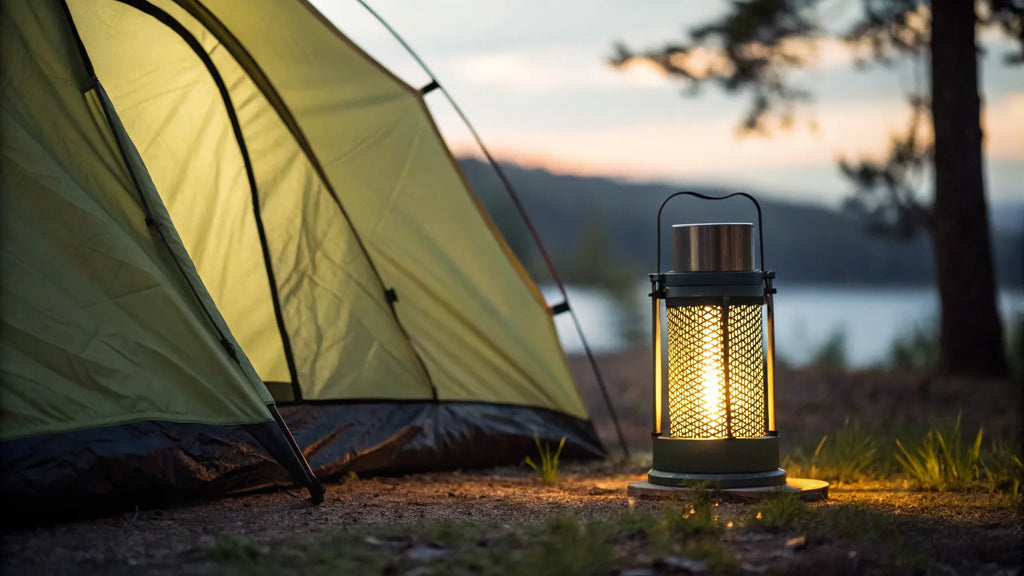
When the temperature drops and you’re inside your tent, staying warm can feel like a challenge—especially without electricity. But what if you could keep cozy all night long using simple, natural tricks?
You don’t need fancy gadgets or power sources to create a snug, warm space. You’ll discover easy, effective ways to stay warm in your tent that anyone can use. Ready to turn your chilly nights into comfortable ones? Keep reading, and you’ll learn how to make your tent a warm haven no matter the weather.
Choose The Right Tent
Keeping a tent warm without electricity is possible. Choosing the right tent is crucial. A well-chosen tent can maintain warmth efficiently.
Factors like insulation, size, shape, and wind resistance play key roles. Let’s explore these aspects to help you stay warm during your camping trips.
Insulated Tent Materials
Insulation is important for warmth. Tents made with insulated materials retain heat better. Look for tents with thicker fabrics and additional layers.
Some tents have built-in thermal linings. These linings help keep the interior warm. They also block cold air from entering.
- Thick polyester or canvas materials
- Thermal reflective linings
- Double-layered designs
Tent Size And Shape
The size and shape of a tent affect warmth. Smaller tents heat up quicker. Dome-shaped tents are better at retaining warmth.
Avoid large tents if you camp in cold weather. Less space means less air to heat. Choose a tent that fits your group snugly.
- Compact sizes for fewer campers
- Dome shapes for better warmth retention
- Avoid tall tents in cold climates
Windproof Features
Wind can cool down a tent quickly. Windproof features help keep it warm. Look for tents with sturdy frames and secure fastenings.
Sealed seams and strong zippers also prevent drafts. These features stop cold air from entering and warm air from escaping.
- Strong frames to resist wind
- Sealed seams for draft prevention
- Secure zippers to keep warmth in
Select The Best Campsite
Choosing the right campsite can keep your tent warm without electricity. The location affects wind, sunlight, and ground warmth. Picking a good spot helps you stay comfortable at night.
Look for places that block cold wind, catch sunlight, and have dry ground. These factors work together to keep your tent warmer naturally.
Sheltered Locations
Find a site protected by trees, bushes, or hills. These natural barriers block cold winds that cool your tent. Avoid open fields or hilltops where wind blows freely.
- Choose spots behind thick trees or shrubs.
- Look for natural windbreaks like rocks or slopes.
- Avoid valleys that trap cold air and dampness.
- Check the wind direction before setting up camp.
Sun Exposure
Set your tent where it gets sunlight during the day. Sunlight warms the tent walls and ground. This heat stays trapped inside at night, raising the temperature.
| Time of Day | Benefit for Tent Warmth |
| Morning | Warm ground after cold night |
| Afternoon | Direct sun heats tent fabric |
| Evening | Sunlight fades, retain heat inside tent |
Ground Conditions
Pick dry, firm ground to camp on. Wet or damp soil pulls heat away from your tent. Dry ground holds warmth better and keeps you more comfortable.
| Ground Type | Heat Retention | Tips |
|---|---|---|
| Dry soil | High | Ideal for warmth and comfort |
| Wet soil | Low | Avoid to prevent cold and dampness |
| Rocky surface | Medium | Use insulating mats or pads |
Layer Your Sleeping Area
Keeping a tent warm without electricity is all about trapping heat. Layering your sleeping area helps keep your body warmth inside.
Using different materials and layers creates barriers against cold air and ground chill. This way, you stay cozy through the night.
Use Insulating Sleeping Pads
Sleeping pads add a layer between you and the cold ground. They stop heat from escaping into the earth.
Choose pads made from foam or air with insulation inside. These materials keep warmth trapped under you.
- Foam pads are lightweight and durable
- Air pads with insulation offer better heat retention
- Layer two pads for extra warmth
Thermal Sleeping Bags
Thermal sleeping bags are designed to keep your body heat inside. They use special fabrics that reflect warmth back to you.
Pick a sleeping bag with a temperature rating lower than the expected night temperature. This ensures you stay warm all night.
- Look for bags with synthetic or down insulation
- Use sleeping bags with draft collars and hoods
- Keep the bag dry to maintain its warmth
Extra Blankets And Liners
Adding blankets and liners inside your sleeping bag adds more heat layers. These keep cold air out and trap warmth in.
Use fleece or wool blankets for extra insulation. Liners can also add comfort and keep your sleeping bag cleaner.
- Place a blanket under your sleeping bag for more ground insulation
- Add a liner inside your sleeping bag for extra warmth
- Use a blanket on top if extra heat is needed
Utilize Body Heat
Keeping a tent warm without electricity is possible by using your own body heat. Your body produces warmth that can help keep you cozy inside the tent. Simple habits can make a big difference in staying warm.
Focus on sharing heat and protecting yourself from cold air and moisture. These tips help trap your body heat and keep the cold out.
Cuddle Up
Sharing body heat is one of the easiest ways to stay warm. When you cuddle up with others, your combined warmth fills the space better. This works well inside a tent where heat can be trapped more easily.
- Sit or lie close to your camping partners.
- Use shared blankets or sleeping bags made for two.
- Huddle around a warm water bottle or hot pack.
- Avoid gaps between people to keep warm air inside.
Wear Appropriate Clothing
Wearing the right clothes helps your body keep heat inside. Layering clothes traps warm air close to your skin. Choose materials that keep you warm even if they get a bit damp.
| Clothing Type | Why It Helps |
| Base Layer (wool or synthetic) | Wicks moisture away from skin |
| Middle Layer (fleece or wool) | Traps body heat |
| Outer Layer (windproof and water-resistant) | Blocks cold wind and rain |
| Hat and Gloves | Prevents heat loss from head and hands |
Keep Dry And Clean
Moisture makes you lose heat fast. Wet clothes or skin cool down quickly. Staying dry keeps your body heat working well. Clean skin and clothes also help your body warm you better.
- Change out of wet clothes immediately.
- Use waterproof bags to store clothes.
- Vent the tent to reduce condensation.
- Keep a small towel to dry skin before sleeping.
Create Heat Retention Barriers
Keeping a tent warm without electricity needs smart barriers. These barriers stop heat from escaping. They help trap warmth inside the tent.
Using simple items can make a big difference. They block cold air and keep the tent cozy. Below are easy ways to create heat retention barriers.
Use Reflective Blankets
Reflective blankets bounce your body heat back inside the tent. They work like mirrors for warmth. Place them on tent walls or floors.
These blankets are light and easy to carry. They add an extra layer of insulation that keeps the cold out. Cover the tent’s ceiling or walls for best results.
Seal Tent Openings
Cold air enters through gaps and zippers. Seal all openings tightly to keep heat inside. Use tape or extra fabric to close holes.
Check the tent floor edges too. Place a tarp or extra cloth to block cold drafts. Small gaps let cold air in and warm air out.
- Close zippers fully
- Use duct tape on torn areas
- Cover vents with fabric during cold nights
- Place a groundsheet under the tent
Add Windbreaks Outside
Windbreaks stop cold wind from hitting your tent. Use natural items like bushes or rocks. You can also set up extra tarps as walls.
Place windbreaks on the side facing the wind. This reduces heat loss and keeps the tent warmer. The less wind hits the tent, the better.
- Use logs or branches as barriers
- Build a low wall with stones
- Set up tarps tied to nearby trees
- Keep the tent entrance away from wind

Credit: blog.whiteduckoutdoors.com
Generate Safe Heat Sources
Keeping a tent warm without electricity needs safe heat sources. You can use simple items that provide warmth. These options help keep cold away inside your tent.
Using safe heat sources reduces risks like fire or burns. It is important to know how to use these methods properly for comfort and safety.
Hot Water Bottles
Hot water bottles are a good way to add warmth inside your tent. Fill a bottle with hot water and place it near you. It can keep your sleeping bag warm for hours.
Use a cover or wrap the bottle in a towel to avoid burns. Reheat water carefully outside the tent if needed. Hot water bottles are quiet and do not need batteries or fuel.
Hand Warmers
Hand warmers are small packets that create heat when activated. They are easy to carry and use inside a tent. Hand warmers provide warmth for several hours.
- Choose air-activated warmers for safe use
- Place warmers in gloves or pockets
- Do not open or damage the packets
- Dispose of used warmers properly
- Keep away from children and pets
Campfire Heat Management
Campfires can warm the area outside your tent. Manage campfire heat safely to avoid accidents. Keep the fire small and controlled to limit smoke and sparks.
| Safety Tip | Details |
|---|---|
| Distance | Keep the fire at least 10 feet from the tent |
| Fire Size | Use small logs to maintain control |
| Extinguishing | Always fully put out the fire before sleeping |
| Ventilation | Keep tent vents open to prevent smoke buildup |
| Fire Tools | Have water or sand ready to control fire |
Optimize Ventilation Wisely
Keeping a tent warm without electricity needs smart ventilation. You must balance fresh air and heat retention.
Good ventilation stops moisture and keeps the air inside healthy. Learn how to do it right for warmth.
Prevent Condensation
Condensation happens when warm breath meets cold tent walls. It makes the tent damp and cold.
Vent your tent to let moist air escape. Open vents or windows slightly to avoid wet surfaces.
- Keep vents open but not wide
- Use mesh windows for air flow
- Position tent away from water
Maintain Fresh Air
Fresh air reduces stuffiness and keeps oxygen flowing. It helps you breathe better inside the tent.
Crack open doors or windows to let fresh air in. Avoid blocking vents with gear or sleeping bags.
- Use tent vents regularly
- Keep entry points slightly open
- Clear space near vents for airflow
Avoid Heat Loss
Heat escapes through gaps and openings. Seal these areas to keep warmth inside the tent.
Close vents at night if it’s very cold. Use a breathable fabric layer to trap heat but allow air flow.
- Use draft stoppers on tent flaps
- Close zippers tightly
- Cover ground with insulating mats
Wear Thermal Clothing
Keeping warm inside a tent without electricity is important for comfort and safety. Wearing thermal clothing helps retain body heat in cold conditions.
Thermal clothes trap heat close to your body and block cold air. Use the right layers and materials for the best warmth.
Layering Techniques
Wearing several layers of clothing keeps you warmer than one thick layer. Each layer has a purpose to keep heat inside and moisture out.
Base layer: Wear tight-fitting thermal underwear to wick sweat away.
Middle layer: Add fleece or wool for insulation and warmth.
Outer layer: Use a windproof and waterproof jacket to block cold air.
Materials To Choose
Choosing the right materials helps keep you warm and dry. Some fabrics work better in cold weather.
| Material | Benefit | Notes |
| Wool | Excellent insulation | Still warm when wet |
| Fleece | Light and warm | Dries quickly |
| Polyester | Wicks moisture | Good for base layers |
| Down | High warmth-to-weight ratio | Not good when wet |
Protect Extremities
Hands, feet, and head lose heat fast. Covering these parts helps keep your whole body warm.
- Wear thermal gloves to keep fingers warm.
- Use thick wool or thermal socks to protect feet.
- Wear a hat or beanie to prevent heat loss from your head.
Plan Your Activities
Keeping a tent warm without electricity needs good planning. Your actions before sleep can help keep your body heat inside the tent.
Simple habits and smart choices make a big difference when it gets cold. Focus on your movements, clothing, and drinks.
Stay Active Before Sleep
Moving around raises your body temperature. Do light exercises or walk for a few minutes before going to bed.
- Stretch your arms and legs
- Do jumping jacks or brisk walking
- Set up your sleeping area while moving
- Avoid sitting still for long periods
Avoid Sweating
Sweating cools your body and chills you later. Dress in layers you can remove if you get too warm. Keep your activities gentle.
| Clothing Tips | Reason |
| Wear moisture-wicking base layers | Keeps sweat away from skin |
| Use breathable outer layers | Prevents overheating |
| Remove layers if sweating starts | Stops chills from wet clothes |
Use Warm Drinks
Warm drinks raise your core temperature. They also comfort you inside a cold tent.
Try these warm drinks before bed:
- Herbal teas like chamomile or peppermint
- Warm water with lemon and honey
- Decaffeinated hot chocolate

Credit: blog.whiteduckoutdoors.com
Credit: www.jackery.com
Frequently Asked Questions
How Can I Insulate My Tent Effectively Without Electricity?
Use natural materials like foam mats or blankets under your tent floor. Cover the tent with a tarp or reflective blanket to retain heat. Seal gaps and vents to minimize cold air entry.
What Clothing Helps Keep Warm Inside A Tent?
Wear layered, moisture-wicking clothes made of wool or synthetic fibers. Avoid cotton as it retains moisture. Use insulated socks, hats, and gloves to maintain body heat.
Can Body Heat Alone Warm A Tent Overnight?
Yes, body heat significantly warms small tents. Share the tent with others and use sleeping bags designed for cold weather to trap heat efficiently.
What Natural Heat Sources Can Warm A Tent Safely?
Warm water bottles or heated rocks wrapped in cloth provide safe, portable heat. Place them inside sleeping bags for sustained warmth without electricity.
Conclusion
Keeping a tent warm without electricity is possible and safe. Use blankets, warm clothes, and sleeping bags to stay cozy. Close vents and seal gaps to block cold air. Body heat helps when people stay close together. Use hot water bottles or warm stones carefully for extra heat.
Always keep safety in mind to avoid fires or breathing problems. These simple steps make cold nights outdoors much better. Enjoy your camping trip, even when it’s chilly outside. Staying warm feels good and keeps you happy.