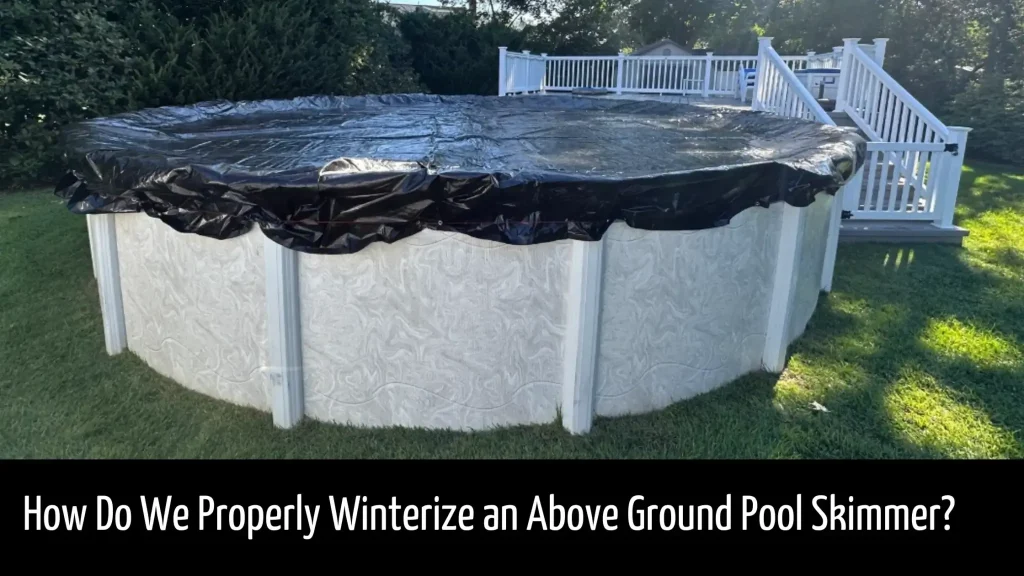
If you own an above ground pool, you know how frustrating it can be when winter arrives and freezing temperatures threaten your investment. You don’t want your pool liner to crack or your pipes to burst just because the water froze solid.
But how can you protect your pool without spending a fortune or turning it into a hassle? You’ll discover simple, effective ways to keep your above ground pool from freezing during winter. By following these easy steps, you’ll save money, avoid damage, and have peace of mind all season long.
Keep reading to find out exactly what you need to do to protect your pool this winter.
Winter Risks For Above Ground Pools
Winter poses serious challenges for above ground pools. Freezing temperatures can cause damage that is costly to repair. Ice expands and puts pressure on pool walls and equipment. Proper care and knowledge help protect your pool during cold months.
Common Freeze Damage
Water expands as it freezes. This expansion can crack the pool liner. It may also cause leaks along seams and joints. Ice buildup can damage the pool walls. Snow weight adds extra stress, worsening cracks and breaks.
Impact On Pool Structure
Freezing water inside the pool structure creates pressure. This pressure can bend or warp the metal frame. Plastic parts may become brittle and snap. The pool liner can tear from ice sharpness. Damage to the structure may cause the pool to collapse.
Effect On Equipment
Pumps, filters, and heaters are vulnerable to freezing. Water left inside pipes can freeze and burst them. Frozen equipment parts may crack or break. Electrical components risk short circuits if moisture enters. Protecting equipment saves money and prevents downtime.
Preparation Before Cold Weather
Getting your above ground pool ready before the cold weather hits is the most important step to keep it from freezing and getting damaged. Proper preparation helps you avoid costly repairs and makes reopening your pool in the spring much easier. Let’s look at the key actions you should take to protect your pool as temperatures drop.
Draining And Cleaning
Lowering the water level prevents ice from expanding inside the pool walls and causing cracks. Drain the water to about 4-6 inches below the skimmer or return fittings to allow room for ice expansion.
Cleaning the pool thoroughly before winter stops dirt and debris from settling and staining the pool liner. Use a pool vacuum and brush the walls to remove algae and grime.
Have you ever reopened a pool only to find a mess of leaves and dirt at the bottom? Taking time to clean now saves you hours later.
Checking For Leaks
Leaks can worsen during freezing temperatures as water expands and contracts. Inspect the entire pool structure, including seams, fittings, and the liner, for any signs of damage or leaks.
Fixing small leaks before winter prevents water loss and structural damage. Even a tiny hole can turn into a major problem when ice forms.
Balancing Water Chemistry
Proper water chemistry protects your pool from corrosion and scaling during the off-season. Test and adjust the pH, alkalinity, and calcium hardness to recommended levels.
Adding a winterizing chemical kit designed for pools can keep the water stable and prevent algae growth. Balanced water ensures your equipment stays in good shape and your liner lasts longer.
Have you checked your pool’s chemistry lately? It’s a simple step that makes a huge difference in winter pool care.
Insulation Techniques
Covering pool walls with foam panels or blankets helps trap heat and block cold air. Wrapping pipes and using pool covers also protect water from freezing. Insulating materials keep temperatures steady and prevent ice damage.
Insulating your above ground pool is essential to prevent freezing in winter. Proper insulation keeps the water warm and reduces the risk of damage. Here are some effective insulation techniques to consider.Using Pool Covers
Pool covers are a basic insulation method. They help trap heat inside. Choose a cover made of durable material. Make sure it fits snugly over the pool. This prevents cold air from entering. It also stops debris from falling in. Secure the cover tightly to avoid gaps. Regularly check for wear and tear.Adding Thermal Blankets
Thermal blankets provide extra insulation. They float on the water’s surface. This minimizes heat loss. These blankets are light and easy to use. Roll them out across the pool. They should cover the entire water area. Thermal blankets are effective in maintaining water temperature. They are a great addition to pool covers.Installing Insulation Panels
Insulation panels are another option. They fit around the pool’s exterior. These panels are made from foam or other insulating materials. They help block cold air from reaching the pool walls. Installing them is straightforward. Measure the pool’s circumference first. Cut panels to size for a perfect fit. Attach them securely to avoid shifting. Insulation panels work well with other insulation methods.
Credit: www.americansale.com
Preventing Water From Freezing
Preventing water in your above ground pool from freezing during winter is essential to protect the pool structure and equipment. Frozen water can cause cracks, damage liners, and lead to costly repairs. Taking proactive steps to keep the water moving and warm can save you from unexpected headaches.
Using Pool Heaters
Pool heaters are an effective way to maintain a temperature above freezing. Even a small, energy-efficient heater can keep the water just warm enough to prevent ice from forming. You don’t need to heat the entire pool, just enough to maintain circulation and prevent freezing.
Consider using a heater with a thermostat so it turns on only when the temperature drops near freezing. This saves energy and lowers your heating bill. Have you tried using a solar pool heater? It’s a cost-effective option that uses the sun’s energy to keep water temperatures stable.
Employing Bubblers Or Aerators
Bubblers and aerators create movement on the water’s surface, which helps prevent ice from settling. They push warmer water from the bottom to the top, keeping the surface from freezing. This method works well if you live in areas with mild to moderate winter temperatures.
Setting up a bubbler is simple, and it can be powered by your pool’s pump or a separate air compressor. You might notice how the constant bubbles keep the water from becoming still and icy. Have you observed the difference between a still pool and one with bubbling water during winter mornings?
Circulating Water Regularly
Water circulation is key to stopping ice formation. Running your pool pump for several hours a day keeps the water moving and prevents freezing. Even if you don’t have a heater or bubbler, regular circulation can make a big difference.
Try scheduling the pump to run during the coldest times of the day or night. This targeted circulation can be more energy-efficient and still protect your pool. How often do you check your pump settings during winter to keep your pool safe?
Protecting Pool Equipment
Protecting your pool equipment during winter is crucial to keep your above ground pool functioning smoothly year after year. Equipment like pumps, filters, and accessories can suffer serious damage if left exposed to freezing temperatures. Taking the right precautions helps you avoid costly repairs and extends the life of your investment.
Winterizing Pumps And Filters
Before the cold sets in, drain all water from your pump and filter. Water left inside can freeze, expand, and crack important parts. You might find it helpful to use compressed air to blow out any remaining water, ensuring no moisture stays trapped.
Remove the pump and filter from their usual spots if possible, storing them in a dry, frost-free area. This simple step protects delicate components from freezing damage. Have you checked if your pump model has specific winterizing instructions? Following those can save you from unexpected issues.
Storing Accessories Safely
Pool accessories like hoses, skimmers, and ladders also need attention. Clean all debris and let them dry completely before storage. Moisture left on these items can freeze and cause cracks or rust.
Store accessories in a shed or garage where temperatures stay above freezing. If indoor storage isn’t an option, cover them with heavy-duty tarps and elevate them off the ground. This prevents moisture buildup and physical damage from frost or snow.
Avoiding Ice Damage
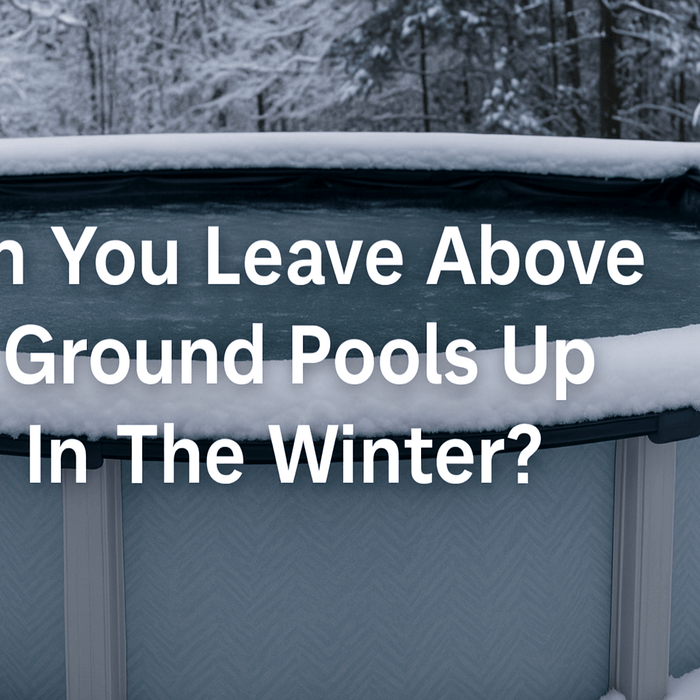
Ice can easily damage your pool structure and equipment if not managed properly. Use a pool cover designed for winter to reduce ice formation on the water surface. A cover also limits debris accumulation, which can add weight and strain on your pool.
Consider using floating devices or pool pillows that absorb ice expansion forces. These inexpensive tools can prevent cracks in your pool walls by distributing pressure evenly. Have you ever noticed the damage ice caused after a harsh winter? Taking these steps can make that a problem of the past.
Credit: happyhideouts.co.uk
Monitoring During Winter
Keeping your above ground pool from freezing during winter requires more than just prepping it once. Continuous monitoring is essential to catch issues early and adjust your protection methods. Staying proactive helps prevent costly damage and keeps your pool ready for the next swim season.
Regular Inspections
Check your pool and its components frequently throughout the winter months. Look for cracks in the pool walls, damaged covers, or any signs of water level changes. Catching these problems early can save you from major repairs later.
Set a schedule to inspect your pool at least once a week, especially after storms or freezing nights. Keep a checklist handy to track what you’ve examined and any actions taken. Have you noticed any small cracks or leaks? Fix them quickly before they worsen.
Managing Snow And Ice
Snow and ice buildup can put a lot of pressure on your pool structure and cover. Remove heavy snow carefully using a soft broom or brush to avoid damaging the cover. Avoid sharp tools that might tear the protective layer.
Ice can be tricky. Let it melt naturally whenever possible to avoid stressing the pool walls. If ice thickens, consider using a pool heater or floating de-icer to keep the surface from freezing solid. Are you regularly clearing snow, or waiting until it piles up? Small, consistent efforts prevent big problems.
Adjusting Measures As Needed
Winter weather can be unpredictable, so stay flexible with your pool protection plan. If you notice more ice forming than usual, add extra floating devices or increase your heating measures. If your cover loosens, tighten or replace it to maintain a good seal.
Keep an eye on water levels and adjust antifreeze or pool chemicals if temperatures drop unexpectedly. Sometimes, what worked last year might need tweaking this season. How often do you revisit your winter pool care plan? Adjusting as you go keeps your pool safe all season long.

Credit: www.amazon.com
Frequently Asked Questions
How Can I Prevent My Above Ground Pool From Freezing?
Use a pool cover and maintain water circulation with a pool pump. Add antifreeze to plumbing lines and keep water at the recommended level to prevent freezing damage.
What Pool Equipment Helps Avoid Freezing In Winter?
A pool pump, heater, and air pillow are essential. They circulate water, maintain temperature, and reduce ice pressure on pool walls.
Is Draining My Above Ground Pool Necessary Before Winter?
No, fully draining can damage the pool structure. Instead, lower water level below skimmer, winterize equipment, and use a cover to protect the pool.
Can Pool Antifreeze Protect My Pool Pipes?
Yes, antifreeze formulated for pools prevents freeze damage in plumbing lines. It is safe and effective when used during winterization.
Conclusion
Keeping your above ground pool safe from freezing takes some effort. Use a pool cover to stop ice from forming. Add a pool heater or floating device to keep water moving. Check water levels and remove debris regularly. These small steps protect your pool structure and save money on repairs.
Stay consistent with winter care to enjoy your pool longer. Don’t let cold weather damage your pool. Take action early and keep it safe all winter long. Easy habits make a big difference.