Is your air conditioner freezing up and leaving you sweating in the heat? You’re not alone, and it’s a frustrating problem that can interrupt your comfort and hike up repair costs.
But what if you could stop your AC from freezing before it even starts? You’ll discover simple, practical steps to keep your air conditioner running smoothly and ice-free. Stick with me, and you’ll learn how to protect your cool air and avoid costly breakdowns all summer long.
Common Causes Of Ac Freezing
Air conditioners can freeze up and stop working well. This happens when cold air builds up on the cooling coils. Several common problems cause this issue.
Fixing these causes can help keep your AC running smoothly and avoid freezing.
Dirty Air Filters
Dirty air filters block airflow over the AC coils. When air cannot flow well, the coils get too cold and freeze.
Changing or cleaning your air filters regularly helps air move freely. This stops ice from forming on the coils.
- Check filters every month during heavy use
- Replace filters if they look dirty or clogged
- Use the right filter size for your AC unit
Low Refrigerant Levels
Refrigerant is the liquid that cools the air inside your AC. Low refrigerant makes the coils too cold and causes freezing.
Leaks or poor charging can lower refrigerant levels. A professional should check and fix refrigerant problems safely.
Blocked Airflow
Blocked airflow stops warm air from reaching the AC coils. Without warm air, the coils stay too cold and freeze up.
Blockages can come from closed vents, dirty coils, or objects near the AC unit. Keep areas clear and vents open.
- Do not block return air vents
- Clean the coils at least once a year
- Keep furniture and plants away from the unit
Thermostat Issues
A faulty thermostat may cause the AC to run too long or too short. This can make the coils freeze if the unit runs nonstop.
Check that the thermostat is working well. Replace batteries or the unit if it gives wrong readings.
Credit: www.davisheat.com
Signs Your Ac Is Freezing
Air conditioners can freeze up and stop working properly. Recognizing the signs early helps you fix the problem fast.
Look for changes in how your AC cools and sounds. These clues show if ice is forming inside.
Ice Formation On Coils
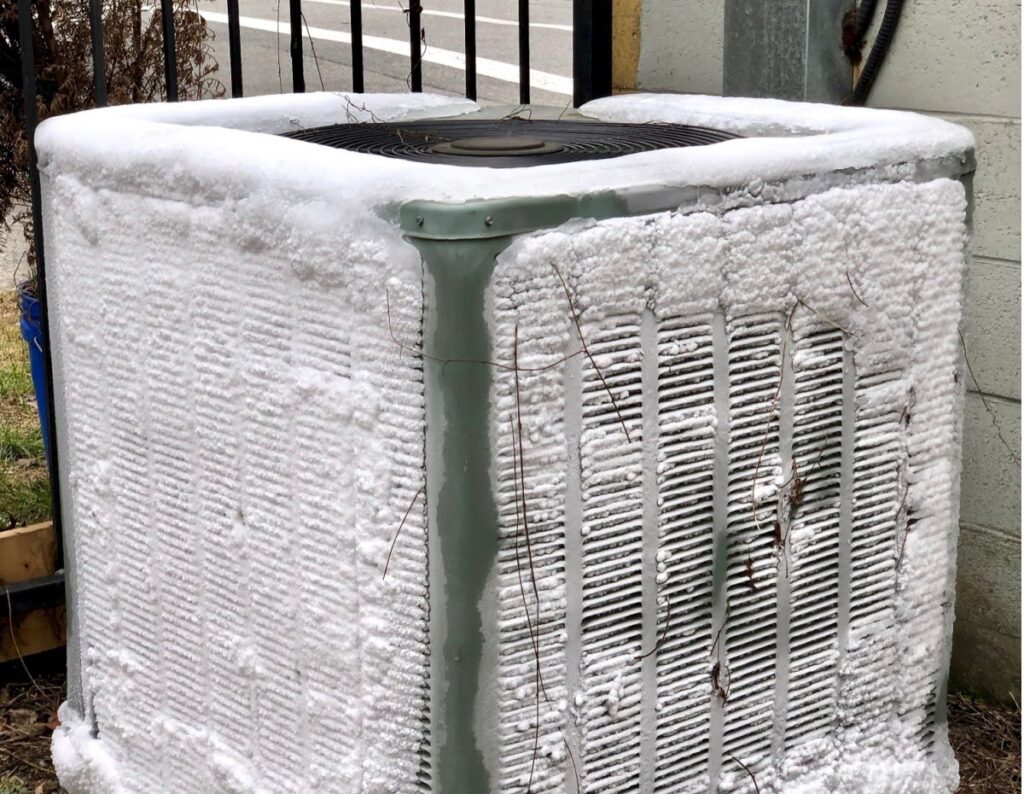
When ice builds up on the AC coils, it blocks airflow. This ice looks like frost or thick ice layers on the coils.
Ice on coils means your AC is working harder than usual. It may cause the system to shut down to protect itself.
Reduced Cooling Efficiency
Your AC cools less when it freezes. You may notice the air is not as cold or takes longer to cool the room.
- Warm air from vents
- Longer run times without cooling
- Uneven cooling in rooms
- Higher energy bills
Unusual Noises
Freezing can cause strange sounds. These noises come from ice blocking parts or the fan struggling to turn.
Common sounds include:
- Hissing or bubbling
- Clanking or banging
- Squealing or whining
Water Leaks
Ice melts and causes water to drip or leak near your AC. This water can damage floors or walls if not noticed.
| Leak Location | Cause |
| Near indoor unit | Melting ice from coils |
| Under AC unit | Clogged drain line |
| On walls or ceiling | Excess moisture buildup |
Preventive Maintenance Steps
Keeping your air conditioner from freezing up helps it work better. Regular care stops ice build-up and saves money on repairs.
Follow these simple maintenance steps to keep your AC running smoothly all summer long.
Regular Filter Cleaning
Dirty filters block airflow and cause the AC to freeze. Clean or replace filters every one to three months.
Clean filters help the air conditioner work efficiently and keep air fresh.
- Turn off the AC before removing the filter
- Use a vacuum or wash with water and mild soap
- Let the filter dry completely before reinstalling
- Replace disposable filters as needed
Checking Refrigerant Levels
Low refrigerant can cause ice to form on the coils. Have a professional check and refill refrigerant if needed.
Proper refrigerant levels keep your air conditioner cooling without freezing up.
Clearing Air Vents
Blocked vents reduce airflow and cause the AC to freeze. Keep vents open and free from dust or furniture.
- Check all vents regularly
- Remove dust with a soft brush or vacuum
- Make sure nothing blocks the airflow
- Close vents only in unused rooms
Maintaining Proper Thermostat Settings
Setting the thermostat too low can cause the AC to freeze. Keep the temperature at a moderate, steady level.
Use programmable thermostats to avoid sudden changes that stress your air conditioner.

Credit: www.reddit.com
Diy Fixes For A Frozen Ac
A frozen air conditioner can stop cooling your home. It happens when ice builds up on the coils or pipes.
You can try some simple fixes at home to stop the freezing. These do not need special tools or skills.
Turning Off The Unit To Defrost
Switch off your AC to let the ice melt. This usually takes a few hours depending on the ice size.
Use a fan to help warm air flow over the frozen parts. Do not use sharp objects to break the ice.
Cleaning Evaporator Coils
Dirty coils reduce airflow and cause freezing. Clean the evaporator coils gently with a soft brush or cloth.
Use a coil cleaner spray if available. Keep the coils dry after cleaning to avoid mold and dirt.
- Turn off power before cleaning
- Remove dust and debris carefully
- Use coil cleaner spray for best results
- Allow coils to dry before restarting
Improving Air Circulation
Good air flow stops the AC from freezing. Check and clean air filters regularly to keep air moving.
Keep vents open and clear of furniture or curtains. Use fans to help air move well in the room.
- Clean or replace air filters monthly
- Keep vents free from blockages
- Use fans to improve airflow
Resetting The Thermostat
Sometimes, the thermostat settings cause the AC to freeze. Reset it to clear any errors.
Turn the thermostat off, wait for a few minutes, then turn it back on. Set the temperature slightly higher.
- Turn off thermostat and AC unit
- Wait 5 to 10 minutes
- Turn on thermostat and set temperature
When To Call A Professional
An air conditioner that freezes up needs quick attention. Some problems require a trained expert. Calling a professional saves time and avoids damage.
This guide explains when to call a professional for air conditioner freezing issues. It covers persistent freezing, refrigerant recharge, and part repairs.
Persistent Freezing Issues
If your AC freezes often, it means a deeper problem. A professional can find hidden issues like blocked airflow or dirty coils.
- Check if the unit freezes even after cleaning filters.
- Look for ice buildup on the coils regularly.
- Notice if the freezing returns after you thaw the unit.
- Listen for strange sounds or smells.
Refrigerant Recharge
Low refrigerant can cause freezing. Only a licensed technician can safely add refrigerant. This task needs special tools and knowledge.
| Signs of Low Refrigerant | Why Call a Professional |
| AC blows warm air | Requires special equipment to recharge |
| Ice on evaporator coils | Must detect leaks before refilling |
| High electricity bills | Needs proper handling to avoid damage |
Component Repairs Or Replacement
Broken parts can cause freezing. A professional can fix or replace components like fans, compressors, or sensors safely.
Common components that may need repair or replacement include:
- Thermostat issues
- Fan motor failure
- Clogged or damaged coils
- Faulty sensors

Credit: serviceplusheatingcooling.ca
Tips For Efficient Ac Operation
Keeping your air conditioner running well saves energy and money. It also stops the AC from freezing up.
Simple changes help your AC work better and last longer. Here are key tips to try.
Optimal Temperature Settings
Setting the right temperature helps your AC run smoothly. Avoid very low settings that make the AC work too hard.
- Keep your thermostat around 75°F (24°C) when home
- Raise the temperature by a few degrees when away
- Use programmable thermostats for better control
- Avoid sudden big temperature changes
Using Ceiling Fans
Ceiling fans spread cool air better. They let you raise the AC temperature without losing comfort.
Fans do not cool the air but make rooms feel cooler by moving air around.
Sealing Air Leaks
Air leaks let warm air enter your home. This makes your AC work harder and freeze up.
| Common Leak Areas | How to Seal |
|---|---|
| Windows | Use weatherstripping or caulk |
| Doors | Install door sweeps and seals |
| Attic and walls | Insulate and seal gaps |
| Outlets and vents | Use foam gaskets or sealant |
Scheduling Regular Inspections
Regular checks keep your AC healthy and catch problems early. Clean filters and coils often.
- Inspect and clean or replace air filters every 1-3 months
- Check refrigerant levels and add if needed
- Clean evaporator and condenser coils yearly
- Look for ice buildup and clear it promptly
- Schedule professional AC service once a year
Frequently Asked Questions
Why Does My Air Conditioner Freeze Up?
Air conditioners freeze due to restricted airflow or low refrigerant levels. Dirty filters and blocked vents reduce airflow, causing ice buildup. Low refrigerant makes coils too cold, freezing moisture. Regular maintenance prevents freezing by ensuring proper airflow and refrigerant balance.
How To Prevent Air Conditioner Freezing In Summer?
Keep filters and coils clean to maintain airflow. Regularly check and replace dirty air filters. Ensure vents are open and unblocked. Schedule professional maintenance to monitor refrigerant levels. Using a thermostat correctly also prevents freezing by avoiding overcooling.
Can Low Refrigerant Cause Ac To Freeze?
Yes, low refrigerant causes the evaporator coil to get too cold. This leads to ice buildup on the coil. Low refrigerant often indicates a leak, which requires professional repair. Maintaining correct refrigerant levels prevents freezing and ensures efficient cooling.
Is Dirty Air Filter Responsible For Ac Freezing?
A dirty air filter restricts airflow, causing the evaporator coil to freeze. This limits cooling efficiency and can damage the AC system. Regularly cleaning or replacing filters improves airflow and prevents ice buildup, keeping your AC running smoothly.
Conclusion
Keeping your air conditioner from freezing up takes small, steady steps. Clean the filters often and check the airflow. Watch the temperature settings and avoid running the unit too cold. Regular maintenance helps catch problems early. A well-cared-for AC works better and lasts longer.
Stay alert to unusual sounds or ice buildup. Taking simple actions now can save you time and money later. Enjoy cool air without the hassle of a frozen unit. Easy care makes a big difference.