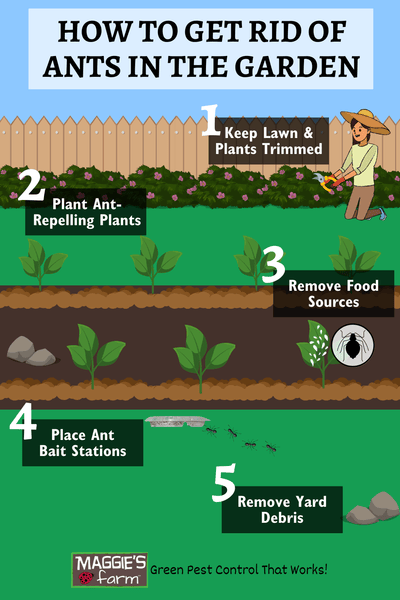
Are ants invading your raised garden beds and causing trouble? You’re not alone.
These tiny pests can quickly take over your plants, stealing nutrients and damaging your hard work. But don’t worry—there are simple, effective ways you can keep ants out and protect your garden. You’ll discover easy tips and tricks to make your raised beds a no-go zone for ants.
Keep reading, and take back control of your garden today!
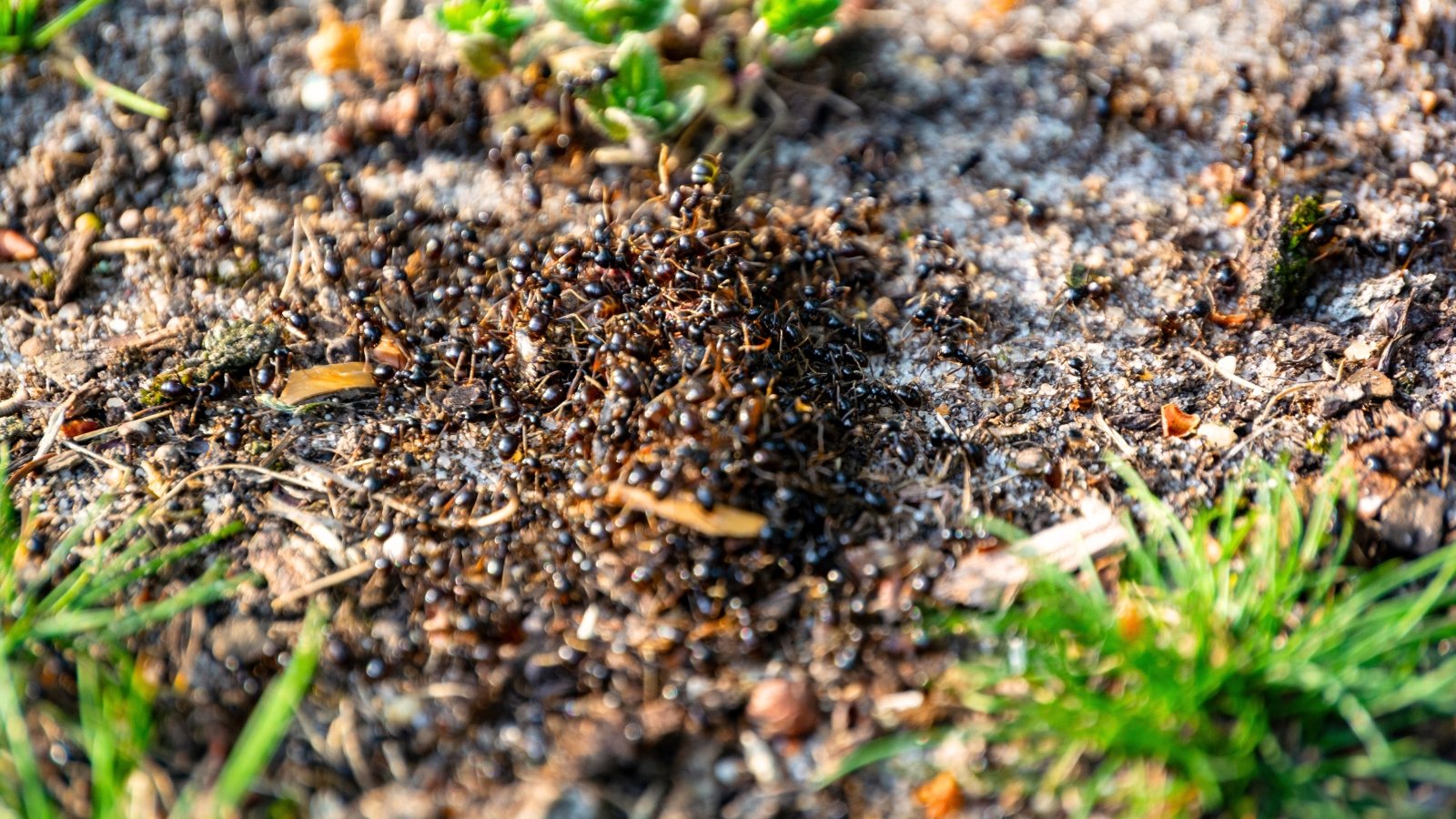
Credit: www.epicgardening.com
Why Ants Invade Raised Beds
Ants often enter raised garden beds looking for food and shelter. These small insects find the environment inside raised beds ideal for building nests.
The soil, plants, and moisture attract ants to these areas. Understanding why ants come can help gardeners protect their plants better.
Common Ant Species In Gardens
Several ant species live in garden areas and raised beds. Some ants protect plants by eating pests, while others can harm roots and crops.
- Argentine ants: These ants form large colonies and invade gardens quickly.
- Carpenter ants: They build nests in wood and sometimes damage raised bed structures.
- Pavement ants: Often found near soil surfaces, they search for food in garden beds.
- Odorous house ants: Known for the smell they produce, these ants invade moist areas.
Attractants In Raised Beds
Raised beds have features that attract ants and encourage them to stay. These attractants provide food and shelter for ant colonies.
| Attractant | Description |
| Moist Soil | Ants prefer damp soil to build their nests and keep cool. |
| Plant Nectar | Sweet nectar from flowers and plants draws ants to feed. |
| Food Debris | Fallen fruits and plant matter provide easy food sources. |
| Other Insects | Ants hunt or farm aphids and small insects inside beds. |
Natural Ant Deterrents
Keeping ants out of raised garden beds can protect your plants. Natural ant deterrents offer safe ways to manage these pests.
These methods avoid chemicals and help maintain a healthy garden environment. Below are some effective natural options.
Using Essential Oils
Essential oils have strong smells that ants dislike. You can use oils like peppermint, tea tree, and eucalyptus around your garden beds.
- Mix 10 drops of essential oil with 1 cup of water.
- Pour the mixture into a spray bottle.
- Spray around the edges of your raised beds.
- Repeat every few days or after rain.
Planting Ant-repellent Herbs
Certain herbs naturally keep ants away. Planting these herbs near your garden beds helps reduce ant activity.
| Herb | How It Repels Ants |
| Mint | Strong scent that ants avoid |
| Lavender | Repels ants with its fragrance |
| Rosemary | Acts as a natural barrier |
| Thyme | Deters ants by smell |
Applying Diatomaceous Earth
Diatomaceous earth is a powder made from fossilized algae. It damages ants’ outer shells and stops them.
To use diatomaceous earth:
- Sprinkle a thin layer around your raised beds.
- Apply it to ant trails and entry points.
- Reapply after watering or rain.
- Use food-grade diatomaceous earth for safety.
Physical Barriers To Keep Ants Out
Raised garden beds can attract ants that disturb your plants. Using physical barriers helps stop ants from entering your garden beds. These barriers create obstacles ants cannot easily cross.
Physical barriers work well without using harmful chemicals. They protect your plants by blocking ants at the edges of your raised beds. Here are some simple ways to keep ants away.
Creating Moisture Barriers
Ants dislike wet surfaces and avoid crossing them. Creating a moisture barrier around your raised garden bed can stop ants from getting inside. Wet the soil or add a water moat to block ant paths.
Keep the moisture barrier fresh by watering it regularly. This method works best in dry weather when ants look for dry places to live. It is a natural way to protect your plants.
Installing Copper Tape
Copper tape is a thin strip that ants avoid crossing. Wrap copper tape around the edges of your raised garden bed. The metal gives a slight shock to ants, stopping them from climbing.
Make sure the tape is clean and firmly attached. Replace it if it gets dirty or damaged. Copper tape is a safe barrier that does not harm plants or pets.
Using Sticky Barriers
Sticky barriers trap ants as they try to cross. Apply a sticky substance around the legs or edges of your raised bed. This sticky layer keeps ants from reaching your plants.
Use natural sticky materials or commercial sticky bands made for gardening. Check the barrier often and replace it if it loses stickiness. Sticky barriers are easy to use and effective.

Credit: www.reddit.com
Safe Chemical Solutions
Keeping ants out of raised garden beds can be a challenge. Safe chemical solutions can help manage this problem. These solutions protect plants and are safe for the environment.
Using the right methods can ensure a healthy garden. Let’s explore some organic and homemade options.
Organic Ant Baits
Organic ant baits are a safe way to control ants. These baits use natural ingredients to attract and eliminate ants. They do not harm the soil or plants.
- Borax mixed with sugar attracts and kills ants.
- Diatomaceous earth is a natural powder that harms ants.
- Use cucumber peel to deter ants naturally.
Homemade Ant Sprays
Homemade ant sprays are easy to make and use. They are made from common household items and are safe for plants.
These sprays can be applied directly to ants and entry points. They are effective and do not contain harmful chemicals.
- Mix vinegar and water for a simple ant spray.
- Add essential oils like peppermint for extra effectiveness.
- Soap and water mixture can deter ants quickly.
Maintaining Garden Hygiene
Keeping your raised garden beds clean helps stop ants from invading. Ants look for food and shelter, so a tidy garden makes it less inviting.
Good garden hygiene means removing debris and managing waste well. This lowers the chance of ants building nests nearby.
Regular Cleaning Practices
Clean your garden beds often to remove fallen leaves and dead plants. These materials attract ants and other pests.
Clear away any spilled soil or compost from the bed edges. Ants use these spots to enter and build tunnels.
- Remove plant debris weekly
- Check for ant trails and nests
- Clear soil spills around beds
- Keep the garden area dry and tidy
Proper Compost Management
Store compost away from your raised beds to avoid attracting ants. Compost can be a food source and shelter for them.
Turn your compost regularly to speed up decomposition. This reduces smells that lure ants and other insects.
- Keep compost bins sealed and covered
- Place compost at least 10 feet from garden beds
- Turn compost every two weeks
- Avoid adding sugary or oily waste

Credit: www.youtube.com
Monitoring And Early Detection
Keeping ants out of raised garden beds starts with careful watching. Early detection helps stop ants before they cause problems.
Check your garden often to catch ant activity early. This makes control easier and protects your plants.
Identifying Ant Trails
Ant trails are small lines of ants moving in a row. They usually lead to food or their nest.
Look for these trails on soil, plant stems, and garden walls. They often follow the same path daily.
- Check edges of raised beds for lines of ants
- Follow trails to find nests or food sources
- Notice if ants move in straight lines or curves
Inspecting Soil And Plants
Look closely at the soil surface in your garden beds. Ants may build small dirt piles or tunnels.
Check plants for ants crawling on leaves, stems, or flowers. Some ants protect pests like aphids.
- Turn over soil near plants to spot hidden nests
- Inspect leaves for ants or sticky residue from pests
- Watch plants daily for any new ant activity
Frequently Asked Questions
How Do Ants Get Into Raised Garden Beds?
Ants enter raised garden beds searching for food, water, or shelter. They often build nests in soil or under mulch, attracted by sweet plants or pest insects like aphids.
What Natural Remedies Repel Ants From Garden Beds?
Natural ant repellents include cinnamon, coffee grounds, and diatomaceous earth. Sprinkling these around beds deters ants without harming plants or beneficial insects.
Can Raised Garden Bed Materials Prevent Ant Infestations?
Using materials like cedarwood or metal mesh can block ants. These materials create barriers ants cannot easily cross, reducing their access to soil and plants.
How Does Mulch Affect Ant Presence In Raised Beds?
Mulch provides shelter for ants and helps retain moisture. However, thick mulch layers may encourage ant nests; managing mulch depth can reduce ant activity.
Conclusion
Keeping ants out of raised garden beds takes regular care and simple steps. Use natural barriers and clean the area often. Plant herbs that ants dislike near your beds. Check for moisture and fix leaks quickly. These small actions help protect your plants.
Stay patient and keep trying different methods. Your garden will stay healthy and ant-free over time. Gardening is rewarding when pests stay away. Enjoy your growing space without worry.