
Imagine waking up on a chilly morning, only to find that your carefully stored buckets of water have turned into solid blocks of ice. Frustrating, isn’t it?
Whether you’re a gardener, pet owner, or someone living in a cold climate, keeping water from freezing is a challenge that you might face every winter. But don’t worry, because you’re about to discover simple and effective solutions to this common problem.
We’ll reveal practical tips to keep your water liquid, saving you time and hassle. So, if you’re tired of battling with frozen water every morning, keep reading to learn how you can win this winter war. Your peace of mind is just a few tips away!

Credit: www.statelinetack.com
Choose The Right Bucket
Choosing the right bucket plays a key role in keeping water from freezing. Some buckets handle cold better than others. Selecting the proper bucket can slow down ice formation and protect your water supply through freezing temperatures.
Material Matters
Plastic buckets are common but vary in quality. Thick, high-density plastic offers better insulation. Avoid thin plastic that cracks in cold weather.
Metal buckets conduct cold quickly, causing water to freeze faster. Use metal only if insulated or placed in a sheltered spot.
Rubber buckets provide good flexibility and resist cracking. Their natural insulation helps keep water from freezing fast.
Size And Shape Tips
Wider buckets freeze slower than narrow, deep ones. A larger surface area warms slightly from surrounding air.
Small buckets freeze faster due to less water volume. Choose a size that holds enough water but is not too small.
Buckets with rounded bottoms reduce ice buildup along edges. Flat-bottom buckets may freeze from the sides inward.
Optimal Bucket Placement
Choosing the right spot for your water buckets helps prevent freezing. Proper placement reduces exposure to cold winds and captures natural warmth. This simple step keeps water liquid longer during cold days. Consider shelter and sunlight when placing buckets outdoors. Both factors play a key role in maintaining water temperature above freezing.
Sheltered Locations
Place buckets in areas shielded from strong winds. Walls, fences, or dense bushes work well as windbreaks. Wind speeds up water cooling and freezing. A sheltered spot slows down heat loss from the bucket’s surface. Avoid open fields or exposed patios during winter. Even small shelters make a big difference in freezing times.
Sunlight Exposure
Set buckets where they get direct sunlight during the day. Sunlight adds warmth, helping to keep water from freezing. South-facing spots usually receive the most light in winter. Clear snow or debris that blocks sunlight from reaching the bucket. Even weak winter sun can raise water temperature slightly. Use dark-colored buckets to absorb more heat from the sun.
Insulation Techniques
Keeping buckets of water from freezing is a challenge many face during cold months. Insulation techniques can make a significant difference by slowing down heat loss and maintaining the water temperature above freezing. Simple materials around your home can act as effective barriers against cold, giving you more time before ice forms.
Using Foam Or Bubble Wrap
Foam sheets and bubble wrap are excellent insulators because they trap air, which slows heat transfer. Wrap your buckets tightly with foam or several layers of bubble wrap, securing them with tape or string.
This creates a cushion of warmth around the bucket. I once used bubble wrap to insulate a bucket overnight, and the water remained liquid well into the next morning, even when temperatures dropped below freezing.
Think about how you can reuse packing materials or foam pieces you already have. Is there a way to cover the sides and bottom of the bucket with these materials to maximize insulation?
Diy Insulation Wraps
You can craft your own insulation wraps using household items like old towels, blankets, or even newspaper. Layer these materials around the bucket and secure them with rubber bands or twine.
Adding a plastic bag or garbage bag over the wrap helps keep moisture out, which can reduce insulation effectiveness. I once wrapped buckets in old fleece blankets and noticed the water stayed unfrozen much longer compared to bare buckets.
Experiment with different combinations—try a towel inside a plastic bag or several layers of newspaper. What items do you have on hand that could be turned into an insulating wrap today?
Credit: www.horseforum.com
Additives To Prevent Freezing
Adding certain substances to water helps stop it from freezing in buckets. These additives lower the freezing point, keeping the water liquid during cold weather. Choosing the right additive depends on safety, cost, and how cold the temperature gets.
Salt And Its Effects
Salt is a common additive to prevent water freezing. It lowers the freezing point by disrupting ice formation. Rock salt or table salt works well for this purpose.
Salt is cheap and easy to find. It can keep water from freezing in moderate cold. But using too much salt can harm plants and soil around the bucket. Salt also may corrode metal containers over time.
Use salt sparingly and rinse buckets if possible. Salt works best when temperatures stay just below freezing.
Using Antifreeze Solutions
Antifreeze solutions lower water’s freezing point more than salt. They keep water liquid even in very cold conditions. Some antifreeze products are safe for animals and plants, but many are toxic.
Common antifreeze additives include propylene glycol and ethylene glycol. Propylene glycol is safer for outdoor use. Ethylene glycol is highly toxic and should be avoided around pets and children.
Always check product labels for safety and environmental impact. Use antifreeze carefully, following all instructions. Store buckets away from food and drinking sources.
Water Movement Strategies
Water movement is a key strategy to prevent buckets of water from freezing. When water stays still, it cools evenly and freezes faster. Moving the water disrupts this process, keeping it liquid longer even in cold conditions.
Using Pumps Or Aerators
Pumps and aerators keep water in constant motion, making it harder for ice to form. A small, submersible pump creates gentle circulation that breaks the surface tension where ice usually starts.
Aerators introduce tiny air bubbles into the water. This bubbling action not only stirs the water but also adds oxygen, which helps maintain water quality during winter.
If you’ve ever had a fountain freeze solid, you know that even a little flow can delay freezing significantly. Think about using a low-power pump that fits inside your bucket—it’s energy-efficient and effective.
Manual Stirring Methods
If you don’t have access to pumps or aerators, manual stirring is a simple alternative. Regularly moving the water with a stick or paddle disturbs the surface and delays ice formation.
Try stirring your buckets several times a day, especially during the coldest hours. It may sound tedious, but this physical disruption can make a noticeable difference.
Have you tried this before? You might be surprised how just a few quick stirs can keep water from freezing overnight. It’s an easy way to stay ahead of winter’s grip without extra equipment.
Heat Sources For Buckets
Keeping buckets of water from freezing during cold months requires a reliable heat source. Heat sources help maintain the water temperature above freezing. They prevent ice formation and keep water accessible for animals, plants, or cleaning. Several safe and efficient heat options fit different needs and budgets.
Safe Heating Pads
Heating pads designed for outdoor use provide gentle warmth. These pads wrap around or sit under the bucket. They maintain a steady temperature that stops freezing without overheating.
- Use pads labeled for outdoor or pet use.
- Ensure they have built-in thermostats for safety.
- Choose waterproof and durable models for wet conditions.
Safe heating pads are energy-efficient and easy to install. They require a nearby power source and should be checked regularly. These pads work well in small to medium buckets.
Solar-powered Warmers
Solar-powered warmers use sunlight to heat water naturally. They are eco-friendly and save electricity. These warmers often include solar panels and a heating element.
- Place the solar panel in direct sunlight for best results.
- Choose models with battery backups for cloudy days.
- They are ideal for remote areas without power access.
Solar warmers need no wiring and have low running costs. They offer a simple way to keep water from freezing using renewable energy. Consider the size of your bucket and sun exposure before buying.
Regular Maintenance Tips
Regular care is key to keeping buckets of water from freezing. Simple maintenance can prevent ice buildup and keep water usable. Small daily checks help avoid big problems later. Regular upkeep ensures water stays fresh and liquid during cold days.
Checking Water Levels
Check water levels often, especially during cold weather. Low water freezes faster. Keep buckets filled to slow down freezing. Top off water regularly to maintain a steady level. Use a sturdy container to avoid spills and refills.
Cleaning And Refilling
Clean buckets before refilling to remove dirt and ice. Dirty water freezes quicker and smells bad. Use a mild soap and rinse well. Refill with fresh, clean water each time. This keeps water safe and slows ice formation.
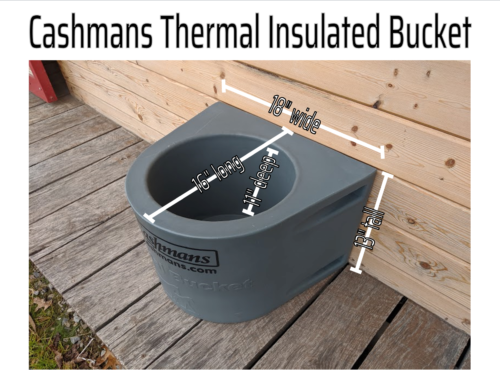
Credit: www.cashmans.com
Frequently Asked Questions
How Can I Prevent Water Buckets From Freezing Outdoors?
Place buckets in a sheltered spot, use insulated covers, or add floating objects. These methods reduce ice formation by maintaining temperature and limiting water exposure to cold air.
Does Adding Salt Stop Water From Freezing In Buckets?
Yes, adding salt lowers water’s freezing point. However, use small amounts to avoid harming plants or animals. Saltwater freezes at lower temperatures, keeping water liquid longer.
What Household Items Help Keep Water Buckets Unfrozen?
Use items like Styrofoam, old blankets, or bubble wrap as insulation. Wrap them around the bucket to trap heat and slow down freezing during cold weather.
Can Placing Buckets In Sunlight Prevent Freezing?
Yes, placing buckets in direct sunlight helps keep water warmer. Sunlight increases water temperature, reducing the chance of freezing, especially during daytime in winter.
Conclusion
Keeping buckets of water from freezing takes simple steps. Use insulation or cover buckets to keep warmth inside. Place buckets in sunny or sheltered spots. Stir water regularly to stop ice from forming. These easy tips help protect water during cold days.
Stay prepared and keep water usable all winter long. Small efforts make a big difference in freezing weather. Try these ideas to keep water fresh and liquid. No need to worry about frozen buckets again.