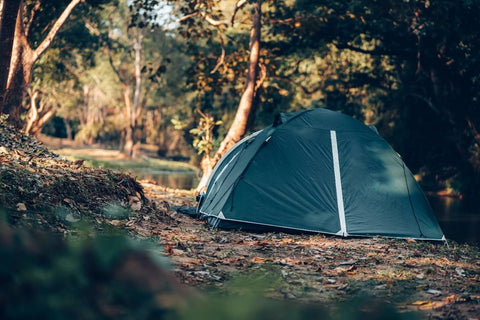
You’ve set up your tent, ready to enjoy a night under the stars. But then, the buzzing and crawling begin—bugs everywhere, ruining your peace.
It’s frustrating, uncomfortable, and can even be harmful. What if you could keep those unwanted guests out and enjoy your camping trip without constant swatting? You’ll discover simple, effective ways to keep bugs out of your tent so you can relax and fully enjoy the great outdoors.
Keep reading to find out how to make your tent a bug-free zone tonight!
Credit: www.mbizi.co.za
Choose The Right Tent
Keeping bugs out of your tent makes camping more comfortable. Picking the right tent is the first step.
Look closely at the tent’s features before buying. This helps you avoid bugs while you rest.
Look For Mesh Screens
Mesh screens keep small insects outside. Choose tents with fine mesh for windows and doors.
- Check the mesh size; smaller holes block more bugs.
- Make sure screens cover all openings.
- Look for tents with zippered mesh doors.
Check For Tight Seams
Tight seams stop bugs from sneaking in. Loose stitches create gaps where insects enter.
| Seam Type | Protection Level |
| Double-stitched seams | High |
| Single-stitched seams | Medium |
| Unsealed seams | Low |
Consider Tent Material
Tent fabric affects bug resistance. Some materials are harder for bugs to bite through.
- Nylon:Lightweight but less bug-proof.
- Polyester:Durable and better at keeping bugs out.
- Canvas:Thick and offers strong bug protection.
Set Up In The Best Spot
Choosing the right place to set up your tent helps keep bugs away. Bugs like wet, dark, and crowded spaces. Picking a good spot makes your camping more comfortable.
Look around carefully before pitching your tent. Finding a dry, open area with good airflow reduces bug problems. Follow these tips to find the best spot.
Avoid Standing Water
Standing water attracts mosquitoes and other bugs. Avoid setting up your tent near puddles, ponds, or slow streams. Even small water pools can increase bugs around you.
Check the ground for wet spots or places that collect rainwater. Choose a higher, dry area to keep bugs at a distance.
Pick A Breezy Location
Bugs like still air because it helps them fly and rest easily. A breezy spot makes it hard for bugs to stay near your tent. This lowers the chance of bug bites.
Look for open spaces or ridges where wind flows well. Avoid dense forests or valleys with little air movement.
Clear Surrounding Debris
Leaves, grass, and wood piles near your tent give bugs places to hide. Clear away any debris within a few feet around your tent. This reduces bug shelters and breeding spots.
- Remove fallen leaves and sticks
- Trim tall grass near the tent
- Keep firewood and trash away from your sleeping area
Use Natural Repellents
Keeping bugs out of your tent can make camping more pleasant. Natural repellents offer safe and effective ways to keep insects away.
These repellents use plants and oils that bugs dislike. You can apply them without harsh chemicals.
Essential Oils That Work
Some essential oils are strong at repelling bugs. You can use them on your skin or around your tent to keep insects away.
- Citronella oil
- Lavender oil
- Eucalyptus oil
- Peppermint oil
- Tea tree oil
Plants That Deter Bugs
Some plants naturally keep bugs at bay. Place these near your tent for extra protection.
| Plant | Type of Bug Repelled |
| Marigold | Mosquitoes and aphids |
| Basil | Flies and mosquitoes |
| Rosemary | Ticks and mosquitoes |
| Mint | Ants and mosquitoes |
| Catnip | Mosquitoes |
Diy Repellent Sprays
You can make your own bug spray with simple ingredients. These sprays are safe and easy to prepare.
- Mix 10 drops of essential oil with 2 tablespoons of witch hazel.
- Add 1 cup of water and shake well in a spray bottle.
- Spray around your tent and on clothes for protection.
- Reapply every few hours or after sweating.

Credit: www.amazon.ca
Keep Your Tent Clean
Keeping your tent clean helps keep bugs away. A clean tent is less inviting for insects.
Make sure to shake out dirt and debris regularly. This prevents bugs from making your tent their home.
Store Food Properly
Food attracts bugs, so store it in sealed containers. Keep food outside the tent whenever possible.
Use airtight bags or boxes to store snacks and meals. This helps reduce the smell that can attract insects.
- Use bear canisters when camping in bear country
- Hang food from a tree branch if no lockers are available
- Store food in a car or designated area if possible
Remove Trash Promptly
Trash can quickly become a bug magnet. Make it a habit to remove trash from your tent area promptly.
Dispose of trash in designated bins or take it with you. Leaving trash around will attract insects and other animals.
- Use a small trash bag for easy clean-up
- Separate recyclables to minimize waste
- Check for litter around the campsite before sleeping
Avoid Strong Scents
Insects are drawn to strong scents. Avoid using perfumes or scented lotions in the tent.
Use unscented products to keep bugs at bay. This includes soap, shampoo, and even deodorant.
- Choose unscented personal care items
- Use natural repellents like citronella candles outside
- Keep scented items far from the tent
Employ Bug Barriers
Keeping bugs out of your tent makes camping more comfortable. Using bug barriers stops insects from entering your space.
Simple tools and careful steps can create a strong defense against bugs. Let’s look at how to do this effectively.
Apply Insecticide Safely
Use insecticide sprays around the tent’s outside, not inside. Spray on the ground and tent fabric to create a bug-free zone.
Wear gloves and follow product instructions to avoid harm. Avoid spraying near food or where you sleep.
- Choose insecticides labeled for outdoor use
- Spray before setting up your tent
- Keep children and pets away during application
- Reapply as directed for lasting protection
Use Bug Netting
Bug netting covers tent openings and windows. It stops small insects from flying or crawling inside.
Make sure netting has no holes or tears. Check it every time you set up your tent.
- Choose fine mesh netting for smaller bugs
- Attach netting securely with zippers or ties
- Keep netting closed whenever possible
- Inspect netting for damage before camping
Seal Tent Openings
Close all tent doors and vents tightly to block bugs. Use flaps and zippers fully to avoid gaps.
Check for holes or tears in the tent fabric. Repair any damage to keep insects out.
- Zip all doors and windows completely
- Use tape or patches for small holes
- Keep ground edges close to the floor
- Store food outside the tent to avoid attracting bugs
Manage Lighting Wisely
Keeping bugs out of your tent is easier with smart lighting. Bugs are drawn to bright lights, so managing your light can help. Use lighting that does not attract insects near your tent.
Good lighting helps you see and stay safe without inviting bugs inside. Think about where and what kind of light you use around your tent.
Choose Low-attraction Lights
Some lights attract fewer bugs than others. Yellow or amber LED lights are less likely to draw insects. Avoid bright white or blue lights as they attract more bugs.
Using low-attraction lights keeps bugs flying away from your tent. These lights still give enough brightness for your needs.
Position Lights Away From Tent
Place your lights away from the tent entrance. This keeps bugs near the light, not inside your tent. The further the light is, the fewer bugs will get close to you.
Set lights on poles or hang them from trees at a good distance. This simple step reduces bugs inside your sleeping area.
Use Lantern Covers
Lantern covers help control light direction and brightness. They reduce glare that can attract bugs. Cover your lanterns with mesh or fabric designed to block insects.
- Use covers that filter light softly
- Choose materials that block bugs but let light pass
- Check covers often for holes or damage
Handle Bug Bites Effectively
Bug bites can cause discomfort and sometimes lead to infection. Knowing how to handle bites keeps you safe while camping.
Quick action and proper supplies help reduce pain and stop infection from spreading.
Carry First Aid Supplies
Always bring a basic first aid kit on outdoor trips. It should have items to treat bug bites and stings.
- Antiseptic wipes or spray
- Hydrocortisone cream
- Antihistamine tablets
- Tweezers for removing ticks or splinters
- Bandages and sterile gauze
- Calamine lotion or soothing gels
Treat Bites Quickly
Start treatment as soon as you notice a bite. This lowers itchiness and swelling.
- Clean the bite area with antiseptic.
- Apply hydrocortisone cream to reduce itching.
- Take an antihistamine if swelling or allergic reaction occurs.
- Use tweezers to remove ticks gently.
- Cover the bite with a clean bandage if needed.
Prevent Infection
| Tip | Reason |
| Keep the bite clean | Stops germs from entering the wound |
| Avoid scratching | Prevents skin damage and infection |
| Change bandages daily | Maintains hygiene and promotes healing |
| Watch for signs of infection | Early treatment prevents serious problems |
Credit: www.battlbox.com
Frequently Asked Questions
How Can I Prevent Bugs From Entering My Tent?
Keep your tent zipped at all times and use mesh screens. Avoid eating inside the tent and store food in sealed containers. Apply insect repellent around the tent perimeter to reduce bug presence effectively.
What Natural Bug Repellents Work Well Near Tents?
Citronella, eucalyptus, and lavender oils are effective natural repellents. You can use these oils in diffusers or sprays around your tent. These scents repel mosquitoes and other insects without harmful chemicals.
Does Tent Material Affect Bug Protection?
Yes, tents with fine mesh windows and sealed seams keep bugs out better. Waterproof and tightly woven fabrics also prevent insects from entering. Choose tents designed specifically for insect protection for best results.
Are Bug Nets Necessary For Camping Tents?
Bug nets add an extra layer of protection by covering tent openings. They prevent small insects from entering while allowing airflow. Using bug nets is highly recommended in bug-heavy camping areas.
Conclusion
Keeping bugs out of your tent takes simple steps and care. Seal all openings tightly before bedtime. Use insect repellent on skin and clothes. Keep food sealed and away from your tent. Clean up crumbs and trash right away. These habits help make your camping trip more comfortable.
Enjoy nature without the nuisance of bugs. Stay safe and sleep well every night outdoors. Simple actions lead to peaceful, bug-free camping.