Nothing ruins a great camping trip faster than bugs invading your tent. You want to enjoy the fresh air and peaceful nights without the constant buzzing and biting.
But how do you keep those pesky insects out for good? You’ll discover simple and effective ways to protect your tent and make your outdoor experience truly comfortable. Keep reading, and you’ll learn easy tricks that can save you from itchy bites and restless nights.
Your next camping trip deserves to be bug-free!

Credit: www.amazon.com
Choose The Right Tent
Keeping bugs out of your tent starts with picking the right one. A tent with good features can stop bugs from coming inside.
Look closely at the materials and design before you buy. This helps you avoid problems with insects while camping.
Select Tents With Fine Mesh
Choose tents that use fine mesh screens. Fine mesh blocks tiny bugs like mosquitoes and gnats but still lets air flow.
- Look for mesh with small holes, about 16 to 20 holes per inch.
- Check if the mesh covers all windows and doors fully.
- Make sure the mesh is strong and tear-resistant.
- A fine mesh also helps keep out pollen and other small particles.
Check For Sealed Seams And Zippers
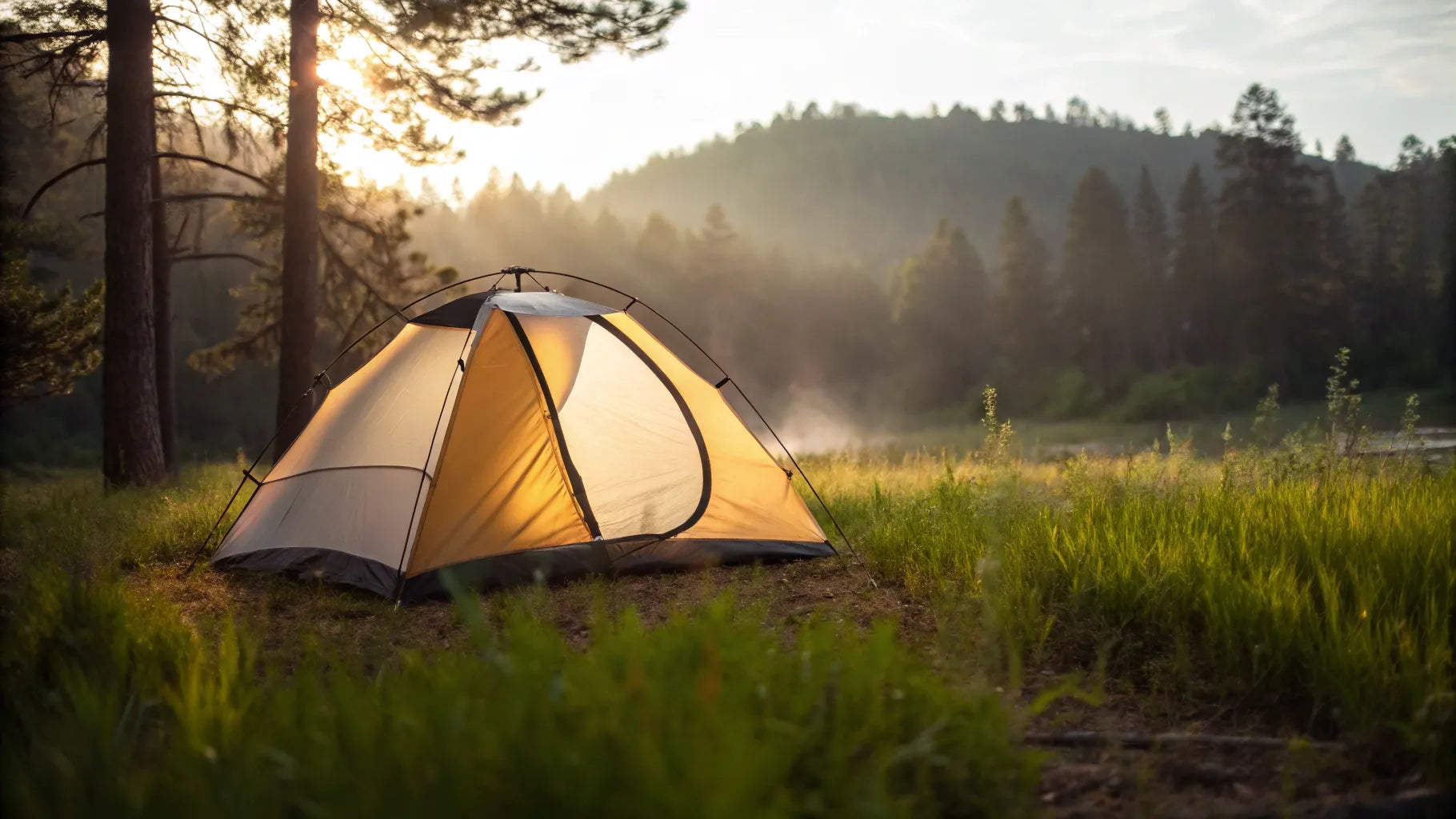
Seams and zippers are common bug entry points. Pick tents with sealed seams and tight zippers to stop bugs.
| Feature | Why It Matters |
| Sealed Seams | Prevent bugs from entering through stitched areas |
| Tightly Fitting Zippers | Stop bugs from slipping in when doors are closed |
| Double Zipper Flaps | Add extra barrier against insects |
Credit: www.battlbox.com
Set Up Camp Strategically
Setting up your tent in the right spot helps keep bugs away. Choosing the best location and preparing the area reduces insects near your camp.
Taking a few simple actions before pitching your tent can make your outdoor stay more comfortable and bug-free.
Avoid Bug-prone Areas
Steer clear of places where bugs gather. Areas near standing water, thick bushes, or tall grass attract many insects. These spots increase the chance of bugs entering your tent.
- Look for open, dry ground to set your tent
- Keep away from ponds, lakes, or slow streams
- Avoid dense shrubs and tall grass around your site
- Choose spots with good sunlight and air flow
Clear Surrounding Debris
Clear leaves, sticks, and other debris from the area around your tent. Bugs hide in this material and can crawl into your tent. Cleaning the ground creates a barrier against insects.
| Debris Type | Why Remove? |
|---|---|
| Leaves | Provide shelter for bugs and moisture |
| Sticks | Hide insects and small animals |
| Grass Clippings | Trap moisture and attract bugs |
| Trash | Draw insects with food smells |
Use Natural Repellents
Keeping bugs out of your tent makes camping more enjoyable. Natural repellents help protect you without harsh chemicals.
These repellents are safe and easy to use. They also keep the environment clean and fresh around your tent.
Essential Oils That Deter Bugs
Essential oils come from plants and smell strong. Many bugs do not like these scents and stay away.
You can mix essential oils with water and spray around your tent. It keeps mosquitoes and flies from coming close.
- Citronella oil works well against mosquitoes
- Lavender oil repels moths and fleas
- Tea tree oil keeps bugs like ants away
- Eucalyptus oil helps with flies and mosquitoes
- Peppermint oil drives away spiders and mosquitoes
Planting Bug-repellent Herbs Nearby
Plant herbs near your tent to stop bugs naturally. The smell of these plants keeps insects at bay.
Herbs are easy to grow and add green beauty to your camping spot. They work as a natural bug barrier.
- Basil repels flies and mosquitoes
- Rosemary keeps ticks and mosquitoes away
- Mint drives off mosquitoes and ants
- Marigold plants stop mosquitoes and aphids
- Lemon balm deters mosquitoes with its citrus scent
Maintain Cleanliness Inside Tent
Keeping your tent clean helps keep bugs away. Bugs are drawn to dirt and food crumbs.
A clean tent creates a safer and more comfortable space for camping.
Store Food Properly
Always store food in sealed containers. This stops bugs from smelling and reaching the food.
Use airtight plastic boxes or bags to keep food fresh and safe.
- Keep food off the tent floor
- Do not leave food open inside the tent
- Store food in coolers outside the tent if possible
Dispose Of Trash Promptly
Take out trash as soon as possible. Trash attracts many types of bugs.
Use sealed bags to hold trash and place them far from your tent.
- Empty trash bags daily
- Do not leave wrappers or food scraps inside the tent
- Keep a small trash bin with a lid inside the tent
Apply Chemical Barriers
Keeping bugs out of your tent can make camping more comfortable. Chemical barriers help stop insects from coming inside.
You can use sprays and treatments that protect your tent fabric and surrounding area from bugs.
Safe Insect Repellent Sprays
Insect repellent sprays create a barrier around your tent. They keep mosquitoes and other bugs away.
Choose sprays made with safe ingredients. These are less harmful to people and pets.
- Apply spray around the tent’s outside walls.
- Spray the ground near the tent entrance.
- Reapply after heavy rain or every few hours.
Permethrin Treatment For Tent Fabric
Permethrin is a chemical that kills and repels insects. It works well on tent fabric and gear.
Spray permethrin on the tent before your trip. Let it dry completely to avoid skin contact.
- Use permethrin spray designed for fabrics.
- Treat both inside and outside of the tent.
- Reapply every few weeks for long trips.

Credit: maggiesfarmproducts.com
Employ Physical Barriers
Keeping bugs out of your tent makes camping more comfortable. Physical barriers stop insects from entering your space. These barriers work best when used correctly.
Two effective ways to use physical barriers are using tent vestibules and screens and setting up bug nets around sleeping areas. Both help create protected zones from bugs.
Use Tent Vestibules And Screens
Tent vestibules provide a buffer zone outside the main tent area. Screens cover tent openings to block bugs while allowing air flow. Together, they keep bugs at bay.
- Always close vestibule flaps completely.
- Check screens for holes before camping.
- Use mesh with small holes to block tiny insects.
- Avoid leaving doors open for long periods.
- Secure zippers tightly after entering or exiting.
Set Up Bug Nets Around Sleeping Areas
Bug nets create a protected space around where you sleep. They keep mosquitoes and other bugs away from your body. Proper setup is important for full protection.
| Tip | Reason |
| Choose fine mesh netting | Blocks small insects effectively |
| Hang netting fully around sleeping area | No gaps for bugs to enter |
| Secure edges under sleeping pad or mattress | Prevents bugs from crawling under |
| Inspect net for holes each night | Ensures continuous protection |
Control Moisture Around Tent
Keeping moisture away from your tent helps stop bugs from coming inside. Bugs like damp places and water pools. Controlling moisture makes your tent more comfortable and pest-free.
Simple steps can reduce water around your camping area. These steps also protect your tent fabric and gear from damage caused by wetness.
Fix Water Accumulation
Check the ground around your tent for places where water collects. Fix low spots or holes to stop puddles from forming. Use small trenches or ditches to divert water away from your camping site.
- Clear leaves and debris that block water flow
- Level the ground to avoid dips where water pools
- Use gravel or sand to improve drainage if needed
- Choose a camping spot on higher ground when possible
Use Ground Tarps To Prevent Dampness
Place a ground tarp under your tent to keep moisture out. A tarp creates a barrier between the wet ground and your tent floor. This reduces dampness and keeps bugs away.
| Type of Tarp | Advantages | Notes |
|---|---|---|
| Polyethylene Tarp | Waterproof and durable | Heavy but very effective |
| Nylon Tarp | Lightweight and water-resistant | May need waterproof coating |
| Canvas Tarp | Breathable and sturdy | Absorbs water, use with caution |
Additional Tips For Night Protection
Keeping bugs out of your tent at night helps you sleep well. Nighttime bugs can be annoying and bite. Use some simple methods to reduce their presence.
These tips focus on natural and easy ways to keep insects away. They work well with other bug-prevention steps you may take.
Use Citronella Candles Or Lanterns
Citronella candles and lanterns release a scent that bugs dislike. Place them around your tent to create a bug-free zone. They are safe and easy to use for outdoor nights.
- Light candles or lanterns about 3 feet away from the tent entrance.
- Do not leave them unattended to avoid fire risks.
- Use citronella oil refills for lanterns to keep the scent strong.
- Extinguish candles before sleeping to prevent accidents.
Wear Protective Clothing
Cover your skin to block bug bites during the night. Clothing acts as a barrier between bugs and your skin. Choose light-colored and loose clothes for comfort.
| Clothing Type | Benefit | Tip |
| Long-sleeve shirts | Covers arms from bites | Wear light colors to stay cool |
| Long pants | Protects legs | Tuck pants into socks to block bugs |
| Hats with brims | Shields head and neck | Choose wide brims for full coverage |
| Closed shoes | Keeps bugs off feet | Wear thick socks for extra protection |
Frequently Asked Questions
How Can I Prevent Bugs From Entering My Tent?
To prevent bugs, always keep your tent zipped tightly. Use mesh screens and avoid leaving food inside. Applying insect repellent around the tent also helps keep bugs away effectively.
What Natural Methods Repel Bugs Near Tents?
Planting citronella, lavender, or mint near your tent can repel bugs naturally. Burning citronella candles or using essential oils also deters insects without chemicals.
Which Tent Materials Resist Insects Best?
Tents with fine mesh screens and tightly woven fabrics resist bugs best. Look for tents with built-in insect netting on doors and windows for extra protection.
Are Bug Sprays Safe To Use On Tents?
Yes, most bug sprays labeled for outdoor use are safe on tents. Always test a small area first and follow the product instructions carefully to avoid damage.
Conclusion
Keeping bugs out of your tent is simple with these tips. Seal your tent properly. Use a bug net for extra protection. Keep food stored away to avoid attracting insects. Choose your campsite wisely, away from water sources. Light a campfire to keep bugs at bay.
Remember to use insect repellent for added security. Following these steps makes your outdoor adventure more enjoyable. No more pesky bugs ruining your night. Sleep peacefully in your tent and enjoy nature. Safe camping!