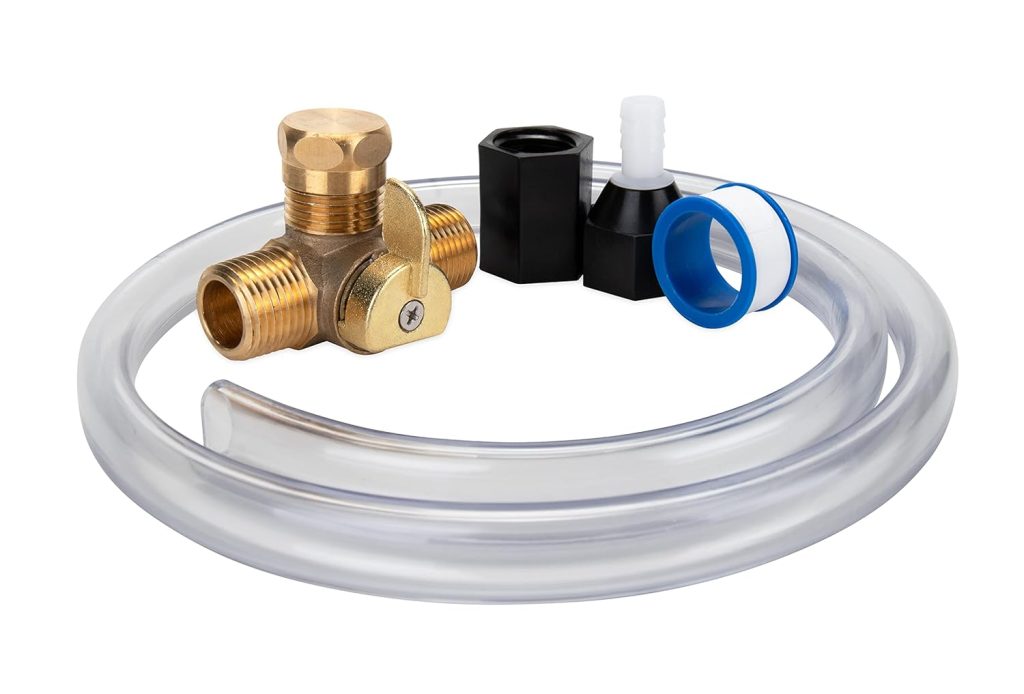
Winter can be tough on your camper, especially when it comes to frozen pipes. Imagine waking up to no water or worse, burst pipes that cause costly damage.
You don’t want that hassle, right? Keeping your camper pipes from freezing is easier than you think, and with a few simple steps, you can protect your investment and enjoy your trips worry-free. You’ll discover practical tips that anyone can follow to stop your pipes from freezing, even in the coldest weather.
Keep reading to make sure your camper stays safe and comfortable all winter long.
Credit: www.vevor.com
Causes Of Freezing Pipes
Freezing pipes can turn your cozy camper experience into a chilly nightmare. Understanding what causes pipes to freeze is key to preventing costly damage and uncomfortable disruptions. Let’s break down the main reasons why your camper’s pipes might be vulnerable to freezing.
Common Cold Spots In Campers
Some areas in your camper are naturally colder than others. Pipes located near exterior walls, under the floor, or close to vents often face lower temperatures. These spots can chill quickly because they lack proper insulation or airflow protection.
Have you ever noticed frost or condensation around certain pipes? That’s a sign these spots are prime candidates for freezing. Identifying these weak points early helps you focus your efforts where they matter most.
Impact Of Weather Conditions
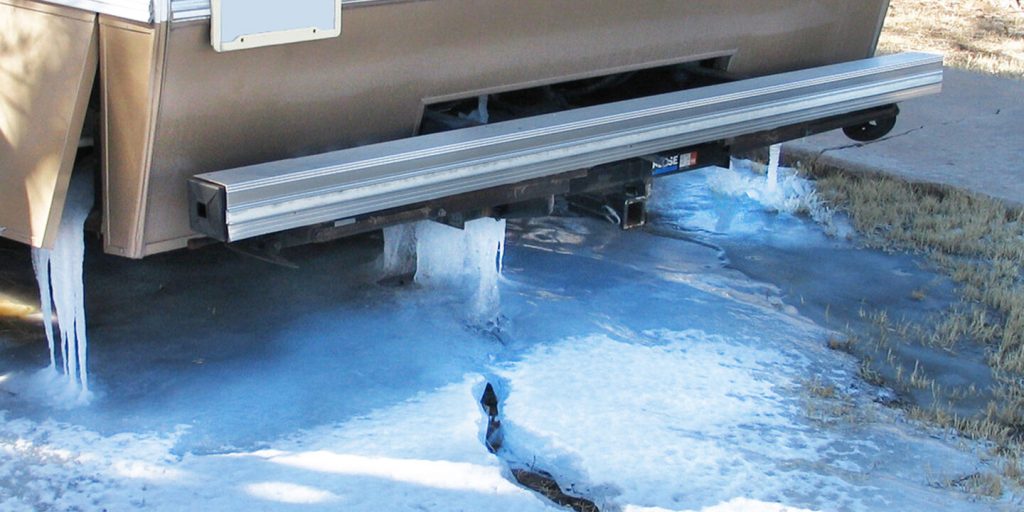
Outdoor temperatures play a huge role in pipe freezing. When the thermometer dips below freezing, exposed pipes can solidify fast, especially during sudden cold snaps. Wind chill can also strip away heat from your camper’s exterior, making pipes more vulnerable.
Think about how long your camper stays cold overnight or during a storm. Extended exposure without any heat increases the risk. Even a short period in freezing weather can cause trouble if pipes are unprotected.
Credit: www.fraserway.com
Insulation Techniques
Keeping your camper pipes from freezing is crucial for a comfortable and hassle-free trip during cold weather. Insulation techniques help maintain the temperature of your pipes and prevent costly damage. Let’s look at practical ways you can protect your plumbing with simple materials and smart solutions.
Using Foam Pipe Wraps
Foam pipe wraps are an easy and affordable way to insulate your camper pipes. These flexible tubes slip right over your pipes, creating a barrier against cold air.
They come in various thicknesses—thicker foam offers better protection. You can cut them to size and secure them with tape or zip ties. Have you checked if your local hardware store carries weather-resistant foam? Choosing the right type matters for durability.
Adding Heat Tape
Heat tape is an electric heating element that you wrap around your pipes. It warms the pipes just enough to prevent freezing without using too much power.
Many campers rely on heat tape during sub-zero nights. Make sure you install it according to the manufacturer’s instructions to avoid hazards. Have you ever felt the peace of mind knowing your pipes are actively heated when temperatures drop?
Sealing Drafts And Gaps
Even well-insulated pipes can freeze if cold drafts reach them. Sealing any cracks or openings around your pipes is essential.
Use weatherstripping, caulk, or spray foam to close gaps where cold air sneaks in. Inspect areas like cabinet doors, access panels, and vents. What small draft might you be overlooking that chills your pipes?
Heating Options
Heating cables or heat tape wrapped around camper pipes help prevent freezing during cold weather. Insulating pipes with foam sleeves keeps warmth in and cold out. Combining these heating options protects pipes effectively and ensures smooth water flow.
When camping in cold weather, keeping camper pipes from freezing is essential. Heating options are crucial to ensure your camper stays warm and functional. Here are some effective ways to maintain warmth and prevent freezing.Portable Heaters
Portable heaters provide a quick and easy heating solution. They are compact and efficient. Choose a heater that suits your camper’s size. Ensure it has safety features like automatic shut-off. Electric heaters are popular for indoor use. They are safe and produce no fumes. Propane heaters are another option. They provide more heat and are great for larger spaces. Always ensure proper ventilation when using propane heaters.Heated Water Tanks
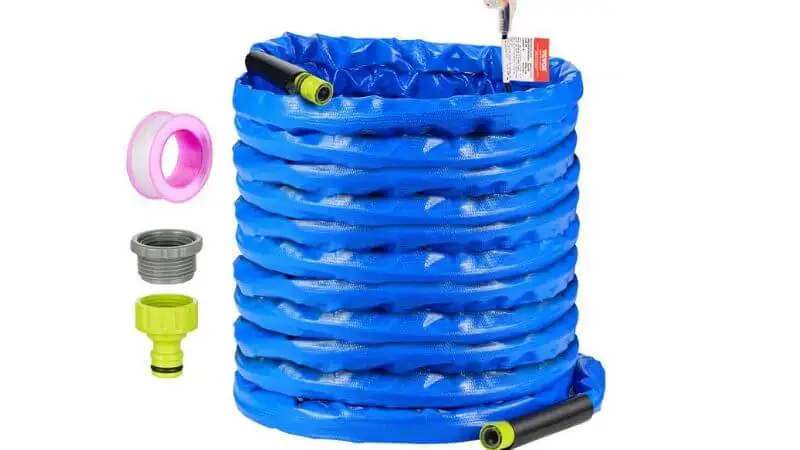
Heated water tanks prevent water from freezing. These tanks come with built-in heating elements. They keep the water warm even in freezing temperatures. Many models offer adjustable temperature settings. This ensures optimal warmth. Insulate your water tank for added protection. This reduces heat loss and energy consumption. Heated water hoses are also useful. They keep the water flowing even in extreme cold.Maintaining Interior Warmth
Maintaining interior warmth is vital for comfort. Insulate windows and doors to keep the heat in. Thermal curtains are effective for windows. They block cold air and retain warmth. Seal any gaps around doors and windows. Use weatherstripping for a better seal. Rugs and carpets add insulation to the floor. They keep the interior cozy and warm. Regularly check and maintain your heating system. This ensures it operates efficiently and effectively.Water Management Tips
Water management plays a key role in preventing camper pipes from freezing. Proper handling of water in your camper ensures pipes stay clear of ice damage. Simple actions can save costly repairs and keep your camper ready for use.
Focus on removing water from pipes and using safe liquids. Also, maintaining water flow helps stop freezing in cold weather. These tips will help you protect your camper’s plumbing system.
Draining Water Lines
Drain all water from your camper’s pipes before cold weather hits. Empty tanks, pipes, and faucets fully to avoid trapped water freezing inside.
- Open all faucets to let water flow out.
- Use a water pump to remove water from pipes.
- Drain the fresh water, gray water, and black water tanks.
- Blow out water lines with compressed air for extra dryness.
Complete draining reduces the chance of ice forming and cracking pipes.
Using Antifreeze Safely
Use RV-safe antifreeze to protect pipes and tanks from freezing. Regular automotive antifreeze is toxic and must never enter your water system.
- Pour non-toxic antifreeze into drains, toilets, and traps.
- Run antifreeze through the water lines to coat the interior.
- Follow manufacturer instructions for the correct amount.
- Never drink water with antifreeze in the system.
Antifreeze acts as a barrier against freezing temperatures inside pipes.
Keeping Water Moving
Moving water resists freezing better than still water. Keep water flowing through pipes during very cold nights.
- Leave a faucet slightly open to allow a slow drip.
- Use a small pump to circulate water if possible.
- Turn on heat tape or pipe heating cables around pipes.
Constant movement and warmth prevent ice buildup and pipe bursts.
Monitoring And Maintenance
Keeping camper pipes from freezing needs constant attention. Monitoring and maintenance are key to prevent costly damage. Checking pipes regularly helps spot issues early. Reacting fast stops freezing problems before they grow.
Regular Pipe Inspections
Look over all visible pipes every few days during cold weather. Check for cracks, leaks, or frost buildup. Pay close attention to areas near windows and doors. Inspect pipe joints carefully for any signs of moisture. Early detection saves money and hassle later.
Emergency Freeze Prevention
Prepare for sudden temperature drops with quick actions. Keep a heat source nearby for pipes in danger. Use heat tape or portable heaters safely to warm vulnerable spots. Open cabinet doors to let warm air circulate around pipes. Drain water from pipes if freezing is expected.
Tools For Temperature Monitoring
Use simple tools to track pipe temperature effectively. Digital thermometers or temperature sensors work well. Install temperature alarms that notify you if it gets too cold. Smartphone apps can help monitor sensor data remotely. Regular readings help you act before pipes freeze.

Credit: www.amazon.com
Frequently Asked Questions
How Do I Prevent Camper Pipes From Freezing?
To prevent freezing, insulate pipes with foam sleeves or heat tape. Keep your camper heated and drain water lines when not in use. These steps protect pipes from cold damage during winter.
What Materials Work Best For Camper Pipe Insulation?
Foam pipe insulation and heat tape are highly effective. They retain heat and prevent ice buildup. Use weather-resistant materials to ensure durability in cold conditions.
Can I Use Antifreeze To Protect Camper Pipes?
Yes, non-toxic RV antifreeze can be added to water systems. It lowers freezing points, protecting pipes and tanks from freezing damage. Always use RV-specific antifreeze for safety.
When Should I Winterize My Camper Pipes?
Winterize pipes before temperatures drop below freezing, usually in late fall. Early preparation helps avoid costly repairs and ensures your camper is ready for winter storage.
Conclusion
Keeping camper pipes from freezing takes simple, steady care. Use insulation and heat sources to protect pipes well. Check pipes often during cold nights and early mornings. Small steps prevent big problems and costly repairs. Stay prepared before cold weather hits your camper.
Enjoy your trips without worrying about frozen pipes. A little effort keeps water flowing and your camper cozy. Easy habits make winter camping safer and more fun.