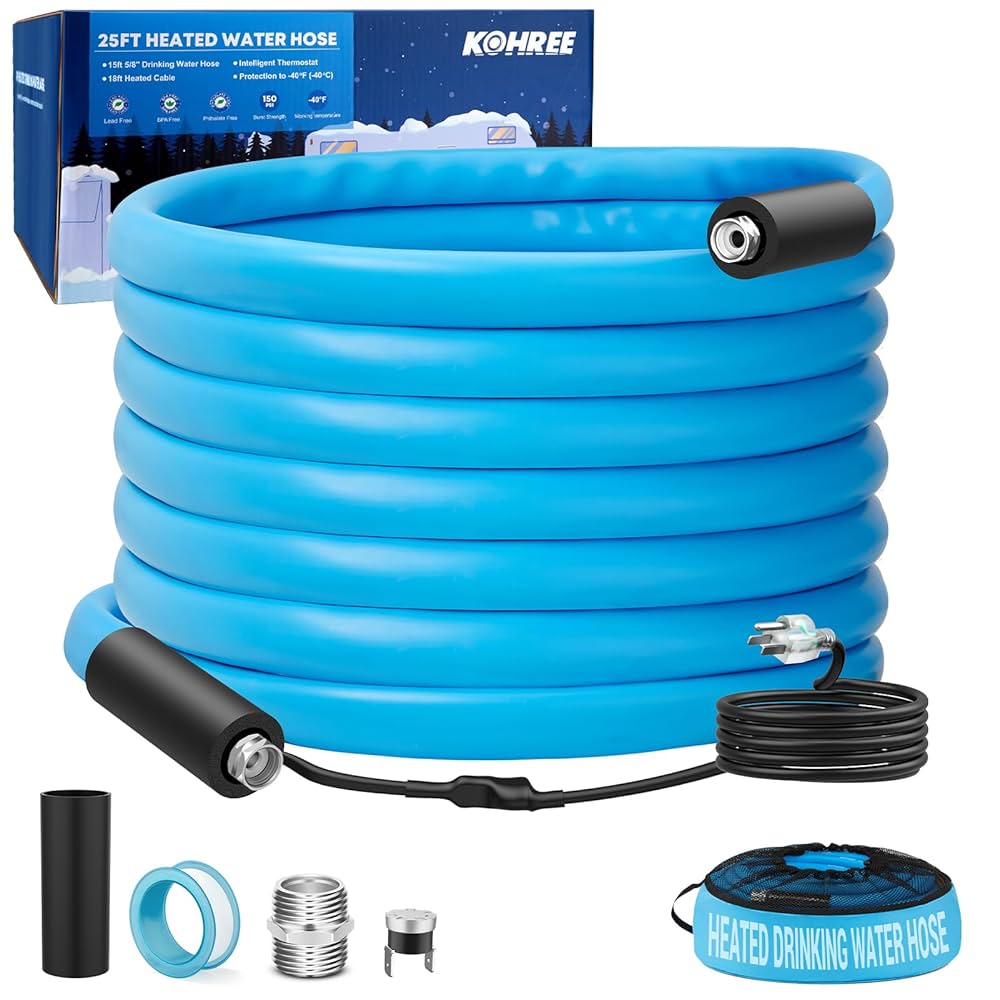
Winter camping in your camper can be an unforgettable adventure, but it also brings unique challenges—chief among them, keeping your water from freezing. Imagine waking up to a frosty morning only to find that your water supply has turned into a solid block of ice.
Not exactly the cozy winter experience you were hoping for, right? This is a common hurdle that many campers face, but the good news is that with some smart strategies, you can prevent this chilly inconvenience. You’ve invested in your camper for the freedom and flexibility it offers, and you deserve to enjoy it all year round without the worry of frozen water tanks.
In this guide, you’ll discover practical, easy-to-implement tips that will help you keep your camper’s water system flowing smoothly even in the coldest temperatures. So, if you’re ready to transform your winter camping experience from a frosty frustration into a warm and worry-free escape, read on!
Credit: www.happycampers.store
Causes Of Water Freezing In Campers
Understanding why water freezes in your camper is the first step to preventing it. Water freezing doesn’t just happen randomly; it’s influenced by specific conditions and weaknesses in your camper’s design. Knowing these causes helps you protect your water system effectively, especially during cold weather trips.
Impact Of Cold Temperatures
Cold temperatures cause water molecules to slow down and form ice crystals. When the temperature drops below 32°F (0°C), water inside your camper’s pipes and tanks is at risk of freezing.
Even a slight dip below freezing can cause pipes to burst or water tanks to crack. Have you ever noticed how quickly a chilly night can turn your water supply into a solid block? That’s the direct effect of cold air seeping into your camper.
Wind chill can make things worse by rapidly lowering the temperature around your pipes. This means even if the air inside your camper feels warm, exposed areas might still freeze.
Common Vulnerable Areas
Not all parts of your camper are equally protected from freezing. Some areas are more exposed and prone to ice formation, which can catch you by surprise.
- Water lines under the camper:These are often uninsulated and directly exposed to cold ground temperatures.
- Water tanks:Especially external or partially insulated tanks are vulnerable to freezing overnight.
- Faucets and outdoor showers:These can freeze quickly since they are exposed to the open air.
- Water pumps:Located near the floor or under the camper, these can freeze if not insulated.
Identifying these weak spots in your own camper is crucial. Have you checked where cold air can sneak in or where insulation is thin? Targeting these areas can save you from a lot of trouble on your next cold-weather trip.
Credit: www.vevor.com
Insulation Techniques
Keeping camper water from freezing is essential for winter camping comfort. Insulation techniques help protect pipes and tanks. They reduce heat loss and block cold air. Proper insulation keeps water flowing and prevents damage.
Using Pipe Insulation
Pipe insulation wraps around water pipes to keep them warm. Foam or rubber sleeves fit snugly over pipes. They stop cold air from touching the water inside. Insulation also lowers the risk of cracks caused by freezing. Choose insulation that fits your pipe size well.
Adding Heat Tape
Heat tape is a flexible electric wire that warms pipes. Wrap it around water lines, then plug it in. Heat tape keeps pipes just warm enough to avoid freezing. Many types come with built-in thermostats to control temperature. Follow the manufacturer’s instructions for safe use.
Sealing Drafts And Gaps
Cold air entering through gaps can freeze water pipes quickly. Seal cracks around windows, doors, and vents near water lines. Use weatherstripping or caulk to close openings. Cover larger holes with foam or insulation panels. Stopping drafts keeps the camper warmer and pipes safe.
Heating Solutions
Heating solutions are essential to stop camper water from freezing in cold weather. They provide warmth to water tanks and pipes, keeping water flowing smoothly. Using the right heating tools saves you from frozen pipes and inconvenience during your camping trips.
Portable Heaters
Portable heaters offer flexible warmth for camper water systems. These compact devices are easy to move and use inside your camper. Place them near water tanks or pipes to keep the area warm.
- Electric or propane models available
- Safe for indoor use with proper ventilation
- Quickly raises the temperature around water storage
Tank Heating Pads
Tank heating pads wrap around water tanks to prevent freezing. They use low voltage power to gently warm the tank’s surface. These pads are energy-efficient and simple to install.
- Attach easily with adhesive backing
- Maintain steady heat without overheating
- Ideal for long-term protection in cold climates
Maintaining Consistent Heat
Consistent heat stops water from freezing even in very cold nights. Use thermostats or timers to control heating devices. This approach saves energy and protects water systems reliably.
- Set heaters to turn on before temperatures drop
- Monitor water temperature regularly
- Combine heating pads and portable heaters for best results
Water System Management
Managing your camper’s water system is key to preventing frozen pipes and tanks. Proper care keeps water flowing and avoids costly damage. Simple steps can protect your system during cold weather. Understanding how to handle water lines, antifreeze, and water flow helps maintain your camper’s comfort and safety.
Draining Water Lines
Draining water lines removes water that can freeze and expand. Open all faucets and let water flow out. Don’t forget low points and the water heater drain valve. Use a hand pump or compressor to blow out remaining water. This step reduces the risk of frozen pipes and cracks.
Using Antifreeze Safely
RV antifreeze is made for water systems and is safe for plumbing. Use only non-toxic, propylene glycol antifreeze to avoid harm. Pour antifreeze into drains, toilets, and water tanks after draining. This creates a barrier that stops freezing inside pipes. Avoid using automotive antifreeze as it is poisonous and unsafe.
Regular Water Flow Tips
Running water regularly helps prevent freezing. Keep faucets dripping slowly during cold nights. This small flow stops ice from forming inside pipes. Use a timer to control water flow if needed. Also, insulate exposed pipes to keep the water warmer longer.
Storage And Preparation
Proper storage and preparation are key to stopping your camper’s water from freezing. Taking the right steps before the cold hits can save you from frozen pipes, leaks, and inconvenient water shortages. Here’s how to get your camper’s water system ready for winter weather.
Choosing The Right Location
Where you park your camper makes a big difference. Try to find a spot that gets plenty of sunlight during the day, as natural warmth helps keep water lines from freezing.
Avoid low-lying areas where cold air settles or spots exposed to strong winds. If possible, park near a building or natural windbreak to reduce the chill.
Have you noticed how some campers always seem to freeze while others don’t? Location plays a huge role in that.
Winterizing Your Water System
Winterizing goes beyond just draining your water tanks. You need to flush out all water from pipes, water heaters, and pumps to prevent leftover water from freezing and causing damage.
Use non-toxic RV antifreeze to fill your water system. It’s designed to protect your pipes without harming your plumbing or the environment.
Also, consider insulating exposed pipes with foam sleeves or heat tape. These small additions can make a big difference when temperatures drop.
- Drain the fresh water tank completely.
- Flush the system with antifreeze using the water pump.
- Insulate any pipes that are outside or under the camper.
- Check seals around windows and doors to keep cold air out.
Have you tried winterizing your camper before? The effort you put in now will pay off with no frozen pipes to worry about later.
Emergency Measures
When your camper water system freezes unexpectedly, quick action is crucial. Emergency measures can save your pipes from bursting and your water supply from becoming unusable. Knowing how to react immediately can prevent costly repairs and keep your trip on track.
Thawing Frozen Pipes
First, identify which pipes are frozen by feeling for cold spots or looking for frost on the exterior. Use a hairdryer or a portable heat gun on a low setting to gently warm the frozen sections. Never use an open flame, as it risks damaging pipes or causing a fire.
If you can’t reach the pipes directly, try placing a warm towel around the area or use a space heater nearby. Open nearby faucets to allow water to flow as the ice melts, which helps speed up thawing. Have patience—rushing can cause pipes to crack under pressure.
Preventing Damage After Freezing
Once pipes start thawing, check for leaks immediately. Even a small crack can lead to serious water damage inside your camper. Turn off your water supply if you notice any drips or puddles forming.
Drain your water system completely to avoid refreezing, especially if temperatures stay low. You might also want to add antifreeze made specifically for RV systems to protect your plumbing overnight. Have you ever considered how a small leak could turn your cozy camper into a waterlogged mess?
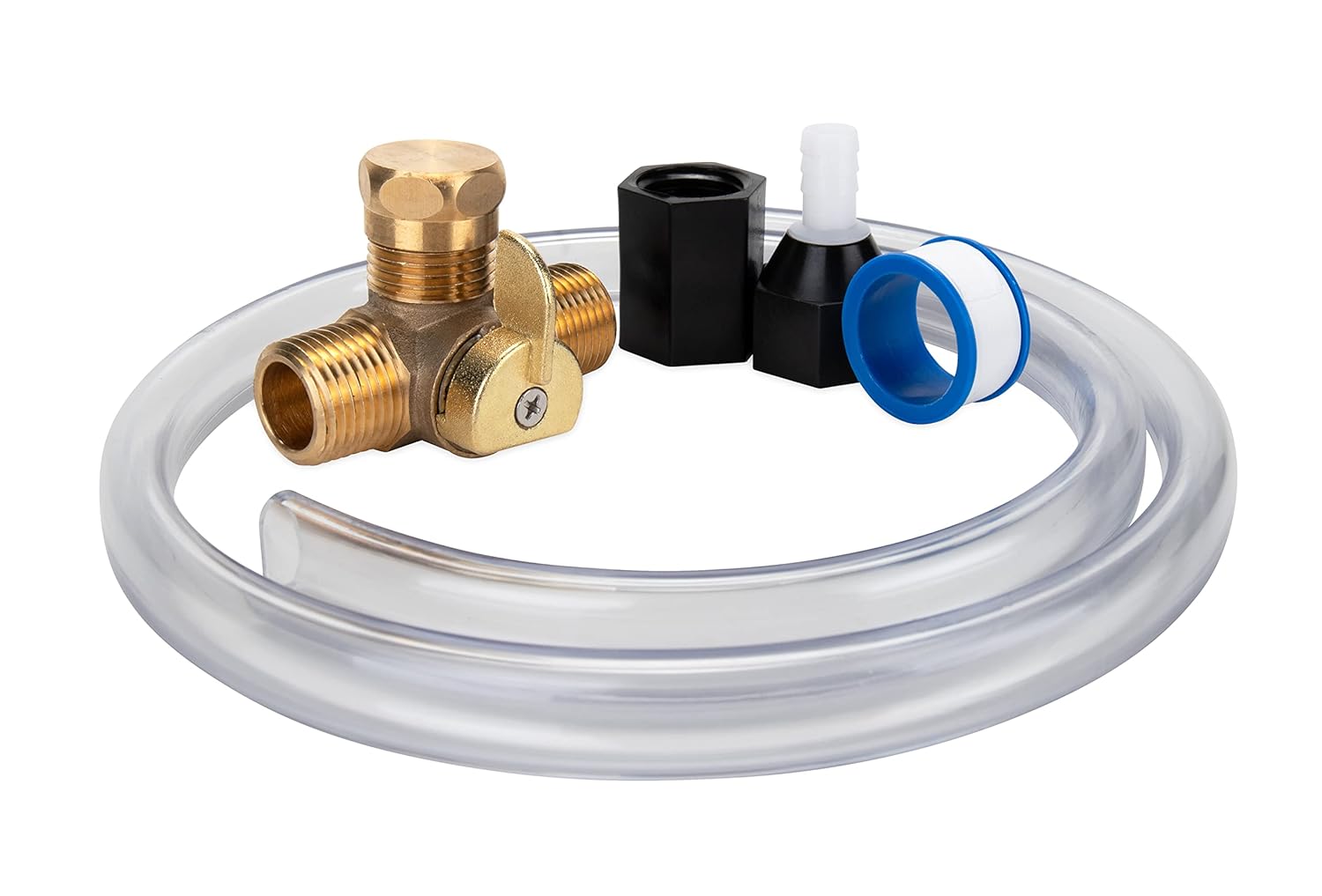
- Keep an emergency plumbing kit handy, including pipe tape and clamps.
- Regularly inspect your pipes for signs of wear or damage after freezing events.
- Consider installing pipe insulation or heat tape for long-term protection.
Credit: bexcodeservices.com
Frequently Asked Questions
How Can I Prevent Camper Water From Freezing In Winter?
Use insulated hoses and heat tape to protect water lines. Keep water tanks full to reduce freezing risk. Store your camper in a heated area if possible. Drain unnecessary water lines and use RV antifreeze for added protection.
What Are The Best Materials To Insulate Camper Water Tanks?
Foam board insulation and thermal blankets work well. Reflective insulation helps retain heat inside tanks. Use pipe insulation sleeves for exposed water lines. Proper insulation keeps water temperature above freezing longer.
Is Using Heated Water Hoses Effective Against Freezing?
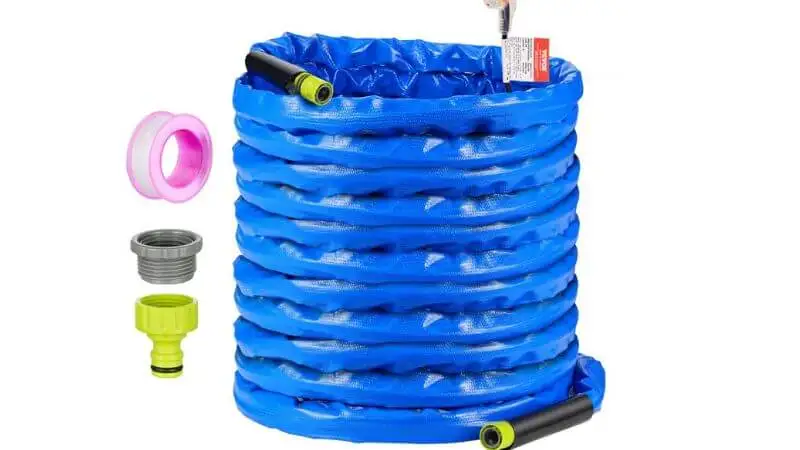
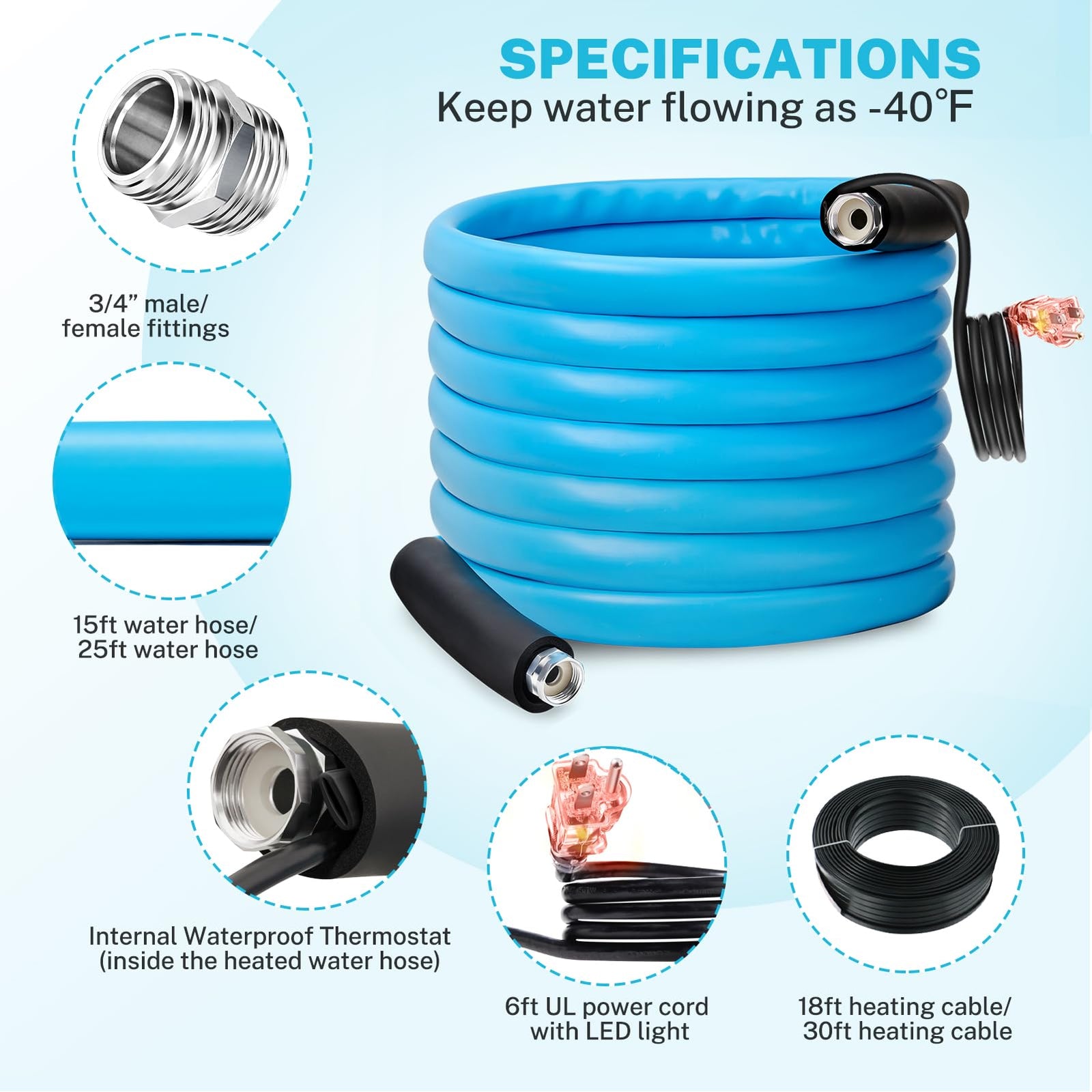
Yes, heated hoses maintain water flow and temperature. They plug into a power source to provide warmth. Heated hoses prevent ice blockages during cold weather. Always follow manufacturer instructions for safe use.
Can I Use Antifreeze To Keep Camper Water From Freezing?
Yes, non-toxic RV antifreeze is safe for water systems. It prevents freezing in pipes and tanks during storage. Use antifreeze only in waste and drain lines, not drinking water tanks. Flush the system before use.
Conclusion
Keeping your camper water from freezing helps avoid damage and keeps you safe. Use insulation and heat sources to protect pipes and tanks. Check your water system often during cold weather. Simple steps can save you money and stress. Stay prepared and enjoy your camping trips, no matter the season.
Don’t let freezing water stop your adventure. Stay warm, stay safe, and keep your camper water flowing.