Are you tired of finding your carefully planted garden beds turned into a playground for neighborhood cats? You’re not alone.
Cats love raised garden beds for digging, lounging, and sometimes, leaving unwanted surprises. But don’t worry—there are simple and effective ways to keep your garden safe without harming the cats. You’ll discover easy tips you can start using today to protect your plants and enjoy your garden without frustration.
Keep reading to find out how to keep cats out of your raised garden beds for good.

Credit: www.youtube.com
Why Cats Enter Garden Beds
Cats often visit raised garden beds for many reasons. Understanding why they do can help stop them.
Garden beds offer a special place that attracts cats. Knowing what draws them is the first step.
Attraction To Soil And Plants
Cats like soft, loose soil because it feels good to dig and lie in. Raised beds often have fresh soil.
Some plants also attract cats. Catnip and valerian are well-known favorites, but others might pique their interest too.
- Soft soil makes digging easy and fun for cats
- Plants like catnip draw cats to the garden
- Freshly turned soil smells interesting to cats
Seeking Shelter And Comfort
Cats look for quiet, safe places to rest. Raised beds offer shelter from wind and sun.
The garden bed’s edges give cats a cozy spot to hide and watch their surroundings.
- Raised beds protect cats from wind and rain
- They offer shade on hot days
- Edges provide hiding spots for safety
Marking Territory
Cats mark places to show other cats this area belongs to them. Garden beds are good spots for this.
They may scratch the soil or leave scent marks to claim the space.
- Scratching soil leaves visual marks
- Scent marking warns other cats to stay away
- Raised beds are easy to mark because they are small areas

Credit: frameitall.com
Physical Barriers To Protect Beds
Cats often dig in raised garden beds, which can harm plants. Using physical barriers helps keep cats away. These barriers create a safe space for your plants.
Below are three ways to use physical barriers to protect your raised garden beds from cats.
Using Fencing And Netting
Fencing or netting around your raised bed stops cats from jumping or digging inside. Choose materials that are sturdy and small enough to block cats.
- Use chicken wire or hardware cloth for strong fencing
- Attach netting above the bed to prevent cats from jumping in
- Make sure fences are at least 2 feet high
- Check for gaps where cats could squeeze through
Adding Decorative Stones Or Mulch
Cover the soil surface with rough stones or mulch. Cats dislike walking on rough textures and avoid digging in these materials.
| Material | Advantages | Notes |
| Decorative Stones | Durable and rough surface | Use small to medium-sized stones |
| Wood Mulch | Natural look and easy to add | Replace regularly to keep fresh texture |
| Pine Needles | Lightweight and sharp texture | Good for acid-loving plants |
Installing Raised Bed Covers
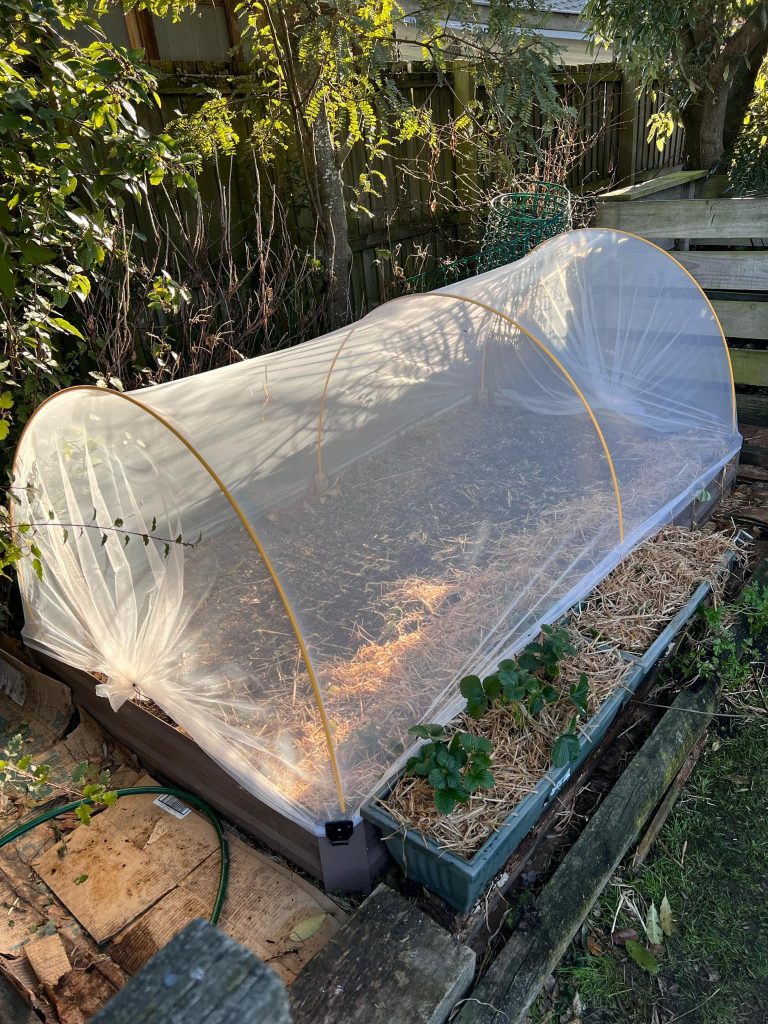
Covers provide full protection from cats. You can use wire mesh or plastic lids that fit over the bed frame.
- Choose covers that allow sunlight and rain through
- Make covers easy to remove for gardening
- Secure covers tightly to stop cats from lifting them
- Consider using hinged covers for convenience
Natural Repellents For Cats
Keeping cats away from raised garden beds can protect your plants. Natural repellents offer safe and gentle ways to discourage cats.
These methods use smells and plants that cats dislike. They do not harm cats or your garden.
Scent-based Solutions
Cats dislike certain strong smells. Using these scents around your garden can keep cats away. Try placing items with these smells near your raised beds.
- Citrus peels like orange or lemon
- Vinegar sprayed around the edges
- Strong herbs such as rue or lavender
- Coffee grounds scattered on soil
Planting Cat-repellent Herbs
Some herbs naturally repel cats. Plant these herbs near your raised garden beds to keep cats at a distance. They also add beauty and aroma to your garden.
| Herb | Effect on Cats |
| Lavender | Strong scent cats dislike |
| Rosemary | Repels cats with sharp smell |
| Rue | Unpleasant odor for cats |
| Citronella | Natural insect and cat repellent |
Homemade Spray Recipes
Making your own sprays is easy and affordable. Use natural ingredients to create sprays that cats avoid. Spray the mixture around your garden beds regularly.
- Mix one cup of water with two tablespoons of vinegar.
- Add ten drops of citronella or eucalyptus oil.
- Pour into a spray bottle and shake well.
- Spray around your raised garden beds every few days.

Credit: www.reddit.com
Behavioral Deterrents
Cats often dig in raised garden beds. This can harm your plants and soil. Behavioral deterrents help stop cats without hurting them.
These deterrents change cat behavior by using harmless stimuli. They make garden beds less attractive for cats.
Motion-activated Devices
Motion-activated devices detect when cats come near. They trigger a response to scare cats away. This teaches cats to avoid your garden.
Common devices include lights or sounds that turn on suddenly. Cats dislike sudden changes and will leave the area.
- Detects movement within a set range
- Activates light, sound, or other alert
- Non-harmful and safe for pets
- Needs battery or power source
Water Sprayers
Water sprayers use a quick spray to startle cats. They turn on when motion is detected near the garden bed. Cats dislike getting wet and avoid the area.
This method is safe and effective. It does not harm cats but creates an unpleasant experience to keep them away.
- Triggered by motion sensors
- Sprays a short burst of water
- Uses water, no chemicals involved
- Requires regular refilling
Ultrasonic Repellents
Ultrasonic repellents emit high-frequency sounds. These sounds are unpleasant to cats but inaudible to humans. The noise discourages cats from entering garden beds.
These devices are quiet and do not disturb neighbors. They work best in small to medium garden areas.
- Emits sound only cats can hear
- Activated by motion or continuous
- Safe and humane
- Needs power source or batteries
Creating Alternative Spaces For Cats
Cats often dig and rest in garden beds, which can harm your plants. Creating special areas for cats helps keep them away from raised beds. These spaces give cats a place to play and relax.
Providing alternative spots for cats can reduce their interest in your garden. You can use simple ideas to design spaces that cats enjoy and avoid your plants.
Designing Cat-friendly Areas
Set up a small area with soft soil or sand where cats can dig. Add some shade and cozy spots for cats to rest. This helps cats feel comfortable outside your garden beds.
Place toys or scratching posts to keep cats entertained. Cats like having their own space that feels safe and fun.
- Use soft soil or sand for digging
- Add shaded resting spots
- Include toys or scratching posts
- Keep the area clean and fresh
Providing Litter Zones Away From Beds
Create litter zones far from your raised garden beds. Cats prefer using a clean, quiet place for their bathroom needs. Placing litter areas away stops cats from using your plants.
Use sand or soft soil in these spots to attract cats. Keep the area tidy and replace the soil or litter often to encourage use.
- Choose quiet, private spots
- Use soft soil or sand
- Clean regularly to keep fresh
- Place water nearby for comfort
Using Catnip Or Cat Grass
Plant catnip or cat grass in the cat-friendly area. Cats are attracted to these plants and enjoy chewing them. This draws cats away from your garden beds.
Catnip helps cats relax and play near their space. Cat grass supports their digestion and stops them from eating your vegetables.
- Grow catnip for play and relaxation
- Plant cat grass for healthy chewing
- Place these plants in the cat area only
- Keep your garden beds free of these plants
Maintenance Tips To Keep Cats Away
Keeping cats out of raised garden beds requires regular attention. Consistent maintenance helps protect your plants and keeps your garden clean.
These tips will guide you in maintaining a cat-free garden. Follow them to ensure your plants grow without feline interference.
Regular Cleaning And Inspection
Check your garden often to spot signs of cats. Look for paw prints or dug-up soil.
Clean the area regularly to remove any cat-related messes. A tidy garden is less inviting to cats.
- Remove fallen leaves and debris
- Fix any damage to plants or soil
- Check for holes or entry points
Removing Attractants
Cats are drawn to certain smells or items. Identify and remove these attractants from your garden.
Keep your garden free of food scraps and strong scents. This makes it less appealing to cats.
- Seal trash bins tightly
- Avoid using fish-based fertilizers
- Remove toys or items that interest cats
Consistent Deterrent Application
Use deterrents to keep cats away from your garden beds. Apply these regularly for best results.
Natural options like citrus peels or coffee grounds work well. Reapply them after rain or watering.
- Use motion-activated sprinklers
- Place prickly plants around the edges
- Install garden mesh or netting
Frequently Asked Questions
How Can I Naturally Deter Cats From Garden Beds?
Using natural deterrents like citrus peels, coffee grounds, or vinegar sprays can keep cats away. These scents are unpleasant to cats but safe for plants and soil.
What Barriers Effectively Keep Cats Out Of Raised Beds?
Physical barriers like chicken wire or garden fencing prevent cats from entering. Raised beds with mesh covers also stop cats from digging or walking inside.
Are Commercial Cat Repellents Safe For Garden Plants?
Yes, many commercial repellents are plant-safe and non-toxic. Always check product labels to ensure they won’t harm your garden or pets.
Can Plants Repel Cats From Garden Areas?
Yes, plants like lavender, rosemary, and rue naturally repel cats. Planting these around raised beds can reduce cat visits without chemicals.
Conclusion
Keeping cats out of raised garden beds takes patience and care. Simple barriers like fences or netting can help a lot. Scents that cats dislike also work well to keep them away. Regularly checking your garden helps catch problems early.
Protect your plants without harming the cats. Small efforts make a big difference over time. Your garden will stay safe and healthy. Enjoy growing your plants without unwanted visitors. Try different methods until you find what works best. Gardening can stay peaceful for both you and your cats.