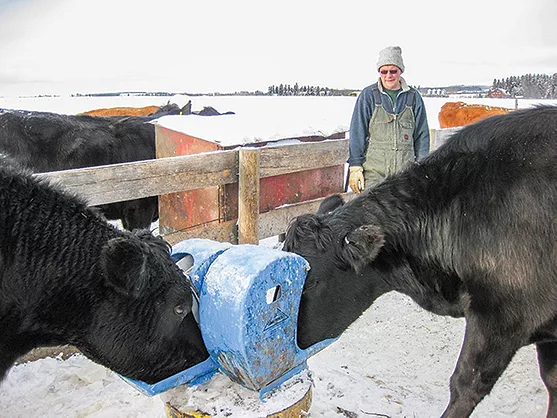
Are you tired of dealing with frozen cattle water during the harsh winter months? Imagine waking up to find your cattle thirsty and the water troughs solid ice.
It’s a common struggle for many livestock owners, but there’s good news. By understanding a few simple tricks, you can keep your cattle’s water flowing, even when temperatures plummet. This not only ensures your animals remain hydrated but also saves you time and stress.
Dive into this guide to discover practical solutions that will keep your cattle’s water from freezing, ensuring their health and your peace of mind.
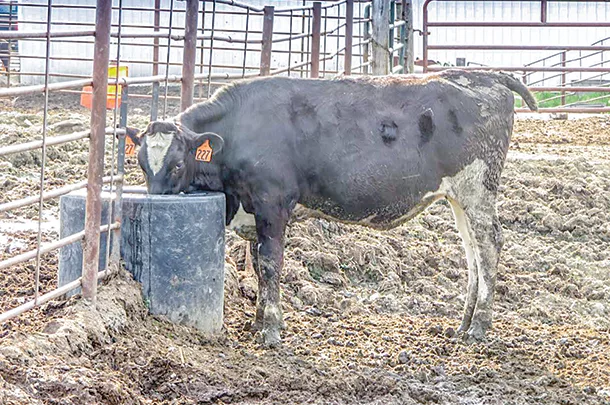
Credit: www.agproud.com
Causes Of Water Freezing In Winter
Water freezing in winter is a common challenge for cattle farmers. Understanding why water freezes helps prevent it. Several factors cause water to freeze, affecting cattle health and water availability. Recognizing these causes is the first step to keeping water thawed and drinkable during cold months.
Temperature Effects On Water
Water freezes at 32°F (0°C). When air temperature drops below this point, water turns to ice quickly. Cold nights and freezing winds speed up the process. The colder it gets, the faster water freezes. Even slight temperature drops can start freezing water surfaces.
Environmental Factors
Wind removes heat from water, making it freeze faster. Open areas with no shelter expose water to cold air and wind. Shade from trees or buildings can slow freezing by blocking cold winds. Snow cover insulates water but can also block sunlight, reducing warmth. Sunlight helps keep water warmer during the day.
Water Container Materials
Material affects how fast water freezes. Metal containers lose heat quickly, causing water to freeze faster. Plastic or rubber tanks hold heat better and slow freezing. Dark-colored containers absorb sunlight and keep water warmer. Lighter colors reflect light and stay cooler.
Credit: www.canadiancattlemen.ca
Choosing The Right Water Source
Choosing the right water source is crucial to keep cattle water from freezing. The water source affects how easily cattle can drink and how much effort is needed to keep it ice-free. Picking the best option helps maintain healthy cattle and reduces labor in winter. Various options exist, each with benefits and challenges.
Natural Vs. Artificial Sources
Natural water sources include ponds, streams, and springs. They provide a steady supply but often freeze in cold weather. Ice on natural sources can be thick and hard to break.
Artificial sources like tanks and troughs offer control over water quality and temperature. They are easier to manage but may need extra care to prevent freezing. Choosing between natural and artificial depends on your land and resources.
Benefits Of Moving Water
Water that moves resists freezing better than still water. Streams or pumps can keep water flowing. Moving water breaks up ice and reduces the chance of solid ice layers.
Using a small pump or aerator can keep water circulating. This method lowers the chance of frozen water and helps cattle drink easier.
Using Heated Water Troughs
Heated water troughs keep water above freezing. They use electricity or solar power to warm the water gently. These troughs need safe installation and regular checks.
Heated troughs save time breaking ice and keep cattle hydrated. They are a reliable choice in very cold climates or during harsh winters.
Simple Methods To Prevent Freezing
Keeping cattle water from freezing is vital during cold months. Simple methods can keep water accessible and safe. These techniques help maintain water temperature above freezing. They require little effort and low cost. Here are easy ways to protect water from ice.
Insulating Water Containers
Insulation keeps water warmer by slowing heat loss. Wrap containers with foam or straw to trap heat. Use old blankets or bubble wrap around tanks. Insulating covers reduce freezing risk, especially at night. This method works well for plastic and metal containers.
Adding Floating Objects
Floating objects stop ice from forming on the surface. Place a ball or small float in the water container. Movement from animals or wind breaks ice layers. This simple trick keeps a hole open for drinking. Use durable items that won’t harm the cattle.
Using Dark-colored Containers
Dark colors absorb sunlight and increase water warmth. Choose black or dark green tanks for winter water. Sunlight heats the water faster than light-colored containers. This method works best on sunny days. It helps reduce freezing without extra tools or energy.
Heating Solutions For Water Troughs
Keeping your cattle’s water from freezing is crucial during cold months. Heating solutions for water troughs offer reliable ways to ensure your livestock always has access to fresh, liquid water. These options vary in energy sources and installation needs, giving you flexibility depending on your farm’s setup and budget.
Electric Heaters
Electric heaters are a popular choice for keeping water troughs ice-free. They plug into a standard outlet and gently warm the water without boiling it, which is perfect for cattle. Many farmers appreciate how quickly these heaters prevent ice buildup, saving time and effort in the winter.
Some models come with thermostats that turn on only when temperatures drop below freezing, helping you save on electricity. Have you considered how much energy your farm can afford to use? Choosing an energy-efficient model can reduce costs while protecting your herd.
Solar-powered Options
Solar-powered water heaters are an eco-friendly alternative that work well in sunny climates. These systems use solar panels to charge batteries that power the heating element, making them independent of the grid. This means you won’t have to worry about power outages during storms.
Solar options require a bit more upfront investment but can pay off in the long run through lower operating costs. If your farm has good sun exposure, this might be the perfect sustainable solution for you. Are you ready to invest in a system that reduces your carbon footprint while keeping water liquid?
Safe Installation Tips
Proper installation is key to making any heating solution work safely around livestock. Always secure heaters firmly to prevent animals from knocking them over or damaging the equipment. Make sure cords are out of reach or protected with conduit to avoid chewing hazards.
Check that electrical connections are waterproof and rated for outdoor use to prevent shocks or short circuits. Regularly inspect your setup, especially after harsh weather, to ensure everything remains functional and safe. What safety measures can you put in place today to protect both your animals and your equipment?
Maintaining Water Quality In Cold Weather
Maintaining water quality during cold weather is crucial for keeping your cattle healthy and hydrated. Frozen water isn’t just inconvenient—it can lead to dehydration and stress, affecting your herd’s overall well-being. Ensuring clean, fresh water throughout winter means paying attention to more than just thawing; it’s about managing how the water stays usable and safe under freezing conditions.
Regular Cleaning Practices
Cleaning your water troughs frequently prevents buildup of algae, dirt, and bacteria that can worsen in cold weather. Ice and snow can trap contaminants, so scrubbing surfaces and rinsing away debris helps keep water fresh. You might find that cleaning once a week during winter is necessary to avoid harmful sludge and maintain taste quality for your cattle.
Preventing Contamination
Snow, leaves, and manure can easily fall into water sources, especially when ice starts to break up. Covering troughs or using heated water tanks reduces the chance of contamination. Think about installing mesh covers or barriers that keep unwanted materials out but still allow easy access for your cattle.
Monitoring Water Levels
Low water levels freeze faster and concentrate contaminants, making it harder for your cattle to drink. Check water supplies multiple times a day during extreme cold to keep them topped up. If you notice rapid freezing, consider adding insulated containers or float valves that refill automatically to maintain steady water availability.
Emergency Tips For Extreme Cold
Extreme cold can strike suddenly, leaving your cattle without access to water if it freezes solid. Acting fast with practical emergency measures can save your animals from dehydration and stress. Here are some straightforward tips that you can use right away to keep water flowing during those harsh, freezing days.
Manual Ice Removal
Sometimes, the simplest action is the most effective. Use a sturdy tool like an ice chisel or a long-handled shovel to break the ice layer on your water trough. Be careful not to damage the container while doing this.
Remove chunks of ice frequently throughout the day to keep a fresh water surface exposed. This method demands attention but can be a lifesaver when no power or heating options are available. Have you ever tried keeping your water trough ice-free just by breaking the ice regularly? It’s tiring but works well in a pinch.
Temporary Water Sources
If your main water source is frozen solid, setting up a temporary water supply can prevent dehydration. Use buckets or large containers filled with fresh water and place them in sheltered spots to reduce freezing speed.
- Bring water closer to the cattle to encourage drinking.
- Change water frequently to avoid ice buildup.
- Consider using insulated buckets or wrapping containers with blankets.
Even a small, accessible water source can make a big difference in extreme cold. How quickly can you set up a backup water container in your current setup?
Emergency Heating Methods
Applying heat directly to water sources is risky but sometimes necessary. Portable heated water buckets or electric water heaters designed for livestock can prevent freezing if you have electricity available.
In more remote areas, placing hot water bottles or heat packs inside insulated water containers offers a temporary warming effect. Always monitor these solutions closely to avoid overheating or electrical hazards.
Keep your cattle’s safety as a top priority when using heating devices. Would you be ready to bring in a portable heater if the temperature drops unexpectedly tonight?

Credit: www.youtube.com
Frequently Asked Questions
How Can I Prevent Cattle Water From Freezing In Winter?
Use insulated water tanks or heated waterers. Regularly check and remove ice buildup. Position water sources in sunny, wind-protected spots to reduce freezing risk.
What Are The Best Heated Waterer Options For Cattle?
Electric heated water bowls and trough heaters are effective. They maintain water temperature above freezing, ensuring cattle access to fresh water even in extreme cold.
Can Salt Or Additives Help Keep Water From Freezing?
Adding salt lowers water’s freezing point slightly but is not a reliable method alone. Use insulation and heating for consistent results.
How Often Should I Check Cattle Water In Freezing Conditions?
Check water twice daily in cold weather. Remove ice promptly to ensure cattle always have access to fresh water.
Conclusion
Keeping cattle water from freezing takes simple steps and care. Use heated water tanks or tank deicers to stop ice. Check water sources often, especially in cold weather. Keep water flowing to avoid ice buildup. Cover tanks to block wind and cold.
Clean tanks regularly to keep water fresh. These easy actions help cattle stay healthy all winter. Cold water can harm animals, so stay alert. Water management is key on any farm in winter. Small changes bring big benefits for your cattle’s health.