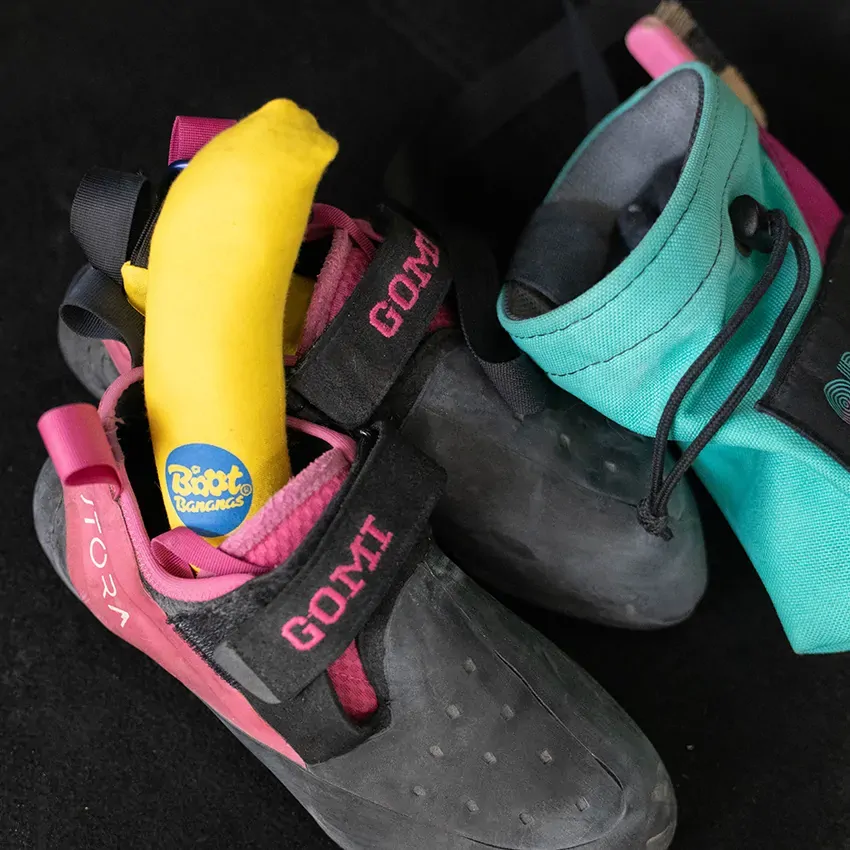
Are your climbing shoes starting to smell after every session? You’re not alone.
Bad odors can make your climbing experience less enjoyable and even affect your performance. But what if you could keep your shoes fresh, comfortable, and ready for your next climb? You’ll discover simple, effective tips to stop the stink before it takes over.
Keep reading, and say goodbye to smelly climbing shoes for good.
Causes Of Shoe Odor
Climbing shoes can start to smell bad after use. The smell comes from different causes inside the shoe.
Knowing what causes the odor helps you keep your shoes fresh longer. Two main reasons are sweat and shoe materials.
Sweat And Bacteria
Your feet sweat inside climbing shoes. Sweat creates a wet environment that bacteria love.
Bacteria break down sweat and skin cells. This process produces bad smells inside the shoes.
- Feet sweat more in tight shoes.
- Bacteria grow faster in warm, damp places.
- Wearing shoes without socks can increase sweat build-up.
Material And Design Impact
The materials used in climbing shoes affect how much they smell. Some materials hold moisture more than others.
Shoe design also matters. Shoes with poor ventilation keep sweat inside, causing more odor.
- Leather can absorb sweat but may dry slowly.
- Synthetic materials can trap heat and moisture.
- Shoes with mesh panels allow better airflow.
- Tight designs reduce space for air movement.

Credit: www.climbinganchors.com.au
Daily Care Tips
Climbing shoes can develop bad smells if not cared for properly. Daily care helps keep them fresh and lasts longer.
Simple steps like drying and cleaning your shoes make a big difference. Follow these tips to avoid unpleasant odors.
Proper Drying Techniques
Drying climbing shoes correctly stops bacteria and mold growth. Always remove shoes from your bag after climbing.
Let your shoes dry in a cool, shaded area. Avoid direct sunlight and heat sources like heaters or dryers.
- Remove insoles if possible to air out better
- Use a shoe tree or stuff shoes with paper towels
- Allow at least 24 hours to dry completely
Regular Cleaning Methods
Cleaning your climbing shoes regularly removes sweat and dirt that cause smells. Use gentle cleaning methods.
Hand wash shoes with mild soap and lukewarm water. Avoid harsh detergents or soaking for too long.
- Use a soft brush or cloth to clean inside and outside
- Rinse well to remove soap residue
- Air dry completely before next use
Effective Deodorizing Hacks
Climbing shoes often trap sweat and bacteria. This causes bad smells. Using simple deodorizing hacks can keep them fresh.
Try these easy methods to stop the smell and make your shoes smell better for longer.
Using Baking Soda
Baking soda is a natural deodorizer. It absorbs moisture and neutralizes odors inside your climbing shoes.
- Sprinkle a small amount of baking soda inside each shoe.
- Let the shoes sit overnight to absorb the smell.
- Tap out the powder before wearing the shoes again.
- Repeat this after every few uses for best results.
Essential Oils And Sprays
Essential oils and sprays add a fresh scent. They also help kill odor-causing bacteria in your shoes.
| Oil or Spray | Benefit | How to Use |
| Tea Tree Oil | Antibacterial | Mix with water, spray inside shoes |
| Lavender Oil | Fresh scent | Put a few drops on cotton balls, place inside shoes |
| Commercial Shoe Spray | Odor neutralizer | Spray directly inside shoes after use |

Credit: chalkrebels.com
Storage Solutions
Climbing shoes can start to smell if not stored properly. Good storage helps keep them fresh and dry.
Using the right storage methods stops bad odors and makes your shoes last longer.
Ventilated Spaces
Airflow around climbing shoes helps remove moisture and stops smells. Store shoes in places with good air circulation.
Avoid keeping shoes in closed bags or boxes for long. Open shelves or mesh bags work best.
- Use open shelves or racks
- Mesh bags let air pass through
- Keep shoes away from damp corners
- Rotate shoes to dry both inside and out
Avoiding Moisture Build-up
Moisture makes shoes smell and damages the materials. Always dry shoes before storing them.
Use moisture absorbers or silica packets inside shoes to keep them dry. Change these regularly.
- Dry shoes in a cool, shaded place
- Remove insoles to dry separately
- Use moisture absorbers inside shoes
- Do not store wet shoes inside closed containers
Choosing The Right Socks
Keeping climbing shoes from smelling starts with the right socks. Socks help control sweat and keep your feet dry. Choosing the right pair can make a big difference.
Look for socks that help your feet breathe and wick away moisture. These features reduce odor and keep your shoes fresh longer.
Breathable Materials
Socks made from breathable materials allow air to flow around your feet. This airflow helps sweat evaporate faster. Cotton socks hold moisture and can cause bad smells.
- Choose socks with mesh panels or ventilation zones.
- Look for natural fibers like merino wool or bamboo.
- Avoid thick cotton socks for climbing.
Moisture-wicking Features
Moisture-wicking socks pull sweat away from your skin. This keeps your feet dry and stops bacteria that cause odors. Many climbing socks use synthetic fibers for this feature.
| Material | Moisture-Wicking Ability | Comfort Level |
| Merino Wool | High | Soft and warm |
| Bamboo | Moderate | Soft and breathable |
| Polyester | High | Light and quick-dry |
| Cotton | Low | Comfortable but holds moisture |
When To Replace Shoes
Climbing shoes can start to smell after many uses. This happens because sweat and bacteria build up inside the shoes. Sometimes, the smell stays even after cleaning. Knowing when to replace your shoes helps keep your feet healthy.
Besides odor, shoes wear out with time. This can make climbing harder and less safe. It is important to watch for signs that show your shoes need replacing.
Signs Of Permanent Odor
Permanent odor means the smell stays even after washing. This can be a sign that bacteria and fungus have grown deep inside the shoe materials. Shoes with permanent odor can cause foot infections.
- The smell remains after cleaning and drying.
- Inside lining feels sticky or slimy.
- Foot skin gets itchy or irritated after wearing.
- Visible mold or dark spots inside the shoe.
Wear And Tear Indicators
Worn-out shoes do not hold your feet well. This reduces climbing performance and safety. Check your shoes often for damage or loss of shape.
| Wear Sign | What It Means |
| Thin or torn soles | Less grip and protection |
| Loose or broken seams | Loss of shoe shape |
| Stretched-out heel or toe box | Poor fit and support |
| Hard or cracked rubber | Reduced flexibility and comfort |

Credit: www.climbinganchors.com.au
Frequently Asked Questions
How Do I Prevent Climbing Shoes From Smelling Bad?
Keep shoes dry and clean by airing them out after use. Use odor-absorbing powders or inserts. Wash removable liners regularly. Avoid wearing shoes without socks to reduce sweat buildup.
What Are The Best Ways To Dry Climbing Shoes Fast?
Remove insoles and let shoes air dry in a well-ventilated area. Avoid direct sunlight or heat sources. Stuff shoes with newspaper to absorb moisture quickly. Use a fan to speed up drying.
Can Baking Soda Help With Climbing Shoe Odor?
Yes, baking soda neutralizes odors and absorbs moisture. Sprinkle a small amount inside the shoes after each use. Let it sit overnight, then shake out before wearing again.
Are There Special Sprays For Climbing Shoe Odor?
Yes, antimicrobial or deodorizing sprays target bacteria causing odor. Use sprays designed for sports shoes or leather materials. Apply them regularly to keep shoes fresh and odor-free.
Conclusion
Keeping climbing shoes fresh is simple with a few steps. Air them out after each use. Use baking soda or tea bags to absorb odors. Wash them occasionally with mild soap. Store in a cool, dry place. Avoid damp environments.
Regular maintenance prevents strong odors. With these tips, your shoes will last longer. Enjoy a more pleasant climbing experience. Fresh shoes make climbing more enjoyable. Say goodbye to bad smells. Keep your shoes clean and fresh. Happy climbing!