Are you tired of dealing with a frozen condensate line every winter? This common HVAC issue can lead to a host of problems, from decreased efficiency to costly repairs.
But what if you could prevent it altogether? Understanding how to keep your condensate line from freezing is crucial for maintaining a smooth-running heating system and saving you time, money, and headaches. You’ll discover simple, actionable steps to ensure your condensate line stays ice-free, even in the coldest months.
Imagine the peace of mind knowing your home is cozy, your system is efficient, and unexpected breakdowns are a thing of the past. Dive in to learn how to protect your HVAC system and enjoy a worry-free winter.
Credit: www.jlconline.com
Causes Of Condensate Line Freezing
Condensate line freezing is a common issue during cold weather. It stops water from draining properly. This can cause damage to your HVAC system. Understanding the causes helps prevent costly repairs. Several factors lead to condensate line freezing.
Low Outdoor Temperatures
Freezing happens when the temperature drops below 32°F (0°C). Cold air can enter the condensate line, causing water inside to freeze. Prolonged exposure to cold weather increases the risk. This is especially true for lines running outside or in unheated spaces.
Poor Insulation
Insufficient insulation lets cold air reach the condensate line. Pipes without proper wrapping are vulnerable to freezing. Heat loss occurs rapidly in uninsulated areas. This allows ice to form inside the drain line, blocking water flow.
Clogged Drain Lines
Dirt, algae, and debris can clog the condensate line. Blockages trap water inside the pipe. Standing water freezes faster than flowing water. Clogged lines increase the chance of ice buildup and pipe damage.
Inadequate Drainage
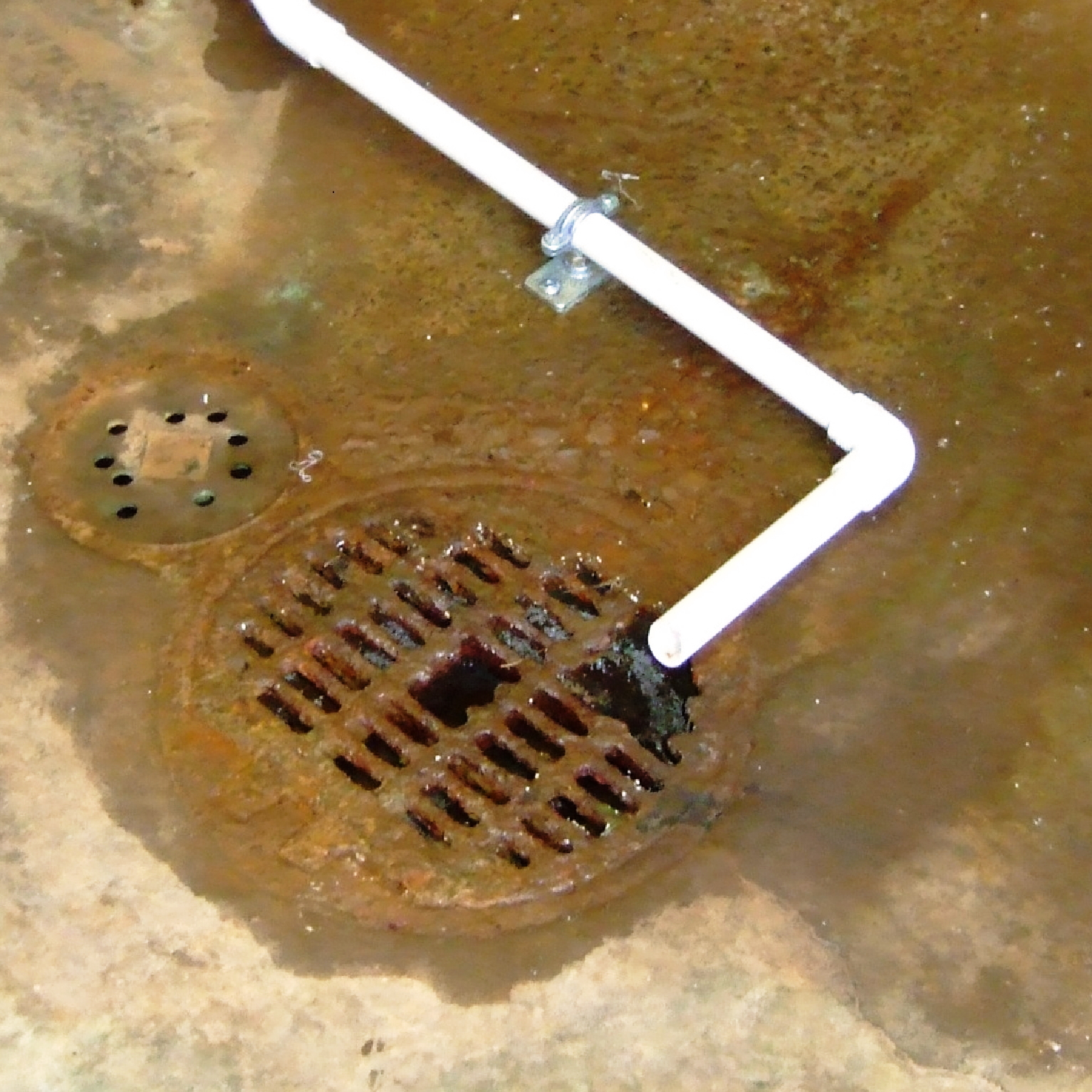
Drain lines must slope downward for proper water flow. Flat or upward slopes cause water to pool. Water that does not drain quickly is prone to freezing. Poor drainage design contributes to condensate line ice formation.

Credit: www.reddit.com
Signs Of A Frozen Condensate Line
Spotting the signs of a frozen condensate line early can save you a lot of trouble and costly repairs. Your HVAC system relies on this line to drain moisture properly, and when it freezes, everything backs up. Knowing what to watch for helps you act quickly and keep your system running smoothly.
Water Leakage
If you notice water pooling around your HVAC unit or dripping indoors, it could be a sign of a frozen condensate line. When the line is blocked by ice, the water has nowhere to go except out where it shouldn’t be. This leakage can damage walls, floors, and even your electrical system if ignored.
Unusual Noises
Have you heard strange gurgling or dripping sounds near your air conditioner or furnace? These noises often mean water is trapped and trying to move past a blockage. Frozen condensate lines cause this trapped water to create odd sounds as it struggles to drain properly.
System Shutdown
Your HVAC system might shut down unexpectedly if the condensate line freezes. Many units have safety features that turn off the system to prevent damage from water overflow. If your system stops working without a clear reason, a frozen line could be the hidden cause.
Ice Formation Around The Unit
Visible ice buildup around the condensate line or near the indoor unit is a direct clue you’re dealing with freezing issues. This ice can form even if the outside temperature isn’t extremely low. Keep an eye out for any frost or ice—catching it early helps you avoid bigger problems.
Preventive Measures
Taking preventive measures helps stop the condensate line from freezing. These steps protect your HVAC system and keep it running smoothly in cold weather. Simple actions can save you from costly repairs and discomfort.
Insulating The Drain Line
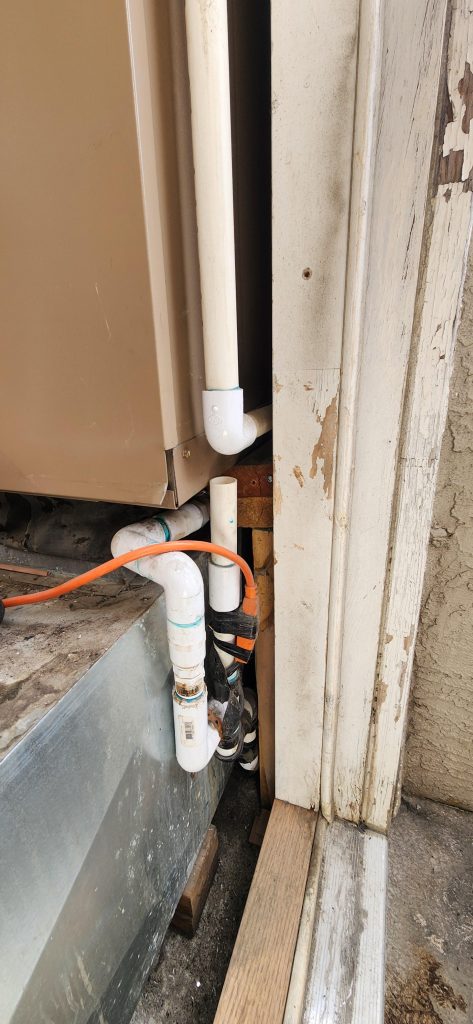
Wrap the drain line with foam pipe insulation. This keeps cold air from reaching the water inside. Use insulation rated for outdoor use if the line is outside. Seal gaps to prevent cold air leaks. Insulation helps maintain a stable temperature around the pipe.
Using Heat Tape
Apply heat tape along the condensate line. Heat tape provides gentle warmth to prevent freezing. Choose heat tape with an automatic thermostat for safety. Follow manufacturer instructions for proper installation. Power the heat tape only during freezing temperatures to save energy.
Regular Maintenance
Check the condensate line often during cold months. Clear any blockages or debris to keep water flowing. Inspect insulation and heat tape for damage. Schedule professional HVAC maintenance yearly. Regular care reduces the risk of freezing and system failures.
Ensuring Proper Slope
Verify the condensate line slopes downward toward the drain. A proper slope prevents water from sitting in the pipe. Standing water increases the chance of freezing. Adjust the line to maintain a steady flow away from the unit. This simple fix helps water drain quickly and safely.

Credit: www.plusheat.co.uk
Diy Fixes For A Frozen Line
Frozen condensate lines can stop your HVAC system from working well. Fixing these lines yourself saves time and money. Simple tools and a little care can solve the problem quickly. Follow these easy DIY fixes to clear frozen lines and keep your system running smoothly.
Applying Warm Towels
Warm towels help thaw frozen condensate lines safely. Soak towels in hot water, then wring out extra water. Wrap them around the frozen section of the pipe. Leave towels in place for 10 to 15 minutes. Replace towels with freshly warmed ones if needed. This method gently raises the pipe’s temperature and melts the ice inside.
Using A Hair Dryer Safely
A hair dryer provides gentle heat to frozen pipes. Set it to low or medium heat to avoid damage. Hold the dryer several inches away from the pipe. Move the dryer slowly along the frozen area. Keep the dryer away from water to prevent electric shock. This method warms the pipe evenly and melts ice without causing harm.
Clearing Blockages
Blockages can cause water to freeze in condensate lines. Use a wet-dry vacuum to suck out clogs from the pipe’s end. Alternatively, flush the line with warm water to clear debris. Avoid harsh chemicals that may damage pipes or harm the environment. Regularly cleaning the drain line prevents future freezes and keeps water flowing freely.
When To Call A Professional
Knowing when to call a professional for your frozen condensate line can save you time, money, and frustration. While some issues are easy to fix on your own, others require expert attention to prevent damage or recurring problems. Pay close attention to signs that indicate your system needs a professional’s care.
Persistent Freezing Issues
If your condensate line freezes repeatedly despite your efforts to thaw and insulate it, this is a clear sign to call a pro. Continuous freezing might mean there’s a deeper problem, like poor drainage or improper slope. Have you noticed your line freezing every time the temperature drops? A technician can diagnose the root cause and apply a long-term solution.
Complex Repairs
Some repairs are too complicated or risky to handle alone. Problems like cracked pipes, faulty condensate pumps, or electrical issues require specialized tools and knowledge. Attempting these repairs yourself could lead to bigger damage or safety hazards. If you’re unsure about any part of the repair, it’s best to let a professional step in.
System Inspection And Tune-up
Scheduling a professional inspection and tune-up before the cold season helps prevent condensate line freezing. Experts can clean drains, check insulation, and ensure your HVAC system is running efficiently. Think about how much trouble you could avoid by having your system professionally maintained—wouldn’t it be worth it to stay warm and worry-free?
Long-term Solutions
Preventing your condensate line from freezing is essential to keep your HVAC system running smoothly, especially during harsh winters. Short-term fixes might help temporarily, but long-term solutions ensure your system remains reliable and efficient. Let’s look at practical ways you can protect your condensate line for years to come.
Upgrading Drain Line Materials
Using the right materials can make a big difference. Traditional PVC pipes are common, but some types are more resistant to freezing and cracking. Consider switching to insulated or thicker-walled pipes designed to withstand low temperatures.
Additionally, using flexible tubing can help reduce stress on joints, preventing leaks and breaks. Have you checked the material of your current drain line? Upgrading it could save you from costly repairs down the road.
Installing Drain Line Heaters
Electric heat tape or drain line heaters are effective at keeping the condensate line warm. These devices wrap around the pipe and provide consistent heat, stopping ice from forming inside.
Many homeowners find that a simple thermostat-controlled heater activates only when temperatures drop, saving energy. Would you prefer a setup that runs all winter or one that responds to freezing conditions? Either way, this solution adds a reliable layer of protection.
Improving Home Insulation
Cold air infiltration around your condensate line can cause freezing issues. Sealing gaps and adding insulation around areas where the drain line runs outside or through unheated spaces helps maintain warmth.
Think about your basement, crawl spaces, or attic—are these areas properly insulated? Enhancing insulation not only protects your condensate line but also improves your home’s overall energy efficiency.
Frequently Asked Questions
What Causes Condensate Lines To Freeze In Winter?
Condensate lines freeze due to cold outdoor temperatures and poor insulation. Moisture inside the line turns to ice, blocking drainage and causing HVAC issues.
How Can I Prevent My Condensate Line From Freezing?
Insulate the condensate line and ensure proper drainage. Use heat tape or pipe sleeves to keep the line warm during cold weather.
Is Heat Tape Effective For Condensate Line Protection?
Yes, heat tape provides consistent warmth to prevent freezing. It’s easy to install and helps maintain proper condensate flow in cold conditions.
Can Poor Drainage Cause Condensate Line Freezing?
Absolutely, blocked or slow drainage leads to water buildup. This standing water freezes easily, causing line blockages and potential HVAC damage.
Conclusion
Keeping your condensate line from freezing protects your system in cold weather. Use insulation and heat tape to keep pipes warm. Regular checks help spot problems early. Clear any blockages to maintain smooth water flow. Small steps prevent costly repairs later.
Stay ahead of winter’s chill with simple care. Your HVAC system will run better and last longer. Don’t let frozen lines cause unexpected troubles. Take action today for a warm, safe home all season.