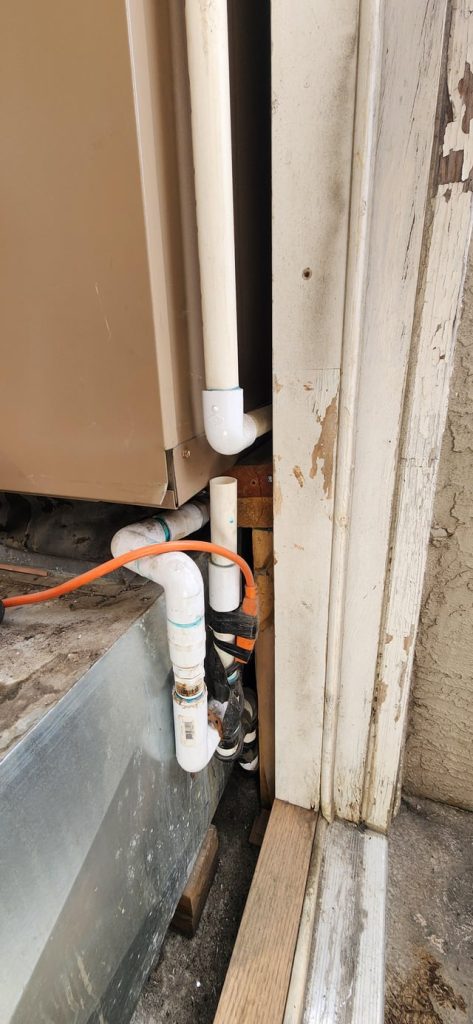
Imagine waking up on a chilly morning, ready to start your day, only to find that your HVAC system isn’t working properly. You inspect and discover that the condensation lines are frozen.
It’s a frustrating situation, isn’t it? You’re not alone. Many homeowners face this issue, especially in colder months, which can lead to costly repairs if not addressed promptly. But don’t worry, you’re in the right place to find a solution.
Understanding how to keep your condensation lines from freezing is crucial for maintaining the efficiency and longevity of your HVAC system. In this guide, you’ll discover straightforward, actionable tips that can save you time, hassle, and money. Stay with us and learn how to prevent this common issue from disrupting your comfort at home.

Credit: www.reddit.com
Why Condensation Lines Freeze
Understanding why condensation lines freeze is key to preventing costly HVAC problems. These lines carry moisture away from your system, and when they freeze, your entire heating or cooling setup can be compromised. Let’s look closely at what causes this issue and how it affects your HVAC system’s performance.
Common Causes
Condensation lines freeze mainly due to low temperatures and poor airflow. When the air around the lines is too cold, the moisture inside can turn to ice. Blockages or clogs in the line trap water, increasing the chance of freezing.
- Dirty air filters reduce airflow and cause the system to work harder, lowering temperatures.
- Improper insulation around the pipes exposes them to cold air.
- Low refrigerant levels cause the evaporator coil to freeze, leading to frozen condensation lines.
Have you checked your air filter recently? A simple change might stop the freezing before it starts.
Impact On Hvac Systems
Frozen condensation lines create several problems for your HVAC system. First, ice buildup blocks water drainage, causing leaks and water damage. The system then struggles to maintain temperature, increasing energy bills and wear on components.
Over time, freezing can damage the lines and coils, leading to expensive repairs or replacements. Your comfort depends on a healthy, functioning system — ignoring frozen lines can disrupt your home’s climate control.
Think about how often you’ve ignored small issues with your HVAC. Could this be the warning sign your system needs attention before a breakdown?
Credit: www.diychatroom.com
Signs Of Freezing Condensation Lines
Freezing condensation lines can cause serious problems in your HVAC system. Detecting the signs early helps prevent damage and costly repairs. This section covers how to spot freezing issues through visible signs and system performance problems.
Visual Indicators
- Ice buildup on the condensation line or around the unit
- Frost forming on the pipes during cold weather
- Water dripping or pooling near the line due to ice melting
- Cracks or bulges in the condensation pipe from freezing stress
- Discoloration or damp spots indicating leaks
Performance Issues
- Reduced cooling efficiency in your air conditioner
- Unusual noises like hissing or gurgling near the line
- System shutting off unexpectedly to prevent damage
- Longer run times as the unit struggles to cool the space
- Higher energy bills from inefficient operation
Preventive Measures
Condensation lines can freeze and block water flow during cold weather. Preventive measures help stop this problem early. Proper care keeps your system running smoothly and avoids costly repairs. Focus on three main areas to protect your condensation lines.
Insulation Techniques
Wrap condensation lines with foam pipe insulation. This material keeps pipes warm and stops ice from forming. Use weather-resistant tape to secure the insulation. Cover all exposed pipe sections, especially those in cold areas like basements or crawl spaces.
For extra protection, apply heat tape or heating cables. These devices provide gentle warmth to the pipes. They turn on automatically when temperatures drop near freezing. This approach works well in very cold climates.
Proper Drainage Setup
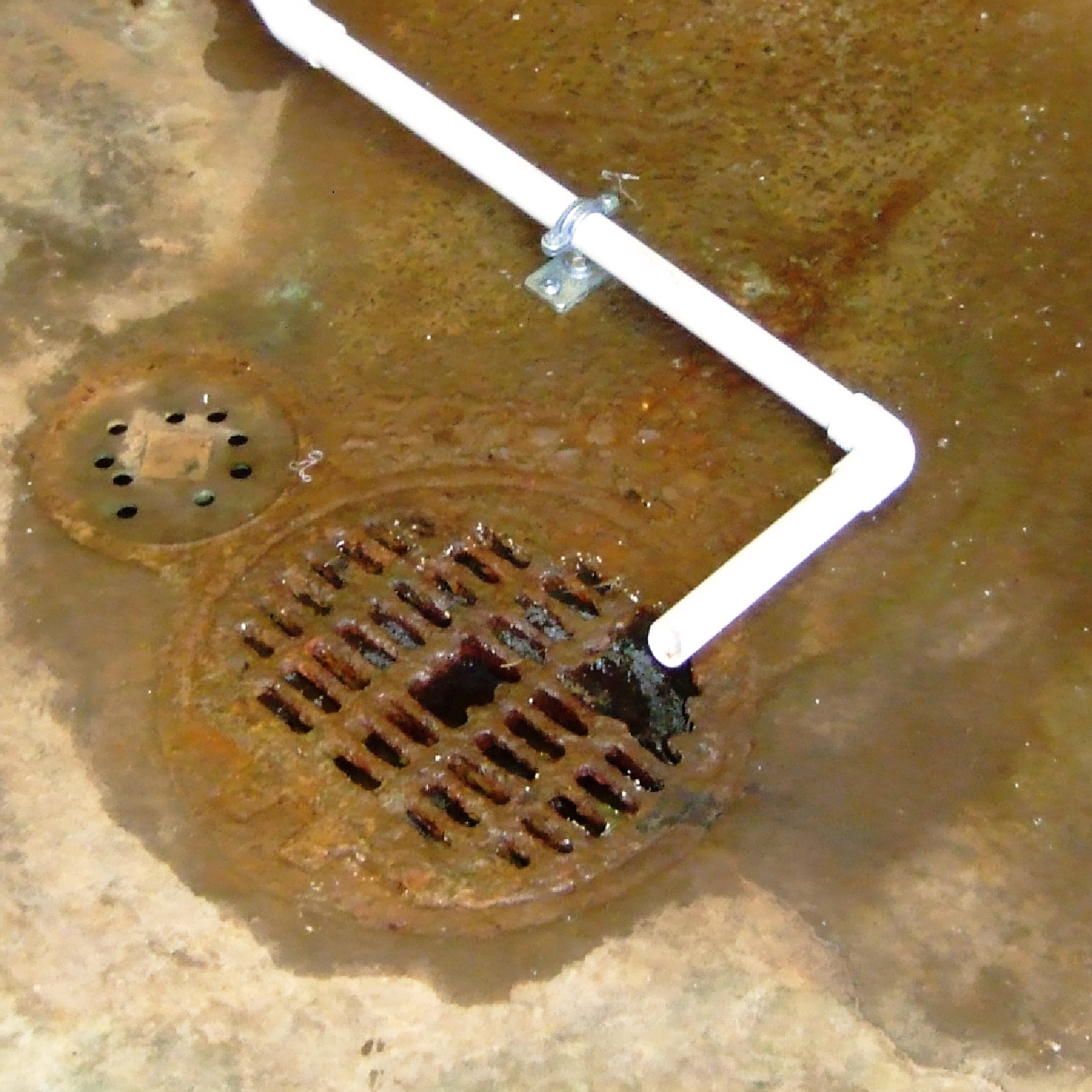
Ensure condensation lines have a clear, downhill path to drain water. Avoid flat or uphill routes that trap water and cause freezing. Check for clogs regularly and remove any debris inside the pipes.
Install a drain pan below the air conditioner. This pan collects excess water safely. Connect the pan to a drain line that leads outside or to a safe spot. This setup prevents water buildup that can freeze and block pipes.
Maintaining Optimal Temperature
Keep the indoor temperature steady, especially near condensation lines. Avoid sudden drops that increase freezing risk. Use a thermostat to control heating systems efficiently.
Seal gaps and cracks around windows and doors. This action prevents cold air from reaching the pipes. Keep attic and basement spaces warm enough to protect plumbing.
Diy Solutions To Thaw Frozen Lines
Frozen condensation lines can stop your air conditioner from working well. Fixing them fast saves you money and stress. You can thaw frozen lines at home with simple tools. These DIY solutions help restore flow without calling a technician.
Using safe heating is key. The goal is to warm the line gently to melt ice inside. Avoid harsh methods that can break pipes or wires. Follow clear steps to protect your system and stay safe.
Safe Heating Methods
- Wrap the line with a warm towel soaked in hot water.
- Use a hairdryer on low heat, keeping it moving constantly.
- Apply an electric heating pad around the frozen area.
- Place heat tape designed for pipes on the line.
- Keep the room temperature warm to help melt ice naturally.
Avoiding Damage
- Never use open flames like lighters or torches on lines.
- Do not pour boiling water directly on the pipes.
- Avoid high heat settings that can melt plastic parts.
- Check for cracks or leaks before and after thawing.
- Turn off the air conditioner during the thawing process.
Professional Maintenance Tips
Professional maintenance plays a key role in preventing condensation lines from freezing. Experts recommend regular check-ups and timely upgrades to keep your system running smoothly. Proper care reduces the risk of costly repairs and improves efficiency.
Regular Inspections
Schedule routine inspections to spot early signs of freezing or leaks. Technicians check insulation, line condition, and drainage. They ensure the system works without blockages or damage. Regular checks catch problems before they become serious.
During inspections, experts may:
- Clean the condensation lines to prevent clogs.
- Check for cracks or worn-out parts.
- Test system pressure and temperature levels.
- Verify proper insulation around pipes.
Upgrading Equipment
Old or inefficient equipment increases freezing risk. Upgrading to modern, energy-efficient units improves performance. Newer systems often include built-in safeguards against freezing.
Consider these upgrades:
- Install insulated condensation lines.
- Use heated tape or pipe wraps.
- Replace outdated drainage components.
- Choose systems with automatic defrost features.
Upgrades protect your system during cold weather and extend its lifespan.
Credit: www.jlconline.com
Seasonal Preparations
Preparing your condensation lines before the cold season is key to avoiding unexpected freezes. Taking proactive steps ensures your HVAC system runs smoothly even in the lowest temperatures. Let’s look at practical ways to get your system ready so you can avoid costly repairs and discomfort.
Winterizing Your System
Start by insulating your condensation lines with foam pipe covers or heat tape. This simple addition keeps the lines warmer and prevents ice buildup. I once skipped this step, and a frozen line shut down my AC in January—an expensive reminder to always prepare early.
Check the drain pan and clear any blockages before the cold hits. Standing water can freeze and cause backups that damage your system. You might also want to test your system’s thermostat settings to keep the unit running efficiently during colder days.
Monitoring During Cold Months
Keeping an eye on your condensation lines throughout winter can save you headaches. Look for frost or ice forming on the pipes, and listen for unusual sounds from your HVAC unit. These signs often show up before a full freeze or clog.
Set a routine to inspect your system weekly. If you notice any ice buildup, turn off the system and carefully remove the ice with warm towels—avoid sharp tools that can damage pipes. Have you ever caught early signs of freezing and avoided an emergency repair? Staying alert makes all the difference.
Frequently Asked Questions
Why Do Condensation Lines Freeze In Hvac Systems?
Condensation lines freeze due to poor insulation and cold temperatures. Moisture inside the lines turns to ice, blocking drainage. Proper maintenance and insulation prevent freezing and ensure smooth water flow in HVAC systems.
How Can I Prevent Condensation Lines From Freezing?
Insulate the condensation lines and maintain regular HVAC cleaning. Use heat tape during cold months to keep lines warm. Ensure proper drainage to avoid water buildup and ice formation.
What Are Signs Of Frozen Condensation Lines?
Signs include reduced cooling efficiency, water leaks, and ice buildup on lines. You may hear unusual noises from the HVAC unit. Promptly addressing these signs prevents system damage and costly repairs.
Can Heat Tape Stop Condensation Line Freezing?
Yes, heat tape provides consistent warmth to prevent ice buildup. It’s an effective and affordable solution for freezing issues. Always follow manufacturer instructions for safe and efficient use.
Conclusion
Keeping condensation lines from freezing protects your heating and cooling system. Use insulation and heat tape to stop ice build-up. Check the lines regularly during cold weather. Simple steps can save costly repairs later. Stay ahead by maintaining your system well.
Frozen lines cause damage and reduce efficiency. Preventing freezing keeps your home warm and safe. Small efforts make a big difference in winter. Take action early to avoid trouble. Your system will run smoothly all season long.